5 Proven Online Selling Strategies : A Comprehensive Guide 2025
Online Selling Strategies : The rise of digital commerce has revolutionized how people build businesses. What once required physical stores, warehouse space, and huge investments can now be started from a laptop and a strong idea. With global marketplaces, automated logistics, and accessible e-commerce platforms, thousands of entrepreneurs are earning online through smart, structured selling models.
Table of Contents
The most successful digital sellers don’t rely on chance — they choose a strategy that aligns with their skills, capital, and vision. Whether you’re reselling trending products, running a dropshipping store, launching a print-on-demand brand, buying wholesale, or building your own product line, each method offers a unique pathway to success.
This comprehensive guide explores five proven online selling strategies that can help you start and scale an online business in 2025. You’ll learn how each model works, what makes it profitable, how to get started, and what to avoid.
1. Reselling: The Simplest Path to Begin Your Online Journey

Understanding the Model
Reselling is one of the oldest and simplest business strategies — you buy products at low prices and sell them at a higher price for profit. It’s the modern digital version of traditional retail. Unlike manufacturing or brand building, you’re leveraging existing demand by acting as the connection between product suppliers and buyers.
You can source products from wholesalers, factory outlets, or even online marketplaces offering bulk discounts. Once purchased, you list those items on your e-commerce store or marketplaces such as Amazon, Flipkart, Meesho, or eBay. When a buyer places an order, you fulfill it directly, earning the margin between your selling and buying price.
Why It Works
Reselling works because it focuses on market gaps. You can target trending items or high-demand categories that larger brands overlook. By offering convenience, better pricing, or niche products, you can quickly attract customers.
Also Read : Top 3 Online Business Ideas in 2025 – Complete Guide for Modern Entrepreneurs
Advantages of Reselling
- Low Entry Barrier: You can start with minimal investment and grow gradually.
- Speed to Market: It requires less setup — you can start selling within days.
- Product Flexibility: You can switch products based on trends without heavy risk.
- Scalable Margins: Once you find a profitable item, you can reinvest profits into bulk orders.
Practical Tips
- Use GTrends or Meesho Insights to identify what’s trending.
- Focus on products that solve everyday problems — small gadgets, kitchen tools, accessories.
- Optimize your listings with professional photos and keyword-rich titles.
- Provide prompt communication and fast delivery to build reputation.
- Keep track of inventory to avoid delays or order cancellations.
Reselling is ideal for first-time entrepreneurs who want to understand customer behavior and learn e-commerce operations without huge investment.
2. Dropshipping: Selling Without Inventory or Risk
How the Model Works
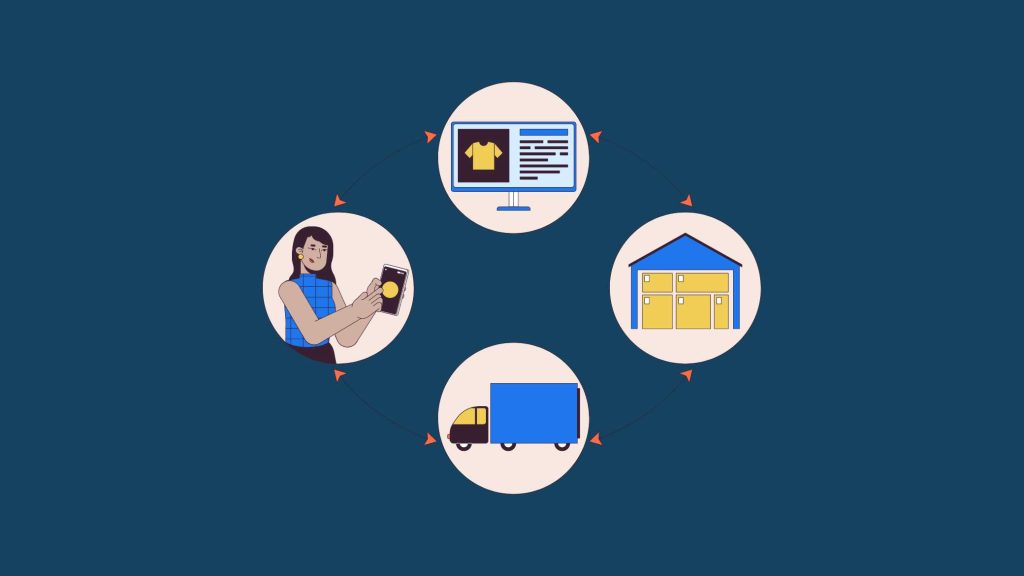
Dropshipping allows you to sell products online without handling stock, packaging, or shipping. You simply list products from a third-party supplier on your store. When a customer makes a purchase, the supplier ships the product directly to the customer under your brand name.
In essence, you are the marketer and retailer, while your supplier acts as the logistics partner.
Why Dropshipping Has Gained Popularity
This model gained global traction because it removes the traditional barriers of inventory and warehousing. You only pay for products when they’re sold, making it one of the lowest-risk e-commerce models available.
It’s particularly attractive to entrepreneurs looking to start quickly, automate processes, and test multiple product niches with minimal upfront costs.
Advantages of Dropshipping
- No Inventory Headaches: You never buy stock in advance.
- Flexible Product Range: You can test hundreds of products easily.
- Low Startup Cost: Investment is limited to a website and advertising.
- Easy to Scale: Automation allows you to handle higher order volumes effortlessly.
Challenges and How to Overcome Them
Dropshipping also comes with competition and dependency on suppliers. If a supplier fails to deliver or ships poor quality, your brand reputation suffers. Therefore, it’s crucial to:
- Choose reliable suppliers with verified ratings (use platforms like AliExpress, CJ Dropshipping, or IndiaMART).
- Select niche markets where competition is lower but demand exists — eco-friendly items, pet accessories, or home organization tools.
- Build strong branding through packaging and customer service.
- Invest in digital marketing — SEO, Meta ads, and influencer campaigns can make a huge difference.
Dropshipping is perfect for entrepreneurs who prioritize marketing and branding over logistics. It’s a model where creativity in promotion determines profitability.
3. Print-on-Demand: Turning Creativity Into Commerce
What Is Print-on-Demand (POD)?
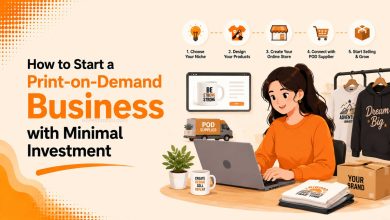
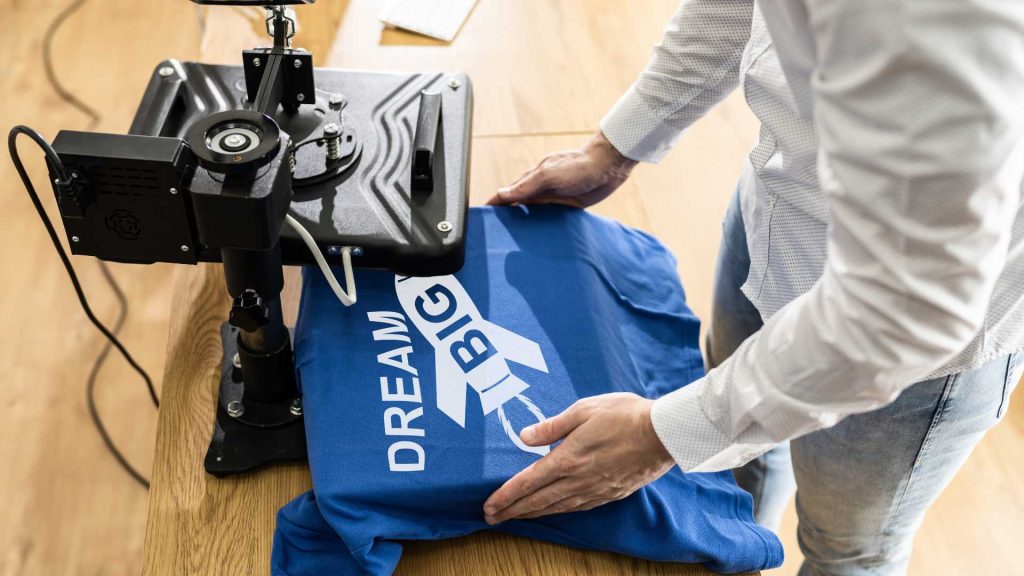
Print-on-Demand combines personalization with automation. It allows you to sell custom-designed products — T-shirts, mugs, hoodies, tote bags, notebooks, or even self-published books — that are produced only when customers order them.
Platforms like Printful, Redbubble, Teespring, and Kindle Direct Publishing (KDP) handle printing, packaging, and shipping. You focus solely on designing and marketing.
How It Works
You create designs and upload them to your online store or a marketplace. When a customer purchases a product featuring your design, the platform prints it and sends it to them. You earn a profit margin on every sale without holding any stock.
Advantages of Print-on-Demand
- No Inventory Required: Everything is made on demand.
- Creative Freedom: You can sell art, quotes, or themed collections.
- Low Risk: There’s no upfront investment in stock.
- Global Reach: Many POD platforms offer international shipping automatically.
Building a POD Business
Success in POD depends on niche selection and design originality.
- Choose specific audiences (for example, fitness enthusiasts, pet lovers, book readers).
- Use trending phrases, minimalist art, or relatable themes in your designs.
- Promote through Insta and Pinterest — visuals drive engagement.
- Experiment with limited editions or seasonal collections to boost urgency.
The beauty of POD lies in scalability — once you have a few successful designs, they can sell continuously with little effort.
Example: KDP Publishing
For authors and content creators, Kindle Direct Publishing (KDP) offers a POD model for books. You upload your manuscript, and Amazon prints and ships it only when someone orders it. It’s a great way to earn passive income while building authority.
Print-on-Demand is best for creative professionals, designers, or anyone who wants a low-risk, automated business with room for artistic expression.
4. Wholesale: Buying in Bulk for Bigger Profits

How Wholesale Works
Wholesale selling involves purchasing products in bulk at discounted rates directly from manufacturers or distributors and then selling them at retail prices. It’s a more traditional, inventory-based model but still highly profitable when executed online.
You can buy in large quantities through B2B marketplaces or manufacturer partnerships, then list and sell those items individually through your website or online marketplaces.
Advantages of Wholesale Selling
- Higher Margins: Bulk purchases reduce per-unit cost.
- Direct Supplier Relationships: Better control over pricing and product quality.
- Brand Consistency: You can offer reliable products with consistent availability.
- Long-Term Scalability: Once established, wholesale operations can expand into multiple categories.
Getting Started
- Research high-demand products with steady sales volume.
- Connect with verified suppliers on TradeIndia, IndiaMART, or global platforms.
- Negotiate better rates and shipping deals for bulk purchases.
- Invest in inventory management software to track stock efficiently.
- Build an e-commerce store with proper cataloging and product details.
Risks to Manage
Wholesale requires more upfront capital and storage management. There’s also the possibility of unsold stock. To minimize risk:
- Start with smaller batches and scale based on sales data.
- Use data analytics to predict seasonal demand.
- Diversify your product line to reduce dependency on one category.
Wholesale selling suits entrepreneurs who have moderate investment capability and want full control over product quality, packaging, and customer experience.
5. Build Your Own Brand: The Ultimate Long-Term Strategy
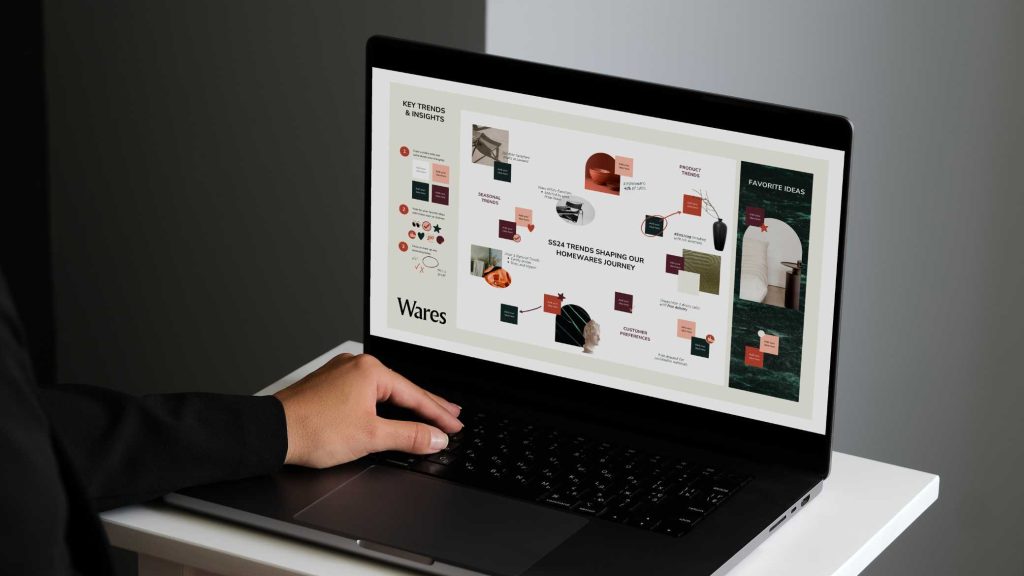
Why Branding Is the Future
Among all the selling models, building your own brand is the most rewarding. It’s also the most challenging. Instead of reselling or relying on suppliers, you create your own line of products under a unique brand identity.
This strategy gives you complete control over product quality, pricing, and marketing, and establishes long-term customer loyalty.
How to Build Your Brand
- Identify Your Niche: Focus on solving a specific problem — skincare for sensitive skin, eco-friendly home decor, healthy snacks, or handmade jewelry.
- Develop Products: Create your own formulations or source private-label items.
- Craft a Brand Identity: Choose a memorable name, design a logo, and define your tone.
- Launch an E-commerce Store: Platforms like Shopify, Wix, or WooCommerce make it easy to set up.
- Market Strategically: Use storytelling, influencer collaborations, and paid advertising to create buzz.
Advantages of Building Your Brand
- Strong Customer Loyalty: People trust brands that reflect their values.
- Premium Pricing Power: You set your own prices without depending on suppliers.
- Long-Term Equity: A successful brand becomes a valuable asset that can be sold or expanded.
- Creative Control: You manage every detail, from packaging to messaging.
Buy Now : Ready Made Digital Store with 100 Products
Keys to Success
- Focus on customer experience, not just sales.
- Encourage user-generated content and testimonials.
- Build community through newsletters, rewards, or exclusive offers.
- Optimize for search engines and social commerce.
Building your own brand requires patience and consistency, but it’s the foundation of lasting success. It’s how small startups evolve into recognized names in e-commerce.
How to Choose the Right Model
Choosing the ideal online selling strategy depends on your resources, skills, and goals.
| Model | Startup Investment | Risk Level | Control | Profit Potential | Best For |
|---|---|---|---|---|---|
| Reselling | Low | Low | Low | Moderate | Beginners |
| Dropshipping | Very Low | Low | Medium | High | Digital Marketers |
| Print-on-Demand | Low | Low | Medium | Moderate-High | Creators/Designers |
| Wholesale | Medium | Medium | High | High | Experienced Sellers |
| Build Your Brand | Medium-High | Medium | Very High | Very High | Long-term Entrepreneurs |
If you’re just starting out, reselling or dropshipping is the fastest way to gain experience. As you grow confident, shift toward creating a unique brand — where long-term stability and independence lie.
Essential Marketing Foundations for All Models
Regardless of the selling method, marketing defines success in online business. Here are core areas every entrepreneur must master:
- SEO and Content Marketing: Optimize product descriptions, blogs, and images for search engines. Consistent content brings organic traffic.
- Social Media Marketing: Use platforms like Insta, YT and Pinterest to build brand visibility and engagement.
- Email Marketing: Build a list of loyal customers with newsletters, offers, and product updates.
- Paid Advertising: Use G Ads, FB Ads to reach targeted audiences quickly.
- Customer Retention: Offer loyalty programs, discounts, or early access to keep buyers coming back.
A well-executed marketing plan ensures that even small online businesses can compete with large e-commerce players.
Sustainability and Long-Term Growth
The most successful online entrepreneurs focus not just on sales but on building sustainable systems. This includes strong branding, excellent customer service, ethical sourcing, and data-driven decision-making.
The future of online selling lies in trust, personalization, and efficiency. Businesses that focus on value creation — not just profit margins — will dominate digital markets in the coming decade.
Conclusion
The digital economy continues to empower individuals to become entrepreneurs without traditional limitations. From reselling and dropshipping to creating your own brand, online selling models have opened doors for anyone willing to learn, adapt, and execute consistently.
Each strategy — whether it’s reselling’s simplicity, dropshipping’s automation, POD’s creativity, wholesale’s scale, or brand building’s legacy — can lead to remarkable success when paired with smart marketing and customer focus.
Buy Now : Ready Made Digital Store with 100 Products
The key takeaway is simple: start small, learn continuously, and grow strategically. The internet rewards persistence, innovation, and authenticity. With the right approach, 2025 can be the year you transform your entrepreneurial dream into a thriving online business.
Keywords : Online Selling Strategies – Online Selling Strategies in 2025