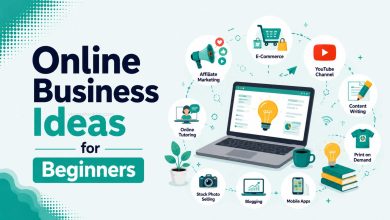
Chatbot Service Business : The Comprehensive Guide
Chatbot Service Business : The rise of artificial intelligence has transformed how businesses communicate with customers, generate leads, and provide support. Among the fastest-growing service opportunities in the AI economy is the chatbot service business. Companies across industries are adopting chatbots to automate customer conversations, reduce operational costs, improve response times, and increase conversions. This growing demand has created a powerful opportunity for entrepreneurs, digital marketers, and tech service providers to build profitable chatbot service agencies.
Table of Contents
In 2026 and beyond, chatbot services are no longer limited to simple FAQ automation. Modern AI chatbots can handle sales conversations, lead qualification, appointment booking, customer onboarding, internal workflow automation, and multilingual communication. Businesses that implement chatbot solutions gain competitive advantages through faster customer engagement and improved operational efficiency.
This detailed professional guide explains how to start, grow, and scale a chatbot service business, including service models, client acquisition strategies, pricing methods, technology selection, and long-term growth opportunities.
Understanding the Chatbot Service Business Model

A chatbot service business involves designing, building, deploying, and managing automated chat systems for other businesses. These bots can operate on websites, messaging platforms, mobile apps, ecommerce stores, and social media channels.
The core value offered by chatbot service providers includes automation of customer support, lead generation systems, sales funnel automation, appointment booking systems, and customer onboarding automation. Unlike traditional marketing or IT services, chatbot services sit at the intersection of marketing, customer experience, and business process automation.
Also Read : How to Integrate Chatbots in Your E-Commerce Store: A Comprehensive Guide 2025
Most chatbot service businesses operate using monthly recurring service contracts, making it a strong recurring revenue business model.
Why Chatbot Services Are Growing Rapidly
Several global trends are accelerating chatbot adoption.
Businesses want to reduce customer support costs while maintaining high response speed. Customers expect instant replies rather than waiting hours for email responses. Messaging-based communication is becoming more popular than traditional phone or email support. AI models have dramatically improved conversation quality and contextual understanding.
The global shift toward automation and AI-assisted workflows is pushing companies to invest in chatbot infrastructure earlier than before.
Types of Chatbot Services You Can Offer
Chatbot agencies typically provide multiple service categories to increase revenue streams.
Customer Support Automation Bots
These bots answer FAQs, handle basic troubleshooting, and reduce support ticket volume.
Lead Generation Chatbots
These bots capture customer information, qualify leads, and route them to sales teams.
Sales Chatbots
Sales bots help customers choose products, answer objections, and guide purchase decisions.
Appointment Booking Bots
Common in healthcare, coaching, consulting, and service businesses.
Ecommerce Chatbots
Used for product recommendations, order tracking, and abandoned cart recovery.
Internal Workflow Automation Bots
Used inside companies for HR, onboarding, and internal knowledge base access.
Offering multiple services increases client lifetime value.
Target Industries for Chatbot Service Businesses
Some industries adopt chatbot solutions faster than others.
High-demand chatbot industries include ecommerce stores, digital marketing agencies, real estate companies, financial services, healthcare providers, education platforms, SaaS companies, and local service businesses.
Focusing on one niche initially can help you build authority faster.
Skills Required to Start a Chatbot Service Business
You do not need advanced programming skills, but you need several core competencies.
Understanding conversational flow design is critical. You must know how customers think and how conversations should progress logically. Basic marketing funnel knowledge helps design bots that convert visitors into leads or customers. Platform knowledge is necessary to deploy bots across websites, Socila Medias, and other channels. Client communication and solution consulting skills are essential because many clients do not understand automation possibilities.
Step-by-Step Process to Start a Chatbot Service Business
Step 1: Choose Your Service Niche
Choosing a niche improves positioning. For example, focusing on real estate chatbots or ecommerce chatbots helps you build specialized expertise.
Step 2: Select Chatbot Technology Stack
Popular chatbot platforms include no-code chatbot builders, AI chatbot API integrations, and CRM-integrated chatbot systems. The best platform depends on your target client type.
Step 3: Learn Conversation Design
Conversation design is the most important skill. A chatbot must feel natural, helpful, and efficient. Poor conversation design leads to low engagement and poor client results.
Step 4: Build Demo Chatbots
Create demo bots for different industries. This helps clients visualize the final product and increases conversion during sales.
Step 5: Set Up Your Service Website
Your website should explain chatbot benefits, showcase demos, explain pricing packages, and include case studies if available.
Chatbot Pricing Models
Chatbot service businesses can use multiple pricing models.
Project-based pricing works well for initial chatbot builds. Monthly subscription pricing works well for chatbot maintenance and optimization. Performance-based pricing works for lead generation bots where you charge based on leads generated.
Most successful chatbot agencies combine setup fees with monthly management retainers.
Marketing Strategies for Chatbot Service Businesses

Content Marketing
Creating blog posts and videos explaining chatbot benefits helps attract inbound leads.
LinkedIn Outreach
LinkedIn works well for B2B chatbot service selling.
Cold Email Outreach
Cold email works when targeting industries with clear automation needs.
Paid Ads
Targeted ads for business owners searching for automation solutions can generate leads quickly.
Sales Strategy for Chatbot Services
Most chatbot sales require consultative selling. Businesses often do not know exactly what they need. Your job is to identify their pain points and recommend automation solutions.
Discovery calls help identify workflow problems and automation opportunities. Demonstrating ROI using real-world examples increases closing rates.
Buy Now : Professional Business Website
Delivering Chatbot Projects Successfully
Successful chatbot delivery includes requirement gathering, conversation mapping, bot development, testing, integration, and optimization.
Testing is critical before deployment. Bots must handle unexpected user inputs gracefully.
Chatbot Analytics and Performance Optimization
Important chatbot metrics include conversation completion rate, lead capture rate, user drop-off points, and conversion rate.
Continuous optimization improves client results and retention.
Using AI in Chatbot Service Businesses
AI enables advanced capabilities including natural language understanding, multilingual support, personalized recommendations, sentiment analysis, and predictive conversation flow optimization.
AI chatbots are replacing rule-based bots in many industries.
Scaling a Chatbot Service Business
Scaling can be done by productizing chatbot solutions, hiring automation specialists, offering white-label chatbot services to agencies, and building chatbot templates for specific industries.
Recurring revenue models make scaling easier.
Common Mistakes to Avoid
Common mistakes include overcomplicating chatbot flows, ignoring user experience, choosing wrong chatbot platform, underpricing services, and failing to demonstrate ROI to clients.
Building Long-Term Chatbot Service Brand Authority
Authority grows through publishing educational content, building case studies, speaking at industry events, and creating proprietary chatbot frameworks.
Strong authority reduces client acquisition cost.
Future of Chatbot Service Businesses
Future chatbot trends include voice-enabled bots, AI sales assistants, deep CRM integration, predictive automation, and full customer journey automation.
Chatbots will become core business infrastructure rather than optional marketing tools.
Building a Sustainable Chatbot Service Business
Long-term success requires niche focus, continuous technology learning, strong client relationships, measurable ROI delivery, and scalable service systems.
Conclusion

The chatbot service business represents one of the most powerful opportunities in the AI-driven service economy. Businesses are rapidly adopting automation to improve customer experience and reduce costs, creating massive demand for chatbot implementation and management services.
Entrepreneurs who build expertise in automation strategy, conversation design, AI integration, and client consulting can build highly profitable recurring revenue businesses. As AI technology continues to evolve, chatbot service businesses will become even more valuable across industries.
Buy Now : Professional Business Website
For service providers willing to combine technical understanding with marketing strategy and customer experience design, the chatbot service business offers strong long-term growth potential.
Disclaimer
This content is for informational purposes only and does not constitute financial, technical, or business advice. Results may vary based on execution, client industry, and market demand.