Pinterest Shopping Trends for Ecommerce : Comprehensive Guide 2026
Pinterest Shopping Trends for Ecommerce : Pinterest is no longer just a mood board platform. In 2026, it has evolved into one of the most powerful visual search engines for ecommerce brands. Unlike traditional social media platforms that rely heavily on entertainment-driven algorithms, Pinterest operates on intent-based discovery. Users come to Pinterest to plan, research, compare, and ultimately purchase. That makes Pinterest Shopping one of the highest-converting traffic sources for ecommerce businesses that understand how to use it strategically.
Table of Contents
This comprehensive guide explores Pinterest shopping trends for ecommerce in 2026, including AI-powered discovery, visual search optimization, social commerce evolution, shoppable pins, catalog ads, influencer collaborations, and long-term traffic growth strategies. If you want sustainable ecommerce growth, Pinterest must be part of your digital marketing strategy in 2026.
The Evolution of Pinterest as a Shopping Platform
Pinterest has transformed from an inspiration board into a full-scale shopping ecosystem. In earlier years, it was primarily used for DIY ideas, wedding planning, recipes, and home decor inspiration. Today, Pinterest integrates advanced AI, product tagging, shopping ads, dynamic catalogs, and predictive trend forecasting tools that allow brands to reach customers at the research stage of their buying journey.
Also Read : How to Find Winning Products in 2026
The most important difference between Pinterest and platforms like Instagram or TikTok is search intent. Pinterest users actively search for products, styling ideas, seasonal trends, and buying guides. That means Pinterest traffic often converts better than impulse-based social media traffic. In 2026, ecommerce brands that prioritize long-term discovery over short-term virality are outperforming competitors.
Why Pinterest Shopping Is Dominating Ecommerce in 2026
Pinterest has become one of the most conversion-focused social commerce platforms because of five key factors:
First, it operates as a visual search engine. People type queries such as “minimalist living room decor,” “summer capsule wardrobe 2026,” or “healthy meal prep ideas,” and Pinterest shows visual results connected to products.
Second, Pinterest users are planners. They save pins to boards, revisit them later, and often purchase weeks after initial discovery. This extended buying cycle increases average order value and customer lifetime value.
Third, Pinterest supports direct product tagging within lifestyle images. Shoppable Pins allow users to click on a product in an image and go directly to checkout.
Fourth, Pinterest Shopping Ads integrate seamlessly into search results and feeds, blending inspiration with purchase opportunities.
Fifth, AI-powered recommendations ensure users see products that align with their aesthetic preferences and previous searches.
These trends make Pinterest an essential ecommerce marketing channel in 2026.
AI-Powered Discovery and Visual Search Optimization

Artificial intelligence is at the center of Pinterest Shopping trends in 2026. The platform now uses advanced image recognition to analyze colors, textures, patterns, and objects within photos. This means ecommerce brands must optimize their product images not only for human viewers but also for AI algorithms.
High-performing Pinterest images in 2026 share certain characteristics:
They are bright and well-lit.
They feature products in real-life settings.
They maintain clean backgrounds with clear focal points.
They align with trending color palettes and aesthetics.
Visual search optimization is becoming as important as traditional SEO. Just as ecommerce brands optimize product descriptions for Google search, they must optimize product visuals for Pinterest Lens and AI recommendations.
Shoppable Pins and Product Tagging Trends
Shoppable Pins are at the core of Pinterest ecommerce growth. In 2026, static product images alone are not enough. Lifestyle-based product tagging is the dominant strategy.
For example, instead of posting a plain image of a sofa, successful brands show a fully styled living room. Within that image, they tag the sofa, coffee table, rug, lamp, and decorative items. This “Shop the Look” approach increases engagement and average cart value.
Dynamic product feeds are also more automated than ever. Ecommerce platforms integrate directly with Pinterest catalogs, ensuring that pricing, availability, and variants update automatically.
Pinterest Shopping Ads now prioritize relevance, visual quality, and engagement history. That means high-quality content not only boosts organic reach but also lowers paid advertising costs.
Pinterest SEO and Keyword Optimization in 2026
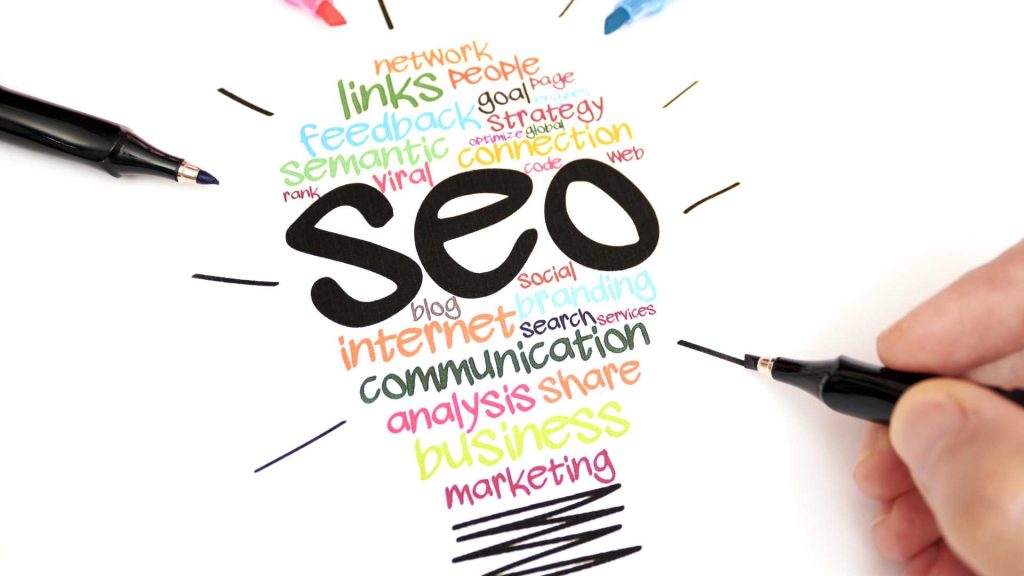
Pinterest is a search engine. That means keyword optimization remains critical.
High-ranking Pinterest content in 2026 includes:
Keyword-rich Pin titles
Descriptive Pin captions
Optimized board names
Long-tail keyword integration
Trend-based seasonal phrases
Instead of targeting broad keywords like “fashion,” successful brands use long-tail keywords such as “sustainable summer fashion trends 2026” or “minimalist capsule wardrobe for women.”
Pinterest Trends tool usage has increased significantly in ecommerce marketing strategies. Brands analyze rising search terms and align product launches with upcoming demand spikes.
For ecommerce businesses, combining Pinterest SEO with Google SEO creates powerful omnichannel visibility.
Video Pins and Short-Form Visual Commerce
Video content continues to dominate digital marketing in 2026, and Pinterest is no exception. Video Pins are outperforming static images in engagement and saves.
Top-performing ecommerce video formats include:
Before-and-after transformations
Product demonstrations
Styling guides
Recipe tutorials
Unboxing experiences
Behind-the-scenes manufacturing processes
Video content builds trust. It reduces uncertainty and increases purchase confidence.
However, unlike entertainment-first platforms, Pinterest video content must remain informative and aesthetically aligned with user search intent. Overly promotional or aggressive ads underperform compared to educational and inspirational content.
Social Commerce and Influencer Integration
Influencer marketing on Pinterest is more strategic in 2026. Rather than short-lived sponsored posts, brands collaborate with creators to produce evergreen, searchable content.
Influencer-generated Idea Pins, styling tutorials, home makeovers, and seasonal buying guides generate long-term traffic. Because Pinterest content has a longer lifespan than Instagram or TikTok posts, influencer partnerships provide sustained ROI.
Micro-influencers with niche audiences often outperform celebrity influencers due to trust and authenticity.
Pinterest creator collaborations now focus on educational value, product storytelling, and seamless product tagging.
Conversion Rate Optimization on Pinterest Traffic
Pinterest traffic behaves differently from paid search or email traffic. It often enters the funnel during the inspiration stage.
To maximize conversion rates in 2026, ecommerce websites must:
Match landing pages to Pin visuals
Maintain consistent branding
Use high-quality product photography
Provide clear pricing and shipping details
Display trust badges and reviews
Offer easy checkout processes
Mobile optimization is critical. Most Pinterest traffic comes from mobile devices, so fast-loading pages and frictionless payment systems are essential.
Retargeting campaigns also play a major role. Users who save or click Pins can be retargeted with Shopping Ads showcasing the same or complementary products.
Data Analytics and Attribution Trends
In 2026, ecommerce brands use multi-touch attribution models to measure Pinterest performance accurately. Because Pinterest influences early-stage research, last-click attribution often underestimates its value.
Key performance indicators include:
Pin saves
Click-through rate
Add-to-cart events
Conversion rate
Revenue per visitor
Customer lifetime value
Advanced analytics tools integrate Pinterest data with ecommerce dashboards, providing deeper insights into customer journeys.
Brands that treat Pinterest as both a discovery engine and a performance channel achieve better long-term growth.
Sustainable and Ethical Shopping Trends
Sustainability is influencing ecommerce purchasing decisions more than ever in 2026. Pinterest users actively search for eco-friendly products, ethical fashion brands, zero-waste packaging, and sustainable home decor ideas.
Ecommerce brands that highlight sustainable sourcing, transparent production, and recyclable packaging perform strongly in Pinterest search results.
Trend-based marketing now includes keywords such as “eco-friendly,” “organic,” “minimal waste,” and “ethical fashion.”
Pinterest Shopping is aligning strongly with conscious consumerism trends.
Global Ecommerce Expansion via Pinterest
Pinterest’s global reach continues to expand. Ecommerce brands targeting international markets localize their boards, keywords, and product descriptions to match regional trends.
Seasonal timing differs by geography. Smart ecommerce brands align campaigns with local holidays, weather patterns, and cultural shopping events.
Localization improves search visibility and engagement.
Future of Pinterest Shopping Beyond 2026
Several innovations are shaping the future of Pinterest ecommerce:
Augmented reality product previews
Virtual try-on features
Enhanced AI personalization
Integrated checkout experiences
Predictive demand forecasting
Advanced trend analytics
As these technologies mature, Pinterest will further reduce friction between inspiration and purchase.
Brands that invest in high-quality visuals, AI-ready imagery, keyword optimization, and trend alignment will dominate Pinterest commerce in the coming years.
2026 Strategic Action Plan for Ecommerce Brands

To succeed on Pinterest in 2026, ecommerce businesses should follow a structured plan:
First, set up a fully optimized Pinterest Business account and verify your website.
Second, sync your product catalog and enable shoppable pins.
Third, conduct keyword research using Pinterest Trends and identify high-intent long-tail phrases.
Fourth, create consistent lifestyle-based content aligned with trending aesthetics.
Fifth, launch Shopping Ads targeting high-converting search terms.
Sixth, implement retargeting campaigns for engaged users.
Seventh, monitor analytics weekly and optimize creative performance.
Consistency, visual quality, and search optimization are the pillars of Pinterest ecommerce success.
Conclusion
Pinterest Shopping Trends for Ecommerce in 2026 reveal one clear truth: Pinterest is no longer optional for serious ecommerce brands. It is a high-intent visual search engine that blends inspiration with conversion.
Buy Now : Ecommerce Website
With AI-powered discovery, shoppable pins, catalog automation, video content, influencer collaborations, and predictive trend insights, Pinterest offers long-term organic traffic and scalable paid growth opportunities.
Ecommerce brands that treat Pinterest as a strategic discovery platform rather than just another social media channel will gain a competitive advantage.
By combining Pinterest SEO, visual optimization, data-driven advertising, and customer-centric landing pages, businesses can generate sustainable ecommerce growth in 2026 and beyond.