Email Automation Guide : Comprehensive Guide 2026
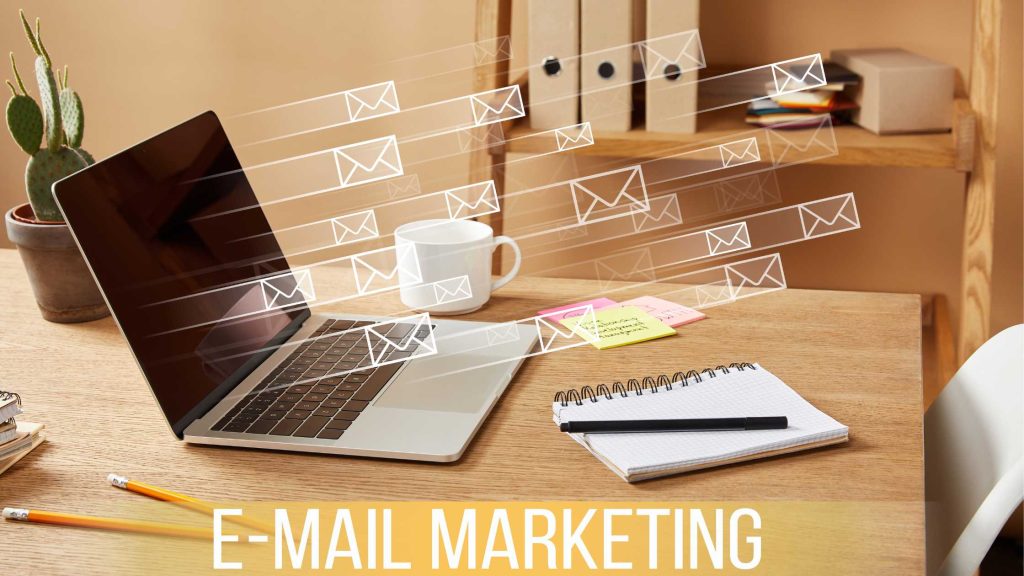
Email Automation Guide : Email automation has become one of the most powerful digital marketing strategies in 2026. Despite the rapid growth of artificial intelligence, social commerce, short-form video content, mobile marketing, and emerging digital channels, email marketing continues to deliver one of the highest returns on investment in the online business world. However, modern email marketing is no longer limited to manually sending newsletters or promotional messages. Today’s businesses rely heavily on email automation systems that deliver personalized, timely, and relevant messages automatically based on customer behavior and interactions.
Table of Contents
The digital economy has become increasingly competitive, and consumers expect businesses to communicate with them in a personalized and meaningful way. Sending the same email to every subscriber is no longer effective. Customers expect tailored experiences that match their interests, preferences, purchase history, and stage in the customer journey. Email automation makes this possible by using technology to send targeted messages at the right time without requiring constant manual effort.
Businesses of all sizes are adopting email automation because it helps improve customer engagement, generate leads, increase sales, nurture prospects, recover abandoned carts, strengthen customer relationships, and improve customer retention. From ecommerce stores and online course creators to software companies, affiliate marketers, consultants, and local businesses, email automation has become a critical component of modern marketing strategies.
Artificial intelligence, predictive analytics, behavioral tracking, advanced segmentation, and hyper-personalization are transforming how email automation works in 2026. Modern systems can analyze customer behavior, predict future actions, optimize send times, personalize content, and automate entire customer journeys. These capabilities allow businesses to communicate more effectively while reducing manual workload and increasing efficiency.
As competition continues increasing across digital markets, businesses that master email automation gain significant advantages. Automated email systems create scalable marketing processes that generate leads, drive conversions, and build customer loyalty around the clock.
This comprehensive guide explores everything about email automation in 2026, including its importance, benefits, setup process, automation workflows, AI integration, customer segmentation, personalization strategies, lead nurturing, ecommerce applications, and future trends.
What is Email Automation?

Email automation is the process of automatically sending emails based on predefined triggers, customer behavior, actions, or schedules.
Instead of manually sending individual emails, businesses create automated workflows that deliver relevant messages automatically.
Examples include:
- Welcome emails
- Abandoned cart emails
- Lead nurturing campaigns
- Product recommendation emails
- Customer retention sequences
Automation allows businesses to communicate consistently and efficiently.
The goal is to deliver the right message to the right person at the right time.
Why Email Automation Matters in 2026
Modern consumers interact with businesses across multiple channels and expect personalized experiences.
Also Read : How to Build an Email List Fast ?
Email automation helps businesses:
- Improve customer engagement
- Increase sales
- Save time
- Scale communication
- Build customer relationships
Manual email marketing becomes difficult as businesses grow.
Automation ensures consistent communication without increasing workload.
In 2026, email automation is becoming essential rather than optional.
Benefits of Email Automation
Email automation offers numerous advantages.
Increased Efficiency
Automation reduces repetitive tasks.
Businesses can create workflows once and allow them to run continuously.
Better Customer Experiences
Customers receive relevant information based on their behavior and interests.
Higher Conversion Rates
Personalized and timely emails often generate better results than generic campaigns.
Improved Lead Nurturing
Automation helps guide prospects through the buying journey.
Stronger Customer Retention
Consistent communication improves loyalty and long-term engagement.
Understanding the Customer Journey
Successful email automation requires understanding the customer journey.
Most customers move through several stages:
Awareness
The customer discovers a brand.
Interest
The customer explores products or services.
Consideration
The customer compares options.
Purchase
The customer makes a buying decision.
Retention
The customer becomes a repeat buyer.
Automation workflows should support customers throughout each stage.
Building an Email List
Email automation begins with building a high-quality subscriber list.
Effective methods include:
- Lead magnets
- Newsletter subscriptions
- Free resources
- Webinars
- Educational content
Businesses should focus on attracting interested subscribers rather than collecting large numbers of unqualified contacts.
A smaller engaged list often performs better than a larger inactive one.
Importance of Lead Magnets
Lead magnets encourage visitors to join email lists.
Popular lead magnets include:
- Ebooks
- Checklists
- Templates
- Guides
- Free courses
Lead magnets provide value while helping businesses generate qualified leads.
They remain one of the most effective list-building strategies.
Customer Segmentation
Segmentation is a critical component of email automation.
Segmentation involves dividing subscribers into groups based on:
- Demographics
- Behavior
- Interests
- Purchase history
Segmentation allows businesses to send more relevant messages.
Relevant emails improve engagement and conversion rates.
Behavioral Email Automation
Behavioral automation uses customer actions as triggers.
Examples include:
- Website visits
- Product views
- Cart abandonment
- Purchases
Behavioral emails are highly effective because they respond directly to customer actions.
This makes communication more relevant and timely.
Welcome Email Sequences
Welcome emails are among the most important automation workflows.
They introduce new subscribers to the brand and set expectations.
Benefits include:
- Building trust
- Increasing engagement
- Educating subscribers
A strong welcome sequence can significantly improve long-term email performance.
Lead Nurturing Campaigns
Many prospects are not ready to buy immediately.
Lead nurturing campaigns help educate and guide potential customers.
These campaigns typically include:
- Educational content
- Case studies
- Success stories
- Product information
Nurturing builds trust and increases the likelihood of future conversions.
Abandoned Cart Automation
Abandoned cart emails remain one of the highest-performing ecommerce automations.
Customers often leave products in carts without completing purchases.
Automation reminders help recover lost sales.
Common abandoned cart strategies include:
- Reminder emails
- Product benefits
- Customer reviews
- Special offers
Recovered carts can significantly increase ecommerce revenue.
Product Recommendation Emails
Recommendation emails use customer data to suggest relevant products.
AI-powered systems analyze:
- Purchase history
- Browsing behavior
- Preferences
Personalized recommendations improve:
- Engagement
- Sales
- Customer satisfaction
Recommendation engines are becoming increasingly sophisticated in 2026.
Artificial Intelligence in Email Automation
Artificial Intelligence is transforming email marketing.
AI helps businesses:
- Personalize content
- Optimize send times
- Predict behavior
- Improve targeting
AI-powered automation improves campaign performance while reducing manual effort.
Modern email marketing increasingly depends on intelligent systems.
Predictive Email Marketing
Predictive marketing uses AI to anticipate customer actions.
AI analyzes historical data to predict:
- Purchase likelihood
- Engagement probability
- Customer interests
Predictive insights allow businesses to send more relevant messages.
This improves conversion rates and customer experiences.
Hyper-Personalization
Personalization has evolved into hyper-personalization.
Instead of simply using customer names, businesses now personalize:
- Product recommendations
- Offers
- Content
- Timing
AI enables large-scale personalization that feels highly individualized.
Consumers increasingly expect these experiences.
Dynamic Email Content
Dynamic content changes automatically based on subscriber information.
Different recipients may see:
- Different products
- Different offers
- Different messages
Dynamic content improves relevance and engagement.
It helps businesses communicate more effectively with diverse audiences.
Ecommerce Email Automation
Ecommerce businesses benefit significantly from automation.
Popular ecommerce workflows include:
- Welcome sequences
- Cart recovery campaigns
- Post-purchase emails
- Re-engagement campaigns
Email automation helps ecommerce stores increase:
- Revenue
- Repeat purchases
- Customer retention
Automation supports the entire customer lifecycle.
Customer Retention Campaigns
Retaining customers is often more profitable than acquiring new ones.
Retention automation includes:
- Loyalty rewards
- Personalized offers
- Product updates
- Customer appreciation emails
Retention campaigns strengthen relationships and encourage repeat business.
Re-Engagement Campaigns
Inactive subscribers can reduce email performance.
Re-engagement campaigns help reconnect with dormant contacts.
Strategies include:
- Special offers
- Personalized messages
- Feedback requests
Re-engagement improves list quality and customer retention.
Email Automation for Online Businesses
Online businesses use automation for:
- Lead generation
- Customer onboarding
- Product launches
- Educational sequences
Automation allows businesses to scale communication without increasing workload.
This is particularly important for digital products and online services.
Email Automation for Affiliate Marketing
Affiliate marketers use automation to:
- Build trust
- Share valuable content
- Recommend products
Educational email sequences often perform better than aggressive promotions.
Automation supports long-term audience relationships.
Email Automation for Online Courses
Course creators use email automation to:
- Onboard students
- Deliver content
- Encourage completion
Automated educational journeys improve learning experiences and student engagement.
Mobile Email Optimization
Most emails are now opened on mobile devices.
Businesses should prioritize:
- Mobile-friendly design
- Fast loading speeds
- Clear calls-to-action
Mobile optimization significantly affects email performance.
Poor mobile experiences can reduce engagement.
Automation Metrics and Analytics
Tracking performance is essential.
Important metrics include:
- Open rates
- Click-through rates
- Conversion rates
- Unsubscribe rates
Analytics help businesses identify strengths and weaknesses.
Data-driven optimization improves long-term results.
Marketing Automation Workflows
Workflows connect multiple automated actions into complete customer journeys.
Examples include:
- Lead nurturing funnels
- Sales sequences
- Customer onboarding systems
Well-designed workflows create seamless customer experiences.
Automation becomes more powerful when workflows work together strategically.
Common Email Automation Mistakes
Businesses often make mistakes such as:
- Over-emailing subscribers
- Poor segmentation
- Generic messaging
- Ignoring analytics
Successful automation requires continuous optimization and customer-focused communication.
Quality always matters more than quantity.
Compliance and Privacy
Privacy remains a critical consideration.
Businesses should:
- Obtain consent
- Respect preferences
- Protect customer data
Trust and transparency are essential for long-term success.
Responsible email practices improve brand reputation.
Future Trends in Email Automation

Several trends are shaping the future of email marketing.
These include:
- Artificial Intelligence
- Predictive analytics
- Hyper-personalization
- Interactive emails
- Automated customer journeys
Future email systems will become increasingly intelligent and customer-centric.
Businesses that adapt early will gain significant advantages.
Building Long-Term Email Success
Long-term success requires:
- Consistent value creation
- Audience understanding
- Continuous testing
- Customer-focused communication
Businesses should prioritize relationships rather than short-term sales.
Strong relationships lead to stronger business results.
Email Automation and Customer Experience
Customer experience is becoming a major competitive advantage.
Email automation contributes through:
- Timely communication
- Relevant content
- Personalized experiences
Customers appreciate brands that understand their needs and communicate effectively.
Positive experiences improve loyalty and retention.
Email Automation Guide – Conclusion
Email automation remains one of the most powerful digital marketing strategies in 2026. As businesses compete for customer attention in increasingly crowded markets, automation provides a scalable and efficient way to build relationships, nurture leads, increase sales, and improve customer retention. Modern email marketing is no longer about sending mass messages. It is about delivering personalized, relevant, and timely communication that aligns with customer behavior and preferences.
Buy Now : Ready Made Digital Store with 100 Products
Artificial Intelligence, predictive analytics, behavioral tracking, advanced segmentation, and hyper-personalization are transforming email automation into a sophisticated marketing engine capable of generating measurable business growth. From welcome sequences and lead nurturing campaigns to cart recovery workflows and customer retention programs, automation supports every stage of the customer journey.
Businesses that invest in email automation gain significant advantages through improved efficiency, stronger customer relationships, higher conversion rates, and better customer experiences. As AI technologies continue evolving, email automation will become even more intelligent, predictive, and personalized.
In 2026 and beyond, email automation remains an essential tool for ecommerce businesses, digital marketers, affiliate marketers, online course creators, consultants, SaaS companies, and entrepreneurs seeking sustainable growth. By combining automation with valuable content, customer-focused strategies, and continuous optimization, businesses can create powerful marketing systems that drive long-term success in the digital economy.
Keywords : Email Automation Guide – Email Automation Guide 2026