Best Ecommerce CRM Tools : Comprehensive Guide 2026
Best Ecommerce CRM Tools : The ecommerce industry has become increasingly customer-centric in 2026. While attracting new customers remains important, successful online businesses now recognize that long-term growth depends heavily on building strong customer relationships, improving customer experiences, increasing customer retention, and maximizing customer lifetime value. As ecommerce competition intensifies and customer acquisition costs continue rising, businesses are investing heavily in Customer Relationship Management (CRM) systems to better understand, engage, and retain customers.
Table of Contents
A Customer Relationship Management (CRM) system is a technology platform designed to help businesses manage customer interactions, organize customer data, automate communication, improve sales processes, and strengthen long-term relationships. For ecommerce businesses, CRM tools provide a centralized system for tracking customer behavior, purchase history, communication preferences, support interactions, loyalty activities, and marketing engagement. This comprehensive customer view enables businesses to deliver personalized experiences that improve satisfaction and profitability.
Modern ecommerce customers expect brands to understand their preferences, anticipate their needs, provide personalized recommendations, and communicate through preferred channels. CRM systems help businesses meet these expectations by collecting and analyzing customer data from multiple touchpoints, including websites, mobile applications, email campaigns, social media platforms, customer service interactions, and purchase histories. Businesses can then use these insights to create targeted marketing campaigns, personalized product recommendations, automated customer journeys, and meaningful customer experiences.
Artificial Intelligence is transforming ecommerce CRM systems. AI-powered CRMs can predict customer behavior, identify purchasing trends, automate customer segmentation, forecast revenue, recommend actions, and personalize communication at scale. These capabilities enable businesses to engage customers more effectively while reducing manual workloads and improving operational efficiency.
The role of CRM systems extends far beyond contact management. Modern ecommerce CRM tools integrate with marketing automation platforms, customer support systems, inventory management software, analytics solutions, loyalty programs, and ecommerce platforms. These integrations create unified customer ecosystems that support data-driven decision-making and seamless customer experiences.
Selecting the right CRM tool can significantly impact business performance. The best ecommerce CRM systems help businesses increase customer retention, improve conversion rates, automate marketing efforts, streamline customer service, and generate valuable insights. As ecommerce operations become increasingly complex, CRM technology has evolved into a strategic necessity rather than a luxury.
This comprehensive guide explores the best ecommerce CRM tools in 2026, their features, benefits, implementation strategies, Artificial Intelligence capabilities, customer retention applications, and future trends shaping customer relationship management.
Understanding Ecommerce CRM

Customer Relationship Management refers to the systems and processes businesses use to manage customer interactions and relationships.
Also Read : Product Page SEO Best Practices : Comprehensive Guide 2026
An ecommerce CRM helps businesses:
- Store customer information
- Track customer behavior
- Improve communication
- Increase customer retention
CRM platforms centralize customer data from multiple sources.
This creates a complete view of customer relationships.
Businesses can make more informed decisions using CRM insights.
Why Ecommerce Businesses Need CRM Tools
Customer relationships directly influence ecommerce success.
CRM systems help businesses understand:
- Customer preferences
- Purchase patterns
- Engagement levels
Benefits include:
- Better personalization
- Increased customer loyalty
- Improved sales performance
- Higher retention rates
CRM tools transform customer data into actionable insights.
Businesses can create more meaningful experiences.
Key Features of Ecommerce CRM Systems
Modern ecommerce CRM platforms offer numerous capabilities.
Important features include:
Customer Data Management
Centralized customer information.
Sales Tracking
Monitoring purchasing activities.
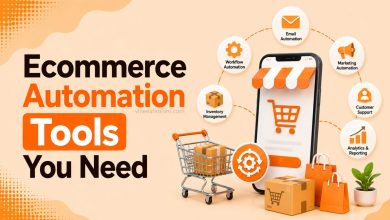
Marketing Automation
Automating campaigns and communications.
Analytics and Reporting
Generating customer insights.
Customer Support Integration
Improving service experiences.
Comprehensive functionality improves operational efficiency.
Artificial Intelligence in Ecommerce CRM

Artificial Intelligence is transforming CRM technology.
AI-powered systems can:
- Predict customer behavior
- Recommend products
- Automate segmentation
- Forecast sales
Benefits of AI CRM
Include:
- Better personalization
- Increased efficiency
- Improved decision-making
AI continues enhancing customer relationship management.
Businesses increasingly rely on intelligent automation.
Customer Segmentation Capabilities
Customer segmentation is a major CRM benefit.
Businesses can group customers based on:
- Purchase history
- Demographics
- Interests
- Engagement levels
Segmentation supports targeted marketing.
Personalized communication improves conversion rates.
Relevant experiences strengthen customer relationships.
Marketing Automation and CRM
Marketing automation is closely connected to CRM systems.
Automation enables:
- Personalized emails
- Customer journeys
- Lead nurturing
Benefits include:
- Time savings
- Consistency
- Scalability
CRM platforms often serve as the foundation for marketing automation.
Integrated systems improve effectiveness.
Email Marketing Integration
Email remains one of the most effective ecommerce marketing channels.
CRM systems help businesses:
- Manage subscriber lists
- Personalize campaigns
- Track engagement
Benefits include:
- Better targeting
- Higher open rates
- Increased conversions
Customer data improves email relevance.
Personalized communication drives stronger results.
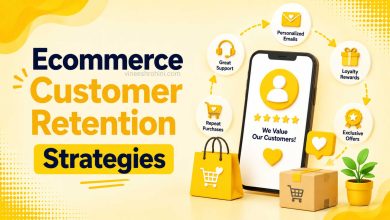
Customer Retention Features
Retention has become a major ecommerce priority.
CRM tools help businesses:
- Identify loyal customers
- Predict churn
- Create retention campaigns
Benefits include:
- Improved loyalty
- Increased lifetime value
- Stronger customer relationships
Retention-focused strategies support sustainable growth.
CRM systems provide valuable insights.
Sales Pipeline Management
Sales management remains important for many ecommerce businesses.
CRM tools help track:
- Leads
- Opportunities
- Customer journeys
Benefits include:
- Better organization
- Improved forecasting
- Increased efficiency
Pipeline visibility improves decision-making.
Businesses can identify growth opportunities more effectively.
Customer Support Integration
Customer service directly impacts retention.
CRM systems often integrate with support platforms.
Benefits include:
- Faster issue resolution
- Better customer experiences
- Unified communication
Support agents gain access to customer histories.
Context improves service quality.
Customer satisfaction often increases.
Analytics and Reporting Tools
Data analysis supports informed decision-making.
CRM platforms provide insights into:
- Customer behavior
- Revenue trends
- Campaign performance
Benefits include:
- Better planning
- Improved optimization
- Increased profitability
Analytics help businesses identify strengths and weaknesses.
Data-driven strategies outperform guesswork.
Omnichannel Customer Management
Customers interact across multiple channels.
Examples include:
- Websites
- Mobile apps
- Social media
CRM systems centralize these interactions.
Benefits include:
- Consistent experiences
- Better visibility
- Improved engagement
Omnichannel strategies strengthen customer relationships.
Unified data improves personalization.
Best CRM Tool Categories for Ecommerce
Different CRM platforms serve different needs.
Common categories include:
Small Business CRM Solutions
Simple and affordable systems.
Enterprise CRM Platforms
Advanced functionality for larger organizations.
AI-Powered CRM Systems
Intelligent automation and predictive analytics.
Marketing-Focused CRM Tools
Strong campaign management capabilities.
Businesses should choose solutions aligned with goals and budgets.
CRM for Customer Personalization
Personalization has become an expectation.
CRM systems support:
- Product recommendations
- Customized offers
- Personalized messaging
Benefits include:
- Higher engagement
- Better conversions
- Improved retention
Customers appreciate relevant experiences.
CRM technology enables personalization at scale.
CRM and Customer Lifetime Value
Customer Lifetime Value measures long-term profitability.
CRM systems help businesses:
- Increase repeat purchases
- Improve retention
- Strengthen loyalty
Higher customer lifetime value supports sustainable growth.
Long-term relationships generate significant revenue.
CRM insights help maximize value.
CRM Automation Features
Automation reduces manual workloads.
Common CRM automations include:
- Email sequences
- Customer follow-ups
- Task reminders
Benefits include:
- Greater efficiency
- Improved consistency
- Better scalability
Automation helps businesses manage larger customer bases.
Operational efficiency improves.
Mobile CRM Capabilities
Mobile access has become increasingly important.
Mobile CRM tools enable teams to:
- Access customer data
- Monitor performance
- Manage communications
Benefits include:
- Greater flexibility
- Faster responses
- Improved productivity
Mobile accessibility supports modern business operations.
Social Media CRM Integration
Social platforms influence customer relationships.
CRM integrations help businesses:
- Track interactions
- Monitor engagement
- Manage communications
Benefits include:
- Better visibility
- Improved responsiveness
- Stronger relationships
Social CRM capabilities continue growing.
Customer engagement becomes easier to manage.
Loyalty Program Integration
Loyalty programs support retention.
CRM systems help businesses manage:
- Rewards programs
- Customer incentives
- Loyalty tracking
Benefits include:
- Increased engagement
- Better retention
- Higher spending
Integrated loyalty management improves customer experiences.
Rewards strengthen relationships.
Predictive Analytics in CRM
Predictive analytics uses customer data to forecast future behavior.
Applications include:
- Churn prediction
- Purchase forecasting
- Customer value analysis
Benefits include:
- Proactive decision-making
- Better retention strategies
- Improved planning
Predictive insights create competitive advantages.
AI enhances forecasting accuracy.
CRM Security and Data Protection
Customer data protection remains essential.
CRM systems should provide:
- Encryption
- Access controls
- Secure storage
Benefits include:
- Regulatory compliance
- Customer trust
- Reduced risks
Security influences customer confidence.
Businesses must prioritize protection.
CRM Implementation Best Practices
Successful implementation requires planning.
Key considerations include:
Clear Objectives
Define desired outcomes.
Team Training
Ensure proper system usage.
Data Quality
Maintain accurate information.
Integration Planning
Connect relevant systems.
Thoughtful implementation improves results.
Preparation supports success.
Common CRM Mistakes

Businesses often encounter challenges.
Common mistakes include:
Poor Data Management
Inaccurate information reduces effectiveness.
Lack of Personalization
Generic experiences limit engagement.
Underutilization
Failing to leverage available features.
Weak Integration
Disconnected systems reduce value.
Avoiding these issues improves performance.
CRM success requires ongoing attention.
Future Trends in Ecommerce CRM
Several trends are shaping CRM evolution.
Artificial Intelligence
AI capabilities will continue expanding.
Hyper-Personalization
Customer experiences will become increasingly customized.
Predictive Customer Journeys
Businesses will anticipate needs more accurately.
Voice and Conversational CRM
Natural interactions will become more common.
Innovation continues transforming customer relationship management.
Choosing the Right CRM for Your Ecommerce Business
Selection depends on several factors.
Businesses should evaluate:
- Budget
- Features
- Scalability
- Integration capabilities
The ideal CRM aligns with business objectives.
Customer needs should guide decisions.
Flexibility supports future growth.
Best Ecommerce CRM Tools – Conclusion
Customer Relationship Management has become one of the most important technologies for ecommerce success in 2026. As customer expectations continue rising and competition intensifies, businesses must focus on creating personalized, engaging, and meaningful customer experiences that encourage loyalty and long-term relationships. CRM systems provide the foundation for achieving these goals by centralizing customer data, automating communication, improving service quality, and delivering actionable insights.
Buy Now : Ecommerce Website
The best ecommerce CRM tools go far beyond simple contact management. Modern platforms integrate sales, marketing, customer support, analytics, loyalty programs, and Artificial Intelligence capabilities into unified ecosystems that support data-driven decision-making. Businesses can better understand customer behavior, anticipate needs, personalize interactions, and maximize customer lifetime value through effective CRM implementation.
Artificial Intelligence is transforming CRM technology by enabling predictive analytics, intelligent segmentation, automated recommendations, churn prediction, and hyper-personalized customer journeys. These capabilities allow businesses to operate more efficiently while strengthening customer relationships and improving retention. AI-powered CRM systems are increasingly becoming essential competitive tools.
As ecommerce continues evolving, future CRM innovations will focus on deeper personalization, predictive customer experiences, conversational interactions, advanced automation, and increasingly intelligent customer engagement strategies. Businesses that embrace these developments will be better positioned to build strong customer relationships and achieve sustainable growth.
Ultimately, CRM is not merely a software solution—it is a strategic approach to understanding, serving, and retaining customers. Ecommerce businesses that invest in the right CRM technologies and prioritize customer relationships can improve loyalty, increase profitability, enhance customer experiences, and create long-term competitive advantages in the rapidly growing digital marketplace of 2026 and beyond.
keywords : Best Ecommerce CRM Tools – Best Ecommerce CRM Tools 2026