Omnichannel Marketing : The Complete Guide to Creating Seamless Customer Experiences in 2026
Omnichannel Marketing : The digital marketplace has transformed how customers discover, research, compare, and purchase products. Today’s consumers interact with brands across multiple channels, including websites, mobile apps, search engines, social media platforms, email, messaging apps, online marketplaces, physical stores, and customer support channels. They expect these interactions to be connected, personalized, and consistent, regardless of where or how they engage with a business. This expectation has made Omnichannel Marketing one of the most important strategies for modern businesses.
Table of Contents
Unlike traditional marketing, where each communication channel operates independently, omnichannel marketing integrates every customer touchpoint into one seamless experience. A customer may first discover a product through G Search, watch product reviews on YT, follow the brand on Instagram, receive personalized email recommendations, chat with customer support through WApp, purchase through a mobile app, and later visit a physical store for assistance. Throughout this journey, the customer expects the brand to recognize previous interactions and provide a consistent experience.
Artificial Intelligence (AI), marketing automation, customer relationship management (CRM) systems, predictive analytics, and first-party data have made omnichannel marketing more powerful than ever. Businesses can now track customer behavior across channels, personalize content in real time, automate communications, and optimize every stage of the customer journey.
Whether you operate an ecommerce business, retail store, SaaS company, healthcare organization, educational institution, financial service, or B2B enterprise, implementing an effective omnichannel marketing strategy can improve customer satisfaction, increase conversions, strengthen loyalty, and drive sustainable business growth.
This comprehensive guide explores omnichannel marketing, its benefits, essential components, implementation strategies, technologies, challenges, best practices, and future trends that will shape customer engagement in 2026 and beyond.
What Is Omnichannel Marketing?

Omnichannel marketing is a customer-centric strategy that integrates all online and offline marketing channels into a unified experience.
Instead of treating each communication channel separately, omnichannel marketing ensures that customer interactions remain connected throughout the entire journey.
Common omnichannel touchpoints include:
- Company website
- Ecommerce store
- Mobile applications
- Email marketing
- SMS marketing
- Social media platforms
- Search engines
- Online advertising
- Physical retail stores
- Customer support
- Live chat
- WApp Business
- Video marketing
- Online marketplaces
- Loyalty programs
Every interaction contributes to a single, continuous customer experience.
Also Read : Brand Signals for SEO : A Comprehensive Guide 2026
Why Omnichannel Marketing Matters
Modern consumers rarely make purchasing decisions through a single interaction.
A typical customer journey may involve:
- Discovering a product through G Search
- Reading blog articles
- Watching YT reviews
- Following the brand on Instagram
- Tapping a FB advertisement
- Receiving personalized emails
- Visiting the website multiple times
- Completing the purchase through a mobile device
- Contacting customer support after delivery
Without integration, these interactions become fragmented.
Omnichannel marketing helps businesses:
- Improve customer experience
- Increase brand consistency
- Generate higher conversion rates
- Strengthen customer loyalty
- Increase customer lifetime value (CLV)
- Improve marketing ROI
- Reduce customer acquisition costs
- Deliver personalized experiences
- Enhance customer satisfaction
Omnichannel vs Multichannel Marketing
Although the terms are often used interchangeably, they are different.
Multichannel Marketing
Multiple communication channels exist but operate independently.
Example:
- Website
- FB
- Physical store
Each channel functions separately with limited data sharing.
Omnichannel Marketing
All channels work together.
Customer information flows across platforms, creating one unified experience.
Example:
A customer adds a product to the shopping cart on a laptop, receives a reminder email, continues browsing through a mobile app, and completes the purchase in a physical store while loyalty points and purchase history remain synchronized.
Benefits of Omnichannel Marketing

Better Customer Experience
Customers enjoy smooth transitions between devices and channels without repeating information.
Increased Customer Loyalty
Consistent experiences build trust and encourage repeat purchases.
Higher Conversion Rates
Personalized interactions across multiple touchpoints increase purchasing decisions.
Stronger Brand Recognition
Consistent messaging reinforces brand identity across every platform.
Better Customer Insights
Businesses gain a complete view of customer behavior and preferences.
Improved Marketing ROI
Integrated campaigns reduce wasted advertising spend and improve efficiency.
Understanding the Omnichannel Customer Journey
An effective omnichannel strategy maps every stage of the customer journey.
Awareness
Potential customers discover the brand through:
- Search engines
- Blog content
- Social media
- Video marketing
- Influencer collaborations
- Online advertisements
Consideration
Customers evaluate products by:
- Reading reviews
- Comparing features
- Downloading guides
- Watching demonstrations
- Speaking with sales representatives
Purchase
Customers complete transactions using:
- Ecommerce websites
- Mobile applications
- Physical stores
- Online marketplaces
The purchase process should be simple, secure, and consistent.
Post-Purchase
Customer engagement continues after the sale.
Activities include:
- Order tracking
- Customer support
- Product tutorials
- Feedback requests
- Warranty registration
Loyalty
Satisfied customers receive:
- Personalized offers
- Loyalty rewards
- Exclusive promotions
- Referral incentives
- Educational content
Customer Data Integration
Customer data forms the foundation of omnichannel marketing.
Businesses collect information from:
- Website analytics
- CRM platforms
- Ecommerce systems
- Mobile apps
- Email campaigns
- Social media
- Customer service
- Loyalty programs
Combining these data sources creates a unified customer profile that supports better personalization and decision-making.
Personalization Across Channels
Customers expect brands to remember their preferences.
Examples include:
- Personalized product recommendations
- Dynamic website content
- Customized email campaigns
- Location-based offers
- AI-powered chat assistance
- Individual loyalty rewards
Relevant experiences increase engagement and customer satisfaction.
Artificial Intelligence in Omnichannel Marketing
AI enhances omnichannel marketing by automating personalization and improving customer insights.
Common AI applications include:
- Predictive analytics
- Product recommendations
- Customer segmentation
- Chatbots
- Dynamic pricing
- Automated email campaigns
- Behavioral targeting
- Customer lifetime value prediction
AI enables businesses to respond to customer needs in real time.
Marketing Automation
Automation connects every stage of the customer journey.
Common workflows include:
- Welcome email sequences
- Cart abandonment reminders
- Re-engagement campaigns
- Product recommendations
- Birthday rewards
- Subscription renewals
- Customer feedback surveys
Automation improves efficiency while maintaining personalization.
Buy Now : Ready Made Digital Store with 100 Products
Content Strategy for Omnichannel Marketing
Consistent, high-quality content supports every touchpoint.
Effective content formats include:
- Blog articles
- Videos
- Podcasts
- Webinars
- Infographics
- E-books
- Product demonstrations
- Case studies
Repurposing content across channels helps maintain consistency and maximize reach.
Social Media Integration
Social platforms play a vital role in omnichannel experiences.
Businesses should:
- Share valuable content
- Respond promptly to customer inquiries
- Encourage user-generated content
- Run targeted advertising campaigns
- Build active online communities
Social engagement often influences purchasing decisions.
Email Marketing
Email remains one of the highest-performing omnichannel channels.
Successful campaigns include:
- Welcome emails
- Personalized recommendations
- Promotional offers
- Educational newsletters
- Order updates
- Customer retention campaigns
Segmentation and automation improve relevance and engagement.
Mobile Optimization
Most customers interact with brands through mobile devices.
Optimize:
- Responsive website design
- Fast page loading
- Mobile-friendly navigation
- Mobile payment options
- App usability
- Push notifications
A seamless mobile experience is essential.
Customer Support Integration
Excellent support strengthens customer relationships.
Offer support through:
- Live chat
- Phone
- Social media
- Messaging apps
- Knowledge bases
Agents should have access to customer history to provide faster and more personalized assistance.
Measuring Omnichannel Success
Monitor key performance indicators such as:
- Customer Lifetime Value (CLV)
- Customer Retention Rate
- Conversion Rate
- Average Order Value (AOV)
- Net Promoter Score (NPS)
- Customer Satisfaction Score (CSAT)
- Return on Ad Spend (ROAS)
- Engagement Rate
- Email Open Rate
- Website Traffic
Regular analysis helps optimize campaigns and customer experiences.
Common Omnichannel Marketing Challenges
Businesses often face:
- Data silos
- Inconsistent messaging
- Technology integration issues
- Privacy compliance
- Personalization at scale
- Legacy systems
- Limited customer insights
- Organizational alignment
Addressing these challenges requires collaboration, modern technology, and continuous optimization.
Best Practices for Omnichannel Marketing
- Understand the complete customer journey.
- Maintain consistent branding.
- Integrate customer data across platforms.
- Personalize communications responsibly.
- Invest in marketing automation.
- Optimize for mobile users.
- Train customer support teams.
- Continuously analyze performance metrics.
- Test and refine campaigns.
- Prioritize customer experience over channel-specific goals.
Future Trends in Omnichannel Marketing
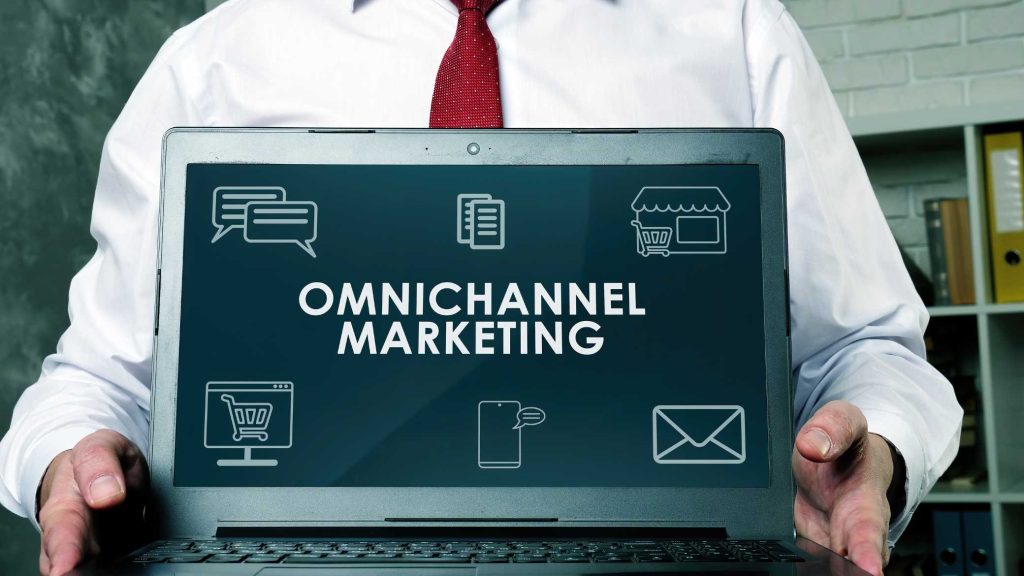
The future of omnichannel marketing will be shaped by:
- AI-powered personalization
- Predictive customer journeys
- Voice search integration
- Visual and image-based search
- First-party data strategies
- Privacy-first marketing
- Real-time customer analytics
- Augmented Reality (AR) shopping experiences
- Connected devices and Internet of Things (IoT)
- Hyper-personalized customer experiences
Businesses that embrace these innovations will remain competitive as customer expectations continue to evolve.
Conclusion
Omnichannel marketing has become a critical strategy for businesses seeking to deliver seamless, personalized, and consistent customer experiences across every touchpoint. As consumers interact with brands through websites, mobile apps, social media, email, messaging platforms, and physical locations, they expect every interaction to feel connected and relevant. Meeting these expectations requires more than simply being present on multiple channels—it demands true integration of data, technology, content, and customer service.
By combining customer relationship management systems, marketing automation, Artificial Intelligence, predictive analytics, and first-party data, organizations can create unified customer journeys that improve engagement, increase conversion rates, strengthen loyalty, and maximize customer lifetime value. Businesses that continuously analyze customer behavior, personalize communications, optimize each touchpoint, and maintain consistent brand messaging will build stronger relationships and outperform competitors.
Buy Now : Ready Made Digital Store with 100 Products
As AI-driven personalization, privacy-focused marketing, voice search, and connected digital ecosystems continue to evolve, omnichannel marketing will become even more essential. Organizations that invest in integrated customer experiences today will be better positioned to achieve sustainable growth, enhance brand trust, and thrive in the rapidly changing digital marketplace throughout 2026 and beyond.