Cookieless Marketing in 2026 : The Ultimate Guide to Privacy-First Digital Marketing Success
Cookieless Marketing : The digital marketing industry is undergoing one of the most significant transformations in its history. For years, marketers relied heavily on third-party cookies to understand user behavior, track website visitors across multiple domains, personalize advertisements, and measure campaign effectiveness. While this approach enabled businesses to deliver highly targeted advertising experiences, it also raised serious concerns about user privacy, data security, and transparency.
Table of Contents
Today, consumers are becoming increasingly aware of how their personal information is collected and used online. Governments worldwide have responded by introducing stricter privacy regulations, while major web browsers are gradually eliminating support for third-party cookies. These changes have forced marketers to rethink traditional advertising strategies and adopt privacy-focused alternatives.
This shift has given rise to Cookieless Marketing, a modern digital marketing approach that emphasizes ethical data collection, customer trust, transparency, and privacy-first personalization. Rather than depending on third-party tracking technologies, businesses now focus on building direct relationships with customers through first-party data, contextual advertising, consent-based interactions, and artificial intelligence.
Cookieless Marketing is not simply a replacement for cookies—it represents a complete evolution in how businesses understand, engage, and retain customers. Organizations that embrace this transition early will be better positioned to build stronger customer relationships, improve marketing performance, comply with privacy regulations, and achieve sustainable long-term growth.
In this comprehensive guide, you’ll learn what Cookieless Marketing is, why it matters in 2026, its benefits, challenges, and the strategies your business needs to succeed in a privacy-first digital landscape.
What Is Cookieless Marketing?

Cookieless Marketing refers to a digital marketing strategy that does not rely on third-party cookies to track users across websites. Instead, businesses use ethical and privacy-compliant methods to collect customer insights, personalize experiences, and optimize marketing campaigns.
Rather than following users across the internet, Cookieless Marketing focuses on building meaningful customer relationships through direct engagement and transparent data collection. Businesses gather information from customer interactions on their own websites, mobile applications, email campaigns, loyalty programs, surveys, and CRM systems.
This approach ensures that businesses maintain valuable customer insights while respecting user privacy and complying with modern data protection regulations.
Key technologies used in Cookieless Marketing include:
- First-party data collection
- Zero-party data
- Contextual advertising
- Customer Data Platforms (CDPs)
- AI-powered personalization
- Predictive analytics
- Server-side tracking
- Consent Management Platforms (CMPs)
Together, these technologies create a sustainable digital marketing ecosystem that balances personalization with privacy.
Understanding Third-Party Cookies
To appreciate the importance of Cookieless Marketing, it’s essential to understand the role that third-party cookies have played in digital advertising.
A third-party cookie is a small piece of data stored in a user’s browser by a domain other than the website they are currently visiting. Advertising networks and tracking platforms use these cookies to monitor user behavior across multiple websites, enabling audience segmentation, retargeting, and personalized advertising.
For example, if a user browses a travel website for vacation packages and later sees advertisements for those destinations while reading news or shopping online, third-party cookies are often responsible for that personalized advertising experience.
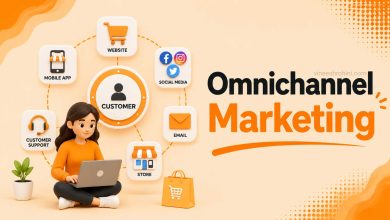
Also Read : Omnichannel Marketing : The Complete Guide to Creating Seamless Customer Experiences in 2026
While this technology has helped businesses improve ad targeting and conversion rates, it has also led to increasing concerns about user privacy, data ownership, and online surveillance. Many consumers are uncomfortable with being tracked across websites without fully understanding how their information is being collected or shared.
As a result, governments, technology companies, and consumers have pushed for a more transparent and privacy-focused internet.
Why Third-Party Cookies Are Disappearing
The decline of third-party cookies is driven by several interconnected factors that are reshaping the future of digital marketing.
1. Growing Consumer Privacy Awareness
Internet users today are far more informed about digital privacy than they were a decade ago. People expect businesses to explain how their data is collected, stored, and used. Brands that fail to prioritize transparency risk losing customer trust and loyalty.
2. Stricter Data Protection Regulations
Privacy regulations such as the General Data Protection Regulation (GDPR), California Consumer Privacy Act (CCPA), and similar laws worldwide require businesses to obtain clear user consent before collecting personal information. These regulations have significantly changed how organizations manage customer data.
3. Browser-Level Restrictions
Leading browsers have introduced features that block or limit third-party cookies by default. This reduces the effectiveness of traditional cross-site tracking and encourages marketers to adopt privacy-friendly alternatives.
4. Increased Focus on Customer Trust
Trust has become a competitive advantage. Consumers are more likely to engage with brands that respect their privacy, communicate openly about data practices, and provide meaningful value in exchange for information.
5. Shift Toward Ethical Marketing
Modern businesses increasingly recognize that long-term customer relationships are built on transparency rather than intrusive tracking. Ethical marketing practices improve brand reputation and strengthen customer loyalty.
How Cookieless Marketing Works
Cookieless Marketing replaces third-party tracking with customer-centric strategies that focus on direct engagement and privacy-compliant data collection.
Instead of monitoring users across multiple websites, businesses collect information from interactions that occur within their own digital ecosystem. This includes website visits, product purchases, email engagement, mobile app usage, customer service interactions, loyalty programs, and survey responses.
Artificial intelligence and machine learning analyze this first-party data to generate valuable insights without compromising user privacy. These insights help businesses deliver personalized recommendations, optimize marketing campaigns, and improve customer experiences.
For example, an online retailer can recommend products based on a customer’s previous purchases, browsing history on its own website, and stated preferences rather than relying on cross-site tracking.
This approach not only respects privacy but also produces higher-quality data because it comes directly from customer interactions.
Core Components of Cookieless Marketing
Successful Cookieless Marketing relies on several foundational components that work together to deliver personalized experiences while maintaining customer trust.
First-Party Data
First-party data is information collected directly from customers through your own digital properties, including websites, mobile applications, email campaigns, CRM systems, and purchase histories. Because this data comes directly from your audience, it is highly accurate and reliable.
Zero-Party Data
Zero-party data refers to information that customers intentionally and proactively share with a business. This may include communication preferences, product interests, survey responses, or account settings. Since customers voluntarily provide this information, it is one of the most trustworthy forms of data available.
Contextual Advertising
Contextual advertising targets users based on the content they are currently viewing rather than their browsing history. For example, an advertisement for fitness equipment displayed on a health and wellness blog is contextually relevant without requiring user tracking.
Artificial Intelligence
AI helps marketers analyze customer behavior, predict future actions, segment audiences, automate personalization, and optimize campaigns using privacy-compliant data sources.
Customer Data Platforms (CDPs)
CDPs centralize customer information from multiple touchpoints into a unified profile, enabling businesses to deliver consistent experiences across websites, email, social media, and mobile applications.
Benefits of Cookieless Marketing

Transitioning to Cookieless Marketing offers several long-term advantages for businesses of all sizes.
Improved Customer Trust
Respecting customer privacy builds stronger relationships and encourages long-term loyalty.
Higher Data Accuracy
First-party and zero-party data are generally more reliable than third-party data because they come directly from customers.
Better Compliance
Privacy-first marketing strategies simplify compliance with global data protection regulations.
Enhanced Brand Reputation
Consumers increasingly prefer brands that demonstrate ethical and transparent data practices.
Sustainable Marketing Performance
By focusing on direct customer relationships rather than third-party tracking, businesses create a more resilient marketing strategy that is less vulnerable to browser or regulatory changes.
Challenges Businesses Face
While Cookieless Marketing offers many benefits, organizations must also overcome several challenges during the transition.
- Reduced cross-site tracking capabilities
- More complex campaign attribution
- Increased investment in data infrastructure
- Greater reliance on customer consent
- Need for new marketing technologies
- Training teams on privacy-first strategies
- Integrating multiple data sources effectively
Despite these challenges, businesses that adapt early will gain a significant competitive advantage as privacy expectations continue to evolve.
Building a Strong First-Party Data Strategy
First-party data has become the foundation of modern digital marketing. Unlike third-party cookies, first-party data is collected directly from users who interact with your website, mobile application, CRM, email campaigns, or customer support channels. Since customers willingly engage with your brand, this information is generally more accurate, reliable, and privacy-compliant.
A successful first-party data strategy begins with understanding the customer journey. Every interaction—from visiting a landing page to completing a purchase—provides valuable insights that help businesses create personalized experiences.
Ways to Collect First-Party Data
- Website registration forms
- Newsletter subscriptions
- Product purchases
- Customer accounts
- Mobile applications
- Loyalty programs
- Live chat conversations
- Customer support tickets
- Webinar registrations
- Downloadable resources
- Event registrations
- Product reviews
Businesses should collect only the information they genuinely need and clearly explain why it is being requested. Transparency improves trust and increases the likelihood that customers will willingly share their information.
Best Practices
- Use simple registration forms.
- Clearly explain how data will be used.
- Request consent before collecting personal information.
- Regularly update customer preferences.
- Protect customer data with strong security measures.
Understanding Zero-Party Data
Zero-party data is information that customers intentionally provide to businesses. Unlike first-party data, which is collected through user behavior, zero-party data is actively shared by customers.
Examples include:
- Favorite product categories
- Shopping preferences
- Communication preferences
- Budget range
- Birthday information
- Product interests
- Survey responses
- Personal goals
Because customers voluntarily provide this information, zero-party data is one of the most valuable assets in Cookieless Marketing.
Benefits of Zero-Party Data
- Extremely accurate customer insights
- Better personalization
- Higher customer trust
- Improved marketing performance
- Greater compliance with privacy regulations
How to Collect Zero-Party Data
Businesses can collect zero-party data through:
- Interactive quizzes
- Preference centers
- Customer surveys
- Polls
- Product recommendation tools
- Account setup questions
- Personalized onboarding experiences
The key is offering value in exchange for information, such as personalized recommendations, discounts, or exclusive content.
Contextual Advertising: The Future of Digital Advertising
Contextual advertising is rapidly replacing behavioral advertising in the cookieless era.
Instead of tracking users across multiple websites, contextual advertising analyzes the content of a webpage and displays advertisements that are relevant to that content.
For example:
- A travel insurance advertisement on a travel blog
- Fitness equipment ads on a health website
- Laptop advertisements on technology news sites
- Home loan advertisements on real estate websites
Since contextual advertising doesn’t rely on personal user data, it respects privacy while maintaining advertising relevance.
Advantages of Contextual Advertising
- No third-party cookies required
- Privacy-friendly
- Higher relevance
- Improved brand safety
- Better regulatory compliance
- Reduced dependence on user tracking
Modern AI-powered contextual targeting can even understand page sentiment, keywords, images, and user intent, making it significantly more sophisticated than earlier contextual advertising systems.
Buy Now : Ready Made Digital Store with 100 Products
The Role of Artificial Intelligence in Cookieless Marketing
Artificial Intelligence (AI) has become one of the most important technologies enabling cookieless marketing.
AI analyzes customer behavior using first-party data rather than third-party cookies. Machine learning algorithms identify patterns, predict customer actions, and automate personalized marketing experiences.
AI Applications
- Customer segmentation
- Predictive analytics
- Product recommendations
- Email personalization
- Dynamic website content
- Marketing automation
- Chatbots
- Lead scoring
- Customer lifetime value prediction
- Sales forecasting
For example, an e-commerce store can recommend products based on purchase history and browsing activity within its own website without needing to track users across the internet.
Customer Data Platforms (CDPs)
A Customer Data Platform (CDP) collects customer information from multiple touchpoints and creates a unified customer profile.
Instead of storing data in separate systems, a CDP combines information from:
- CRM software
- Email marketing platforms
- Website analytics
- Mobile apps
- Customer service
- Point-of-sale systems
- Social media interactions
This unified customer profile enables marketers to deliver highly personalized experiences while maintaining compliance with privacy regulations.
Benefits of CDPs
- Centralized customer information
- Better personalization
- Improved customer segmentation
- Real-time insights
- Enhanced campaign performance
- Better customer journey mapping
As organizations continue moving toward cookieless marketing, Customer Data Platforms are becoming an essential technology investment.
Server-Side Tracking
Traditional analytics relied heavily on browser-based tracking. However, browser restrictions have reduced the effectiveness of client-side tracking.
Server-side tracking offers an alternative.
Instead of collecting data through the user’s browser, information is processed on secure servers before being shared with analytics platforms.
Advantages
- Improved data accuracy
- Better security
- Faster website performance
- Reduced data loss
- Better compliance
- Increased control over customer information
Many businesses are adopting server-side tagging solutions to improve measurement while respecting customer privacy.
Email Marketing in a Cookieless World
Email marketing remains one of the most effective digital marketing channels because it relies on first-party relationships rather than third-party tracking.
Subscribers voluntarily provide their email addresses, allowing businesses to communicate directly with interested audiences.
Strategies for Success
- Personalized newsletters
- Behavioral email automation
- Product recommendations
- Customer onboarding
- Re-engagement campaigns
- Educational content
- Loyalty rewards
- Transactional emails
Combining email marketing with first-party data enables businesses to maintain strong customer relationships without relying on cookies.
Personalization Without Third-Party Cookies
Many marketers assume personalization disappears without cookies.
In reality, personalization becomes even more meaningful because it relies on genuine customer relationships.
Businesses can personalize experiences using:
- Purchase history
- Website activity
- Account preferences
- Customer location
- Device type
- Email engagement
- Product interests
- Loyalty status
- Survey responses
This creates personalized experiences based on customer consent rather than hidden tracking.
Measurement and Attribution in Cookieless Marketing
One of the biggest concerns surrounding cookieless marketing is campaign measurement.
Fortunately, several privacy-friendly attribution methods are available.
Alternative Measurement Methods
- First-party analytics
- Server-side analytics
- Conversion modeling
- Incrementality testing
- Marketing Mix Modeling (MMM)
- Media attribution
- Customer surveys
- CRM reporting
Instead of relying solely on individual user tracking, marketers increasingly use aggregated data and predictive models to evaluate campaign performance.
G Privacy Sandbox
G‘s Privacy Sandbox is a collection of technologies designed to support digital advertising while protecting user privacy.
Its primary goals include:
- Reducing cross-site tracking
- Supporting relevant advertising
- Improving privacy
- Protecting user identity
- Enabling measurement without individual tracking
Although the ecosystem continues to evolve, marketers should understand Privacy Sandbox technologies as part of their long-term cookieless strategy.
Building Customer Trust Through Transparency
Trust has become one of the most valuable marketing assets.
Businesses should clearly communicate:
- What information they collect
- Why they collect it
- How long data is stored
- Who can access the data
- Customer rights
- Data deletion options
Transparent privacy policies, consent management, and honest communication help strengthen long-term customer relationships.
Real-World Example: E-commerce Business
Imagine an online fashion retailer transitioning to cookieless marketing.
Instead of relying on third-party advertising networks, the retailer:
- Encourages account creation.
- Collects email subscriptions.
- Offers style preference quizzes.
- Tracks on-site browsing behavior.
- Uses AI for product recommendations.
- Sends personalized email campaigns.
- Rewards loyalty members.
The result is better personalization, stronger customer loyalty, and improved compliance with privacy regulations—all without third-party cookies.
Real-World Example: SaaS Company
A software company generates leads through downloadable eBooks and webinars.
Using first-party data, it segments prospects based on:
- Industry
- Company size
- Product interest
- Demo requests
- Email engagement
Marketing automation then delivers personalized educational content, helping nurture leads until they are ready to purchase.
This strategy eliminates dependence on third-party tracking while improving conversion rates.
Future Trends in Cookieless Marketing

The evolution of digital marketing is accelerating, and businesses that embrace privacy-first strategies today will be better prepared for tomorrow. As technology advances and privacy expectations continue to rise, Cookieless Marketing will become the standard rather than the exception.
Below are some of the most important trends expected to shape the future of digital marketing.
1. Greater Reliance on Artificial Intelligence
Artificial Intelligence will continue to improve customer segmentation, predictive analytics, and content personalization using first-party data. AI will help businesses understand customer intent, recommend relevant products, optimize advertising campaigns, and automate marketing workflows without relying on invasive tracking methods.
2. Growth of First-Party Data Ecosystems
Organizations will invest more heavily in Customer Relationship Management (CRM) systems, Customer Data Platforms (CDPs), and loyalty programs to build comprehensive first-party data ecosystems. Businesses that own their customer data will have a significant competitive advantage.
3. Increased Adoption of Contextual Advertising
Contextual advertising will become even more sophisticated. AI-powered contextual engines will analyze webpage content, user intent, images, videos, and sentiment to deliver highly relevant advertisements while preserving user privacy.
4. Privacy-Enhancing Technologies
New privacy-focused technologies, including secure data clean rooms, differential privacy, and advanced encryption techniques, will allow organizations to analyze customer behavior while minimizing exposure of personal information.
5. Stronger Global Privacy Regulations
Governments worldwide are expected to introduce additional privacy legislation. Businesses that build compliance into their marketing strategies today will be better prepared for future regulatory changes.
Best Tools for Cookieless Marketing
Successfully transitioning to Cookieless Marketing requires the right technology stack. While the exact tools will vary depending on your business size and goals, the following categories are essential.
Customer Data Platforms (CDPs)
These platforms centralize customer information from multiple sources and create unified customer profiles for better personalization.
Customer Relationship Management (CRM) Systems
CRM software helps businesses manage customer interactions, sales pipelines, and marketing campaigns using first-party data.
Consent Management Platforms (CMPs)
CMPs help organizations collect, manage, and document user consent in compliance with privacy regulations.
Marketing Automation Platforms
Automation tools deliver personalized email campaigns, customer journeys, lead nurturing, and behavioral messaging using consent-based data.
Analytics Platforms
Modern analytics solutions provide privacy-friendly insights into website traffic, user engagement, conversions, and customer behavior without relying exclusively on third-party cookies.
Server-Side Tag Management
Server-side tracking improves data accuracy, website performance, and control over customer information while reducing reliance on browser-based tracking.
Buy Now : Ready Made Digital Store with 100 Products
Common Mistakes to Avoid
Transitioning to Cookieless Marketing requires careful planning. Many businesses make avoidable mistakes that reduce the effectiveness of their privacy-first strategies.
1. Delaying the Transition
Waiting until third-party cookies disappear completely can leave businesses unprepared. Start building first-party data capabilities as early as possible.
2. Collecting Excessive Data
Only request information that provides genuine value to both the customer and your business. Collecting unnecessary data increases privacy risks and may discourage users from engaging with your brand.
3. Ignoring Customer Consent
Always obtain clear and informed consent before collecting or processing personal information. Transparent consent practices are essential for building trust.
4. Neglecting Data Security
Customer trust depends on protecting personal information. Invest in secure storage, encryption, access controls, and regular security audits.
5. Overlooking Data Quality
Accurate and up-to-date customer data is far more valuable than large quantities of outdated or incomplete information. Regularly review and maintain your databases.
6. Focusing Only on Technology
Technology alone cannot guarantee success. Train your marketing teams on privacy regulations, ethical data practices, and customer-centric marketing strategies.
Step-by-Step Migration Checklist
Businesses preparing for a cookieless future can use the following roadmap:
- Audit your current use of third-party cookies.
- Identify opportunities to collect first-party and zero-party data.
- Update privacy policies and consent mechanisms.
- Implement a Customer Data Platform (CDP).
- Strengthen CRM integration.
- Invest in marketing automation.
- Introduce contextual advertising campaigns.
- Adopt server-side tracking where appropriate.
- Improve website analytics using privacy-friendly solutions.
- Train marketing and sales teams on privacy-first practices.
- Continuously monitor campaign performance and optimize based on first-party insights.
Following these steps will help organizations transition smoothly while maintaining customer trust and marketing effectiveness.
Frequently Asked Questions (FAQs)
1. What is Cookieless Marketing?
Cookieless Marketing is a privacy-first approach to digital marketing that avoids reliance on third-party cookies. Instead, it uses first-party data, zero-party data, contextual advertising, artificial intelligence, and consent-based interactions to deliver personalized customer experiences.
2. Why are third-party cookies being phased out?
Third-party cookies are disappearing due to increasing privacy concerns, stricter data protection regulations, and browser-level restrictions designed to give users greater control over their personal information.
3. What is first-party data?
First-party data is information collected directly from customers through your own digital channels, such as websites, mobile apps, email campaigns, CRM systems, and purchase histories.
4. What is zero-party data?
Zero-party data is information that customers intentionally provide, such as communication preferences, interests, survey responses, or product preferences.
5. Is personalization still possible without cookies?
Yes. Businesses can personalize experiences using first-party data, purchase history, customer preferences, website interactions, loyalty programs, and AI-powered analytics without relying on third-party tracking.
6. Is contextual advertising effective?
Yes. Modern contextual advertising uses artificial intelligence to analyze webpage content and user intent, delivering relevant advertisements without tracking users across websites.
7. What technologies support Cookieless Marketing?
Common technologies include Customer Data Platforms (CDPs), CRM systems, Consent Management Platforms (CMPs), server-side tracking, marketing automation platforms, AI-powered analytics, and contextual advertising solutions.
8. Is Cookieless Marketing suitable for small businesses?
Absolutely. Small businesses can start by building email lists, collecting first-party data, implementing transparent consent practices, and using affordable CRM and marketing automation tools.
9. How does Cookieless Marketing improve customer trust?
By being transparent about data collection, respecting user privacy, obtaining consent, and providing value in exchange for information, businesses can build stronger and more trustworthy relationships with customers.
10. What is the future of Cookieless Marketing?
Cookieless Marketing will continue to evolve with advancements in AI, privacy-enhancing technologies, first-party data strategies, and contextual advertising, making it a cornerstone of modern digital marketing.
Conclusion

Cookieless Marketing represents a significant shift in how businesses engage with customers in the digital age. Rather than relying on third-party cookies and cross-site tracking, organizations are embracing privacy-first strategies that prioritize transparency, trust, and meaningful customer relationships.
By investing in first-party data collection, encouraging customers to share zero-party data, leveraging contextual advertising, implementing Customer Data Platforms, and using AI-powered insights, businesses can continue delivering highly personalized experiences while respecting user privacy.
Although transitioning to a cookieless future requires planning, technology investments, and organizational change, the long-term benefits far outweigh the challenges. Companies that adopt ethical data practices today will be better positioned to comply with evolving regulations, strengthen customer loyalty, and remain competitive in an increasingly privacy-conscious marketplace.
As digital marketing continues to evolve beyond 2026, success will belong to brands that place customer trust at the center of every interaction. Cookieless Marketing is not simply a response to changing technology—it is the foundation of a more sustainable, transparent, and customer-focused future for digital marketing.
Buy Now : Ready Made Digital Store with 100 Products
The future of digital marketing is built on trust rather than tracking. Businesses that prioritize ethical data collection, invest in first-party relationships, and embrace privacy-first technologies will be well-equipped to thrive in the cookieless era. By starting your transition today, you can create stronger customer connections, improve campaign performance, and ensure your marketing strategy remains resilient for years to come.
Disclaimer: This article is intended for educational and informational purposes only. Digital marketing technologies, browser policies, and privacy regulations continue to evolve. Always review the latest platform guidelines and applicable legal requirements before implementing any marketing strategy to ensure compliance and effectiveness.