How to Pay Off Debt Faster Without Extra Income : Comprehensive Guide 2026
How to Pay Off Debt Faster : Debt has become a common financial challenge for millions of people worldwide. Whether it’s credit card balances, personal loans, student loans, medical bills, or vehicle financing, carrying debt can create financial stress and limit your ability to save, invest, or achieve long-term financial goals. While many financial experts recommend earning additional income to accelerate debt repayment, that isn’t always possible. The good news is that you can still pay off debt faster without taking on a second job or starting a side hustle.
In 2026, effective debt management is less about how much you earn and more about how wisely you use your existing income. By creating a strategic repayment plan, reducing unnecessary expenses, negotiating with lenders, and improving your financial habits, you can significantly reduce your debt burden without increasing your monthly earnings.
This comprehensive guide explains practical, proven, and realistic strategies to help you eliminate debt faster using the income you already have. Whether you’re just starting your debt-free journey or looking for ways to speed up your progress, these methods can help you regain financial control and build a stronger future.
Understand Your Complete Debt Situation

The first step toward becoming debt-free is knowing exactly what you owe. Many people avoid looking at their total debt because it feels overwhelming, but understanding your financial picture gives you clarity and helps you make informed decisions.
Create a complete list of all your debts, including:
- Credit cards
- Personal loans
- Auto loans
- Student loans
- Medical bills
- Buy Now, Pay Later (BNPL) balances
- Any outstanding family or personal loans
For each debt, record:
- Outstanding balance
- Interest rate
- Minimum monthly payment
- Due date
- Remaining loan tenure
Once everything is organized, you can prioritize repayments more effectively.
Also Read : Personal Loan Tips
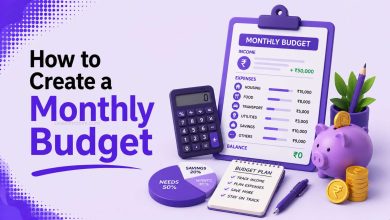
Create a Realistic Monthly Budget
A well-planned budget is one of the most powerful tools for paying off debt faster. Instead of wondering where your money goes each month, assign every rupee or dollar a specific purpose.
Separate your expenses into categories:
- Essential living expenses
- Loan repayments
- Savings
- Transportation
- Utilities
- Groceries
- Insurance
- Entertainment
- Dining out
- Shopping
Review your spending over the last three months to identify unnecessary expenses that can be redirected toward debt repayment.
Budgeting doesn’t mean eliminating everything you enjoy—it means making intentional spending decisions.
Prioritize High-Interest Debt
High-interest debt grows quickly and costs significantly more over time. Credit cards often have some of the highest interest rates, making them a priority.
One effective strategy is the Debt Avalanche Method, where you:
- Continue making minimum payments on all debts.
- Direct any extra available money toward the debt with the highest interest rate.
- Once that debt is paid off, roll its payment into the next highest-interest debt.
This approach minimizes the total interest you pay and helps eliminate debt more efficiently.
Consider the Debt Snowball Method
If staying motivated is your biggest challenge, the Debt Snowball Method may work better.
With this strategy:
- Pay minimum payments on all debts.
- Focus on paying off the smallest balance first.
- Once it’s cleared, apply that payment to the next smallest debt.
Seeing debts disappear quickly creates psychological momentum, helping many people stay committed to becoming debt-free.
Cut Small Expenses That Add Up

You don’t need dramatic lifestyle changes to free up money for debt repayment. Small daily expenses often add up to a significant amount over the course of a year.
Consider reducing:
- Daily coffee purchases
- Food delivery
- Streaming subscriptions you rarely use
- Impulse online shopping
- Premium memberships
- Frequent dining out
Redirecting even modest monthly savings toward debt can shorten repayment timelines considerably.
Avoid Taking on New Debt
One of the biggest obstacles to paying off existing debt is continuing to borrow more.
During your repayment journey:
- Avoid unnecessary credit card purchases.
- Delay major discretionary purchases.
- Resist impulse financing offers.
- Use cash or debit cards whenever possible.
- Build a habit of purchasing only what you can afford.
Breaking the borrowing cycle is essential for long-term financial stability.
Automate Your Loan Payments
Late payments often result in additional fees and higher interest costs.
Set up automatic payments for:
- Credit cards
- Personal loans
- Student loans
- Utility bills
Automation helps you:
- Avoid missed payments
- Protect your credit score
- Reduce financial stress
- Maintain consistent repayment progress
Even if you make only the minimum payment automatically, you can always add extra payments whenever your budget allows.
Negotiate Lower Interest Rates
Many borrowers never realize that lenders may be willing to reduce interest rates for customers with a good repayment history.
Contact your lender and ask about:
- Lower interest rates
- Reduced annual fees
- Temporary hardship programs
- Loan restructuring
- Flexible repayment plans
Even a small reduction in your interest rate can save a substantial amount over the life of the loan.
Make Payments More Frequently
Instead of making one monthly payment, consider splitting it into biweekly payments if your lender allows.
Benefits include:
- Reduced outstanding principal sooner
- Lower interest accumulation
- Easier budgeting
- Faster loan repayment in many cases
This simple adjustment can help accelerate debt reduction without increasing your income.
Use Windfalls Wisely
Although this guide focuses on paying off debt without extra income, occasional financial windfalls should be used strategically.
Examples include:
- Tax refunds
- Work bonuses
- Cash gifts
- Insurance refunds
- Loyalty rewards
- Investment dividends
Instead of spending these unexpected funds, use them to reduce your loan principal.
Track Every Expense
Many people underestimate how much they spend on small purchases.
Maintain a spending journal or use a budgeting app to record:
- Every purchase
- Monthly subscriptions
- Utility bills
- Grocery spending
- Entertainment expenses
Regular tracking increases financial awareness and highlights opportunities to redirect money toward debt repayment.
Build a Small Emergency Fund
While paying off debt is important, having no emergency savings can force you to borrow again when unexpected expenses arise.
Aim to build a modest emergency fund that covers essential short-term needs before aggressively paying down debt.
Having even a small financial cushion helps prevent setbacks.
Sell Unused Items

Without earning ongoing extra income, you can still generate one-time funds by selling items you no longer need.
Examples include:
- Old electronics
- Furniture
- Unused appliances
- Collectibles
- Clothing
- Sports equipment
Apply the proceeds directly to your debt instead of spending them elsewhere.
Reduce Utility Bills
Lower monthly utility expenses can create additional room in your budget.
Simple ways to save include:
- Switching to energy-efficient lighting
- Turning off unused electronics
- Reducing water consumption
- Comparing internet and mobile plans
- Using programmable thermostats where applicable
The savings can be redirected toward faster debt repayment.
Review Insurance Policies
Many people overpay for insurance without realizing it.
Compare policies periodically to ensure you’re getting competitive rates while maintaining appropriate coverage.
Potential areas include:
- Auto insurance
- Home insurance
- Health insurance
- Life insurance
Any legitimate savings can help accelerate debt reduction.
Consolidate Debt Carefully
If you have multiple high-interest debts, debt consolidation may simplify repayments.
Potential benefits include:
- One monthly payment
- Lower interest rate
- Easier financial management
- Improved budgeting
However, compare fees, terms, and repayment periods carefully before consolidating.
Stay Focused on Financial Goals
Debt repayment takes time, discipline, and consistency.
Set achievable milestones such as:
- Paying off your first credit card
- Reducing total debt by 25%
- Eliminating one loan completely
- Reaching a specific balance target
Celebrate progress without undoing your hard work through unnecessary spending.
Improve Your Financial Habits
Long-term success depends on changing financial behaviors.
Develop habits such as:
- Planning purchases
- Avoiding impulse buying
- Reviewing your budget monthly
- Paying bills on time
- Saving before spending
- Living within your means
These habits not only help eliminate debt but also reduce the likelihood of future financial problems.
Common Mistakes to Avoid
Many borrowers unintentionally slow down their progress.
Avoid these common mistakes:
- Ignoring monthly statements
- Making only minimum payments indefinitely
- Continuing to use high-interest credit cards
- Borrowing to pay off other debt without a clear plan
- Skipping your budget review
- Failing to build emergency savings
- Paying late and incurring penalties
- Losing motivation after temporary setbacks
Recognizing these pitfalls early can help you stay on track.
Benefits of Becoming Debt-Free

Paying off debt offers more than financial relief.
Key benefits include:
- Reduced financial stress
- Improved credit score over time
- Greater monthly cash flow
- Better savings opportunities
- Increased investment potential
- Higher financial security
- More freedom to pursue personal goals
- Improved peace of mind
Becoming debt-free also creates a stronger foundation for future financial success.
Preparing for a Debt-Free Future
Once you’ve eliminated your debt, avoid returning to old habits.
Focus on:
- Building an emergency fund
- Saving for retirement
- Investing consistently
- Maintaining a realistic budget
- Using credit responsibly
- Monitoring your credit report regularly
- Setting new financial goals
A debt-free lifestyle provides greater flexibility and resilience in the face of unexpected expenses.
How to Pay Off Debt Faster – Conclusion
Paying off debt faster without earning extra income is entirely possible when you maximize the potential of your existing income. By creating a realistic budget, prioritizing high-interest debt, reducing unnecessary expenses, automating payments, negotiating better loan terms, and maintaining disciplined financial habits, you can significantly accelerate your journey toward financial freedom.
Buy Now : Accounting & Billing Website
The key is consistency rather than perfection. Small changes made every month can produce remarkable results over time. Every extra payment, every avoided purchase, and every smart financial decision brings you one step closer to living without the burden of debt.
In 2026, financial success isn’t determined solely by how much you earn—it depends on how effectively you manage what you already have. With patience, planning, and commitment, achieving a debt-free future is well within reach.
Frequently Asked Questions (FAQs)
1. Can I pay off debt faster without increasing my income?
Yes. Budgeting carefully, reducing unnecessary expenses, prioritizing high-interest debt, and making consistent payments can help you repay debt more quickly using your existing income.
2. Which repayment strategy is better: Debt Snowball or Debt Avalanche?
The Debt Snowball method focuses on paying off the smallest balances first for motivation, while the Debt Avalanche method prioritizes high-interest debt to minimize total interest costs. The best choice depends on your financial goals and personal motivation.
3. Should I save money while paying off debt?
Yes. Building a modest emergency fund can help prevent you from relying on credit when unexpected expenses arise.
4. Is debt consolidation a good option?
Debt consolidation can simplify repayments and potentially reduce interest costs, but it’s important to compare terms, fees, and repayment periods before proceeding.
5. How can I avoid falling back into debt?
Maintain a budget, build emergency savings, use credit responsibly, avoid impulse purchases, and regularly review your financial goals.
6. Does paying off debt improve my credit score?
Generally, responsible debt repayment and lower credit utilization can improve your credit profile over time, though results vary based on your overall credit history.
7. Should I close my credit cards after paying them off?
Not necessarily. Keeping older accounts open and using them responsibly may support your credit history. Consider your overall financial habits before making a decision.
8. What is the biggest mistake people make while paying off debt?
One of the most common mistakes is continuing to accumulate new debt while trying to repay existing balances, which slows progress and increases interest costs.
keywords : How to Pay Off Debt Faster – How to Pay Off Debt Faster 2026