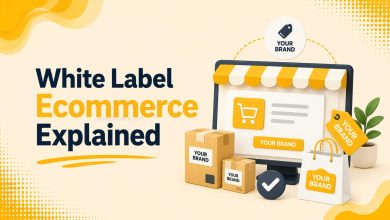
How to Build a White Label Ecommerce Business ? : Comprehensive Guide 2026
How to Build a White Label Ecommerce : The ecommerce industry continues to evolve rapidly, and one of the most profitable business models in 2026 is white label ecommerce. Entrepreneurs no longer need to manufacture products or invest heavily in production facilities to build successful online brands. Instead, they can partner with manufacturers that produce high-quality products, rebrand them with their own logo and packaging, and sell them under their own brand name.
White label ecommerce offers a low-risk, scalable, and cost-effective way to enter the online retail market. Whether you’re launching a skincare brand, nutritional supplements, fashion accessories, electronics, home décor, or wellness products, the white label model allows you to focus on branding, marketing, and customer experience while leaving manufacturing to experienced suppliers.
This comprehensive guide explains everything you need to know about building a successful white label ecommerce business in 2026, including selecting profitable niches, finding reliable suppliers, building your brand, launching your online store, and scaling your business for long-term growth.
What is a White Label Ecommerce Business?

A white label ecommerce business sells products manufactured by a third party but branded and marketed as your own.
Instead of creating products from scratch, you purchase ready-made products from manufacturers, customize them with your branding, and sell them through your ecommerce website or online marketplaces.
For example:
- A skincare manufacturer produces face creams for multiple brands.
- You customize the packaging with your logo.
- Customers recognize the product as your own brand.
Buy Now : How To Sell Plants Online
This business model reduces production costs while allowing entrepreneurs to build valuable brands.
Why White Label Ecommerce is Growing in 2026
Consumer demand for niche brands and personalized shopping experiences continues to increase. At the same time, manufacturers now offer more flexible white label services, making it easier for startups to launch branded products.
Major reasons for growth include:
- Lower startup costs
- Faster product launches
- Global supplier networks
- Improved ecommerce technology
- AI-powered marketing
- Increasing online shopping adoption
- Easier international shipping
- Strong demand for niche products
These factors make white label ecommerce an attractive business opportunity for new and experienced entrepreneurs alike.
Benefits of Starting a White Label Ecommerce Business
White label ecommerce offers several advantages over traditional product manufacturing.
Lower Investment
Since manufacturers handle production, you avoid the high costs of building factories or purchasing specialized equipment.
Faster Time to Market
Products are already developed, allowing you to launch your business much faster.
Brand Ownership
Even though another company manufactures the product, customers associate it with your brand.
Scalable Business Model
As demand grows, manufacturers can often increase production without requiring major investments from you.
Wide Product Selection
Many suppliers offer hundreds of customizable products across different industries.
Focus on Marketing
Instead of worrying about manufacturing, you can concentrate on growing your brand and acquiring customers.
Choose a Profitable Niche
Selecting the right niche is one of the most important decisions you’ll make.
Look for products that have:
- Growing market demand
- Healthy profit margins
- Repeat purchase potential
- Low return rates
- Opportunities for branding
- Positive customer reviews
Popular white label niches in 2026 include:
- Skincare and beauty
- Organic cosmetics
- Health supplements
- Coffee and tea
- Fitness products
- Pet supplies
- Home organization
- Kitchen accessories
- Fashion accessories
- Eco-friendly products
- Phone accessories
- Smart home gadgets
- Baby products
- Personal care
- Office supplies
Choose a niche that aligns with your interests and has long-term growth potential.
Research Your Target Audience
Understanding your ideal customer helps you create products and marketing campaigns that resonate.
Consider factors such as:
- Age
- Gender
- Location
- Income level
- Lifestyle
- Shopping habits
- Pain points
- Buying motivations
Develop detailed buyer personas to guide your branding and product positioning.
Find Reliable White Label Suppliers
Your supplier plays a crucial role in your business success.
When evaluating suppliers, consider:
- Product quality
- Manufacturing experience
- Certifications
- Minimum order quantities (MOQs)
- Pricing
- Production capacity
- Shipping options
- Customer support
- Return policies
Always request product samples before placing large orders to verify quality.
Building strong relationships with reliable suppliers can improve pricing and ensure consistent inventory.
Create a Strong Brand Identity

Branding is what differentiates your products from competitors selling similar items.
Develop a consistent brand identity that includes:
- Business name
- Professional logo
- Brand colors
- Typography
- Brand voice
- Product packaging
- Marketing style
- Brand story
Customers are more likely to remember and trust businesses with a cohesive and professional brand image.
Design Attractive Product Packaging
Packaging is often the first physical interaction customers have with your brand.
Effective packaging should be:
- Visually appealing
- Durable
- Functional
- Eco-friendly where possible
- Consistent with your branding
Consider including:
- Logo
- Product instructions
- Ingredients or specifications
- QR codes
- Thank-you messages
- Social media handles
Premium packaging enhances perceived value and encourages repeat purchases.
Build Your Ecommerce Website
A professional website is the foundation of your white label business.
Essential pages include:
- Homepage
- Shop
- Product pages
- About Us
- Contact
- FAQ
- Shipping Policy
- Return Policy
- Privacy Policy
- Terms and Conditions
Your website should be:
- Mobile-friendly
- Fast-loading
- Secure (SSL enabled)
- Easy to navigate
- Optimized for conversions
High-quality product images and compelling descriptions can significantly improve sales.
Write High-Converting Product Descriptions
Instead of simply listing features, explain how your products solve customer problems.
Include:
- Benefits
- Key features
- Materials or ingredients
- Usage instructions
- Size and specifications
- Frequently asked questions
- Customer testimonials where appropriate
Use clear, persuasive language while maintaining accuracy and transparency.
Implement SEO for Organic Traffic
Search Engine Optimization (SEO) helps potential customers find your store through search engines.
Optimize:
- Product titles
- Meta descriptions
- URL structure
- Image alt text
- Internal linking
- Category pages
- Blog content
Target relevant keywords naturally within your content to improve visibility over time.
Use Content Marketing
Publishing valuable content helps establish your brand as an authority.
Consider creating:
- Blog articles
- Buying guides
- Product comparisons
- Tutorials
- Videos
- Infographics
- Customer success stories
Educational content attracts organic traffic and builds customer trust.
Leverage Social Media Marketing
Social media platforms are powerful tools for building brand awareness and engaging with customers.
Share:
- Product demonstrations
- Customer testimonials
- Behind-the-scenes content
- Educational tips
- New product launches
- User-generated content
Consistent engagement helps grow your audience and strengthen customer relationships.
Invest in Paid Advertising
Paid advertising can accelerate business growth when managed effectively.
Popular advertising channels include:
- Search engine advertising
- Social media advertising
- Shopping ads
- Display advertising
- Video advertising
Monitor campaign performance regularly and optimize based on conversion data.
Build an Email Marketing Strategy
Email marketing remains one of the highest-return digital marketing channels.
Create automated email campaigns for:
- Welcome messages
- Abandoned cart reminders
- Product recommendations
- Promotional offers
- New product announcements
- Customer feedback requests
- Loyalty rewards
Personalized email campaigns can improve engagement and repeat purchases.
Offer Excellent Customer Service
Customer satisfaction directly impacts reviews, referrals, and repeat business.
Provide:
- Fast response times
- Clear communication
- Easy returns
- Helpful FAQs
- Order tracking
- Responsive support channels
Exceptional service strengthens customer trust and brand reputation.
Monitor Inventory and Fulfillment
Efficient inventory management prevents stock shortages and shipping delays.
Regularly monitor:
- Stock levels
- Supplier lead times
- Order processing
- Shipping performance
- Return rates
Using inventory management software can simplify operations as your business grows.
Use AI to Improve Operations
Artificial Intelligence can streamline many aspects of your ecommerce business.
AI can assist with:
- Product recommendations
- Customer support chatbots
- Demand forecasting
- Inventory optimization
- Marketing automation
- Email personalization
- Sales analytics
- Fraud detection
Adopting AI tools can improve efficiency and enhance the customer experience.
Expand Your Sales Channels
Don’t rely on a single platform for revenue.
Consider selling through:
- Your ecommerce website
- Online marketplaces
- Social commerce platforms
- Mobile shopping apps
- Wholesale partnerships
Diversifying sales channels reduces risk and expands your customer reach.
Track Key Performance Metrics
Regularly monitor your business performance using metrics such as:
- Website traffic
- Conversion rate
- Average order value
- Customer acquisition cost
- Customer lifetime value
- Cart abandonment rate
- Return rate
- Repeat purchase rate
- Revenue growth
- Profit margins
Analyzing these metrics helps identify opportunities for improvement.
Common Mistakes to Avoid
Many new white label businesses struggle because they:
- Choose poor-quality suppliers
- Ignore branding
- Compete only on price
- Neglect SEO
- Skip market research
- Use low-quality product images
- Fail to test products before launch
- Ignore customer feedback
- Overlook inventory planning
Avoiding these mistakes increases your chances of long-term success.
Future Trends in White Label Ecommerce
The white label ecommerce industry will continue evolving throughout 2026 and beyond.
Emerging trends include:
- AI-driven personalization
- Sustainable packaging
- Eco-friendly products
- Voice commerce
- Subscription-based product models
- Augmented reality shopping
- Faster global fulfillment
- Hyper-personalized customer experiences
- Smart inventory management
- Omnichannel retail strategies
Businesses that adapt to these trends will be better positioned for future growth.
Best Practices for Long-Term Success
To build a successful white label ecommerce business:
- Focus on product quality.
- Build a memorable brand.
- Deliver outstanding customer service.
- Invest in SEO and content marketing.
- Use data to make informed decisions.
- Continuously test and optimize your website.
- Develop long-term supplier relationships.
- Stay informed about industry trends.
- Encourage customer reviews and feedback.
- Prioritize customer retention alongside new customer acquisition.
Consistency and continuous improvement are key to sustainable growth.
How to Build a White Label Ecommerce – Conclusion

White label ecommerce offers entrepreneurs an excellent opportunity to build profitable online brands without the complexity of manufacturing products themselves. By partnering with reliable suppliers, creating a strong brand identity, developing a high-converting ecommerce website, and implementing effective digital marketing strategies, you can establish a scalable and competitive business in 2026.
Buy Now : Ecommerce Website With 100 Products
Success in white label ecommerce depends on more than simply selling products—it requires delivering value, building customer trust, maintaining product quality, and continuously optimizing your operations. As ecommerce technology and consumer expectations continue to evolve, businesses that embrace innovation, prioritize customer experience, and adapt to changing market trends will be well-positioned for long-term success.
Whether you’re launching your first online business or expanding an existing brand, the white label model provides a flexible and cost-effective path toward building a sustainable ecommerce business.
Frequently Asked Questions (FAQs)
1. What is a white label ecommerce business?
A white label ecommerce business sells products manufactured by a third party under its own brand name, allowing entrepreneurs to focus on branding, marketing, and customer experience.
2. Is white label better than private label?
White label products are generally standardized and sold to multiple brands, while private label products are manufactured exclusively for one retailer. The better option depends on your business goals and level of customization required.
3. How much investment is needed to start a white label ecommerce business?
Startup costs vary depending on the product category, supplier requirements, branding, website development, inventory, and marketing budget. Many businesses can begin with relatively modest investments compared to manufacturing their own products.
4. Which products are best for white label ecommerce?
Popular categories include skincare, cosmetics, supplements, coffee, fitness accessories, home goods, pet products, eco-friendly products, personal care items, and fashion accessories.
5. Can I sell white label products internationally?
Yes. Many ecommerce businesses expand globally by partnering with suppliers that offer international shipping and by complying with the regulations of their target markets.
6. How do I choose a reliable white label supplier?
Evaluate suppliers based on product quality, certifications, pricing, minimum order quantities, production capacity, communication, fulfillment capabilities, and customer reviews. Always request samples before placing large orders.
7. Is SEO important for a white label ecommerce store?
Absolutely. SEO helps increase organic visibility, attract qualified traffic, reduce dependence on paid advertising, and support long-term business growth.
8. Can AI help grow a white label ecommerce business?
Yes. AI can improve customer support, personalize shopping experiences, optimize inventory, automate marketing campaigns, analyze sales trends, and enhance overall operational efficiency.
Keywords : How to Build a White Label Ecommerce – How to Build a White Label Ecommerce 2026