How to Refinance a Personal Loan and Save Money in 2026 : Comprehensive Guide
How to Refinance a Personal Loan : Personal loans are a popular financial solution for consolidating debt, funding major expenses, covering emergencies, or financing home improvements. However, the loan terms you accepted when you first borrowed money may no longer be the best option. Interest rates fluctuate, credit scores improve, and financial circumstances change over time. As a result, refinancing a personal loan can become a smart strategy for reducing borrowing costs and improving your overall financial health.
Personal loan refinancing involves replacing your existing loan with a new one that offers better terms, such as a lower interest rate, reduced monthly payments, a shorter repayment period, or more flexible loan features. When done strategically, refinancing can save you a significant amount of money over the life of the loan while making repayment more manageable.
In 2026, lenders are offering more competitive refinancing options, faster digital application processes, and AI-powered loan approvals that make refinancing easier than ever. This comprehensive guide explains how to refinance a personal loan, when it makes sense, the benefits and risks involved, and practical tips to maximize your savings.
What Is Personal Loan Refinancing?

Personal loan refinancing is the process of paying off your current personal loan by taking out a new loan with different terms.
Instead of continuing with your existing loan, the new lender—or sometimes the same lender—issues a new loan that is used to settle your outstanding balance.
The new loan may offer:
- Lower interest rates
- Lower monthly payments
- Shorter repayment period
- Longer repayment period
- Better loan features
- Flexible repayment options
The primary goal is to improve your financial situation by reducing borrowing costs or making repayments more manageable.
Why Refinance a Personal Loan in 2026?
There are several reasons borrowers choose to refinance.
Common motivations include:
- Lower market interest rates
- Improved credit score
- Reduced monthly payments
- Faster debt repayment
- Better loan terms
- Consolidating multiple loans
- Switching lenders
- Accessing improved customer service
Refinancing can provide financial flexibility while reducing the total cost of borrowing when done under the right circumstances.
Benefits of Refinancing a Personal Loan
Refinancing offers several potential advantages.
Also Read : True Balance Personal Loan
Lower Interest Rates
A lower interest rate can significantly reduce the total amount of interest paid throughout the loan term.
Lower Monthly Payments
Extending the repayment period or securing a lower interest rate may reduce your monthly financial burden.
Faster Loan Repayment
Choosing a shorter repayment period allows you to become debt-free sooner while potentially paying less interest overall.
Improved Cash Flow
Reduced monthly payments can free up money for savings, investments, or other financial priorities.
Debt Consolidation
Some borrowers refinance to combine multiple personal loans or high-interest debts into a single, more manageable payment.
When Should You Refinance a Personal Loan?

Refinancing is generally worth considering when:
- Interest rates have decreased since you took the original loan.
- Your credit score has improved significantly.
- Your income has become more stable.
- You want to reduce your monthly payments.
- You wish to pay off your loan more quickly.
- Your current lender charges high interest.
- You want more flexible repayment terms.
Evaluating your financial goals is essential before refinancing.
Situations Where Refinancing May Not Be Beneficial
Refinancing isn’t always the right choice.
It may not be worthwhile if:
- Your current loan has significant prepayment penalties.
- The new loan includes high origination or processing fees.
- Your credit score has declined.
- The interest rate difference is minimal.
- You’re close to paying off your existing loan.
- Extending the repayment term increases your total interest costs substantially.
Always compare the overall cost of both loans before making a decision.
Check Your Credit Score
Your credit score plays a major role in determining refinancing eligibility and interest rates.
A higher credit score often qualifies borrowers for:
- Lower interest rates
- Better repayment terms
- Higher approval chances
- More lender options
Before applying, review your credit report for errors and address any inaccuracies if necessary.
Evaluate Your Current Loan

Understand the details of your existing personal loan.
Review:
- Outstanding balance
- Remaining repayment term
- Current interest rate
- Monthly payment
- Prepayment charges
- Processing fees
- Loan conditions
This information allows you to compare refinancing offers accurately.
Compare Multiple Lenders
Never accept the first refinancing offer you receive.
Compare lenders based on:
- Interest rates
- Annual Percentage Rate (APR)
- Processing fees
- Origination charges
- Repayment flexibility
- Customer service
- Loan approval time
- Digital application process
Comparing multiple options increases the likelihood of securing favorable terms.
Calculate Total Loan Costs
A lower monthly payment does not always mean lower overall costs.
Consider:
- Total interest paid
- Processing fees
- Prepayment penalties
- Loan insurance
- Additional service charges
- Total repayment amount
Choose the refinancing option that aligns with your financial objectives rather than focusing solely on monthly affordability.
Gather Required Documents
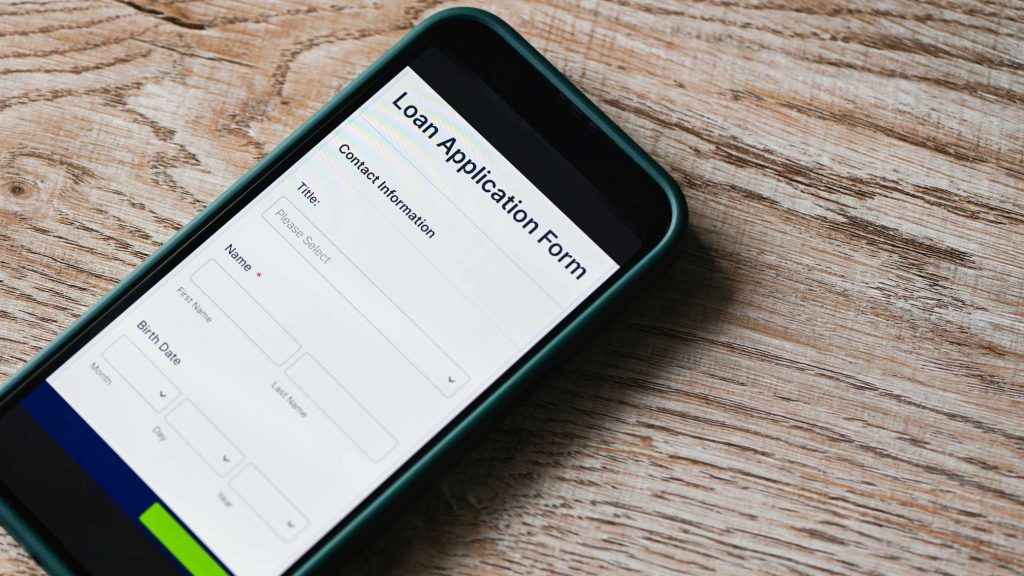
Most lenders require documentation during the refinancing process.
Common documents include:
- Government-issued identification
- Proof of income
- Bank statements
- Employment verification
- Existing loan details
- Address proof
- Credit history information
Having these documents ready can speed up approval.
Submit Your Application
Many lenders now offer fully digital refinancing applications.
The process typically includes:
- Completing an online application
- Uploading required documents
- Credit evaluation
- Income verification
- Loan approval
- Reviewing loan terms
- Signing the agreement electronically
Always read the complete loan agreement before accepting the offer.
Pay Off Your Existing Loan
After approval, the refinancing loan is generally used to pay off your existing personal loan.
Depending on the lender:
- Funds may be sent directly to your previous lender.
- You may receive the funds and complete the repayment yourself.
Confirm that the original loan has been fully closed and request written confirmation if available.
Continue Making Timely Payments
Once refinancing is complete, maintain a strong repayment history.
Benefits of on-time payments include:
- Improved credit profile
- Reduced financial stress
- Lower risk of penalties
- Better eligibility for future loans
Consider setting up automatic payments to avoid missed due dates.
Ways to Maximize Savings After Refinancing
To make the most of your new loan:
- Pay more than the minimum when possible.
- Avoid missing payments.
- Continue improving your credit score.
- Build an emergency fund.
- Avoid taking on unnecessary debt.
- Review your budget regularly.
- Make occasional extra principal payments if allowed.
These habits can further reduce interest costs and shorten your repayment period.
Common Refinancing Mistakes to Avoid
Many borrowers reduce the benefits of refinancing by making avoidable mistakes.
Common errors include:
- Choosing a loan based only on monthly payments
- Ignoring loan fees
- Not comparing multiple lenders
- Overlooking prepayment penalties
- Extending the loan unnecessarily
- Borrowing more than needed
- Missing repayment deadlines
- Failing to read the loan agreement carefully
Avoiding these mistakes helps ensure refinancing genuinely improves your financial situation.
The Role of AI in Loan Refinancing
Artificial Intelligence is transforming personal loan refinancing in 2026.
AI-powered systems can:
- Assess creditworthiness faster
- Provide personalized loan recommendations
- Detect fraud
- Automate document verification
- Estimate repayment affordability
- Compare loan options
- Improve approval efficiency
- Enhance customer support through virtual assistants
These technologies make refinancing faster, more accurate, and more convenient for borrowers.
Future Trends in Personal Loan Refinancing
The refinancing market continues to evolve.
Emerging trends include:
- AI-driven loan approvals
- Instant digital refinancing
- Personalized loan offers
- Open banking integration
- Faster credit assessments
- Paperless applications
- Improved financial wellness tools
- Greater transparency in loan pricing
- Enhanced mobile banking experiences
- Stronger consumer data protection
Borrowers who stay informed about these developments can take advantage of increasingly competitive lending options.
Buy Now : Ecommerce Website
Best Practices for Successful Refinancing
To refinance successfully:
- Review your financial goals before applying.
- Improve your credit score whenever possible.
- Compare several lenders.
- Understand all loan costs.
- Read the loan agreement thoroughly.
- Borrow only what you need.
- Continue making timely payments.
- Monitor your financial progress regularly.
- Avoid accumulating unnecessary new debt.
- Reassess your loan if market conditions change in the future.
These practices help maximize the financial benefits of refinancing.
How to Refinance a Personal Loan – Conclusion

Refinancing a personal loan in 2026 can be an effective way to reduce interest costs, lower monthly payments, simplify debt management, and achieve your financial goals more efficiently. However, refinancing should never be based solely on a lower interest rate or a smaller monthly payment. A careful comparison of fees, repayment terms, total borrowing costs, and long-term financial objectives is essential before making a decision.
Buy Now : Ready Made Digital Store with 100 Products
By improving your credit profile, researching multiple lenders, understanding loan terms, and maintaining responsible financial habits after refinancing, you can potentially save a substantial amount of money over the life of your loan. When approached strategically, personal loan refinancing can become a valuable step toward greater financial stability and long-term financial success.
Frequently Asked Questions (FAQs)
1. What does it mean to refinance a personal loan?
Refinancing replaces your existing personal loan with a new loan that may offer better terms, such as a lower interest rate, reduced monthly payments, or a different repayment period.
2. When is the best time to refinance a personal loan?
It may be a good time to refinance if interest rates have decreased, your credit score has improved, your financial situation has strengthened, or you want more favorable repayment terms.
3. Can refinancing lower my monthly payment?
Yes. Refinancing may reduce your monthly payment by securing a lower interest rate or extending the repayment term, although extending the loan could increase the total interest paid over time.
4. Does refinancing affect my credit score?
Applying for refinancing may result in a temporary credit inquiry, but making consistent payments on the new loan can contribute positively to your credit profile over time.
5. Are there fees involved in refinancing?
Some lenders charge origination fees, processing fees, or prepayment penalties. Always review all costs before accepting a refinancing offer.
6. Can I refinance with a different lender?
Yes. Many borrowers refinance through a different lender if they find more competitive rates, better customer service, or improved loan features.
7. Is refinancing the same as debt consolidation?
Not exactly. Refinancing replaces an existing loan with a new one, while debt consolidation combines multiple debts into a single loan. In some cases, refinancing can also be used as part of a debt consolidation strategy.
8. How can I save the most money when refinancing?
Compare multiple lenders, choose the lowest overall borrowing cost rather than just the lowest monthly payment, avoid unnecessary fees, make timely payments, and pay extra toward the principal whenever possible.
Keywords : How to Refinance a Personal Loan – How to Refinance a Personal Loan 2026