Automated Email Sequences Explained : A Comprehensive Guide 2026
Automated Email Sequences : In 2026, automated email sequences remain one of the most powerful and profitable digital marketing systems available to businesses. While social media algorithms change constantly and paid advertising costs continue to rise, email marketing consistently delivers high return on investment. However, the real power of email marketing does not lie in one-off broadcasts. It lies in structured, automated sequences that guide subscribers through personalized journeys.
Table of Contents
Automated email sequences are not simply pre-written messages sent on a timer. They are strategically designed workflows triggered by user behavior, lifecycle stages, and engagement patterns. When implemented correctly, automated sequences nurture leads, onboard customers, increase sales, recover abandoned carts, build authority, and strengthen long-term retention.
This Comprehensive guide explains automated email sequences in depth—how they work, why they matter, the psychology behind them, the most important sequence types, how to structure them, optimization strategies, metrics to track, common mistakes, and future trends shaping automation in 2026 and beyond.
What Are Automated Email Sequences?
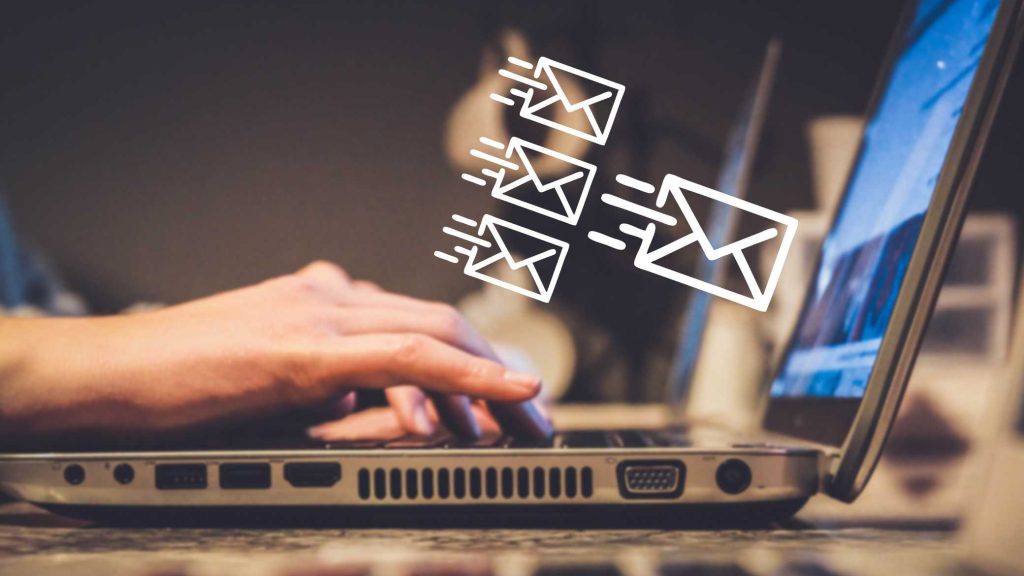
An automated email sequence is a pre-designed series of emails triggered by a specific action, behavior, or timeline. Instead of manually sending each email, automation software delivers messages based on predefined rules.
For example:
• A user subscribes to a newsletter → They receive a welcome sequence.
• A customer abandons a cart → They receive a cart recovery sequence.
• A prospect downloads a guide → They enter a nurturing sequence.
• A customer makes a purchase → They receive onboarding emails.
Also Read : Marketing Automation Strategies : A Comprehensive Guide 2026
Automation ensures timely, relevant communication without manual effort.
Why Automated Email Sequences Matter in 2026
Digital audiences are overwhelmed with content. Immediate trust is rare. Automated email sequences create structured conversations that build familiarity over time.
Key benefits include:
• Consistent lead nurturing
• Higher conversion rates
• Increased customer lifetime value
• Reduced manual workload
• Scalable communication
• Personalized engagement
Email remains one of the few marketing channels fully owned by businesses. Unlike social platforms, email lists are not controlled by external algorithms.
The Psychology Behind Email Sequences
Effective sequences rely on psychological principles.
Reciprocity: Deliver value before asking for a sale.
Authority: Demonstrate expertise and credibility.
Consistency: Maintain regular communication to build familiarity.
Social Proof: Share testimonials and case studies.
Scarcity: Introduce urgency when appropriate.
Understanding buyer psychology improves engagement and conversion rates.
Core Types of Automated Email Sequences
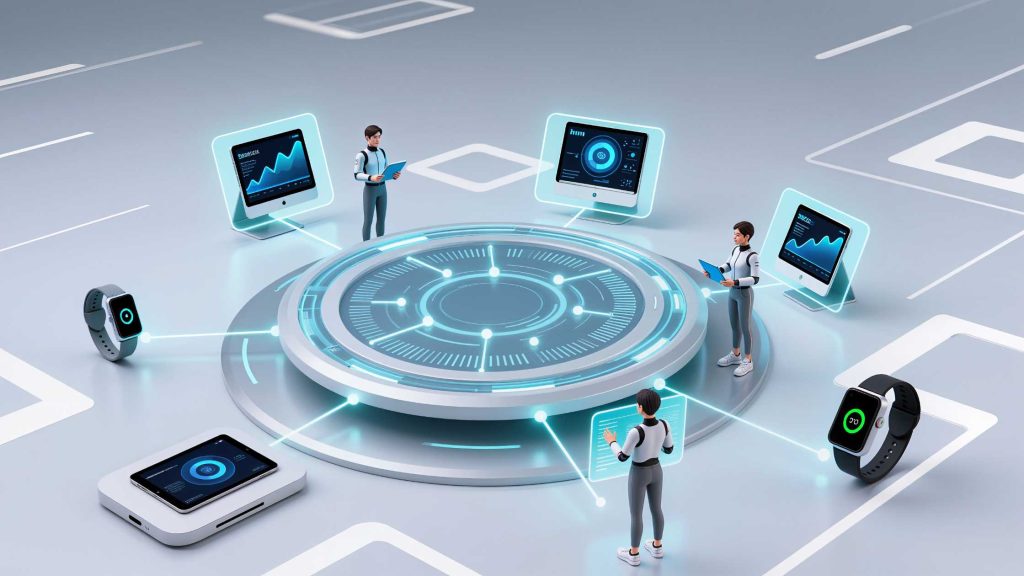
1. Welcome Sequence
A welcome sequence is triggered immediately after subscription. It introduces the brand, sets expectations, and delivers initial value.
Typical structure:
Email 1 – Welcome and confirmation
Email 2 – Brand story and mission
Email 3 – Educational content
Email 4 – Soft introduction to offer
First impressions significantly influence long-term engagement.
2. Lead Nurturing Sequence
This sequence educates prospects and builds trust before presenting offers.
Structure may include:
Educational insights
Problem awareness
Case studies
Testimonials
Solution introduction
Lead nurturing reduces resistance and improves sales conversions.
3. Sales Sequence
Sales sequences focus on driving purchases.
Components include:
Offer presentation
Benefit explanation
Objection handling
Testimonials
Limited-time incentives
Strong copywriting and strategic timing are essential.
4. Cart Abandonment Sequence
For ecommerce businesses, cart recovery automation is critical.
Structure often includes:
Reminder email
Benefit reinforcement
Urgency message
Discount incentive
Recovering abandoned carts increases revenue significantly.
5. Onboarding Sequence
After purchase, onboarding emails guide customers through product usage.
These emails:
Provide instructions
Offer tips
Reduce confusion
Encourage engagement
Effective onboarding reduces churn.
6. Re-Engagement Sequence
Re-engagement sequences target inactive subscribers.
Strategies include:
Value reminders
Exclusive offers
Feedback requests
Unsubscribe confirmation
Maintaining list hygiene improves deliverability.
Structuring an Effective Email Sequence
Successful sequences follow a clear structure:
- Define objective (lead, sale, retention).
- Identify trigger event.
- Segment audience properly.
- Outline email flow logically.
- Write conversational copy.
- Add clear calls-to-action.
- Test subject lines.
- Monitor metrics.
Planning before execution prevents random messaging.
Personalization and Segmentation
Personalization improves open rates and engagement.
Segmentation criteria may include:
Behavior (clicks, purchases)
Demographics
Engagement level
Purchase history
Geographic location
Buy Now : Ready Made Digital Store with 100 Products
Dynamic content blocks adjust messaging based on user data.
Metrics to Track
Key performance indicators include:
Open Rate
Click-Through Rate
Conversion Rate
Bounce Rate
Unsubscribe Rate
Revenue per Subscriber
Data analysis drives optimization.
Common Mistakes in Automated Sequences
• Sending too many emails
• Ignoring segmentation
• Overly promotional tone
• Weak subject lines
• Lack of clear CTA
• Not testing performance
Balanced value and promotion maintain trust.
Scaling Email Automation
Scaling involves:
Adding advanced segmentation
Integrating CRM data
Automating upsells
Implementing AI-driven personalization
Testing multi-channel integration
Automation systems grow alongside business expansion.
Future of Automated Email Sequences (2026–2030)
Emerging trends include:
AI-generated subject line optimization
Predictive send-time personalization
Interactive email experiences
Voice-activated email responses
Integration with messaging apps
Automation will become more intelligent and adaptive.
Conclusion
Automated email sequences in 2026 are essential growth systems for businesses of all sizes. They transform email marketing from sporadic broadcasts into structured, behavior-driven customer journeys. By implementing welcome sequences, nurturing flows, sales campaigns, cart recovery systems, onboarding processes, and re-engagement strategies, businesses can increase conversions, improve retention, and scale efficiently.
Buy Now : Ready Made Digital Store with 100 Products
Success depends on strategic planning, psychological understanding, personalization, consistent testing, and data-driven optimization. Automated email sequences are not merely marketing tools—they are relationship-building systems that operate continuously to generate sustainable revenue growth.
Disclaimer
This content is for educational and informational purposes only. Email marketing results depend on list quality, industry competition, deliverability practices, and implementation strategy. This is not financial advice.