B2C Digital Marketing : A Comprehensive Guide to Consumer-Focused Online Growth
B2C Digital Marketing : Business-to-Consumer (B2C) digital marketing is one of the most dynamic and competitive areas of modern marketing. In a world where consumers are constantly connected through smartphones, social platforms, search engines, and apps, brands must do far more than simply advertise. They must attract attention, build emotional connections, earn trust, and deliver seamless experiences across multiple digital touchpoints.
Table of Contents
Unlike B2B marketing, which focuses on long decision cycles and rational evaluation, B2C digital marketing is driven largely by consumer psychology, emotions, convenience, speed, and experience. Success depends on understanding how people think, feel, browse, compare, and buy in the digital age.
In This Comprehensive guide, explains what B2C digital marketing is, how it works, its core components, strategies, channels, challenges, and best practices, helping brands build scalable, customer-centric growth in 2025 and beyond.
Understanding B2C Digital Marketing

B2C digital marketing refers to all online marketing activities used by businesses to promote products or services directly to individual consumers. These consumers make purchasing decisions for personal use rather than for business operations.
B2C digital marketing focuses on:
- High-volume audiences
- Shorter buying cycles
- Emotional and impulse-driven decisions
- Brand perception and experience
- Speed, convenience, and accessibility
Also Read : AI vs Content Marketers : A Comprehensive Guide 2025
Examples of B2C businesses include ecommerce stores, consumer brands, food and beverage companies, fashion labels, entertainment platforms, education providers, travel services, and mobile apps.y
How B2C Digital Marketing Differs from B2B Marketing
Understanding the difference between B2C and B2B marketing is critical for strategy design.
In B2C marketing:
- Decisions are often emotional rather than purely logical
- Purchase cycles are shorter
- Pricing sensitivity is higher
- Brand personality matters more
- Content is simpler, visual, and engaging
Consumers are influenced by reviews, social proof, peer opinions, convenience, and instant gratification. B2C marketing must therefore focus heavily on user experience and emotional resonance.
The Role of Consumer Psychology in B2C Marketing
At the heart of B2C digital marketing is consumer psychology.
Key psychological drivers include:
- Emotion and desire
- Social validation and belonging
- Fear of missing out (FOMO)
- Trust and familiarity
- Convenience and speed
Successful B2C marketers design campaigns that tap into these motivations without being manipulative. Understanding what drives consumer behavior allows brands to craft messaging that resonates deeply.
The B2C Digital Marketing Funnel Explained
B2C marketing typically follows a funnel-based approach, guiding consumers from awareness to loyalty.
Awareness Stage
At this stage, consumers discover the brand through search engines, social media, ads, influencers, or content. The goal is visibility and first impressions.
Consideration Stage
Consumers compare options, read reviews, watch videos, and explore content. Brands must provide clear value propositions and social proof.
Conversion Stage
This is where the purchase happens. Seamless checkout, trust signals, offers, and convenience play a critical role.
Retention Stage
Post-purchase engagement keeps customers coming back. Retention is often more profitable than acquisition.
Advocacy Stage
Satisfied customers become brand advocates, sharing reviews, referrals, and user-generated content.
Core Channels of B2C Digital Marketing
B2C digital marketing relies on a mix of channels that work together as an ecosystem.
Search Engine Optimization (SEO) for B2C Brands

SEO is a foundational channel for long-term B2C growth.
Why SEO Matters
Consumers actively search for products, solutions, and information. Ranking for relevant searches captures high-intent traffic.
Key SEO Focus Areas
- Product and category page optimization
- Informational content for discovery
- Mobile-first performance
- Local SEO for location-based businesses
- Brand and non-brand keyword targeting
SEO builds trust and reduces long-term customer acquisition costs.
Content Marketing in B2C Digital Strategy
Content marketing educates, entertains, and influences consumers without direct selling.
Types of B2C Content
- Blog articles and buying guides
- Videos and short-form reels
- Social media posts
- Email newsletters
- User-generated content
Content helps brands stay visible throughout the customer journey and builds long-term authority.
Social Media Marketing for B2C Brands
Social media is one of the most powerful B2C marketing channels.
Why Social Media Works
Consumers spend significant time on social platforms. Social media humanizes brands and creates two-way communication.
Key Objectives
- Brand awareness
- Engagement and community building
- Product discovery
- Customer support
Visual storytelling, consistency, and authenticity are critical for success.
Paid Advertising in B2C Digital Marketing
Paid ads accelerate reach and conversions.
Common Paid Channels
- Search ads
- Social media ads
- Video ads
- Display and retargeting ads
Best Practices
- Strong creatives and clear messaging
- Precise audience targeting
- Continuous testing and optimization
- Balanced focus on ROI and brand impact
Paid advertising is most effective when combined with strong organic foundations.
Email Marketing and Customer Retention
Email marketing remains one of the highest ROI channels in B2C marketing.
Key Use Cases
- Welcome sequences
- Promotions and offers
- Cart abandonment reminders
- Post-purchase follow-ups
- Loyalty and re-engagement campaigns
Email marketing builds direct relationships without dependence on algorithms.
Influencer and Creator Marketing
Influencers play a major role in shaping consumer decisions.
Why Influencer Marketing Works
Consumers trust creators more than brands. Authentic recommendations feel personal and relatable.
Effective Approaches
- Partnering with niche creators
- Long-term collaborations
- Authentic storytelling
- Clear disclosure and transparency
Influencer marketing is especially effective for lifestyle, fashion, beauty, fitness, and tech brands.
Ecommerce Optimization in B2C Marketing
For ecommerce brands, marketing does not stop at traffic.
Key Optimization Areas
- Product page design
- Reviews and social proof
- Pricing clarity
- Checkout experience
- Mobile usability
Small improvements in conversion rates can significantly increase revenue.
Mobile-First Strategy in B2C Marketing
Most B2C interactions happen on mobile devices.
Mobile Optimization Includes
- Fast-loading pages
- Mobile-friendly design
- Easy navigation
- Simplified checkout
- App-based experiences
A poor mobile experience directly impacts sales and brand perception.
Personalization and Data-Driven Marketing
Personalization improves relevance and engagement.
Examples of Personalization
- Product recommendations
- Personalized emails
- Location-based offers
- Dynamic website content
Using data responsibly enhances customer experience without compromising trust.
Buy Now : Canva Pro Video And Image Editing Software for 1 Rupees/Day
The Role of Branding in B2C Digital Marketing
Strong branding influences purchasing decisions.
Branding Elements
- Visual identity
- Brand voice and tone
- Values and storytelling
- Consistent messaging
B2C brands often win not just on price, but on how they make consumers feel.
Trust, Reviews, and Online Reputation
Trust is critical in B2C marketing.
Trust Signals Include
- Customer reviews
- Ratings and testimonials
- Transparent policies
- Secure payment systems
Positive reputation directly impacts conversion rates.
Measuring B2C Digital Marketing Performance
B2C marketing success must be measured continuously.
Key Metrics
- Traffic and engagement
- Conversion rates
- Customer acquisition cost
- Customer lifetime value
- Retention and repeat purchases
Data-driven decisions lead to consistent improvement.
Common Challenges in B2C Digital Marketing
B2C marketers face unique challenges.
Common challenges include:
- High competition
- Rising ad costs
- Short attention spans
- Brand differentiation
- Maintaining customer loyalty
Overcoming these challenges requires adaptability and creativity.
Buy Now : Canva Pro Video And Image Editing Software for 1 Rupees/Day
Best Practices for Successful B2C Digital Marketing
Professional B2C marketing follows proven principles.
Focus on the Customer
Every strategy should prioritize customer needs and experience.
Be Consistent Across Channels
Unified messaging builds trust and recognition.
Balance Emotion and Value
Emotional storytelling should be supported by real value.
Invest in Retention
Repeat customers are more profitable than new ones.
Test, Learn, and Optimize
Continuous experimentation improves performance.
The Future of B2C Digital Marketing
B2C digital marketing continues to evolve.
Emerging trends include:
- AI-driven personalization
- Short-form and interactive content
- Social commerce
- Community-driven brands
- Privacy-first marketing
Brands that adapt early gain a competitive advantage.
Conclusion
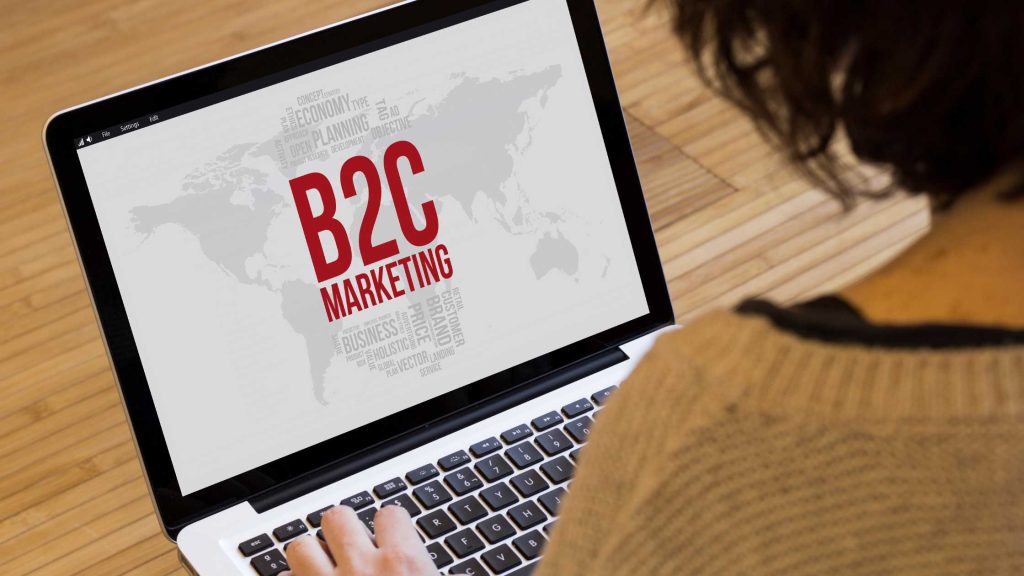
B2C digital marketing is about more than selling products—it is about building relationships, trust, and memorable experiences. In a crowded digital environment, brands that understand consumer psychology, deliver seamless experiences, and communicate authentically stand out.
A successful B2C digital marketing strategy integrates SEO, content, social media, paid ads, email, branding, and data into a unified system focused on the consumer. When executed professionally, B2C digital marketing drives not only sales, but long-term brand loyalty and sustainable growth.
Buy Now : Canva Pro Video And Image Editing Software for 1 Rupees/Day
In the end, consumers may forget advertisements, but they remember how a brand made them feel.
Disclaimer
This content is for informational and educational purposes only and does not constitute marketing, legal, or business advice. Results may vary based on industry, audience, and execution strategy.