Common Dropshipping Mistakes to Avoid : Comprehensive Guide 2026
Common Dropshipping Mistakes to Avoid : Dropshipping continues to be one of the most popular online business models in 2026, driven by low startup costs, minimal inventory requirements, and global scalability. However, while thousands of people start dropshipping every month, only a small percentage succeed.
Table of Contents
The reason is simple—most beginners make critical mistakes that kill their business before it even gains momentum. In today’s competitive ecommerce landscape, success requires strategy, data-driven decisions, and a deep understanding of the market. This guide will walk you through the most common dropshipping mistakes to avoid, helping you build a profitable and sustainable ecommerce business.
1. Choosing the Wrong Dropshipping Niche

One of the biggest mistakes in dropshipping is selecting a niche without proper research. Many beginners choose overly saturated niches like fashion, electronics, or general products, where competition is extremely high. Others pick niches with no demand, leading to zero sales.
In 2026, winning niches are highly targeted and audience-specific. Instead of selling generic products, focus on micro-niches with passionate buyers. A niche like “fitness” is too broad, but “home fitness for busy professionals” is much more targeted and profitable.
Choosing the right niche directly impacts your SEO, marketing costs, and conversion rates. Without a strong niche, your ecommerce business will struggle to grow.
2. Selling Low-Quality or Unverified Products
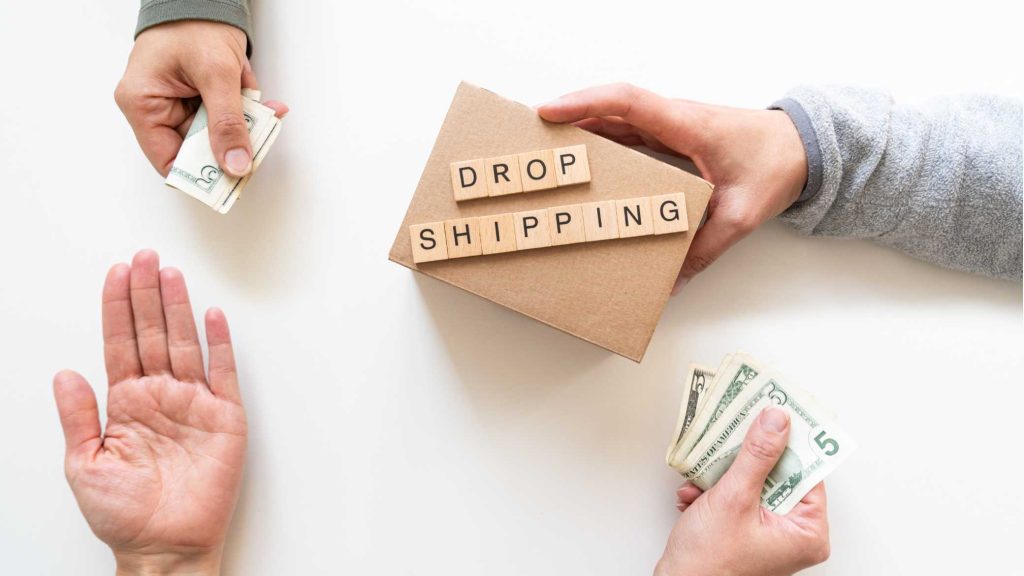
Product quality can make or break your dropshipping business. Many beginners rush to list trending products without testing them. This leads to refunds, negative reviews, and loss of customer trust.
In dropshipping, you don’t control the product physically, so it’s crucial to verify quality before selling. Order samples, test durability, and check supplier reliability. Customers in 2026 expect high-quality products and fast service—anything less will damage your brand.
3. Relying on a Single Supplier
Depending on one supplier is a risky strategy. If the supplier runs out of stock, delays shipping, or shuts down, your entire business collapses.
Successful dropshippers always have backup suppliers. Diversifying your supplier base ensures business continuity and better pricing options. It also helps in scaling your ecommerce store without interruptions.
4. Ignoring Website Design and User Experience
Your website is your online storefront. A poorly designed website with slow loading speed, bad UI, and confusing navigation can drive customers away instantly.
In 2026, ecommerce success depends heavily on user experience (UX). Your store should be:
- Mobile optimized
- Fast loading
- Clean and professional
- Easy to navigate
Also Read : How to Build Trust with Online Customers
A high-converting website builds trust and increases sales significantly.
5. Poor Product Descriptions and Weak Copywriting
Many dropshipping stores copy product descriptions directly from suppliers. This is a huge mistake. Generic descriptions don’t sell.
Instead, write compelling, benefit-driven copy that focuses on solving customer problems. Use emotional triggers, storytelling, and clear value propositions. SEO-optimized product descriptions also help your store rank higher on G.
6. Not Understanding Target Audience
Trying to sell to everyone is a guaranteed failure. Without understanding your target audience, your marketing will be ineffective.
You need to know:
- Who your customers are
- What problems they face
- What motivates them to buy
Audience research helps you create better ads, content, and offers.
7. Overdependence on Paid Ads
Many beginners rely entirely on FB Ads or G Ads without building organic traffic. While paid ads can generate quick sales, they are expensive and risky.
A better approach is to combine:
- SEO (Search Engine Optimization)
- Content marketing
- Social media marketing
Organic traffic ensures long-term sustainability and reduces dependency on ads.
8. Pricing Products Incorrectly

Pricing is a critical factor in dropshipping success. Pricing too high can reduce sales, while pricing too low can kill profits.
In 2026, smart pricing strategies include:
- Value-based pricing
- Competitor analysis
- Psychological pricing
Finding the right balance is essential for profitability.
9. Ignoring Customer Service
Customer service is often overlooked in dropshipping. Delayed responses, unclear policies, and poor communication can lead to negative reviews.
Providing excellent customer support builds trust and increases repeat purchases. Quick responses, clear refund policies, and proactive communication are key.
10. Not Building a Brand
Many dropshipping stores fail because they operate like generic marketplaces. Without branding, customers have no reason to trust or remember your store.
Branding includes:
- Logo and visual identity
- Consistent messaging
- Unique value proposition
A strong brand differentiates you from competitors and increases customer loyalty.
11. Lack of Marketing Strategy
Running ads without a clear strategy is a common mistake. Successful dropshipping businesses use a structured marketing plan.
This includes:
- Targeted ad campaigns
- Retargeting strategies
- Email marketing
- Influencer collaborations
Marketing should be data-driven and continuously optimized.
12. Ignoring SEO and Organic Traffic

Search engine optimization (SEO) is one of the most powerful tools for ecommerce growth. Many dropshippers ignore SEO and miss out on free traffic.
Optimizing your website for keywords like:
- “best dropshipping products 2026”
- “buy online trending products”
can bring consistent organic traffic and sales.
13. Choosing Products Without Demand
Selling products without market demand leads to failure. Product research is essential.
Use tools like:
- G Trends
- Amazon Best Sellers
to identify high-demand products.
14. Not Testing Products Properly
Launching a product without testing is risky. Successful dropshippers test multiple products before scaling.
Testing helps identify:
- Winning products
- Best-performing ads
- Target audience
15. Poor Shipping and Delivery Times
Long shipping times are a major issue in dropshipping. Customers expect fast delivery in 2026.
Partner with suppliers who offer faster shipping options or use local warehouses to improve delivery speed.
16. Ignoring Analytics and Data
Data is the backbone of ecommerce success. Ignoring analytics leads to poor decision-making.
Track metrics like:
- Conversion rate
- Customer acquisition cost
- Return on ad spend
Data-driven decisions improve performance and profitability.
17. Giving Up Too Early
Dropshipping is not a get-rich-quick scheme. Many beginners quit after a few failed attempts.
Success requires:
- Consistency
- Testing
- Learning from mistakes
Common Dropshipping Mistakes to Avoid – Conclusion:
Dropshipping in 2026 is more competitive but also more rewarding for those who approach it strategically. Avoiding these common mistakes can save you time, money, and frustration. Focus on building a strong brand, understanding your audience, and using data-driven strategies.
Buy Now : Ready Made Digital Store with 100 Products
Success in ecommerce is not about shortcuts—it’s about smart execution, continuous improvement, and long-term vision.
Disclaimer : This content is for educational purposes only. Dropshipping involves risks, and results may vary depending on effort, strategy, and market conditions.