Digital Product Marketing Strategies : Comprehensive Guide 2026
Digital product marketing strategies have become one of the most powerful ways to build a profitable online business in today’s fast-growing digital economy. As more people shift toward online learning, remote work, and digital consumption, the demand for digital products such as ebooks, online courses, templates, software, and memberships continues to rise. However, simply creating a digital product is not enough.
Table of Contents
The real challenge lies in marketing it effectively. Without the right strategy, even the best digital products can fail to generate sales. That is why understanding and implementing high-converting digital product marketing strategies is essential for anyone looking to succeed in the online business space.
What Is Digital Product Marketing?
Digital product marketing is the process of promoting and selling non-physical products using online channels such as search engines, social media platforms, email marketing, and paid advertisements. Unlike physical products, digital products rely heavily on perceived value, trust, and branding. Customers cannot touch or see the product physically, so they depend on your content, messaging, and reputation to make a purchase decision. This makes marketing even more important.
Also Read : Best Digital Assets to Sell Online in 2026
A strong digital product marketing strategy focuses on identifying the target audience, understanding their pain points, and positioning the product as the perfect solution. It also involves creating a seamless customer journey that guides users from awareness to purchase.
Why Digital Products Are Booming in 2026
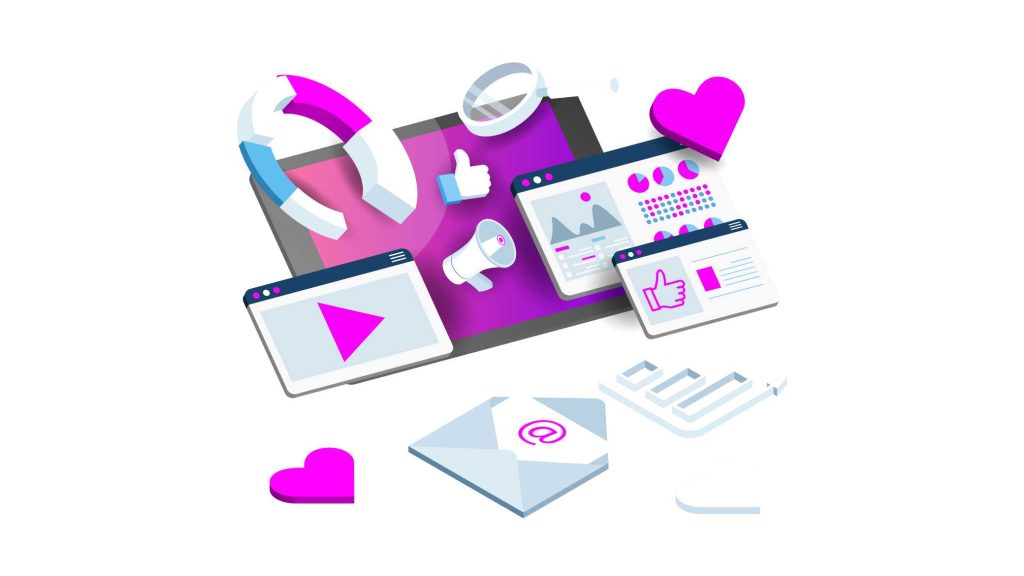
Digital products are growing rapidly because they offer several advantages over traditional business models. One of the biggest benefits is scalability. Once created, a digital product can be sold unlimited times without additional production costs. This allows business owners to generate passive income.
Another advantage is low overhead cost. There is no need for inventory, shipping, or logistics. This makes digital products ideal for beginners who want to start an online business with minimal investment.
Additionally, digital products have global reach. You can sell your product to anyone in the world without any physical limitations. This opens up massive opportunities for growth.
Because of these benefits, more entrepreneurs are entering the digital product space. This also means competition is increasing. To stand out, you need powerful marketing strategies.
1. SEO-Driven Content Marketing
Search engine optimization is one of the most effective long-term strategies for marketing digital products. It helps you attract organic traffic from people who are actively searching for solutions.
For example, if someone searches for “best online business ideas” or “how to sell digital products,” and your blog appears on the first page of G, you can drive highly targeted traffic to your website.
To succeed with SEO, you need to focus on high-ranking keywords, optimize your titles and headings, and create valuable content that answers user queries. Long-form blog posts, like this one, perform particularly well because they provide in-depth information.
Consistency is key. The more quality content you publish, the stronger your authority becomes in your niche.
2. Social Media Marketing
Social media platforms play a huge role in digital product marketing. Platforms like Social Medias allow you to reach a large audience and build a personal brand.
The key to success on social media is consistency and value. You should focus on creating content that educates, entertains, or solves problems. Short videos, tutorials, and tips work especially well.
For example, if you are selling a digital course, you can share short clips explaining key concepts. This builds trust and encourages people to explore your full product.
Engagement is also important. Replying to comments, answering questions, and interacting with your audience helps build a loyal community.
3. Email Marketing and Lead Generation
Email marketing is one of the highest ROI strategies in digital marketing. It allows you to communicate directly with your audience and build long-term relationships.
To get started, you need a lead magnet. This could be a free ebook, checklist, or mini-course. In exchange for this free resource, users provide their email address.
Once you have an email list, you can send newsletters, updates, and promotional offers. The key is to provide value, not just sell. When people trust you, they are more likely to buy from you.
Automation tools can help you send emails at the right time. For example, you can set up a sequence that introduces your product and gradually encourages users to make a purchase.
4. Paid Advertising for Fast Growth
Paid advertising is one of the fastest ways to generate traffic and sales. Platforms like Social Media Ads allow you to target specific audiences based on their interests, behavior, and demographics.
The success of paid ads depends on your targeting and creatives. You need compelling headlines, strong visuals, and clear messaging.
Testing is crucial. You should experiment with different ad copies, images, and audiences to find what works best. Once you identify a winning campaign, you can scale it to increase your revenue.
However, it is important to track your return on investment. Spending money without proper tracking can lead to losses.
5. Sales Funnels and Conversion Optimization
A sales funnel is a structured process that guides potential customers toward making a purchase. It typically includes multiple stages such as awareness, interest, and decision.
For example, a user may first discover your content through a blog or social media post. Then they sign up for your email list. After receiving valuable emails, they decide to buy your product.
Optimizing your funnel is essential. Small changes, such as improving your landing page design or adding testimonials, can significantly increase conversions.
Using urgency, such as limited-time offers, can also encourage faster decisions.
6. Affiliate Marketing and Influencer Promotion

Affiliate marketing is a powerful strategy where others promote your product in exchange for a commission. This allows you to reach a wider audience without spending upfront on advertising.
Influencer marketing works in a similar way. By collaborating with influencers in your niche, you can gain exposure and build credibility.
The key is to choose the right partners. They should have an audience that aligns with your target market.
7. Video Marketing and YouTube Strategy
Video content is one of the most engaging forms of marketing. It allows you to explain your product, demonstrate its value, and connect with your audience.
YouTube is especially powerful because it acts as both a search engine and a social platform. Well-optimized videos can continue to generate traffic for years.
You can create tutorials, reviews, and case studies related to your product. Including clear calls to action in your videos can drive viewers to your website.
8. Personal Branding and Authority Building
Building a strong personal brand can significantly boost your marketing efforts. When people trust you, they are more likely to buy from you.
You can build authority by sharing your knowledge, experiences, and results. Consistency is important. The more you show up, the more recognizable you become.
A strong personal brand also helps you stand out in a crowded market.
9. Community Building
Creating a community around your brand can increase engagement and loyalty. Platforms like Social Media Groups allow you to connect directly with your audience.
In a community, you can provide support, share updates, and gather feedback. This creates a sense of belonging and encourages repeat purchases.
Happy customers often become promoters. They recommend your product to others, which increases your reach.
10. Using AI and Automation
AI tools are transforming digital marketing. They can help you create content, analyze data, and automate tasks.
For example, AI can generate blog ideas, write email sequences, and optimize ad campaigns. This saves time and increases efficiency.
Automation tools can handle repetitive tasks such as email scheduling and customer support. This allows you to focus on strategy and growth.
Common Mistakes to Avoid
Many people fail in digital product marketing because they make avoidable mistakes. One common mistake is targeting the wrong audience. If your product does not solve a real problem, it will not sell.
Another mistake is poor content quality. Low-value content does not build trust.
Ignoring SEO is also a major issue. Without proper optimization, your content will not reach the right audience.
Finally, many marketers give up too early. Success takes time and consistency.
Future Trends in Digital Product Marketing
The future of digital product marketing is exciting. AI will continue to play a bigger role. Personalization will become more important.
Voice search and video content will grow further. Subscription-based models will also become more popular.
Staying updated with these trends will help you stay ahead of the competition.
Digital Product Marketing Strategies – Conclusion

Digital product marketing strategies are essential for building a successful online business. By combining SEO, social media, email marketing, paid ads, and automation, you can create a powerful system that drives traffic and sales.
Buy Now : Ready Made Digital Store with 100 Products
Success does not happen overnight. It requires consistency, testing, and continuous improvement. However, with the right approach, digital products can become a reliable source of income.
If you focus on providing value, building trust, and optimizing your strategies, you can achieve long-term success in the digital marketplace.
Disclaimer : This content is for educational purposes only. Results may vary based on effort, strategy, and market conditions.