Future of Online Business in 2030 : Comprehensive Guide
Future of Online Business in 2030 : The digital economy is evolving faster than ever before, and online business has become one of the most powerful drivers of global economic growth. Over the past two decades, the internet has transformed how businesses operate, how customers purchase products, and how entrepreneurs launch new ventures. From simple websites selling products online to complex digital ecosystems powered by artificial intelligence, the online business industry has experienced rapid innovation. As we approach the year 2030, the future of online business promises even greater transformation driven by advanced technologies, new consumer behaviors, and innovative business models.
Table of Contents
Online businesses are no longer limited to traditional e-commerce stores. The digital marketplace now includes subscription platforms, digital product businesses, online services, creator economies, SaaS platforms, and global marketplaces that connect buyers and sellers from around the world. The expansion of internet connectivity, smartphone usage, and digital payment systems has opened the door for millions of entrepreneurs to participate in the global digital economy.
The future of online business will be defined by automation, artificial intelligence, immersive technologies, and data-driven decision making. Businesses will become more personalized, efficient, and globally connected. Customers will expect seamless digital experiences across multiple platforms, while entrepreneurs will rely on advanced tools to build scalable and sustainable online companies.
Understanding the future of online business is essential for entrepreneurs, digital marketers, and businesses that want to stay competitive in the rapidly changing digital landscape. By examining emerging technologies, evolving consumer expectations, and new business opportunities, we can gain valuable insights into what online business will look like in 2030.
Evolution of Online Business

Online business has evolved significantly since the early days of the internet. In the beginning, businesses primarily used websites to display information or sell basic products through simple online stores. Payment systems were limited, and internet speeds were relatively slow, making digital commerce less efficient than traditional retail.
Also Read : Community Building for Online Brands
As technology improved, the rise of e-commerce platforms revolutionized online business. Businesses gained access to powerful tools that allowed them to build professional online stores, manage inventory, process payments, and market products globally. Platforms such as digital marketplaces and social media networks played a major role in expanding online business opportunities.
The introduction of smartphones further accelerated this transformation. Mobile commerce allowed customers to shop anytime and anywhere, creating a new level of convenience for online consumers. Mobile apps, digital wallets, and instant payment systems made online shopping faster and more secure.
The digital economy expanded even further with the growth of content creation, online education, freelancing platforms, and software-as-a-service businesses. Entrepreneurs discovered new ways to generate income through digital products, affiliate marketing, and subscription models.
By 2030, online business will continue to evolve into a highly interconnected digital ecosystem where businesses operate across multiple platforms, technologies, and global markets.
Artificial Intelligence Transforming Online Business
Artificial intelligence will play a central role in shaping the future of online business. AI technologies are already transforming marketing, customer support, product recommendations, and supply chain management. By 2030, AI will become deeply integrated into nearly every aspect of online business operations.
One of the most significant benefits of artificial intelligence is automation. Many repetitive business tasks can be handled by AI systems, allowing entrepreneurs to focus on strategy and innovation. AI tools will analyze customer data, predict market trends, and optimize business decisions with incredible accuracy.
Personalization will also become a key feature of AI-driven online businesses. Instead of offering the same products and marketing messages to every customer, businesses will deliver personalized experiences tailored to individual preferences. AI algorithms will analyze browsing behavior, purchase history, and demographic data to recommend products that match each customer’s interests.
Customer service will also be revolutionized by artificial intelligence. Advanced chatbots and virtual assistants will provide instant responses to customer inquiries, reducing wait times and improving customer satisfaction. These AI systems will be capable of understanding natural language and solving complex problems without human intervention.
Artificial intelligence will also improve marketing strategies. Businesses will use AI-powered tools to analyze audience behavior, optimize advertising campaigns, and predict which marketing messages are most likely to convert customers.
Rise of Automated Online Businesses
Automation will significantly change how online businesses operate in the future. Many tasks that currently require manual work will be fully automated using advanced digital systems. Automated online businesses will rely on software tools that handle inventory management, order processing, customer communication, and marketing campaigns.
Entrepreneurs will be able to build highly efficient businesses with minimal staff by integrating automation tools into their workflows. Automated email marketing systems, chatbots, and AI content generators will allow businesses to maintain continuous engagement with customers.
Automation will also improve supply chain management. Smart systems will monitor inventory levels, predict demand fluctuations, and automatically reorder products when stock levels become low. This will reduce operational costs and improve efficiency.
The combination of artificial intelligence and automation will enable entrepreneurs to scale their businesses faster than ever before.
Growth of E-commerce and Digital Marketplaces
E-commerce will continue to dominate the online business landscape in 2030. Online shopping has already become a preferred option for millions of consumers due to convenience, competitive pricing, and wide product selection.
Future e-commerce platforms will offer enhanced shopping experiences through personalization, fast delivery systems, and interactive product displays. Customers will expect seamless purchasing processes across websites, mobile apps, and social media platforms.
Digital marketplaces will also expand significantly. These platforms connect buyers and sellers from different parts of the world, enabling businesses to reach global audiences without building their own infrastructure.
Small businesses and entrepreneurs will benefit from marketplace platforms because they provide built-in traffic, payment processing, and logistics support.
Social Commerce and Influencer-Driven Business
Social media platforms are becoming powerful sales channels for online businesses. Social commerce allows users to discover and purchase products directly within social media platforms without visiting external websites.
Influencers and content creators play a major role in promoting products and building brand awareness. By 2030, influencer marketing will become one of the most effective strategies for online businesses.
Consumers increasingly trust recommendations from creators they follow online. As a result, businesses will collaborate with influencers to promote products and services to targeted audiences.
The creator economy will also continue to grow, allowing individuals to build profitable online businesses through content creation, memberships, digital products, and brand partnerships.
Immersive Technologies and Virtual Shopping
Immersive technologies such as augmented reality and virtual reality will transform the online shopping experience. These technologies will allow customers to interact with products in virtual environments before making purchasing decisions.
For example, customers will be able to try on clothing using digital avatars or visualize furniture inside their homes through augmented reality applications. This will reduce uncertainty and increase customer confidence when purchasing products online.
Virtual shopping environments will replicate physical retail stores, allowing customers to explore products in a 3D digital space. These immersive experiences will make online shopping more engaging and interactive.
Businesses that adopt immersive technologies will gain a competitive advantage by providing unique and memorable customer experiences.
Expansion of Digital Products and Subscription Models
Digital products will play an increasingly important role in the future of online business. Digital goods such as online courses, e-books, software tools, templates, and digital artwork can be sold repeatedly without manufacturing costs.
This makes digital products highly scalable and profitable for entrepreneurs. Once created, digital products can generate income for years with minimal additional effort.
Subscription models will also continue to grow. Businesses are shifting from one-time product sales to recurring revenue models that provide predictable income streams.
Examples of subscription businesses include membership websites, software platforms, streaming services, and exclusive content communities.
Subscription models also help businesses build long-term relationships with customers.
Global Opportunities for Online Entrepreneurs

One of the greatest advantages of online business is the ability to reach global markets. Entrepreneurs no longer need physical stores or offices to sell products and services internationally.
Digital platforms allow businesses to connect with customers from different countries, expanding their potential customer base. International shipping services, global payment systems, and digital marketing tools make it easier than ever to operate a worldwide online business.
Emerging markets are also contributing to the growth of the digital economy. As internet access expands in developing regions, millions of new consumers will join the online marketplace.
This global connectivity will create new opportunities for entrepreneurs who can identify emerging trends and serve international audiences.
Importance of Data and Analytics
Data will become one of the most valuable assets for online businesses in the future. Businesses will rely on advanced analytics tools to understand customer behavior, track marketing performance, and optimize business operations.
Data-driven decision making will allow businesses to make smarter strategic choices based on real insights rather than assumptions.
Businesses will analyze website traffic, customer engagement, conversion rates, and purchasing patterns to identify opportunities for growth.
However, companies must also prioritize data privacy and transparency. Customers are increasingly concerned about how their personal data is collected and used.
Businesses that maintain ethical data practices and transparent policies will build stronger trust with their customers.
Challenges Facing Online Businesses
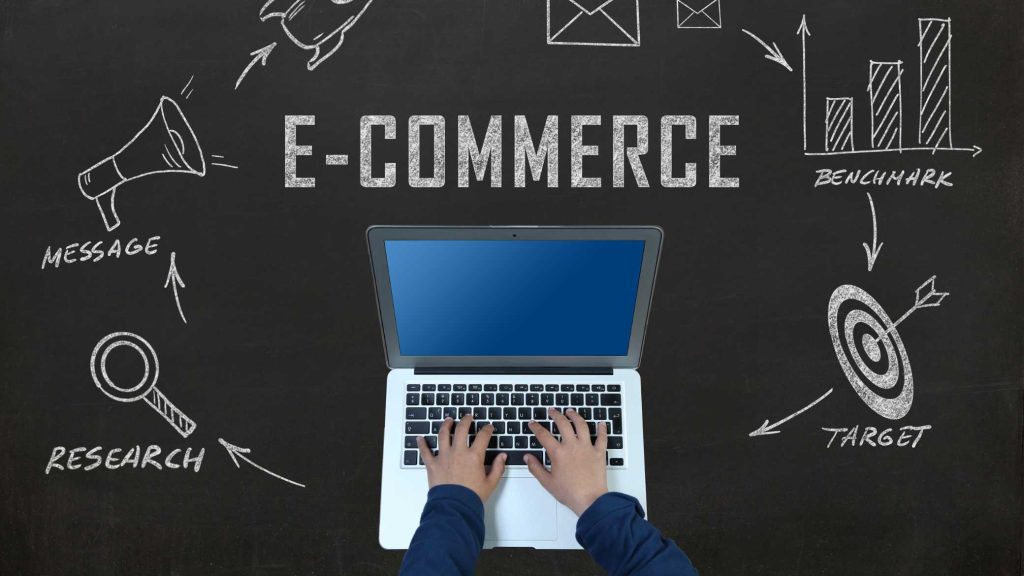
While the future of online business offers many opportunities, it also presents several challenges. One of the major challenges is intense competition. Because online businesses have low entry barriers, many markets become crowded quickly.
Cybersecurity will also become an important concern. As businesses rely more on digital systems, protecting customer data and financial transactions will become critical.
Another challenge is the rapid pace of technological change. Entrepreneurs must continuously learn new tools and technologies to remain competitive in the evolving digital environment.
Regulatory changes related to data protection, digital payments, and international commerce may also affect online businesses in the future.
Businesses that stay adaptable and proactive will be better prepared to overcome these challenges.
Skills Needed for Online Entrepreneurs in 2030
The future of online business will require entrepreneurs to develop a combination of technical, creative, and strategic skills. Digital marketing knowledge will remain essential for attracting and converting customers.
Entrepreneurs will also need to understand search engine optimization, social media marketing, and content creation to build strong online visibility.
Knowledge of artificial intelligence tools, automation platforms, and analytics systems will become increasingly valuable for managing online businesses efficiently.
Creative thinking, problem-solving ability, and adaptability will also be important qualities for entrepreneurs navigating the rapidly changing digital landscape.
Continuous learning will be the key to long-term success in the online business world.
Future of Online Business in 2030 – Conclusion

The future of online business in 2030 will be defined by innovation, automation, and global connectivity. Artificial intelligence, immersive technologies, and advanced analytics will transform how businesses operate and how customers interact with digital platforms.
Entrepreneurs will have access to powerful tools that enable them to build scalable businesses with minimal resources. Digital products, subscription models, and global marketplaces will create new revenue opportunities for businesses of all sizes.
Buy Now : Ecommerce Website
At the same time, competition will increase as more individuals enter the online marketplace. Businesses must focus on delivering exceptional customer experiences, adopting new technologies, and continuously improving their strategies.
The online business landscape will continue to evolve, but one thing is certain: the digital economy will remain a powerful force shaping the future of entrepreneurship. Those who embrace innovation, adapt to change, and understand emerging trends will be well positioned to succeed in the online business world of 2030.
Keywords : Future of Online Business in 2030 – Future of Online Business in 2030 and 2035