Future Predictions for Digital Marketing (2027 and Beyond) : Comprehensive Guide
Future Predictions for Digital Marketing : Digital marketing has never been static, but the pace of transformation after 2027 will be faster, deeper, and more disruptive than anything the industry has experienced so far. Artificial intelligence, automation, immersive technologies, data privacy regulations, and evolving consumer expectations are reshaping how brands communicate, sell, and build trust online. Traditional tactics will not disappear, but they will be fundamentally redefined by intelligence-driven systems, intent-based discovery, and experience-led marketing.
Table of Contents
This comprehensive guide explores future predictions for digital marketing beyond 2027, covering emerging technologies, evolving consumer behavior, changes in SEO and search engines, the future of content marketing, advertising evolution, data privacy shifts, and how businesses can prepare for long-term digital success.
The Evolution of Digital Marketing Beyond 2027
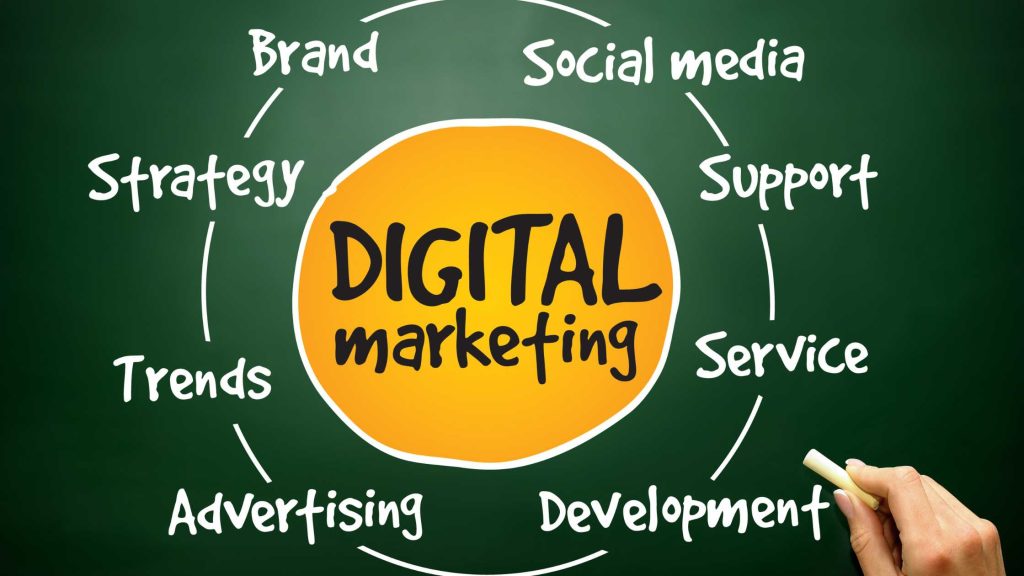
By 2027 and beyond, digital marketing will no longer be channel-centric. Instead of focusing on platforms like search engines, social media, or email separately, marketing will become experience-centric. Brands will be judged not by how often they appear but by how seamlessly they integrate into the user’s digital life.
Also Read : AI vs Content Marketers : A Comprehensive Guide 2025
Marketing strategies will rely heavily on predictive intelligence, real-time personalization, and intent-based interactions. Businesses that fail to adapt to these changes will struggle to remain visible and relevant.
AI Will Become the Core of Digital Marketing Strategy
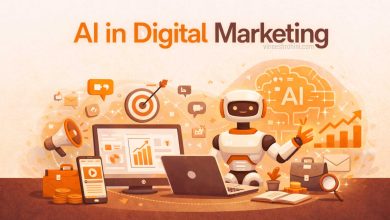
Artificial intelligence will move from being a support tool to becoming the foundation of digital marketing. AI will drive campaign planning, content creation, audience segmentation, budget allocation, and performance optimization. Marketing teams will shift from manual execution to strategic oversight.
AI-powered systems will analyze massive datasets to predict consumer behavior, identify emerging trends, and recommend actions before demand becomes obvious. This will reduce guesswork and increase efficiency, but it will also raise competition, as access to AI tools becomes widespread.
High-reaching keywords such as AI marketing automation, predictive digital marketing, machine learning in marketing, and AI-driven customer experience will dominate future search trends.
Search Engines Will Transform into Answer Engines
Search engines beyond 2027 will focus less on listing links and more on delivering direct, synthesized answers. AI-generated summaries, conversational interfaces, and multimodal search will dominate how users discover information.
Traditional keyword-based SEO will evolve into intent optimization and topical authority building. Websites that provide deep, structured, and trustworthy information will be favored, while thin or repetitive content will lose visibility.
Search queries will become more conversational, longer, and more contextual. Optimizing for questions, scenarios, and problem-solving content will be more important than optimizing for exact-match keywords.
The Decline of Click-Based Traffic and Rise of Zero-Click Experiences
One of the most significant shifts in digital marketing after 2027 will be the reduction of click-based traffic. Users will increasingly get answers, recommendations, and comparisons directly within platforms without visiting websites.
This does not mean websites will become irrelevant, but their role will change. Websites will act as authority sources, conversion hubs, and experience centers, while discovery happens elsewhere.
Marketers will need to measure success beyond traffic, focusing on visibility, brand recall, engagement depth, and assisted conversions.
Content Marketing Will Become Experience Marketing

Content marketing in the future will move beyond blogs and videos into immersive, interactive experiences. Static content will be replaced by adaptive content that changes based on user behavior, preferences, and context.
Interactive formats such as quizzes, assessments, simulations, calculators, and AI-powered content assistants will dominate engagement strategies. Storytelling will become more personalized, dynamic, and emotionally resonant.
High-reaching keywords such as interactive content marketing, immersive digital experiences, personalized content strategy, and adaptive content will shape future SEO landscapes.
The Rise of Conversational and Voice-First Marketing
Voice assistants, conversational AI, and chat-based interfaces will redefine how users interact with brands. By 2027 and beyond, a significant portion of digital interactions will happen without screens.
Brands will need to optimize content for conversational discovery, natural language queries, and voice-based decision-making. This includes simplifying messaging, focusing on clarity, and providing instant value.
Voice search optimization, conversational marketing, and AI chat experiences will become essential components of digital strategy.
Social Media Will Shift from Platforms to Communities
Social media marketing will evolve from content distribution to community-driven ecosystems. Algorithms will prioritize meaningful interactions, trust, and authenticity over viral reach.
Brands will need to build owned communities, private groups, and loyalty-driven ecosystems rather than relying solely on public feeds. Influencer marketing will become more relationship-based, with a focus on long-term partnerships rather than one-off promotions.
Community marketing, creator collaborations, and trust-based engagement will dominate social strategies.
Paid Advertising Will Become Smarter but More Expensive
Digital advertising will become more intelligent but also more competitive. AI-driven bidding systems will optimize campaigns in real time, but rising competition will increase costs across platforms.
Advertisers will rely heavily on first-party data, predictive analytics, and creative testing automation. Generic ads will fail, while highly personalized, context-aware ads will perform better.
Future advertising success will depend on creative quality, audience understanding, and data integration rather than budget size alone.
The End of Third-Party Cookies and the Rise of Privacy-First Marketing
Data privacy regulations will continue to tighten globally. Third-party cookies will be fully phased out, and consumer control over data will increase.
Marketers will need to adopt privacy-first strategies by focusing on first-party data, consent-based tracking, and transparent data practices. Trust will become a competitive advantage.
Brands that respect user privacy and communicate data usage clearly will build stronger long-term relationships.
Email Marketing Will Become More Intelligent and Personalized
Email marketing will remain one of the highest ROI channels, but it will evolve significantly. AI will personalize email content, timing, and frequency based on individual behavior and preferences.
Generic newsletters will decline, replaced by dynamic, intent-based email journeys that adapt in real time. Segmentation will become predictive rather than reactive.
Keywords like email automation strategy, personalized email marketing, and AI-driven email campaigns will gain prominence.
Video Marketing Will Dominate Attention Economy
Video will continue to dominate digital consumption, but formats will diversify. Short-form videos, interactive videos, live streams, and immersive video experiences will coexist.
Attention spans will be shorter, so storytelling will need to deliver value quickly. Educational, behind-the-scenes, and authenticity-driven videos will outperform polished promotional content.
Video SEO, short-form content strategy, and interactive video marketing will be key growth areas.
Ecommerce and Digital Commerce Will Become Experience-Led
Ecommerce marketing will shift from product-centric promotion to experience-led storytelling. Augmented reality, virtual try-ons, personalized recommendations, and conversational shopping assistants will redefine online buying.
Digital commerce will integrate seamlessly with content, communities, and entertainment. The line between marketing and selling will blur.
Brands that focus on trust, usability, and emotional connection will outperform those that focus only on discounts.
Influencer Marketing Will Become Credibility Marketing
Influencer marketing beyond 2027 will prioritize expertise, credibility, and alignment over follower counts. Micro-influencers and niche creators will deliver higher trust and engagement.
Audiences will value honest experiences, transparent disclosures, and real-world proof. Influencers will function as educators, reviewers, and community leaders rather than advertisers.
This shift will strengthen long-term brand equity.
SEO Will Become Reputation Management
Search engine optimization will evolve into digital reputation management. Search engines will evaluate brands based on content quality, user satisfaction, authority signals, and brand mentions across the web.
Online reviews, community discussions, expert citations, and thought leadership will influence visibility. SEO will integrate with PR, content marketing, and brand strategy.
Ranking will depend on trust as much as technical optimization.
Marketing Automation Will Shift Toward Human-Centered Design
Automation will not remove the human element; instead, it will amplify it. Future marketing automation will focus on reducing friction, improving relevance, and enhancing emotional connection.
Human creativity, empathy, and strategy will remain irreplaceable, even as execution becomes automated.
Successful marketers will combine technology with emotional intelligence.
Skills Digital Marketers Will Need Beyond 2027
Future digital marketers will need hybrid skills that combine data literacy, storytelling, AI understanding, and ethical judgment. Technical knowledge alone will not be enough.
Key skills will include strategic thinking, audience psychology, content design, analytics interpretation, and adaptability.
Continuous learning will be essential in an ever-evolving landscape.
Measuring Success in Future Digital Marketing
Traditional metrics like clicks and impressions will become less meaningful. Success will be measured through engagement quality, trust indicators, customer lifetime value, and brand affinity.
Marketers will focus on long-term impact rather than short-term wins.
Preparing for the Future of Digital Marketing
Businesses must invest in foundational assets such as strong content libraries, brand authority, first-party data systems, and customer relationships. Flexibility and experimentation will be crucial.
Those who adopt ethical, user-focused, and value-driven strategies will thrive in the future digital ecosystem.
Future Predictions for Digital Marketing – Conclusion

The future of digital marketing beyond 2027 is intelligent, immersive, privacy-conscious, and deeply human. Technology will enable unprecedented personalization and efficiency, but success will depend on trust, relevance, and meaningful experiences.
Buy Now : Canva Pro Video And Image Editing Software for 1 Rupees/Day
Brands that embrace change, prioritize user value, and integrate strategy with technology will lead the next era of digital marketing. Those who rely on outdated tactics or shortcuts will fade into irrelevance.
Digital marketing is no longer about chasing algorithms or platforms. It is about building lasting connections in a world driven by intelligence, intent, and trust.
Keywords : Future Predictions for Digital Marketing – Future Predictions for Digital Marketing 2026