Performance Marketing – A Comprehensive Guide 2026
Performance Marketing : It has evolved into the core growth engine for modern digital businesses. In 2026, marketing is no longer about vague awareness campaigns or broad exposure metrics. It is about measurable impact, accountable spending, and scalable revenue systems. Companies demand clarity: how much was spent, how many leads were generated, what was the cost per acquisition, and what return did the campaign produce? Performance marketing answers these questions with precision.
Table of Contents
Unlike traditional advertising models that focused heavily on impressions, reach, and brand recall, performance marketing operates on a pay-for-results foundation. Whether the goal is cost per click (CPC), cost per lead (CPL), cost per acquisition (CPA), or return on ad spend (ROAS), every campaign is structured around quantifiable outcomes. This shift has redefined how businesses approach digital growth.
In this comprehensive guide, we explore performance marketing in depth—its strategic foundation, core channels, funnel structures, tracking systems, creative optimization processes, budgeting models, artificial intelligence integration, team organization, scaling frameworks, and future trends shaping the industry through 2030.
What Is Performance Marketing?

It is a digital marketing strategy in which advertisers pay based on measurable results rather than estimated exposure. These measurable results include clicks, conversions, purchases, downloads, sign-ups, or other predefined actions. The defining characteristic of performance marketing is accountability. Every campaign is tied directly to data-driven metrics.
In 2026, It is powered by sophisticated analytics platforms, artificial intelligence algorithms, automated bidding systems, advanced audience segmentation, and integrated CRM infrastructures. It has expanded beyond simple pay-per-click advertising into a multi-channel ecosystem that connects acquisition, nurturing, and retention under one measurable framework.
Also Read : Influencer Affiliate Marketing : Comprehensive Guide 2026
Performance marketing enables businesses to transform marketing from a cost center into a revenue-generating engine.
The Core Principles of Performance Marketing
It is built on several foundational principles that differentiate it from traditional advertising.
First is data-driven decision-making. Every campaign action must be guided by measurable insights rather than intuition alone.
Second is continuous testing. Creative elements, audience segments, bidding strategies, and landing page designs are constantly optimized through structured A/B testing.
Third is scalability. Once a profitable formula is identified, budgets and reach are expanded strategically without compromising performance.
Fourth is attribution modeling. Understanding which touchpoints contribute to conversions allows for accurate budget allocation.
Finally, optimization loops are central. It is not static. Campaigns evolve based on ongoing data feedback.
These principles ensure long-term sustainability and growth.
The Performance Marketing Ecosystem
It operates within a structured ecosystem that aligns with the customer journey.
At the awareness stage, campaigns introduce the brand to cold audiences through search ads, social ads, and display campaigns.
During the consideration stage, retargeting and educational content nurture prospects. Messaging focuses on value, trust, and differentiation.
In the conversion stage, direct-response campaigns drive immediate action with optimized landing pages and compelling offers.
Finally, retention campaigns encourage repeat purchases and maximize lifetime value.
This structured funnel ensures no stage of the customer journey is neglected.
Key Performance Marketing Channels
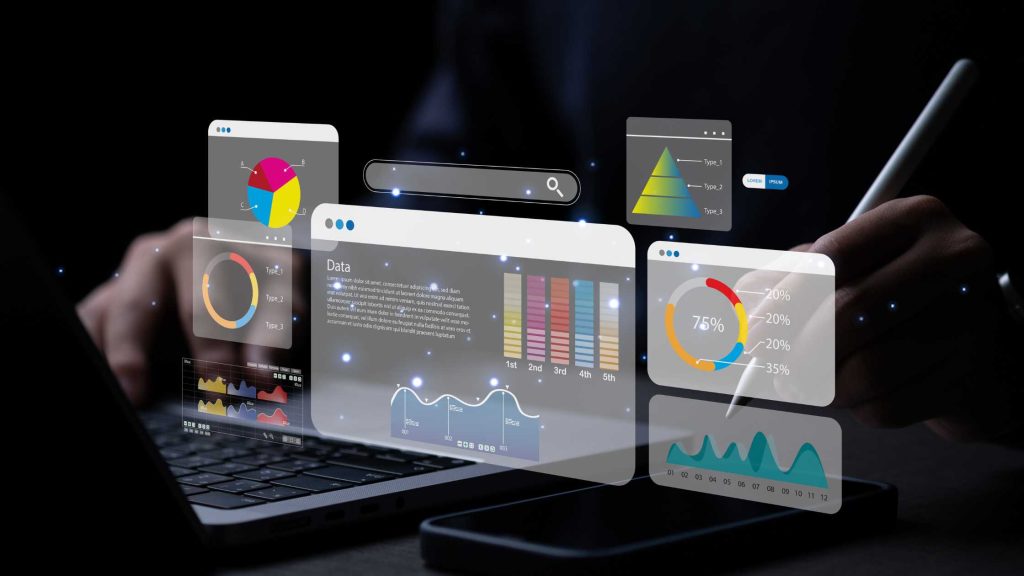
It integrates multiple digital channels, each serving a specific function.
Search Engine Marketing captures high-intent users actively seeking solutions. These campaigns often produce strong conversion rates due to demand alignment.
Social Media Advertising enables demographic and behavioral targeting. It is effective for both prospecting and retargeting.
Affiliate Marketing expands reach through performance-based partnerships where commissions are paid for results.
Display and Programmatic Advertising reinforce messaging and increase brand recall.
Native Advertising blends seamlessly with editorial content, increasing engagement.
The most successful campaigns integrate multiple channels into a unified strategy rather than relying on one platform.
Tracking, Analytics, and Attribution
Accurate tracking forms the backbone of performance marketing. Without reliable data, optimization becomes impossible.
Core tracking components include conversion pixels, event tracking, UTM parameters, CRM integrations, and multi-touch attribution modeling.
Multi-touch attribution is especially important in 2026 because customer journeys often involve multiple interactions before conversion. A prospect may click a search ad, view a retargeting ad, read a blog post, and finally convert via email. Understanding the influence of each touchpoint allows smarter budget allocation.
Advanced dashboards provide insights into cost per acquisition, return on ad spend, lifetime value, and churn rate.
Creative Strategy and Testing
Creative performance directly impacts campaign outcomes. Even with precise targeting, weak messaging reduces conversions.
Testing frameworks should evaluate headlines, visuals, video formats, call-to-action placement, emotional triggers, and value propositions.
Creative fatigue must be monitored carefully. Overexposed ads lose effectiveness, so refreshing creatives regularly maintains engagement.
Data-driven creative optimization ensures continuous performance improvement.
Budgeting and Scaling Frameworks
Budget allocation requires discipline. Initial campaigns focus on controlled testing across multiple audience segments and creatives.
Once profitable combinations are identified, scaling occurs through vertical scaling (increasing budget on winning campaigns) or horizontal scaling (expanding into new audiences or geographies).
Scaling too quickly can disrupt algorithm learning and reduce efficiency. Sustainable scaling requires gradual increases supported by data validation.
Conversion Rate Optimization Integration
Driving traffic is only half the equation. Conversion rate optimization improves the percentage of visitors who complete desired actions.
Strategies include improving landing page clarity, reducing form friction, adding social proof, optimizing mobile responsiveness, and streamlining checkout processes.
Higher conversion rates reduce cost per acquisition and increase return on investment.
Retargeting and Audience Segmentation
Retargeting captures users who previously engaged but did not convert. Personalized messaging increases relevance and improves conversion probability.
Audience segmentation enables tailored campaigns based on behavior, purchase history, and engagement patterns.
Segmentation strengthens personalization and enhances campaign efficiency.
AI and Automation in Performance Marketing
Artificial intelligence plays a central role in 2026 performance marketing. Automated bidding systems adjust budgets in real time. Predictive models identify high-value audiences. Dynamic creative optimization personalizes messaging.
Buy Now : Affiliate Marketing Website
AI enhances efficiency but requires strategic oversight to ensure alignment with business goals.
Measuring Success: Key Performance Indicators
Performance marketing success is evaluated through metrics such as:
Cost per Click
Cost per Lead
Cost per Acquisition
Return on Ad Spend
Customer Lifetime Value
Churn Rate
Conversion Rate
Understanding these metrics enables continuous improvement.
Common Mistakes in Performance Marketing
Frequent errors include neglecting tracking setup, scaling prematurely, ignoring creative fatigue, focusing only on acquisition without retention, and failing to analyze lifetime value.
Avoiding these pitfalls strengthens long-term sustainability.
Building a High-Performance Team
Effective performance marketing requires collaboration between media buyers, analysts, creative designers, copywriters, conversion specialists, and CRM managers.
Integrated teamwork ensures cohesive execution.
The Future of Performance Marketing (2026–2030)
Emerging trends include AI-driven predictive targeting, voice commerce integration, augmented reality advertising, privacy-focused data strategies, and first-party data expansion.
It will continue evolving toward greater automation and personalization.
Conclusion

Performance marketing in 2026 represents the intersection of accountability, data analytics, creative strategy, and scalable growth systems. Unlike traditional marketing approaches that emphasize visibility, It demands measurable results. By integrating structured funnels, advanced tracking systems, disciplined testing, AI-driven optimization, and conversion rate improvements, businesses can build sustainable acquisition engines that generate predictable revenue.
Buy Now : Ecommerce Website
Success requires strategic thinking, continuous experimentation, and data literacy. Organizations that embrace performance-driven frameworks will dominate competitive digital landscapes and achieve long-term growth.
Disclaimer
This content is for educational and informational purposes only. Campaign performance depends on industry competition, ad platform policies, budget allocation, and execution quality. This is not financial advice.