Personal Branding for Entrepreneurs : Comprehensive Guide 2026
Personal Branding for Entrepreneurs : In the fast-evolving digital economy of 2026, personal branding has transformed from an optional strategy into a foundational requirement for entrepreneurial success. Whether you are a startup founder, freelancer, content creator, or business owner, your personal brand is the most powerful asset you own. It defines how people perceive you, trust you, and ultimately choose to do business with you. In an era driven by digital presence, social proof, and authenticity, entrepreneurs who invest in building a strong personal brand gain a significant competitive advantage in visibility, authority, and revenue generation.
Table of Contents
Personal branding is no longer limited to influencers or celebrities. Today, it is a strategic combination of your identity, expertise, storytelling, online presence, and value delivery. It shapes how your audience connects with you across platforms like LinkedIn, Social medias, websites, and search engines. More importantly, it builds long-term trust, which is the currency of modern business.
Understanding Personal Branding in 2026

Personal branding is the intentional process of creating and managing your reputation. It is how you position yourself in the minds of your target audience. In 2026, personal branding is deeply integrated with digital marketing, SEO strategies, AI tools, and content ecosystems. Entrepreneurs are no longer just business owners; they are storytellers, educators, and thought leaders.
A strong personal brand answers three key questions: Who are you? What do you stand for? Why should people trust you? These questions form the core of your brand identity and influence everything from your content to your business decisions.
Also Read : How to Overcome Personal Branding Challenges
The rise of AI-generated content has made authenticity even more valuable. People are no longer impressed by generic content; they want real experiences, insights, and unique perspectives. This makes personal branding more human-centric than ever before.
Why Personal Branding is Essential for Entrepreneurs
The importance of personal branding lies in its ability to create trust and recognition at scale. Consumers today prefer buying from people rather than faceless companies. A well-established personal brand acts as a trust bridge between you and your audience.
Personal branding helps entrepreneurs achieve higher visibility on search engines. When your name becomes associated with specific keywords such as “digital marketing expert,” “startup consultant,” or “online business coach,” you naturally rank higher in search results. This leads to organic traffic, inbound leads, and long-term brand authority.
Another major advantage is differentiation. In crowded markets, products and services often look similar. Your personal brand becomes the deciding factor that sets you apart. It communicates your values, personality, and unique approach, making it easier for customers to choose you over competitors.
Additionally, personal branding opens multiple income streams. Entrepreneurs can monetize their brand through consulting, online courses, speaking engagements, affiliate marketing, digital products, and content platforms.
Building a Strong Personal Brand Foundation
The foundation of personal branding starts with clarity. You must define your niche, target audience, and core message. Without clarity, your branding efforts will lack direction and consistency.
Your niche should align with your expertise, passion, and market demand. High-search niches in 2026 include personal finance, digital marketing, AI tools, online business, health and wellness, and career growth. Choosing the right niche ensures that your content attracts a relevant audience.
Your target audience should be clearly defined based on demographics, interests, problems, and goals. Understanding your audience allows you to create content that resonates and adds value.
Your core message is the central theme of your brand. It should communicate what you stand for and how you help people. This message should be consistent across all platforms and content formats.
Crafting Your Unique Value Proposition

A powerful personal brand is built on a strong unique value proposition (UVP). This is what makes you different and valuable. Your UVP should clearly explain why someone should follow you, trust you, or buy from you.
To create a compelling UVP, focus on your strengths, experiences, and results. Instead of trying to be everything for everyone, specialize in a specific area. For example, instead of being a “business coach,” position yourself as a “digital marketing strategist for small businesses.”
Your UVP should be simple, clear, and benefit-driven. It should highlight the transformation you provide rather than just your skills.
Creating High-Quality Content That Builds Authority
Content is the backbone of personal branding. In 2026, content marketing is more sophisticated, data-driven, and personalized. Entrepreneurs must focus on creating high-quality, value-packed content that educates, inspires, and engages their audience.
There are multiple content formats you can use, including blog posts, videos, short-form content, podcasts, newsletters, and social media posts. Each format serves a different purpose and reaches different segments of your audience.
Long-form content such as blog posts and YT videos helps establish authority and improve SEO rankings. Short-form content like reels and shorts increases visibility and engagement. Combining both formats creates a balanced content strategy.
Consistency is key. Posting regularly keeps your audience engaged and signals credibility. However, quality should never be compromised for quantity. One valuable piece of content is more impactful than multiple low-quality posts.
Leveraging SEO for Personal Branding Growth
Search engine optimization (SEO) plays a crucial role in personal branding. It helps your content rank higher on search engines, making it easier for people to discover you.
To optimize your personal brand for SEO, focus on high-reaching keywords such as “personal branding tips,” “online business strategies,” “entrepreneur mindset,” and “digital marketing growth.” Incorporate these keywords naturally into your content, titles, and descriptions.
Creating a personal website or blog is essential for SEO. It acts as your digital home and allows you to control your narrative. Your website should include an about page, blog section, portfolio, and contact information.
Backlinks, internal linking, and content optimization further improve your search rankings. Over time, consistent SEO efforts lead to long-term visibility and authority.
Social Media Strategy for Personal Branding
Social media platforms are powerful tools for building and amplifying your personal brand. Each platform has its unique audience and content style.
LinkedIn is ideal for professional branding and B2B networking. Insta focuses on visual storytelling and engagement. YT is excellent for long-form educational content, while Twitter (X) is great for quick insights and thought leadership.
In 2026, multi-platform presence is important, but it should be strategic. Instead of trying to dominate all platforms, focus on 2-3 platforms where your audience is most active.
Engagement is more important than follower count. Responding to comments, participating in discussions, and building relationships create a loyal community around your brand.
Building Trust and Authenticity
Trust is the foundation of personal branding. Without trust, even the most polished branding efforts will fail. Authenticity is the key to building trust.
Sharing your journey, challenges, failures, and lessons makes your brand relatable. People connect with real stories more than perfection. Transparency builds credibility and strengthens your connection with your audience.
Testimonials, case studies, and social proof further enhance trust. Showcasing real results demonstrates your expertise and reliability.
Monetizing Your Personal Brand
Once your personal brand is established, it becomes a powerful income-generating asset. Entrepreneurs can monetize their brand in multiple ways.
Consulting and coaching are common monetization methods. By leveraging your expertise, you can offer personalized guidance to clients.
Digital products such as eBooks, courses, and templates provide scalable income. These products can be sold repeatedly without additional effort.
Affiliate marketing is another effective strategy. Promoting relevant products and earning commissions adds to your income streams.
Speaking engagements, brand collaborations, and sponsored content further expand your earning potential.
Using AI Tools for Personal Branding in 2026
Artificial intelligence is revolutionizing personal branding. AI tools help entrepreneurs create content, analyze data, and optimize strategies more efficiently.
AI-powered writing tools assist in generating blog posts, captions, and scripts. Video editing tools simplify content creation. Analytics tools provide insights into audience behavior and content performance.
However, while AI enhances efficiency, it should not replace authenticity. The human element remains essential for building trust and connection.
Common Mistakes to Avoid
Many entrepreneurs struggle with personal branding due to common mistakes. One major mistake is lack of consistency. Inconsistent content and messaging confuse the audience and weaken your brand.
Another mistake is trying to appeal to everyone. A broad approach dilutes your message and reduces impact. Focusing on a specific niche leads to stronger results.
Ignoring audience engagement is also a critical error. Personal branding is not just about broadcasting content; it is about building relationships.
Lastly, over-reliance on trends can harm your brand. While trends can boost visibility, your core message should remain consistent.
Future Trends in Personal Branding
The future of personal branding is shaped by technology, content evolution, and audience expectations. In 2026, video content continues to dominate, with short-form videos gaining massive traction.
Voice search and AI-driven recommendations are influencing content discovery. Entrepreneurs must optimize their content for these trends to stay relevant.
Community building is becoming more important than follower count. Private communities, memberships, and exclusive content create deeper connections and loyalty.
Personal branding is also becoming more integrated with business branding. Entrepreneurs are positioning themselves as the face of their companies, creating a seamless brand experience.
Personal Branding for Entrepreneurs – Conclusion
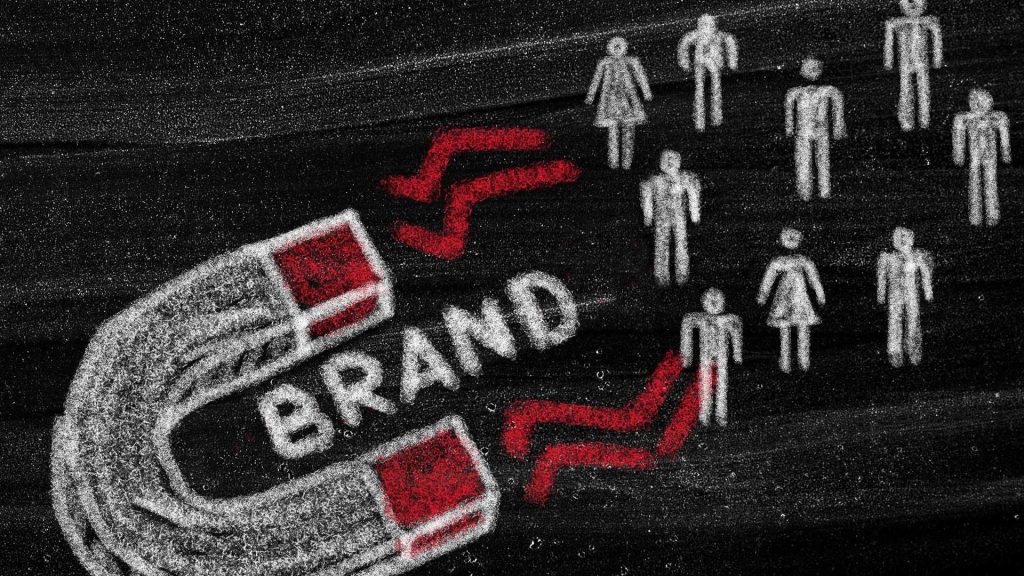
Personal branding for entrepreneurs in 2026 is a powerful strategy that combines authenticity, content marketing, SEO, and digital presence. It is not just about visibility; it is about building trust, authority, and long-term relationships with your audience.
By defining your niche, creating valuable content, leveraging SEO, and maintaining consistency, you can build a strong personal brand that drives growth and opportunities. In a competitive digital landscape, your personal brand is your biggest asset and your most reliable marketing tool.
Buy Now : ChatGPT Money Making Machine
Entrepreneurs who invest in personal branding today are not just building a reputation; they are creating a legacy that extends beyond their business.
Keywords : Personal Branding for Entrepreneurs – Personal Branding for Entrepreneurs 2026