SEO for Affiliate Marketing : Comprehensive Guide 2026
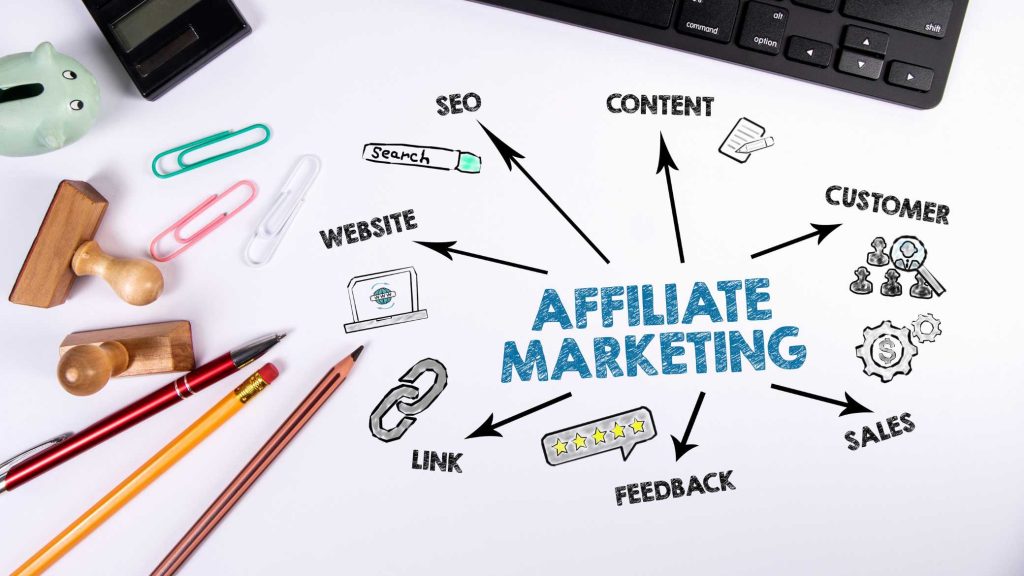
SEO for Affiliate Marketing : In 2026, affiliate marketing continues to be one of the most powerful and scalable online business models, but the competition has reached an all-time high. Simply placing affiliate links on a website is no longer enough to generate consistent income. The real game-changer is Search Engine Optimization (SEO), which allows affiliate marketers to attract high-intent organic traffic, rank on G, and build long-term passive income streams. SEO for affiliate marketing is not just about keywords—it is about understanding user intent, creating high-value content, optimizing technical performance, and building authority in your niche.
Table of Contents
Affiliate marketing combined with SEO creates a sustainable business model where you earn commissions by promoting products while leveraging search engines to drive free traffic. Unlike paid ads, SEO traffic compounds over time, making it one of the most profitable digital strategies. This comprehensive guide explores advanced SEO strategies for affiliate marketing in 2026, helping you rank higher, increase conversions, and build a long-term online business.
Understanding SEO in Affiliate Marketing
SEO for affiliate marketing is the process of optimizing your website and content to rank on search engines for keywords that potential buyers are actively searching for. The goal is not just traffic but targeted traffic—users who are ready to take action, whether it is purchasing a product, signing up for a service, or clicking an affiliate link.
Also Read : Best Affiliate Niches in 2026
Search engines like G have become smarter, focusing heavily on user experience, content quality, and authority. This means affiliate marketers must move beyond basic keyword stuffing and focus on delivering real value. Gs algorithms now prioritize content that demonstrates expertise, experience, authority, and trustworthiness (E-E-A-T), making it essential to create authentic and helpful content.
Keyword Research for Affiliate SEO
Keyword research is the foundation of any successful affiliate marketing strategy. In 2026, the focus has shifted from high-volume keywords to high-intent keywords. These include phrases like “best,” “review,” “top,” “comparison,” and “buy,” which indicate that the user is closer to making a purchase decision.
Long-tail keywords are particularly valuable because they have lower competition and higher conversion rates. For example, instead of targeting “laptop,” a better keyword would be “best laptop for video editing under ₹1 lakh.” These keywords attract users with specific needs, increasing the likelihood of conversions.
Using keyword clustering is another effective strategy. Instead of creating one page per keyword, you can group related keywords and create comprehensive content that covers multiple search queries. This improves your chances of ranking for a wider range of keywords.
Content Strategy for Affiliate Marketing

Content is the backbone of affiliate SEO. High-quality, informative, and engaging content not only attracts visitors but also builds trust and encourages conversions. In 2026, content must be user-focused and problem-solving rather than purely promotional.
There are several types of content that perform exceptionally well in affiliate marketing. Product reviews provide in-depth insights into specific products, helping users make informed decisions. Comparison articles highlight the differences between multiple products, making them ideal for users who are evaluating options. Listicles, such as “Top 10 Best Smartphones in 2026,” are highly popular because they present information in an easy-to-digest format.
Tutorials and how-to guides are also powerful because they address user problems while subtly integrating affiliate links. For example, a guide on “How to Start a YouTube Channel” can include affiliate links for cameras, microphones, and editing software.
On-Page SEO Optimization
On-page SEO involves optimizing individual pages to improve their search rankings. This includes using primary and secondary keywords strategically in titles, headings, meta descriptions, and throughout the content. However, keyword usage must be natural and aligned with user intent.
Optimizing headings (H1, H2, H3) improves readability and helps search engines understand the structure of your content. Internal linking is another critical factor, as it helps distribute authority across your website and improves navigation.
Image optimization is often overlooked but plays a significant role in SEO. Using descriptive file names and alt text can help your images rank in search results and drive additional traffic.
Page speed and mobile responsiveness are also crucial. With the majority of users accessing content on mobile devices, a fast and responsive website is essential for both user experience and search rankings.
Technical SEO for Affiliate Websites
Technical SEO ensures that your website is easily accessible and understandable for search engines. This includes optimizing site structure, improving loading speed, and ensuring proper indexing.
A well-organized site structure helps search engines crawl your website efficiently. Using a clear hierarchy with categories and subcategories improves both SEO and user experience. Implementing schema markup can enhance your search listings with rich snippets, such as star ratings and product details, which can significantly increase click-through rates.
Secure websites (HTTPS) are now a standard requirement. Additionally, fixing broken links, optimizing URLs, and creating an XML sitemap are essential technical practices.
Building Authority and Backlinks
Backlinks remain one of the most important ranking factors in SEO. High-quality backlinks from authoritative websites signal to search engines that your content is trustworthy and valuable.
In 2026, the focus is on quality over quantity. Instead of acquiring numerous low-quality links, it is better to build a few high-quality backlinks from reputable sources. Guest blogging, influencer collaborations, and content partnerships are effective strategies for building backlinks.
Creating link-worthy content, such as in-depth guides, original research, and case studies, can naturally attract backlinks. This not only improves your SEO but also establishes your authority in the niche.
User Experience and Conversion Optimization
SEO is not just about rankings—it is also about conversions. A well-optimized affiliate website should guide users seamlessly from content to action. This includes using clear call-to-action buttons, strategically placing affiliate links, and ensuring a clean and user-friendly design.
Trust plays a crucial role in conversions. Including honest reviews, pros and cons, and personal experiences can build credibility. Transparency about affiliate links also enhances trust and complies with legal requirements.
Reducing distractions and improving readability can significantly impact user engagement. Using bullet points, short paragraphs, and visual elements makes content easier to consume.
Voice Search and AI SEO Trends
With the rise of voice assistants and AI-driven search, optimizing for voice search has become increasingly important. Voice queries are typically longer and more conversational, requiring a different approach to keyword optimization.
AI is also transforming SEO by enabling advanced data analysis and content generation. However, relying solely on AI-generated content can be risky. Combining AI efficiency with human creativity ensures better results.
Search engines are increasingly focusing on user intent and context, making it essential to create content that answers specific questions and provides comprehensive solutions.
Local SEO for Affiliate Marketing
Local SEO is an underrated strategy in affiliate marketing. Targeting location-specific keywords can help you capture a niche audience with less competition. For example, “best digital marketing courses in Kerala” or “top gyms in Kochi” can attract local traffic with high conversion potential.
Creating location-based content and optimizing your website for local searches can open new revenue streams, especially if you promote local businesses or services.
Analytics and Performance Tracking
Tracking your performance is essential for optimizing your SEO strategy. Tools like G Analytics and Search Console provide valuable insights into traffic, user behavior, and keyword rankings.
Monitoring metrics such as click-through rates, bounce rates, and conversion rates helps you identify areas for improvement. Regularly updating and optimizing your content ensures that it remains relevant and competitive.
A/B testing different content formats, headlines, and call-to-action placements can help you maximize conversions.
Common Mistakes to Avoid
One of the biggest mistakes in affiliate SEO is focusing solely on search engines rather than users. Content that lacks value or authenticity is unlikely to rank or convert. Overloading pages with affiliate links can also harm user experience and reduce trust.
Ignoring mobile optimization and page speed can negatively impact rankings and user engagement. Additionally, failing to update content regularly can result in outdated information, affecting credibility.
Future of SEO in Affiliate Marketing
The future of SEO for affiliate marketing is driven by personalization, AI, and user experience. Search engines are becoming more sophisticated, prioritizing content that provides genuine value and satisfies user intent.
Video content, interactive experiences, and voice search optimization are expected to play a significant role in the coming years. Affiliate marketers who adapt to these trends will have a competitive advantage.
Building a strong brand and authority will become increasingly important. Users are more likely to trust and engage with websites that demonstrate expertise and credibility.
SEO for Affiliate Marketing – Conclusion

SEO for affiliate marketing in 2026 is a dynamic and evolving field that requires a strategic approach. By focusing on high-intent keywords, creating valuable content, optimizing technical aspects, and building authority, you can achieve sustainable growth and consistent income.
Buy Now : Ready Made Digital Store with 100 Products
The combination of SEO and affiliate marketing offers a powerful opportunity to build a scalable online business. With the right strategies and continuous optimization, you can rank higher on search engines, attract targeted traffic, and maximize your earning potential.
Success in affiliate SEO is not about shortcuts—it is about delivering value, building trust, and staying ahead of industry trends. By embracing these principles, you can create a long-term, profitable online business in the competitive digital landscape of 2026.
Keywords : SEO for Affiliate Marketing – SEO for Affiliate Marketing 2026