Shopify Dropshipping in 2026 — Comprehensive Guide
Shopify dropshipping continues to be one of the most talked-about online business models in 2026 because it offers a low-risk entry into ecommerce while still providing massive scalability potential. With global ecommerce growing rapidly, improved logistics infrastructure, AI-powered tools, and simplified store management systems, dropshipping has evolved far beyond its early experimental phase.
Table of Contents
Today, it is a structured business model that rewards research, branding, customer experience, and strategic execution rather than shortcuts. This comprehensive guide explains Shopify dropshipping in 2026 from a beginner’s perspective, covering what dropshipping is, why it still works, the best niches to focus on, and a step-by-step strategy to start and scale successfully.
What is Dropshipping? A Beginner-Friendly Explanation

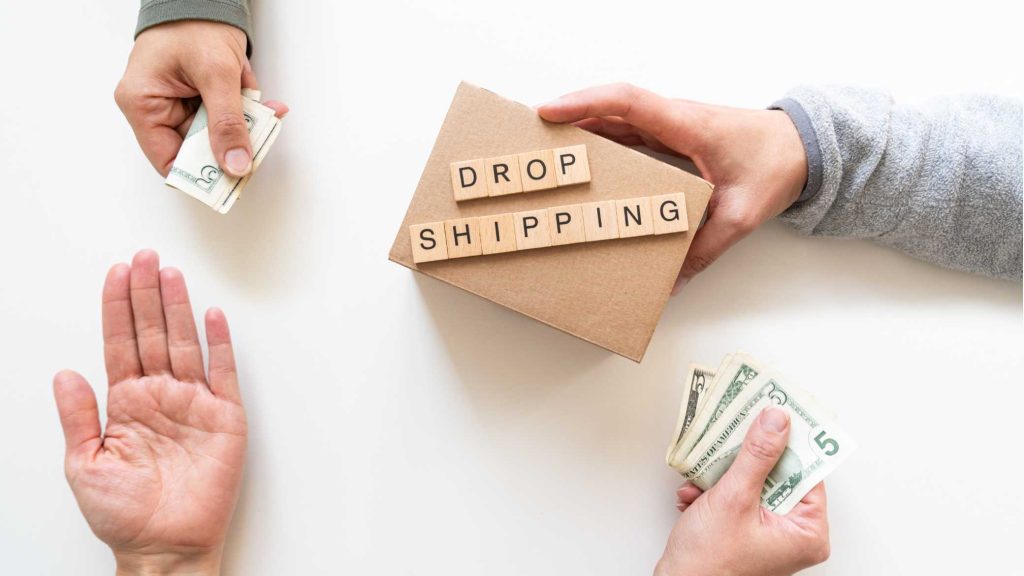
Dropshipping is an ecommerce fulfillment model where the store owner sells products without holding physical inventory. Instead of purchasing products in bulk and storing them, the seller lists products on a Shopify store. When a customer places an order, the order details are forwarded to a third-party supplier who ships the product directly to the customer. The seller earns profit by charging a retail price higher than the supplier’s cost.
The biggest advantage of dropshipping is that it removes inventory risk. You do not need a warehouse, packaging staff, or upfront stock investment. This makes it especially attractive for beginners, solo entrepreneurs, content creators, and digital marketers who want to build an online business with limited capital. In 2026, dropshipping is no longer just about listing random products. It is about building niche-focused stores, creating trust, optimizing user experience, and delivering consistent value.
Why Shopify is the Best Platform for Dropshipping in 2026
Shopify remains the leading platform for dropshipping because of its stability, scalability, and ecosystem. Shopify allows anyone to create a professional ecommerce store without coding knowledge. Its app ecosystem supports product sourcing, order automation, inventory syncing, payment processing, analytics, customer communication, and marketing.
In 2026, Shopify has further improved mobile optimization, checkout speed, AI-based store recommendations, and global payment support. Shopify stores load faster, convert better, and integrate easily with dropshipping suppliers. For beginners, Shopify provides a structured environment where mistakes are minimized and growth is supported.
High-search keywords naturally associated with Shopify dropshipping include Shopify ecommerce business, Shopify dropshipping store, dropshipping business model, online store without inventory, ecommerce for beginners, and low-investment online business.
Is Dropshipping Still Profitable in 2026?
Yes, dropshipping is still profitable in 2026, but only for sellers who treat it as a real business. The days of copying trending products and expecting instant profits are over. Today’s customers are smarter, competition is higher, and advertising costs require better planning.
Dropshipping works best when sellers focus on problem-solving products, niche branding, customer trust, and repeat purchases. Profitability now depends on product selection, pricing strategy, customer lifetime value, shipping transparency, and post-purchase experience. Entrepreneurs who build brand-focused stores rather than generic product catalogs are the ones succeeding.
Best Dropshipping Niches in 2026
Choosing the right niche is the foundation of a successful Shopify dropshipping business. A good niche has consistent demand, emotional buying triggers, problem-solving potential, and reasonable competition.
Pet Products and Pet Accessories
Pet owners consistently spend money on their pets regardless of economic conditions. Products such as grooming tools, feeding accessories, pet toys, training tools, and pet health items perform well. The emotional connection between pets and owners creates strong conversion rates and repeat customers.
Beauty, Skincare, and Personal Care Devices
Beauty and skincare remain evergreen niches. Home-use beauty devices, skincare tools, hair care accessories, and wellness gadgets are highly visual and ideal for social media marketing. These products allow premium pricing when positioned correctly.
Home and Lifestyle Products
Home improvement, decor, and lifestyle accessories perform well because customers constantly look for convenience, organization, and aesthetic upgrades. Compact home products, space-saving tools, and smart lifestyle accessories are especially popular.
Fitness and Wellness Products
Fitness, recovery, posture correction, and wellness tools continue to grow as people prioritize health. Lightweight fitness accessories, resistance equipment, massage tools, and wellness gadgets work well for dropshipping due to high perceived value.
Tech Accessories and Productivity Tools
Phone accessories, laptop stands, ergonomic tools, cable organizers, and digital lifestyle products have steady demand. These products are easy to ship, frequently upgraded, and suitable for bundle offers.
High-Ticket and Premium Products
High-ticket dropshipping focuses on selling fewer products at higher prices. Jewelry, premium home items, specialized equipment, and luxury lifestyle products offer higher profit margins when supported by strong branding and trust signals.
Beginner Friendly Strategy to Start Shopify Dropshipping
Step 1: Market Research and Product Validation
The first step is identifying products that solve real problems or fulfill strong desires. Instead of guessing, beginners should analyze demand trends, competitor pricing, customer reviews, and market gaps. Validation involves ensuring people are already buying similar products and that there is room to differentiate.
Step 2: Setting Up a Shopify Store
Once a product is selected, create a Shopify store with a clean, professional design. Choose a mobile-friendly theme, set up essential pages such as About Us, Contact, Shipping Policy, and Refund Policy. Product pages should focus on benefits rather than features and include clear images, descriptions, and FAQs.
Step 3: Supplier Selection and Order Automation
Reliable suppliers are critical to long-term success. Choose suppliers with consistent quality, reasonable shipping times, and clear communication. Automation tools help sync inventory, process orders, and send tracking details automatically, reducing manual work.
Step 4: Pricing and Profit Planning
Pricing should cover product cost, shipping, payment fees, marketing costs, and profit margin. Beginners often underprice products, leading to losses when ads are introduced. A healthy margin allows flexibility for scaling.
Step 5: Marketing and Traffic Generation
Marketing is where most dropshipping businesses succeed or fail. In 2026, short-form video content, influencer collaborations, and targeted ads dominate. Organic content builds trust, while paid ads accelerate growth. Retargeting, email marketing, and customer engagement increase lifetime value.
Importance of Branding in Dropshipping
Branding is the difference between short-term sales and long-term success. A brand builds recognition, trust, and customer loyalty. Even in dropshipping, sellers can brand packaging, communication, visuals, and messaging. A niche-focused brand converts better than a general store because customers feel the store understands their needs.
Branding also allows higher pricing and better customer retention. When customers trust a brand, they are less sensitive to price and more forgiving of minor delays.
Order Fulfillment, Shipping, and Customer Expectations
Shipping transparency is essential in 2026. Customers expect clear delivery timelines, tracking updates, and responsive support. Sellers must clearly communicate shipping durations on product pages and confirmation emails. Handling delays professionally protects brand reputation.
Also Read : Email Newsletter Publisher Business : A Comprehensive Guide 2025
Returns and refunds should be managed with clarity. Even if suppliers have restrictive return policies, sellers should prioritize customer satisfaction to maintain reviews and long-term trust.
Scaling a Shopify Dropshipping Business
Once a product proves profitable, scaling involves increasing ad budgets gradually, expanding product lines, improving supplier terms, and optimizing conversion rates. Many successful dropshippers eventually move to bulk inventory or private labeling to improve margins and shipping speed.
Automation, analytics, and customer retention systems become more important as volume increases. Scaling is not about adding more products randomly but about strengthening what already works.
Common Mistakes Beginners Must Avoid
Many beginners fail because they rush product selection, ignore branding, underestimate customer service, or overspend on ads without testing. Another common mistake is relying on a single supplier or trend. Sustainable success comes from consistency, data-driven decisions, and patience.
Final Thoughts: Shopify Dropshipping in 2026

Shopify dropshipping in 2026 is not a shortcut to overnight wealth, but it is a powerful business model for those willing to learn and adapt. With the right niche, strong product research, reliable suppliers, professional branding, and smart marketing, dropshipping can evolve into a scalable ecommerce brand.
Buy Now : News and Magazine Website
For beginners, Shopify provides the tools, structure, and flexibility needed to start with confidence. The key is to treat dropshipping as a long-term business, focus on customer value, and continuously optimize every stage of the journey. Those who do will find that dropshipping in 2026 is not only viable but full of opportunity.
Keywords : Shopify dropshipping, Shopify dropshipping 2026