Taxation Guide for Online Entrepreneurs : A Comprehensive Guide 2026
Taxation : The rise of digital businesses has completely transformed how people earn money. In 2026, thousands of entrepreneurs are earning through blogging, YT, affiliate marketing, ecommerce, freelancing, SaaS platforms, digital product sales, and online consulting services. While starting an online business is easier than ever, taxation compliance has become stricter across most countries. Governments are now closely monitoring digital transactions, payment gateway data, marketplace reports, and international transfers. Many online entrepreneurs focus only on revenue growth and marketing but ignore taxation until they receive notices or penalties.
Table of Contents
Understanding taxation is not just about compliance; it is about building a sustainable and legally secure business. Proper tax planning improves financial stability, helps in loan approvals, increases business credibility, and reduces legal risks. In 2026, online income is fully recognized as formal taxable income in most economies. Whether you are earning through ads, affiliate commissions, consulting, or ecommerce, you must understand tax rules. This comprehensive taxation guide explains income tax rules, GST or indirect tax structure, digital product taxation, international income reporting, tax deductions, tax planning, and future taxation trends for online entrepreneurs.
Understanding Online Business Taxation Fundamentals
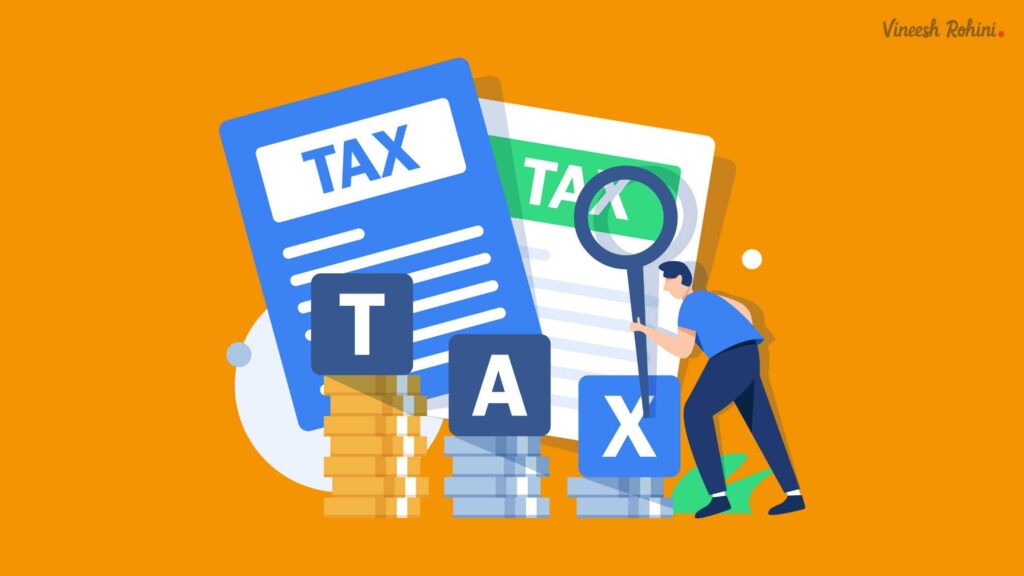
Online business taxation refers to the legal requirement of reporting income earned through digital activities and paying applicable taxes to government authorities. Many beginners believe small online income does not need tax reporting. This is incorrect in most tax systems. Once income crosses basic exemption limits or taxable thresholds, it must be declared.
Online income sources include ad revenue, affiliate earnings, digital product sales, freelancing payments, course income, ecommerce profits, subscription income, and sponsorship payments. Governments are now using automated digital tracking systems to monitor transactions. Banks, payment gateways, and marketplaces may share transaction data with authorities. Ignoring tax compliance can lead to penalties, interest charges, and legal action. Tax compliance is not only about paying tax but also about maintaining transparent financial records.
Why Tax Compliance is Important for Online Entrepreneurs
Tax compliance provides multiple long-term benefits beyond legal safety.
Key Importance Points:
• Prevents legal penalties and notices
• Improves financial credibility
• Helps in loan and credit approvals
• Increases business valuation
• Builds investor trust
• Supports long-term business stability
Also Read : How to Build a Personal Brand Online – Comprehensive Guide
Entrepreneurs who maintain proper tax records find it easier to scale their businesses and access financial opportunities.
Types of Taxes Online Entrepreneurs Must Understand
1. Income Tax
Income tax applies to net profit earned from online business activities. Net profit means total revenue minus eligible business expenses. If your online business earns revenue, income tax usually applies.
2. GST / VAT / Sales Tax (Indirect Taxes)
If you sell goods or certain services, indirect taxes like GST or VAT may apply depending on turnover thresholds. Ecommerce sellers usually have stricter compliance requirements.
3. International Taxation
If you receive payments from foreign platforms or clients, international tax rules may apply. Some countries require foreign income declaration even if tax was deducted abroad.
Common Taxable Income Sources for Online Businesses
Online income sources usually considered taxable include:
• Affiliate marketing commissions
• Ad revenue from blogs, apps, and videos
• Freelancing and consulting payments
• Digital product sales
• Online course income
• Subscription membership revenue
• Ecommerce product profits
• Sponsored content income
• Creator platform earnings
If money is credited to your bank or payment account, it is generally taxable unless specifically exempted.
Choosing Business Structure and Tax Impact
Choosing the right business structure impacts tax rates and compliance workload.
Common Business Structures:
• Individual / Sole Proprietor – Simple compliance, common for beginners
• Partnership – Shared profit and tax responsibility
• LLP – Limited liability with moderate compliance
• Private Company – Higher compliance but better scaling options
Most online entrepreneurs start as individuals and upgrade when revenue grows.
GST / Indirect Tax Rules for Digital Businesses
If your business sells products or certain services, GST registration may become mandatory after crossing turnover thresholds. Ecommerce sellers may need GST earlier depending on country rules. Digital service providers may have separate registration rules. Marketplace platforms sometimes deduct tax at source. Always verify local regulations.
Business Expense Deductions Online Entrepreneurs Can Claim
Many online entrepreneurs overpay tax by not tracking business expenses properly.
Common Deductible Expenses:
• Laptop and electronic equipment
• Software subscriptions
• Internet and communication bills
• Office rent or co-working space cost
• Advertising and marketing expenses
• Website hosting and domain cost
• Payment gateway charges
• Professional consultation fees
• Business travel expenses
Tracking expenses reduces taxable income legally.
Financial Record Keeping Best Practices
Maintaining financial records is essential for tax filing and audits.
Important Records to Maintain:
• Income reports
• Expense bills and invoices
• Bank statements
• Payment gateway reports
• Tax filing documents
• GST reports (if applicable)
Digital accounting tools make compliance easier and reduce manual errors.
Tax Planning Strategies for Online Entrepreneurs

Tax planning is legal optimization of tax liability.
Effective Tax Planning Points:
• Claim all eligible business expenses
• Choose correct business structure
• Separate business and personal accounts
• Use depreciation benefits on equipment
• Use legal tax saving investments
Tax planning should happen throughout the year, not only during filing season.
International Income Tax Rules for Digital Entrepreneurs
If you earn through international platforms, you may need to:
• Declare foreign income
• Check double taxation agreements
• Submit foreign income reporting forms
• Maintain foreign tax deduction records
Ignoring foreign income reporting can cause serious compliance problems.
Common Tax Mistakes Online Entrepreneurs Must Avoid
• Not reporting small income amounts
• Mixing personal and business finances
• Ignoring indirect tax thresholds
• Not maintaining invoices
• Missing tax filing deadlines
• Avoiding professional consultation
Avoiding these mistakes prevents penalties and stress.
Tax Filing Timeline for Online Entrepreneurs
Monthly Tasks:
• Track income and expenses
• Maintain invoices
Quarterly Tasks:
• GST filing (if applicable)
• Advance tax payments (if required)
Yearly Tasks:
• Income tax return filing
• Financial statement preparation
Consistent tracking reduces last-minute tax pressure.
Digital Payment Tracking by Governments
Governments now monitor digital income through:
• Banking transaction reports
• Payment gateway transaction data
• Marketplace seller data sharing
• International payment monitoring
Online income is highly traceable in 2026.
Buy Now : Ready Made Digital Store with 100 Products
Future Taxation Trends (2026 – 2030)
Future taxation systems may include:
• Real-time tax reporting
• AI-based income tracking
• Automated tax filing
• Stronger global digital tax monitoring
• Cross-border digital tax frameworks
Entrepreneurs must prepare for stricter digital compliance systems.
Best Tax Tools for Online Entrepreneurs
Helpful Tools Include:
• Accounting software
• Invoice generation tools
• Expense tracking apps
• Tax filing software
• Financial analytics dashboards
Automation reduces compliance risks.
When to Hire a Tax Professional
Consider professional help if:
• Income becomes complex
• You handle international payments
• You register a company
• You manage GST filings
• You need tax planning support
Professional guidance often saves more money long-term.
Taxation and Business Growth Connection
Proper tax compliance improves:
• Business credibility
• Funding eligibility
• Investor confidence
• Financial stability
• Legal security
Clean financial history supports long-term business expansion.
Practical Tax Action Plan
Step 1 – Track every income source
Step 2 – Track every business expense
Step 3 – Maintain separate business bank account
Step 4 – Understand tax deadlines
Step 5 – Use accounting software
Step 6 – Consult professional when needed
Conclusion

Taxation is a core foundation of building a long-term successful online business. In 2026, digital income monitoring has become more advanced, making compliance essential. Online entrepreneurs who maintain transparent financial records, track expenses properly, follow tax rules, and plan taxes strategically can avoid penalties and build financially strong businesses. Tax compliance is not a burden; it is a business protection system. Entrepreneurs who build tax discipline early create stable, scalable, and legally secure businesses. As the digital economy grows, taxation systems will become more automated and data-driven. Entrepreneurs who adapt early will gain long-term advantages. Treat taxation as part of business strategy, not just legal compliance.
Buy Now : Ready Made Digital Store with 100 Products
Disclaimer
This content is for educational and informational purposes only. Tax laws vary by country and may change. This is not legal, financial, or tax advice. Always consult a qualified tax professional for personalized guidance.