Inbound Marketing Strategy : Comprehensive Professional Guide 2026
Inbound Marketing : In the increasingly competitive and digitally driven business environment of 2026, inbound marketing has established itself as one of the most effective and sustainable strategies for attracting high-quality leads, nurturing customer relationships, and driving long-term business growth. Unlike traditional outbound marketing approaches that rely on interruption-based tactics such as cold calls, display ads, and mass promotions, inbound marketing focuses on creating value-driven experiences that naturally attract potential customers. By aligning content, search engine optimization, data analytics, and customer-centric strategies, businesses can build trust, establish authority, and convert prospects into loyal customers over time.
This comprehensive professional guide explores how to develop a winning inbound marketing strategy using high-impact keywords such as “inbound marketing strategy 2026,” “SEO-driven lead generation,” “content marketing funnel optimization,” “marketing automation inbound strategy,” “customer journey mapping,” and “high-converting inbound campaigns.”
The Evolution and Importance of Inbound Marketing in 2026
Inbound marketing has evolved significantly over the past decade, driven by changes in consumer behavior, advancements in technology, and the growing importance of digital channels. Modern buyers are more informed, research-oriented, and selective in their purchasing decisions. They actively seek solutions online, compare options, read reviews, and engage with content before making a decision. This shift has made it essential for businesses to position themselves as trusted sources of information rather than aggressive sellers.
In 2026, inbound marketing is no longer limited to blogging and SEO; it has expanded into a comprehensive ecosystem that includes artificial intelligence, predictive analytics, personalization, and omnichannel engagement. Businesses that adopt inbound marketing strategies benefit from lower customer acquisition costs, higher conversion rates, and stronger brand loyalty.
Also Read : B2B Marketing : Build a Winning Strategy : A Comprehensive Guide 2026
The importance of inbound marketing lies in its ability to create meaningful connections with customers. By delivering relevant and valuable content at the right time, businesses can guide prospects through the buyer journey and influence their decision-making process effectively.
Understanding the Inbound Marketing Methodology
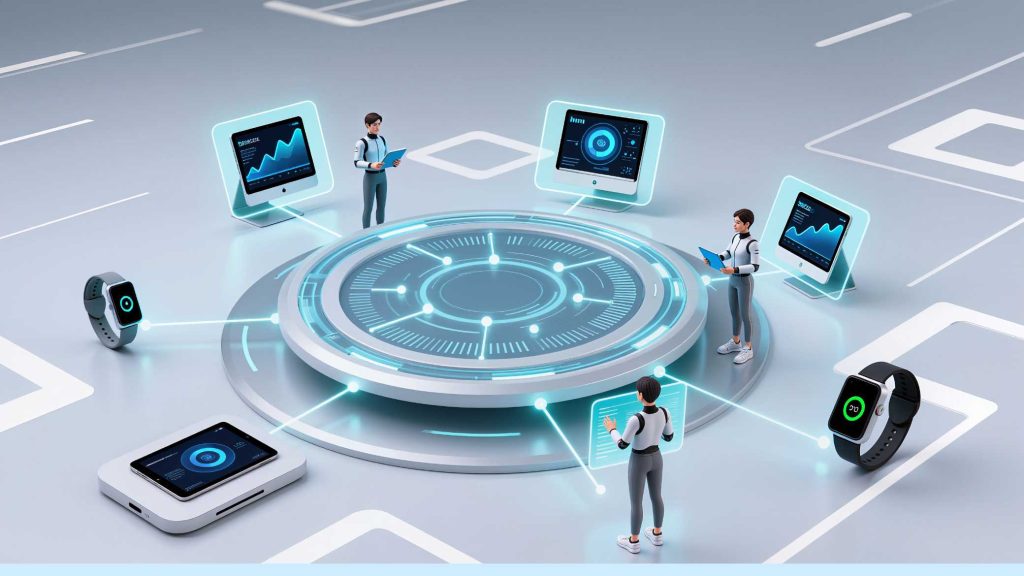
The inbound marketing methodology is built around four key stages: Attract, Engage, Convert, and Delight. These stages represent a continuous cycle that focuses on delivering value and building long-term relationships with customers.
The Attract stage involves drawing the right audience to your business through content and visibility strategies. This includes SEO, blogging, social media marketing, and video content. The goal is to generate awareness and bring potential customers into your ecosystem.
The Engage stage focuses on building relationships by providing personalized and relevant experiences. This includes email marketing, marketing automation, and interactive content. Engagement is crucial for nurturing leads and guiding them toward conversion.
The Convert stage is where prospects take desired actions, such as signing up for a newsletter, downloading resources, or making a purchase. Conversion optimization techniques play a key role in maximizing results.
The Delight stage ensures that customers continue to receive value even after the purchase. This includes customer support, onboarding, loyalty programs, and feedback mechanisms. Delighted customers are more likely to become repeat buyers and brand advocates.
Defining Your Target Audience and Buyer Personas
A successful inbound marketing strategy begins with a deep understanding of your target audience. Businesses must identify who their ideal customers are, what challenges they face, and how their products or services can provide solutions.
Creating detailed buyer personas is essential for this process. Buyer personas represent fictional profiles of your ideal customers based on real data and insights. These personas include demographic information, job roles, goals, challenges, and purchasing behavior.
Understanding buyer personas enables businesses to create highly targeted content and personalized marketing campaigns. It also helps in identifying the most effective channels for reaching the target audience.
In 2026, data-driven insights play a crucial role in audience analysis. Businesses can use analytics tools, customer feedback, and behavioral data to refine their personas and improve targeting accuracy.
Building a Content-Driven Inbound Marketing Strategy
Content is the foundation of inbound marketing. High-quality, relevant, and engaging content attracts visitors, educates prospects, and builds trust. A well-structured content strategy aligns with the buyer journey and addresses specific pain points at each stage.
Content types include blog posts, articles, videos, infographics, case studies, whitepapers, podcasts, and webinars. Each type serves a specific purpose and targets different stages of the funnel.
SEO optimization is a critical aspect of content marketing. By targeting high-intent keywords such as “best inbound marketing strategies 2026,” “content marketing for lead generation,” and “SEO-driven business growth,” businesses can improve visibility and attract organic traffic.
Consistency is key in content marketing. Businesses must maintain a regular publishing schedule and continuously update content to remain relevant. Content should also be optimized for readability, user experience, and search engine performance.
Search Engine Optimization (SEO) as the Backbone of Inbound Marketing
Search Engine Optimization (SEO) is a fundamental component of inbound marketing, ensuring that content is discoverable by search engines and reaches the right audience. An effective SEO strategy involves keyword research, on-page optimization, technical SEO, and link building.
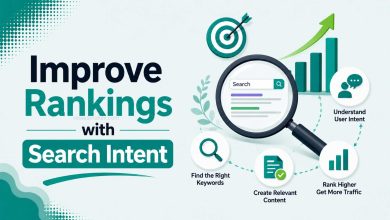
Keyword research helps identify the terms and phrases that potential customers are searching for. Long-tail keywords are particularly valuable as they target specific queries and have higher conversion potential.
On-page optimization includes optimizing titles, meta descriptions, headers, and content structure. Technical SEO focuses on improving website performance, mobile responsiveness, and crawlability.
Link building enhances domain authority and improves search rankings. High-quality backlinks from reputable sources signal credibility and trustworthiness to search engines.
SEO is a long-term strategy that requires continuous effort and optimization. However, its impact on inbound marketing success is significant, as it drives consistent and high-quality traffic.
Leveraging Marketing Automation for Scalable Growth
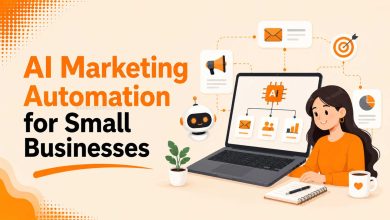
Marketing automation plays a crucial role in scaling inbound marketing efforts. Automation tools enable businesses to streamline processes, improve efficiency, and deliver personalized experiences at scale.
Automation can be used for email marketing, lead nurturing, customer segmentation, and campaign management. For example, businesses can create automated email sequences that guide prospects through the buyer journey based on their behavior and interactions.
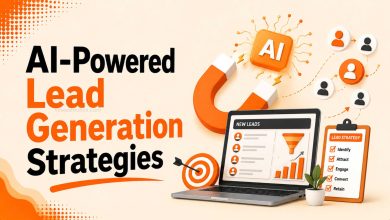
AI-powered automation tools provide advanced capabilities such as predictive analytics, lead scoring, and real-time personalization. These features enable businesses to identify high-potential leads and prioritize them for conversion.
By integrating marketing automation into their inbound strategy, businesses can achieve better results with less manual effort.
Personalization and Customer-Centric Marketing

Personalization is a key driver of inbound marketing success. Modern customers expect tailored experiences that align with their preferences and needs. AI and data analytics enable businesses to deliver personalized content, recommendations, and interactions.
Personalization strategies include dynamic website content, personalized email campaigns, and targeted offers. Behavioral tracking allows businesses to understand user actions and deliver relevant messages.
Customer-centric marketing focuses on creating value and building relationships rather than promoting products. By prioritizing customer needs and delivering exceptional experiences, businesses can enhance satisfaction and loyalty.
Multi-Channel and Omnichannel Inbound Marketing
In 2026, a successful inbound marketing strategy requires a multi-channel approach that integrates various platforms and touchpoints. These channels include search engines, social media, email marketing, content platforms, and paid advertising.
An omnichannel strategy ensures consistent messaging and a seamless customer experience across all channels. Customers can interact with a brand through multiple touchpoints, and each interaction should be cohesive and aligned with the overall strategy.
Social media platforms play a crucial role in inbound marketing by enabling businesses to engage with their audience, share content, and build communities. Email marketing remains a powerful tool for lead nurturing and communication.
By leveraging multiple channels, businesses can maximize reach, engagement, and conversion.
Building a High-Converting Inbound Marketing Funnel
The inbound marketing funnel consists of three main stages: Top of Funnel (TOFU), Middle of Funnel (MOFU), and Bottom of Funnel (BOFU). Each stage requires specific strategies and content types.
At the top of the funnel, the focus is on awareness. Businesses use blog posts, social media content, and videos to attract visitors and generate interest.
In the middle of the funnel, the focus shifts to consideration. Content such as case studies, webinars, and email campaigns helps nurture leads and provide deeper insights.
At the bottom of the funnel, the focus is on conversion. Product demos, free trials, and consultations encourage prospects to take action and become customers.
A well-structured funnel ensures that prospects move smoothly through the buyer journey and increases the likelihood of conversion.
Conversion Rate Optimization (CRO) and Performance Enhancement
Conversion Rate Optimization (CRO) is essential for maximizing the effectiveness of inbound marketing efforts. CRO involves analyzing user behavior, identifying bottlenecks, and implementing changes to improve conversion rates.
Buy Now : Ready Made Digital Store with 100 Products
Techniques include A/B testing, optimizing landing pages, improving call-to-action elements, and enhancing user experience. Data-driven insights play a crucial role in identifying areas for improvement.
By continuously optimizing performance, businesses can increase conversions and achieve better ROI.
Measuring Success: Key Metrics and Analytics
Tracking and analyzing performance metrics is essential for evaluating the success of inbound marketing strategies. Key metrics include website traffic, lead generation rate, conversion rate, customer acquisition cost (CAC), customer lifetime value (LTV), and engagement metrics.
Analytics tools provide valuable insights into user behavior, campaign performance, and ROI. Businesses can use these insights to refine their strategies and make data-driven decisions.
Regular monitoring and reporting ensure that marketing efforts remain aligned with business goals.
Common Challenges and How to Overcome Them
While inbound marketing offers numerous benefits, businesses may face challenges such as content saturation, changing algorithms, and resource constraints. Overcoming these challenges requires a strategic approach and continuous adaptation.
Maintaining content quality, staying updated with industry trends, and leveraging technology can help businesses overcome these challenges. Collaboration between teams and effective resource management also play a crucial role.
Future Trends in Inbound Marketing
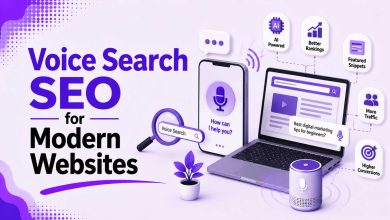
The future of inbound marketing is shaped by emerging technologies and evolving customer expectations. Key trends include AI-driven content creation, voice search optimization, interactive content, video-first strategies, and data privacy compliance.
Buy Now : Ready Made Digital Store with 100 Products
Businesses must stay ahead of these trends and continuously innovate to remain competitive. Adapting to new technologies and consumer behaviors will be essential for long-term success.
Conclusion

Inbound marketing is a powerful and sustainable strategy for driving business growth in 2026. By focusing on attracting, engaging, converting, and delighting customers, businesses can build meaningful relationships and achieve long-term success. The integration of content marketing, SEO, automation, and personalization creates a scalable and efficient marketing system. Success in inbound marketing requires continuous optimization, data-driven decision-making, and a customer-centric approach. Businesses that embrace these principles will be well-positioned to thrive in the competitive digital landscape.
Disclaimer
This content is intended for educational and informational purposes only. Marketing strategies may vary depending on industry, business model, and target audience. Readers are encouraged to conduct their own research before implementation.