AI Marketing Automation for Small Businesses : Comprehensive Guide 2026
AI Marketing Automation : Artificial Intelligence (AI) has become one of the most transformative technologies for small businesses, fundamentally changing how companies attract customers, build relationships, generate leads, and increase sales. In 2026, AI marketing automation is no longer a futuristic concept reserved for large enterprises with extensive budgets. Affordable cloud-based AI tools have made advanced marketing automation accessible to startups, local businesses, ecommerce stores, freelancers, digital agencies, consultants, and entrepreneurs across virtually every industry.
Small business owners often face the challenge of managing multiple responsibilities simultaneously. Marketing campaigns, customer service, social media management, email marketing, website maintenance, lead generation, sales follow-ups, and business operations frequently compete for limited time and resources. As businesses grow, manually handling these repetitive tasks becomes increasingly difficult, leading to inconsistent marketing efforts and missed opportunities.
AI marketing automation solves this challenge by allowing businesses to automate repetitive processes while delivering highly personalized customer experiences. Instead of sending identical messages to every customer, AI analyzes customer behavior, browsing activity, purchase history, demographics, engagement patterns, and preferences to create individualized marketing experiences. Businesses can communicate with customers more effectively while spending less time on routine administrative work.
The rise of digital commerce has also increased customer expectations. Consumers expect immediate responses, personalized recommendations, relevant offers, fast customer support, and seamless interactions across websites, email, social media, mobile applications, and messaging platforms. AI enables businesses to meet these expectations by automating communication while maintaining consistency across every customer touchpoint.
Another significant advantage of AI marketing automation is data-driven decision-making. Traditional marketing often relied heavily on assumptions and manual analysis. Modern AI platforms analyze enormous amounts of customer data in real time, helping businesses identify trends, predict purchasing behavior, optimize advertising campaigns, improve conversion rates, and allocate marketing budgets more efficiently.
Small businesses particularly benefit because AI levels the competitive playing field. Companies with limited staff can now automate complex marketing activities that previously required dedicated marketing teams. This increased efficiency allows entrepreneurs to focus on strategic planning, customer relationships, product development, and long-term business growth.
Also Read : Personal Branding for Entrepreneurs
However, successful AI marketing automation is not about replacing human creativity. Instead, AI works alongside business owners by handling repetitive tasks while allowing people to concentrate on storytelling, relationship building, innovation, and delivering exceptional customer experiences.
This comprehensive guide explores every aspect of AI marketing automation for small businesses in 2026, including customer relationship management, content marketing, email automation, social media, Search Engine Optimization (SEO), lead generation, ecommerce, analytics, implementation strategies, common mistakes, and future trends shaping digital marketing.
Understanding AI Marketing Automation
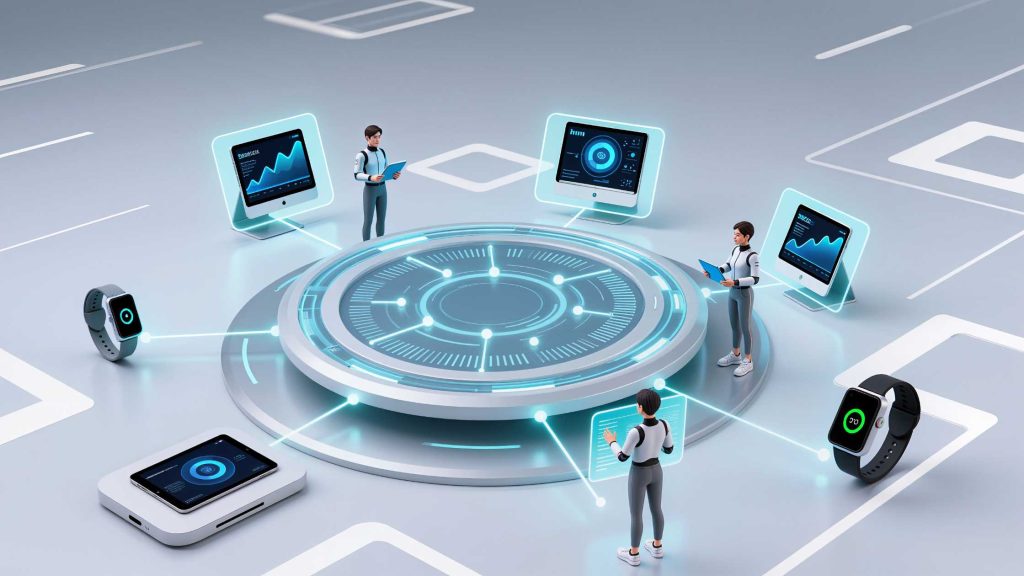
AI marketing automation combines Artificial Intelligence with automated marketing systems to streamline customer communication, personalize experiences, and improve business efficiency.
Instead of manually managing every marketing activity, businesses use AI to automate repetitive tasks while continuously learning from customer interactions.
Modern AI systems can analyze customer data, identify patterns, predict future behavior, and automatically trigger marketing campaigns based on specific actions. This creates more relevant communication while reducing manual workload.
For small businesses, automation means accomplishing more with fewer resources while maintaining professional marketing standards.
Why AI Marketing Automation Matters for Small Businesses
Small businesses often compete against larger organizations with significantly bigger marketing budgets.
Artificial Intelligence helps reduce this competitive gap by increasing productivity and improving marketing efficiency.
AI enables businesses to operate smarter rather than simply working harder.
Automated systems manage repetitive marketing tasks such as sending welcome emails, scheduling social media posts, responding to customer inquiries, recommending products, tracking campaign performance, and nurturing leads.
As a result, entrepreneurs spend more time growing their businesses and less time performing repetitive administrative work.
Understanding the Modern Customer Journey
Today’s customers interact with businesses through multiple digital channels before making purchasing decisions.
A potential customer may discover a business through Google Search, visit the website, subscribe to a newsletter, follow social media accounts, watch YouTube videos, compare products, read customer reviews, and finally make a purchase several days or weeks later.
Artificial Intelligence helps businesses understand this complex journey by tracking customer behavior across multiple platforms.
These insights allow businesses to deliver relevant content at the right moment, improving customer engagement and increasing conversion rates.
AI-Powered Customer Relationship Management
Customer relationships remain one of the most valuable assets for every business.
AI-powered Customer Relationship Management (CRM) systems automatically organize customer information, monitor interactions, score leads, predict purchasing behavior, and recommend personalized follow-up actions.
Instead of maintaining spreadsheets manually, businesses receive intelligent recommendations about which prospects require immediate attention and which customers may need additional support.
This allows sales and marketing teams to prioritize high-value opportunities while improving customer satisfaction.
Email Marketing Automation
Email marketing continues to generate one of the highest returns on investment among all digital marketing channels.
Artificial Intelligence significantly enhances email marketing by personalizing subject lines, optimizing sending times, segmenting subscribers, recommending products, and creating automated customer journeys.
For example, when someone downloads a free guide from a business website, AI can automatically trigger a welcome email series introducing the company’s services, educational content, customer success stories, and relevant product recommendations.
Subscribers receive valuable information without requiring manual intervention from the business owner.
AI Content Marketing
Content marketing remains one of the strongest long-term customer acquisition strategies.
Artificial Intelligence helps businesses generate content ideas, research keywords, create outlines, improve readability, optimize Search Engine Optimization (SEO), repurpose articles into social media posts, and analyze audience engagement.
Rather than replacing human writers, AI accelerates content production while allowing creators to focus on originality, storytelling, expertise, and customer value.
High-quality educational content continues attracting customers long after publication.
Social Media Automation
Maintaining an active presence across multiple social media platforms requires significant effort.
AI simplifies this process by scheduling posts, recommending publishing times, analyzing audience engagement, generating captions, monitoring trends, and identifying high-performing content.
Businesses maintain consistent visibility while spending less time managing daily social media activities.
Automation also improves brand consistency across every platform.
AI for Search Engine Optimization
Search Engine Optimization has become increasingly sophisticated.
Artificial Intelligence assists businesses by identifying profitable keywords, analyzing competitors, monitoring search rankings, optimizing website content, recommending internal links, and detecting technical SEO issues.
AI-powered SEO platforms also analyze search intent, helping businesses create content that aligns more closely with customer expectations.
Improved SEO generates sustainable organic traffic while reducing dependence on paid advertising.
AI Chatbots and Customer Support
Customers increasingly expect immediate responses regardless of business hours.
AI-powered chatbots provide instant assistance by answering common questions, recommending products, scheduling appointments, collecting customer information, and resolving simple support requests.
Businesses provide continuous customer service while reducing response times and improving customer satisfaction.
Human representatives remain available for more complex situations requiring personalized assistance.
Lead Generation and Lead Nurturing
Generating leads is only the first step.
Successful businesses also nurture those leads until they become paying customers.
Artificial Intelligence analyzes lead behavior, scores prospects based on purchase likelihood, and automatically delivers personalized content throughout the customer journey.
Educational emails, case studies, testimonials, webinars, and product demonstrations gradually build trust before encouraging purchasing decisions.
This systematic approach improves conversion rates significantly.
AI in Ecommerce Marketing
Online stores use AI extensively to improve customer experiences.
Artificial Intelligence recommends products based on browsing history, predicts purchasing behavior, optimizes pricing strategies, personalizes product pages, and identifies abandoned shopping carts.
Automated email campaigns encourage customers to complete purchases while personalized product recommendations increase average order values.
AI helps ecommerce businesses maximize revenue while improving customer satisfaction.
Marketing Analytics and Performance Measurement

Successful marketing requires continuous measurement.
AI-powered analytics platforms monitor:
- Website traffic
- Customer engagement
- Email performance
- Conversion rates
- Advertising effectiveness
- Customer lifetime value
Rather than simply reporting numbers, AI identifies trends and recommends optimization opportunities.
Business decisions become increasingly data-driven.
Automating Marketing Workflows
Marketing automation connects multiple systems into unified workflows.
For example, a customer downloading an ebook may automatically:
- Receive a welcome email.
- Enter an educational email sequence.
- Receive product recommendations.
- Be invited to a webinar.
- Receive a consultation offer.
Every interaction occurs automatically while remaining highly personalized.
Automation improves customer experiences while reducing manual effort.
Common AI Marketing Automation Mistakes
Some businesses attempt to automate every customer interaction immediately.
This often creates impersonal experiences.
Other common mistakes include ignoring customer privacy, failing to monitor AI-generated content, neglecting human oversight, relying on inaccurate customer data, and implementing too many tools simultaneously.
Successful businesses introduce automation gradually while maintaining authentic human communication.
Technology should support relationships—not replace them.
Also Read : Personal Branding for Entrepreneurs
Future Trends
AI marketing automation will continue advancing rapidly.
Predictive customer journeys will become increasingly accurate.
Hyper-personalization will deliver individualized experiences for every customer.
Voice assistants, conversational AI, autonomous marketing agents, and intelligent recommendation systems will become standard components of digital marketing.
Businesses that embrace these innovations responsibly will remain highly competitive.
Best Practices for AI Marketing Automation
Small businesses should begin by identifying repetitive marketing tasks before introducing automation.
Artificial Intelligence should support existing business goals rather than becoming the goal itself.
Customer privacy, transparency, and trust must remain priorities.
Marketing performance should be measured continuously, allowing businesses to refine workflows based on real customer behavior.
Most importantly, businesses should combine AI efficiency with genuine human relationships.
Technology increases productivity, but trust still drives long-term business success.
AI Marketing Automation – Conclusion

Artificial Intelligence has fundamentally transformed marketing for small businesses in 2026 by making advanced automation, personalization, and data-driven decision-making accessible to organizations of every size. What was once available only to large corporations can now be implemented by entrepreneurs, startups, freelancers, agencies, and local businesses through affordable cloud-based AI platforms. This technological shift enables small businesses to compete more effectively while operating with greater efficiency and lower costs.
Buy Now : Launch Your Online Clothing Business : From Start to Success
Successful AI marketing automation extends far beyond saving time. It creates meaningful customer experiences through personalized communication, intelligent recommendations, automated lead nurturing, predictive analytics, and responsive customer support. Businesses that use AI strategically strengthen customer relationships while increasing marketing effectiveness across every stage of the buyer journey.
However, the most successful businesses understand that Artificial Intelligence is a powerful assistant rather than a replacement for human creativity. AI excels at automation, analysis, and optimization, while people provide empathy, strategic thinking, storytelling, innovation, and authentic relationship building. Combining these strengths creates marketing systems that are both highly efficient and deeply customer-focused.
As AI technology continues evolving, businesses that embrace continuous learning, ethical data practices, customer-centric strategies, and intelligent automation will be best positioned for long-term success. Predictive marketing, hyper-personalization, autonomous workflows, conversational AI, and advanced analytics will continue reshaping digital marketing throughout the coming years.
Ultimately, AI marketing automation is not simply about using new technology—it is about building smarter businesses. Entrepreneurs who leverage AI to consistently deliver value, understand customer needs, automate repetitive processes, and create exceptional experiences will establish stronger brands, improve profitability, and achieve sustainable business growth throughout 2026 and well into the future.
Keywords : AI Marketing Automation – AI Marketing Automation 2026 – AI Marketing Automation 2027