AI for Design Process : A Comprehensive Guide to Building Smarter, Faster, and Scalable Design Workflows in 2026
AI for Design Process : In 2026, the design industry is experiencing a profound transformation driven by Artificial Intelligence. What was once a manual, time-intensive, and skill-heavy process has now evolved into a hybrid workflow where human creativity and machine intelligence work together. Designers are no longer limited by time, repetitive execution, or technical constraints. Instead, they are empowered by AI systems that can generate ideas, automate production tasks, analyze user behavior, and optimize outputs at scale.
Table of Contents
AI for the design process refers to the integration of machine learning models, generative algorithms, automation systems, and intelligent tools into every stage of design—from research and ideation to execution, testing, and scaling. Rather than replacing designers, AI enhances their capabilities, enabling them to work faster, think broader, and deliver more impactful results.
This shift is not optional. Businesses, agencies, freelancers, and creators who fail to adopt AI-driven workflows risk falling behind in speed, efficiency, and innovation. On the other hand, those who strategically integrate AI into their design processes can unlock unprecedented productivity, reduce costs, and build highly scalable creative systems.
This comprehensive guide explores AI in the design process in depth, including its role across each design stage, benefits, tools, implementation strategies, challenges, and future trends using high-impact keywords such as “AI in design process,” “AI design workflow 2026,” “AI tools for designers,” “automation in design industry,” and “AI-powered creative process.”
Understanding AI in the Design Process
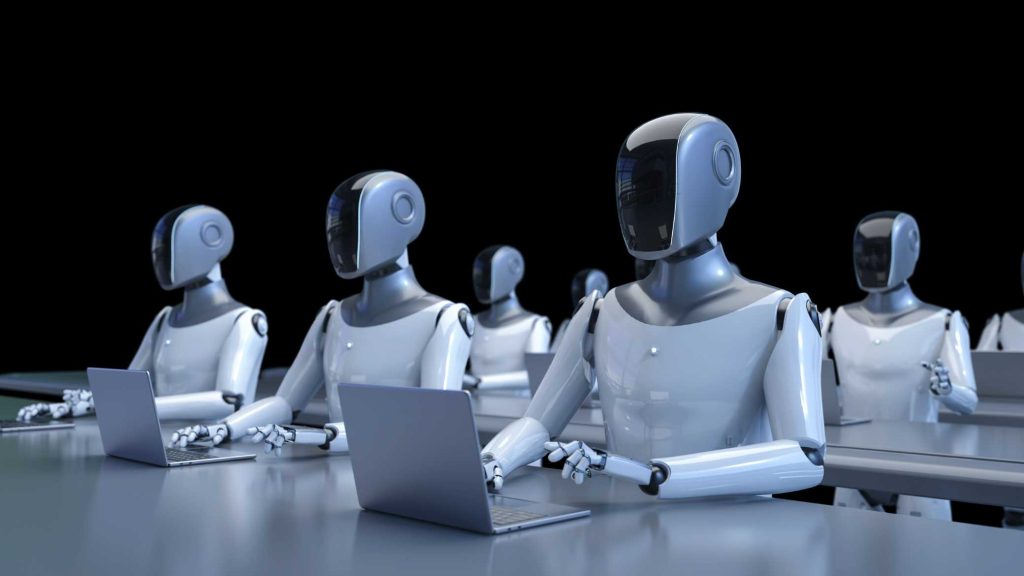
Artificial Intelligence in design involves systems that can analyze patterns, generate creative outputs, and assist decision-making based on data. These systems can process massive datasets, learn from design trends, and produce outputs that align with user expectations and business goals.
AI can assist in multiple design areas:
- Idea generation and brainstorming
- Visual creation and layout design
- User experience optimization
- Content and copy generation
- Personalization and automation
- Testing and performance analysis
Instead of eliminating the need for designers, AI reduces manual effort and allows designers to focus on strategy, storytelling, and innovation.
Why AI Is Transforming the Design Industry in 2026
The adoption of AI in design is not just a trend—it is a necessity driven by market demands and technological evolution.
Speed and Execution Efficiency
AI dramatically reduces the time required to complete design tasks. What once took hours or days can now be done in minutes, allowing designers to focus more on creative direction rather than repetitive execution.
Cost Optimization and Resource Efficiency
Businesses can significantly reduce design costs by automating repetitive tasks. This enables smaller teams to produce high-quality outputs at scale without expanding resources.
Data-Driven Creativity and Decision Making
AI analyzes user behavior, engagement data, and trends to suggest design improvements. This allows designers to make informed decisions rather than relying purely on intuition.
Scalability Across Platforms and Campaigns
AI enables the creation of multiple design variations for different audiences, platforms, and campaigns quickly, making it easier to scale marketing and branding efforts.
Accessibility for Non-Designers
AI tools allow individuals with limited design experience to create professional-quality visuals, expanding the reach of design capabilities beyond experts.
Competitive Advantage in a Fast-Moving Market
Organizations that leverage AI in design can respond faster to trends, produce more content, and maintain a consistent brand presence.
Key Stages of the Design Process Enhanced by AI
1. Research and Ideation
The foundation of any successful design lies in understanding the problem, audience, and objectives. Traditionally, this stage required extensive manual research, competitor analysis, and brainstorming sessions.
AI enhances this stage by:
- Analyzing market trends, competitor designs, and user behavior data to identify patterns and opportunities
- Generating creative ideas based on prompts, helping designers overcome creative blocks
- Suggesting design directions based on audience preferences and industry standards
- Providing data-backed insights that guide concept development
This allows designers to move from idea generation to execution much faster while maintaining strategic clarity.
2. Concept Development and Creative Exploration
Once initial ideas are formed, designers refine concepts into visual directions. AI significantly accelerates this process.
AI supports concept development by:
- Generating multiple design variations instantly, allowing exploration of different styles
- Creating mood boards and inspiration collections automatically
- Suggesting color palettes, typography combinations, and layout structures
- Providing visual references aligned with current design trends
Designers can now experiment with a wider range of ideas without spending excessive time on manual creation.
3. Visual Design and Asset Creation
This is the stage where AI has had the most visible impact.
AI-powered tools can:
- Generate high-quality images, illustrations, and graphics from text prompts
- Create social media posts, banners, ads, and thumbnails automatically
- Remove backgrounds, enhance images, and adjust lighting instantly
- Produce logo concepts and brand assets quickly
- Generate design variations tailored to different formats
This drastically reduces production time and enables designers to deliver more work in less time.
4. UI/UX Design and User Experience Optimization
AI is transforming how designers approach user interfaces and experiences.
AI enhances UI/UX design by:
- Generating wireframes and layout suggestions based on user behavior data
- Predicting user interactions through heatmaps and behavioral analysis
- Recommending improvements for usability, accessibility, and navigation
- Automating responsive design adjustments for different devices
- Enhancing user journeys with data-driven insights
This leads to more intuitive, user-friendly, and effective digital experiences.
5. Prototyping and Rapid Iteration
Prototyping is essential for testing ideas before final implementation.
AI accelerates this stage by:
- Automatically generating interactive prototypes from design concepts
- Enabling rapid iteration with multiple design variations
- Allowing real-time collaboration and feedback integration
- Reducing the time required to move from concept to testing
This helps teams validate ideas quickly and make informed decisions.
6. Testing, Analysis, and Optimization
Design does not end with creation. Performance analysis is crucial.
AI enables advanced testing by:
- Analyzing user interactions, click patterns, and engagement metrics
- Predicting user behavior and identifying potential friction points
- Suggesting improvements based on real data
- Running automated A/B tests to compare design variations
This ensures designs are continuously improved for better results.
7. Personalization and Scalable Design Systems
AI allows businesses to create personalized experiences for different users.
AI supports personalization by:
- Generating dynamic designs based on user preferences and behavior
- Customizing content for different audience segments
- Adapting layouts in real-time based on user interaction
- Scaling design outputs across multiple platforms efficiently
This level of personalization improves engagement and conversion rates.
Popular AI Design Tools in 2026
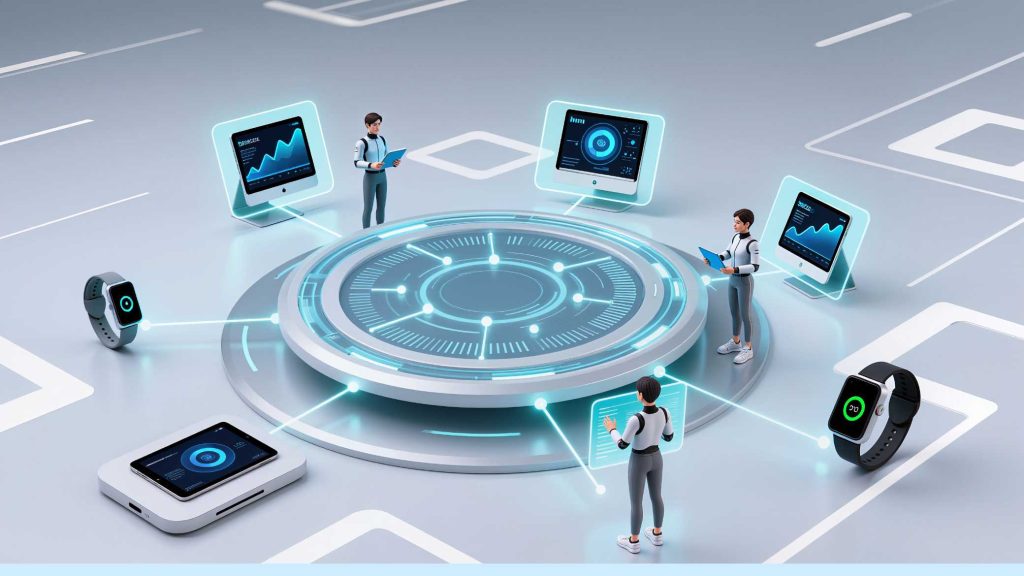
Designers now rely on a wide range of AI-powered tools.
Graphic and Visual Design Tools
- Canva AI
- Adobe Firefly
- Midjourney
UI/UX Design Tools
- Figma AI features
- Uizard
- Framer AI
Image and Video Generation Tools
- Runway ML
- DALL·E
- Stable Diffusion
Content and Copy Tools
- AI writing tools for captions, ads, and descriptions
Each tool enhances different stages of the design workflow.
Key Benefits of Using AI in the Design Process
Significant Increase in Productivity and Output
AI allows designers to complete tasks much faster, enabling them to handle more projects and meet tight deadlines without compromising quality.
Enhanced Creative Exploration and Innovation
AI provides multiple design options and suggestions, helping designers explore new ideas and push creative boundaries beyond traditional limitations.
Reduction in Manual and Repetitive Tasks
Tasks such as resizing images, adjusting layouts, and creating variations can be automated, allowing designers to focus on strategic and creative work.
Faster Iteration and Experimentation
Designers can quickly test multiple versions of a concept, leading to better decision-making and improved outcomes.
Improved Data-Driven Decision Making
AI analyzes user behavior and engagement data, enabling designers to create designs that perform better.
Increased Accessibility for Beginners and Businesses
AI tools enable individuals without formal design training to create professional-quality visuals, expanding the design ecosystem.
Scalability Across Campaigns and Platforms
AI makes it easier to produce consistent designs for multiple channels, audiences, and campaigns at scale.
Challenges and Limitations of AI in Design
Despite its advantages, AI has limitations.
Lack of Human Emotion and Context
AI may struggle to fully understand emotional nuances, cultural context, and storytelling depth.
Risk of Over-Reliance on Automation
Excessive dependence on AI can reduce originality and critical thinking.
Generic or Repetitive Outputs
AI-generated designs may lack uniqueness if not refined by human creativity.
Ethical and Copyright Concerns
Questions around originality, ownership, and data usage continue to evolve.
Learning Curve and Tool Complexity
Designers must invest time in learning new tools and workflows.
How to Use AI in the Design Process Effectively
Combine AI with Human Creativity and Strategic Thinking
AI should be used as a support tool, while human creativity drives the overall vision.
Focus on High-Level Design Strategy
Let AI handle execution while designers focus on storytelling, branding, and user experience.
Customize and Refine AI Output
AI-generated designs should be adjusted to match brand identity and project goals.
Maintain Consistent Brand Guidelines
Ensure all AI outputs align with your brand’s visual identity and messaging.
Continuously Test and Optimize Designs
Use AI insights and analytics to improve design performance over time.
Stay Updated with Emerging Tools and Trends
The AI landscape evolves rapidly, making continuous learning essential.
AI in Different Design Domains
Graphic Design
AI helps create logos, marketing visuals, social media content, and branding assets.
Web Design
AI assists with layout creation, responsive design, and user interface optimization.
Product Design
AI supports prototyping, user testing, and feedback analysis.
Marketing and Advertising Design
AI generates ad creatives, landing pages, and campaign visuals.
Motion and Video Design
AI enables video editing, animation, and visual effects creation.
Future of AI in the Design Process

The future of AI in design is highly promising.
Hyper-Personalized Design Experiences
Designs will adapt to individual users in real-time.
Real-Time Adaptive Interfaces
User interfaces will change dynamically based on behavior and context.
AI-Human Collaborative Design Systems
Designers and AI will work together seamlessly as co-creators.
Integration of Multimodal Design
Design will combine voice, visuals, and interaction into unified experiences.
Fully Automated Design Pipelines
Entire workflows may be automated from concept to delivery.
Final Framework for AI-Driven Design Success
- Define clear design goals and objectives
- Select appropriate AI tools for each stage
- Use AI for ideation and execution support
- Apply human creativity for refinement
- Maintain brand consistency and originality
- Test designs with real users
- Analyze performance using data
- Optimize continuously
- Scale design production efficiently
- Stay adaptable to evolving technology
Conclusion
AI for the design process is revolutionizing how creative work is produced in 2026. It enables faster execution, smarter decision-making, and scalable design systems while reducing manual effort. However, the true power of AI lies not in replacing designers but in enhancing their capabilities. Designers who effectively combine human creativity with AI-driven efficiency can deliver higher-quality results, adapt to changing trends, and maintain a competitive edge. As AI continues to evolve, the future of design will belong to those who embrace technology while preserving originality, strategy, and human-centered thinking.
Disclaimer : This content is for educational and informational purposes only. The effectiveness of AI tools may vary based on usage, expertise, and project requirements.
Keywords : AI for Design Process – AI for Design Process 2026 – AI for Design Process