How to Start Pepper Farming ? : Comprehensive Guide 2026
How to Start Pepper Farming : Pepper farming is becoming one of the most profitable and sustainable agricultural business opportunities in India, especially in Kerala where black pepper is known as “Black Gold.” With rising global demand, premium export value, increasing spice consumption, and modern agricultural technologies, pepper cultivation in 2026 offers excellent income opportunities for farmers and agribusiness entrepreneurs. Kerala remains one of the leading pepper-producing regions because of its tropical climate, fertile soil, and traditional expertise in spice cultivation.
Table of Contents
Modern pepper farming techniques such as high-density planting, drip irrigation, organic cultivation, and intercropping are transforming the industry into a high-income farming model. Farmers adopting scientific cultivation practices can achieve better yields, premium market prices, and long-term sustainability.
What is Pepper Farming?

Pepper farming refers to the cultivation of black pepper vines scientifically known as Piper nigrum. Pepper is one of the world’s most demanded spices and is widely used in cooking, food processing, ayurvedic medicine, spice blends, pharmaceuticals, and exports.
Also Read : What is Tapioca Farming ? How to Do It ?
India, Vietnam, Indonesia, Brazil, and Sri Lanka are major pepper-producing countries, but Kerala pepper enjoys strong global demand because of its aroma, flavor, and quality. In 2026, pepper farming is not just traditional agriculture; it has become a premium agribusiness opportunity.
Climate Requirements for Pepper Cultivation
Pepper cultivation grows best in tropical humid climates with moderate rainfall and partial shade conditions.
Ideal Conditions for Pepper Farming
- Temperature: 23°C to 32°C
- Rainfall: 1500 mm to 3000 mm annually
- Humidity: High humidity preferred
- Shade: Partial sunlight is ideal
- Altitude: Up to 1200 meters above sea level
Kerala’s climate naturally supports pepper farming because it offers consistent humidity and monsoon rainfall.
Best Soil for Black Pepper Farming
Soil quality directly affects pepper yield and plant health.
Suitable Soil Types
- Well-drained loamy soil
- Rich organic matter soil
- Slightly acidic soil
Ideal Soil pH
- pH Range: 5.5 to 6.5
Farmers should avoid waterlogged soil because stagnant water can cause root rot and fungal diseases.
Best Pepper Varieties in India
Selecting high-yield and disease-resistant varieties is important for profitable pepper farming.
Popular Pepper Varieties
Karimunda
Traditional Kerala variety with strong aroma and export demand.
Panniyur-1
High-yield hybrid variety suitable for commercial farming.
Panniyur-5
Known for strong productivity and disease resistance.
Sreekara
Improved variety suitable for high-density cultivation.
Subhakara
Popular for consistent berry production.
High-Density Pepper Farming
Modern pepper farming in 2026 increasingly focuses on high-density cultivation methods.
High-Density Planting Advantages
- Better land utilization
- Increased production per acre
- Higher revenue potential
- Improved farm efficiency
Recommended Plant Density
- 500 to 600 vines per acre
Proper spacing improves airflow, sunlight penetration, and disease prevention.
Pepper Support Trees and Structures
Pepper is a climbing vine and requires strong support systems.
Common Support Trees
- Erythrina indica
- Silver oak
- Arecanut trees
- Coconut trees
- Glyricidia
Support trees provide shade, improve ecological balance, and help vines grow vertically.
Land Preparation for Pepper Farming
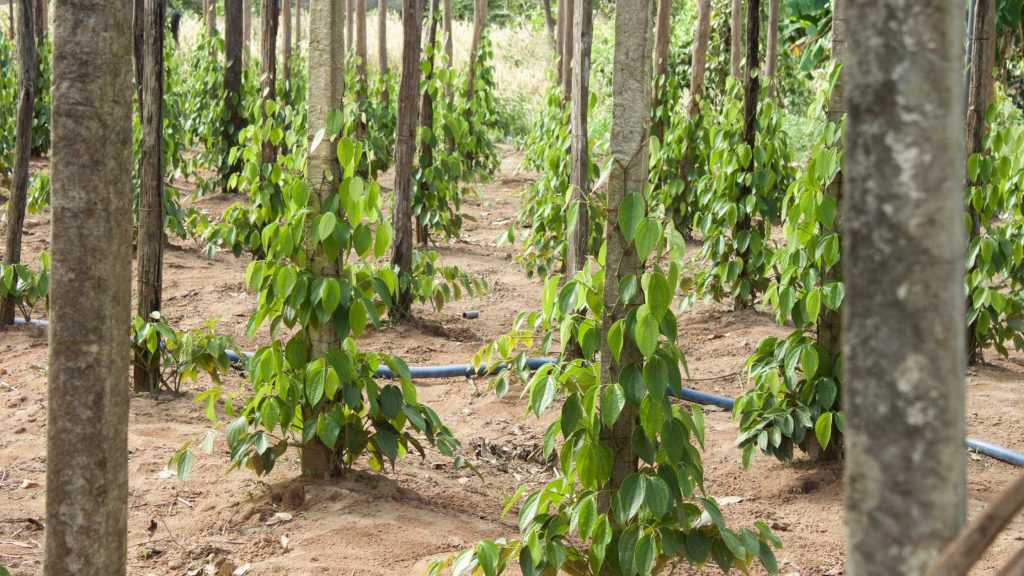
Proper land preparation ensures strong root establishment and healthy vine growth.
Land Preparation Steps
- Soil testing
- Clearing weeds
- Digging planting pits
- Adding compost and manure
- Installing support trees
Pit Size
- 50 cm × 50 cm × 50 cm
Farmers generally fill pits with topsoil, compost, neem cake, and organic matter before planting.
Pepper Planting Season in Kerala
The ideal planting season starts with monsoon rainfall.
Best Planting Time
- May to July
Adequate rainfall during this period helps young pepper vines establish healthy roots.
Irrigation Methods for Pepper Farming
Water management is becoming more important due to climate variability.
Drip Irrigation for Pepper Cultivation
Drip irrigation is highly recommended because it:
- Saves water
- Reduces fungal disease risk
- Improves nutrient absorption
- Supports healthy growth
Benefits of Drip Irrigation
- Controlled watering
- Better moisture management
- Reduced water wastage
- Increased yield potential
Organic Pepper Farming
Organic pepper cultivation is gaining popularity because consumers prefer chemical-free spices.
Organic Inputs Used
- Cow dung manure
- Vermicompost
- Neem cake
- Panchagavya
- Biofertilizers
- Fish amino acid
Advantages of Organic Pepper Farming
- Premium market prices
- Better export opportunities
- Improved soil health
- Sustainable farming
Intercropping in Pepper Farming
Intercropping helps farmers generate additional income.
Common Intercrops
- Coconut
- Arecanut
- Banana
- Ginger
- Turmeric
- Cocoa
- Coffee
Benefits of Intercropping
- Diversified income
- Better land utilization
- Reduced farming risk
- Improved biodiversity
Fertilizer Management in Pepper Farming
Pepper vines require balanced nutrients for healthy growth and berry production.
Essential Nutrients
- Nitrogen
- Phosphorus
- Potassium
- Magnesium
- Micronutrients
Fertilizer Application Methods
- Organic manure application
- Split fertilizer doses
- Foliar sprays
- Biofertilizer use
Major Diseases in Pepper Farming
Disease management is one of the most important aspects of commercial pepper cultivation.
Quick Wilt Disease
Quick wilt caused by Phytophthora capsici is a major fungal disease.
Symptoms
- Yellowing leaves
- Sudden wilting
- Vine collapse
Prevention Methods
- Proper drainage
- Disease-resistant varieties
- Biological control agents
- Trichoderma application
- Bordeaux mixture spraying
Pest Management in Pepper Cultivation
Pepper farms are affected by several pests.
Common Pepper Pests
- Pollu beetles
- Scale insects
- Leaf gall thrips
- Nematodes
Integrated Pest Management
- Neem oil spraying
- Biological pest control
- Regular field inspection
- Organic pesticide use
Pruning and Training Pepper Vines
Pruning improves productivity and reduces disease spread.
Benefits of Pruning
- Better sunlight penetration
- Improved airflow
- Stronger vine growth
- Easier harvesting
Farmers should remove weak and diseased branches regularly.
Pepper Harvesting Process
Pepper harvesting generally begins three years after planting.
Peak Yield Period
- 5 to 7 years after planting
Plantation Lifespan
- More than 20 years
Harvesting Stage
Pepper spikes are harvested when one or two berries start turning red.
Post-Harvest Processing of Black Pepper
Proper processing improves pepper quality and market value.
Processing Steps
- Harvesting
- Cleaning
- Boiling
- Sun drying
- Storage
- Packaging
Proper drying is essential to maintain aroma and shelf life.
Cost and Profit in Pepper Farming
Pepper farming offers excellent long-term profitability.
Estimated Cost Per Acre
| Expense | Approximate Cost |
|---|---|
| Startup Cost | ₹1.5 – ₹2 lakh |
| Drip Irrigation | ₹35,000 |
| Planting Materials | ₹40,000 |
| Annual Maintenance | ₹60,000 |
Pepper Farming Income Per Acre
Scientific farming methods can generate strong income.
Estimated Revenue
| Category | Approximate Value |
|---|---|
| Yield Per Acre | 500 – 600 kg |
| Average Price Per Kg | ₹700 – ₹800 |
| Gross Revenue | ₹4 – ₹5 lakh |
Estimated Net Profit
- ₹4 lakh+ potential annually under proper management
Government Subsidies for Pepper Farmers
Government institutions provide financial support for spice cultivation.
Available Support
- Drip irrigation subsidies
- Organic farming assistance
- Nursery development support
- Agricultural training
- Export promotion programs
Major Supporting Institutions
- Spices Board of India
- Kerala Agricultural University
- NABARD
- State Horticulture Departments
Many schemes provide up to 50% subsidy for irrigation systems.
Export Opportunities in Pepper Farming
Indian black pepper enjoys strong international demand.
Major Export Markets
- Europe
- Middle East
- United States
- Asian countries
Export Advantages
- Premium pricing
- Organic market demand
- High-quality Kerala pepper reputation
Technology in Pepper Farming 2026
Modern technology is improving farming productivity.
Smart Farming Technologies
- Soil sensors
- Weather forecasting apps
- Automated irrigation
- Drone monitoring
- Precision agriculture tools
Technology helps farmers reduce operational costs and improve yield efficiency.
Advantages of Pepper Farming
Why Pepper Farming is Profitable
- Strong market demand
- Export potential
- Long plantation lifespan
- Premium pricing
- Intercropping opportunities
- Government support
- Organic farming potential
Challenges in Pepper Farming
Common Challenges
- Fungal diseases
- Climate variability
- Labor shortages
- Price fluctuations
- Pest infestations
Scientific management can reduce most farming risks.
Future of Pepper Farming in India
The future of pepper farming looks highly promising due to rising demand for spices, organic food products, and export-quality agricultural produce.
Modern farming technologies, government support schemes, and sustainable cultivation practices are making pepper farming more profitable and efficient than ever before.
How to Start Pepper Farming – Conclusion
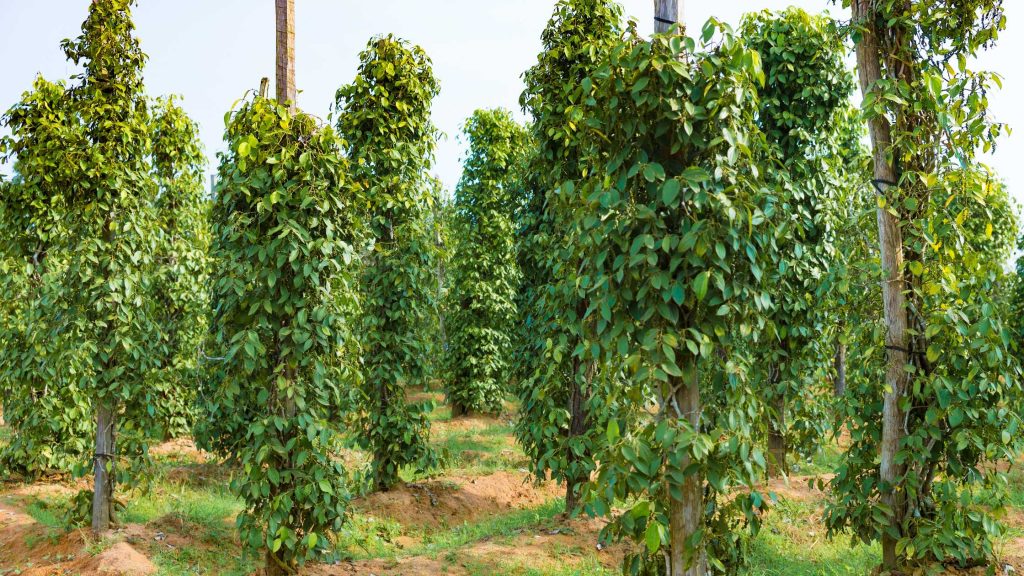
Pepper farming in 2026 is one of the most profitable and sustainable agricultural business opportunities in India, especially in Kerala where black pepper continues to be known as “Black Gold.” Farmers adopting scientific cultivation techniques such as high-density planting, drip irrigation, organic farming, disease management, and intercropping can achieve strong yields and long-term profits.
Buy Now : Ready Made Digital Store with 100 Products
With increasing global demand, export opportunities, government support, and premium market prices, black pepper cultivation offers excellent income potential for modern farmers and agribusiness entrepreneurs. Whether started on a small scale or as a commercial plantation, pepper farming remains a powerful long-term agricultural investment opportunity in 2026.
keywords : How to Start Pepper Farming – How to Start Pepper Farming 2026