Global Ecommerce Market Trends : Comprehensive Guide 2026
Global Ecommerce Market Trends : The global ecommerce industry is entering a new era of rapid transformation in 2026. Online shopping is no longer limited to basic digital transactions. Ecommerce has now evolved into a highly personalized, AI-powered, mobile-first, and socially driven ecosystem that connects businesses and consumers across the world. From artificial intelligence and social commerce to cross-border ecommerce and sustainable shopping, businesses are adopting advanced technologies to stay competitive in the growing digital marketplace. The global ecommerce market is projected to exceed trillions of dollars in 2026, driven mainly by mobile shopping, AI integrations, digital payment systems, and increasing internet penetration worldwide.
Table of Contents
Consumers today expect fast delivery, seamless checkout, personalized product recommendations, and interactive shopping experiences. Ecommerce brands that fail to adapt to these changing expectations risk losing customers to competitors that provide better digital experiences. The rise of smartphones, creator-driven commerce, AI-powered shopping assistants, and social media marketplaces is reshaping how consumers discover and purchase products online.
In 2026, ecommerce is no longer simply about selling products online. It is about creating connected customer experiences, building trust, using data intelligently, and delivering convenience at every stage of the buying journey. Businesses worldwide are investing heavily in AI automation, social commerce, omnichannel retailing, and sustainable operations to meet future consumer demands.
The Growth of the Global Ecommerce Market

The ecommerce market continues to experience strong global growth due to increasing smartphone usage, internet accessibility, digital payment adoption, and changing consumer habits. Industry experts predict that global ecommerce sales will continue reaching record-breaking numbers throughout 2026.
Countries like India, China, the United States, Brazil, Indonesia, and Southeast Asian nations are becoming major ecommerce growth centers. In India, ecommerce growth is accelerating rapidly due to rising internet penetration, affordable smartphones, UPI payments, and expanding delivery infrastructure in smaller cities and rural areas.
Several factors are contributing to ecommerce growth globally:
- Rising smartphone penetration
- Faster internet connectivity
- Growth of digital wallets and UPI payments
- Expansion of logistics and delivery networks
- Social media influence on purchasing decisions
- Increased trust in online shopping
- AI-powered customer experiences
- Cross-border ecommerce accessibility
The ecommerce industry is now influencing almost every retail category including fashion, electronics, beauty, groceries, digital products, healthcare, education, home décor, and entertainment.
Artificial Intelligence Dominating Ecommerce
Artificial intelligence is one of the biggest ecommerce trends in 2026. AI is transforming how customers search for products, interact with brands, receive recommendations, and complete purchases. AI-powered commerce is creating highly personalized shopping experiences that improve customer satisfaction and increase conversion rates.
AI is being used in ecommerce for:
- Personalized product recommendations
- AI-powered customer support chatbots
- Predictive analytics
- Dynamic pricing systems
- Inventory forecasting
- Automated marketing campaigns
- AI search optimization
- Fraud detection systems
- Voice commerce
One of the biggest shifts in 2026 is the rise of AI shopping assistants that can help users compare products, recommend purchases, and even complete transactions automatically. AI-powered search tools are replacing traditional keyword-based search systems. Consumers increasingly expect conversational shopping experiences where they can interact naturally with AI assistants to discover products faster.
Ecommerce businesses are now optimizing their websites and product pages for AI-driven search platforms. AI tools also help businesses analyze customer behavior, improve product targeting, and increase sales performance.
Hyper-Personalization in Ecommerce
Personalization has become essential for ecommerce success in 2026. Consumers expect brands to understand their preferences, shopping behavior, and interests. AI and machine learning technologies allow ecommerce businesses to deliver highly customized experiences for each customer.
Hyper-personalization includes:
- Personalized product recommendations
- Dynamic homepage content
- Customized email campaigns
- Individualized pricing strategies
- Personalized advertisements
- AI-generated shopping suggestions
- Tailored loyalty programs
Studies show that personalized ecommerce experiences significantly increase customer retention and conversion rates. Consumers are more likely to purchase from brands that offer relevant product suggestions and simplified shopping experiences.
Brands are now using customer data intelligently to provide more engaging shopping journeys. Personalized ecommerce also helps reduce cart abandonment and increase repeat purchases.
The Rise of Social Commerce
Social commerce is becoming one of the fastest-growing ecommerce sectors in 2026. Platforms like ISocial Medias are now major ecommerce marketplaces where users can discover and purchase products directly through social content.
Also Read : True Balance Personal Loan : Comprehensive Guide 2026
Social commerce combines entertainment, influencer marketing, and online shopping into a single experience. Consumers are increasingly making purchasing decisions based on creator recommendations, short-form videos, live streams, and viral trends.
Key social commerce trends include:
- Livestream shopping
- Influencer-led product marketing
- In-app checkout systems
- Shoppable video content
- Creator-driven product launches
- Community-based shopping experiences
Businesses are now focusing heavily on creator partnerships and social media engagement to increase brand visibility and drive sales. Social commerce is especially powerful among younger audiences who spend significant time on social media platforms.
Mobile Commerce Continues to Expand
Mobile commerce, also known as m-commerce, is dominating the global ecommerce market in 2026. Smartphones have become the primary shopping device for millions of consumers worldwide. Ecommerce businesses are prioritizing mobile-first experiences to improve customer engagement and sales.
Mobile commerce growth is driven by:
- Faster mobile internet
- Mobile payment systems
- User-friendly shopping apps
- One-tap checkout
- Mobile wallets
- Buy now pay later services
- Social media shopping integration
Most ecommerce transactions now happen through smartphones rather than desktop computers. Mobile optimization has become essential for ecommerce success.
Businesses are investing in:
- Fast-loading mobile websites
- Progressive web apps
- App-based loyalty systems
- Mobile-friendly checkout systems
- AI-powered mobile personalization
Consumers expect smooth and convenient shopping experiences on mobile devices. Slow websites or poor mobile interfaces can lead to significant sales losses.
Cross-Border Ecommerce Growth
Cross-border ecommerce is expanding rapidly in 2026. Consumers are increasingly purchasing products from international sellers because global shipping and payment systems have become more accessible.
Cross-border ecommerce benefits include:
- Access to international products
- Competitive pricing
- Greater product variety
- Global brand accessibility
- International business expansion opportunities
Businesses entering cross-border ecommerce are focusing on:
- Multi-currency payment systems
- Localized websites
- International shipping solutions
- Regional customer support
- Local language content
- Country-specific marketing strategies
Countries like China, India, the United States, and Southeast Asian nations are becoming major players in global cross-border ecommerce.
Sustainability and Ethical Ecommerce
Sustainability has become a major ecommerce trend in 2026. Consumers increasingly prefer brands that focus on eco-friendly practices, ethical sourcing, and sustainable packaging.
Sustainable ecommerce practices include:
- Eco-friendly packaging
- Carbon-neutral delivery
- Recyclable materials
- Ethical sourcing
- Sustainable fashion
- Reduced plastic usage
- Green logistics systems
Businesses that promote sustainability often build stronger customer trust and brand loyalty. Younger consumers especially prioritize environmental responsibility when choosing brands.
Many ecommerce companies are also investing in transparent supply chains and eco-conscious production methods to attract environmentally aware customers.
Omnichannel Retail Experiences
Omnichannel commerce is another major trend shaping the ecommerce industry in 2026. Consumers expect seamless shopping experiences across websites, mobile apps, social media platforms, and physical stores.
Omnichannel retail includes:
- Unified customer experiences
- Integrated inventory systems
- Tap-and-collect services
- Cross-platform shopping carts
- Personalized cross-device experiences
- Connected customer support
Businesses are using unified commerce platforms to synchronize customer data, inventory, pricing, and order management across all channels.
Consumers now move between online and offline shopping environments seamlessly. Retailers that successfully integrate these experiences gain significant competitive advantages.
Voice Commerce and Conversational Shopping
Voice commerce is becoming increasingly popular in 2026 due to the growth of smart assistants and voice-enabled devices. Consumers are using voice search to discover products, compare prices, and place orders online.
Voice commerce trends include:
- Smart speaker shopping
- Voice-enabled search optimization
- AI conversational assistants
- Hands-free ordering systems
- Voice payment systems
Businesses are optimizing product content and SEO strategies for voice search to improve visibility in conversational commerce platforms.
Voice commerce is expected to become more mainstream as AI assistants become smarter and more integrated into daily life.
Buy Now Pay Later Services
Buy Now Pay Later services continue growing rapidly in global ecommerce markets. Consumers increasingly prefer flexible payment solutions that allow installment-based purchasing.
BNPL services provide:
- Flexible payment options
- Increased affordability
- Higher average order values
- Improved conversion rates
Popular ecommerce categories using BNPL include:
- Electronics
- Fashion
- Furniture
- Beauty products
- Home décor
Flexible payment systems help ecommerce businesses increase sales while making products more accessible to customers.
Livestream Shopping and Video Commerce
Livestream shopping is transforming online retail in 2026. Influencers, creators, and brands now host live shopping sessions where consumers can interact and purchase products in real time.
Livestream commerce benefits include:
- Real-time customer interaction
- Increased product trust
- Entertainment-driven shopping
- Higher engagement rates
- Faster purchase decisions
Video commerce is especially powerful in categories like beauty, fashion, electronics, fitness, and home décor.
Short-form videos and live product demonstrations significantly increase ecommerce conversions because consumers can see products in action before buying.
Data Privacy and Consumer Trust
As ecommerce businesses collect more customer data, privacy and security are becoming increasingly important. Consumers expect secure transactions, transparent data policies, and protection of personal information.
Businesses are focusing on:
- Secure payment systems
- Data encryption
- Privacy-focused personalization
- Transparent customer policies
- AI governance frameworks
Stricter global regulations around AI usage and customer data are shaping ecommerce operations worldwide. Businesses that prioritize customer trust and data protection will gain long-term advantages.
Ecommerce Logistics and Fast Delivery
Fast and reliable delivery has become one of the biggest competitive advantages in ecommerce. Consumers expect same-day or next-day delivery options in many regions.
Logistics trends in 2026 include:
- AI-powered inventory forecasting
- Automated warehouses
- Drone delivery testing
- Smart logistics systems
- Real-time shipment tracking
- Hyperlocal delivery networks
Efficient logistics improve customer satisfaction and reduce cart abandonment rates. Ecommerce companies are heavily investing in advanced supply chain technologies to improve delivery performance.
Subscription Commerce Growth
Subscription-based ecommerce models are expanding rapidly across industries. Consumers prefer convenience and recurring deliveries for products they use regularly.
Popular subscription ecommerce categories include:
- Beauty products
- Food and grocery
- Streaming services
- Fitness products
- Digital software
- Health supplements
Subscription models help businesses create predictable recurring revenue and stronger customer retention.
The Rise of Creator Economy in Ecommerce

The creator economy is becoming deeply integrated with ecommerce in 2026. Influencers, streamers, and social media creators now play major roles in driving ecommerce sales.
Creator-driven commerce includes:
- Influencer product collaborations
- Affiliate marketing
- Livestream product launches
- Social storefronts
- Brand ambassador programs
Consumers trust creators more than traditional advertisements, making influencer marketing highly effective for ecommerce growth.
AI Search and Discovery Revolution
AI search is changing how consumers discover products online. Traditional search engines are evolving into AI-powered discovery systems that provide conversational and contextual shopping experiences.
Brands must now optimize for:
- AI search visibility
- Structured product data
- Conversational content
- Topic authority
- Product reviews and trust signals
The future of ecommerce SEO will depend heavily on AI-driven search ecosystems.
Ecommerce in Emerging Markets
Emerging markets are becoming key growth drivers for global ecommerce. Countries in Asia, Africa, Latin America, and the Middle East are experiencing rapid digital transformation.
Growth factors include:
- Smartphone adoption
- Affordable internet access
- Digital payment systems
- Young online populations
- Expanding logistics infrastructure
India, Southeast Asia, Brazil, and Middle Eastern countries are expected to play major roles in the future ecommerce economy.
Future of the Global Ecommerce Industry
The future of ecommerce in 2026 and beyond will be shaped by AI automation, immersive shopping experiences, creator-driven commerce, and hyper-personalized customer journeys. Businesses that adapt quickly to changing technologies and consumer expectations will dominate the global market.
Future ecommerce innovations may include:
- AI shopping agents
- Augmented reality shopping
- Virtual stores
- Blockchain-powered ecommerce
- Fully automated logistics
- Advanced personalization systems
- Voice-driven transactions
- Metaverse commerce
Ecommerce is evolving into an intelligent digital ecosystem where convenience, personalization, speed, and trust define customer loyalty.
Global Ecommerce Market Trends – Conclusion
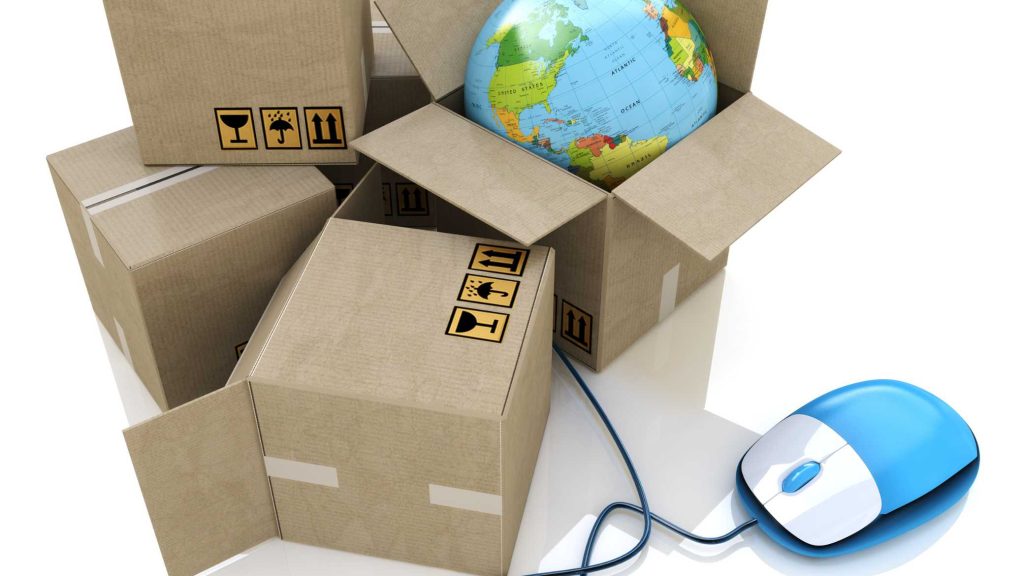
The global ecommerce market in 2026 is experiencing one of the most significant transformations in retail history. Artificial intelligence, social commerce, mobile shopping, sustainability, cross-border trade, and creator-driven marketing are redefining how consumers shop online. Businesses worldwide are investing heavily in AI-powered personalization, unified commerce systems, fast logistics, and immersive digital experiences to remain competitive in the evolving ecommerce landscape.
Buy Now : Ecommerce Website
Consumers today expect seamless shopping journeys across multiple devices and platforms. They want faster delivery, personalized recommendations, secure payments, sustainable products, and interactive shopping experiences. Ecommerce companies that successfully adapt to these trends will continue growing rapidly in the coming years.
As technology advances further, ecommerce will become even more intelligent, automated, and customer-focused. Businesses that embrace innovation, prioritize customer experience, and build strong digital ecosystems will lead the future of global online commerce.
Keywords : Global Ecommerce Market Trends – Global Ecommerce Market Trends 2026