Benefits of Starting an Ecommerce Business : Comprehensive Guide 2026
Benefits of Starting an Ecommerce : The ecommerce industry has become one of the fastest-growing and most profitable business sectors in the world. In 2026, millions of entrepreneurs, creators, freelancers, and small business owners are launching ecommerce businesses to take advantage of the growing online shopping market. From fashion and electronics to beauty products, digital products, and home décor, ecommerce businesses are creating unlimited opportunities for people who want financial freedom, passive income, and global business expansion.
Table of Contents
The rapid growth of smartphones, internet accessibility, digital payment systems, and social media marketing has completely transformed the way people buy and sell products. Consumers now prefer online shopping because it is convenient, fast, and available anytime from anywhere. As a result, ecommerce businesses continue experiencing massive growth across countries like India, the United States, China, Brazil, Indonesia, and many emerging markets.
One of the biggest advantages of ecommerce is that almost anyone can start an online business with relatively low investment compared to traditional brick-and-mortar stores. Entrepreneurs no longer need expensive retail spaces or massive staff teams to build successful businesses. Ecommerce allows individuals to sell products globally while operating from home using laptops or smartphones.
In 2026, ecommerce is not only about selling products online. It has evolved into a powerful digital ecosystem driven by artificial intelligence, mobile commerce, social media, influencer marketing, automation, and personalized customer experiences. Businesses that adapt to these trends are generating substantial profits and building long-term brands.
Understanding the benefits of starting an ecommerce business can help entrepreneurs make informed decisions and build sustainable online businesses in the competitive digital marketplace.
Low Startup Costs Compared to Traditional Businesses

One of the biggest benefits of starting an ecommerce business is the relatively low startup cost. Traditional retail stores require significant investments in rent, interior setup, staff salaries, electricity, inventory storage, and other operational expenses. Ecommerce businesses eliminate many of these costs.
With ecommerce, entrepreneurs can start businesses using:
- A laptop or smartphone
- Internet connection
- Ecommerce platform
- Social media accounts
- Digital marketing tools
Business models like dropshipping, print-on-demand, and digital products make ecommerce even more affordable because sellers do not need to maintain large inventories.
In 2026, many ecommerce entrepreneurs are starting online stores from home with minimal investment while scaling gradually through organic marketing and social commerce strategies.
Low startup costs reduce financial risks and make ecommerce accessible to students, freelancers, creators, homemakers, and first-time entrepreneurs.
Global Market Reach
Traditional businesses are often limited to local customers. Ecommerce businesses, however, can reach customers worldwide. This global accessibility is one of the most powerful advantages of ecommerce.
Online businesses can sell products internationally through:
- Ecommerce websites
- Online marketplaces
- Social media platforms
- Mobile apps
- Cross-border ecommerce systems
Global market access allows ecommerce businesses to scale much faster than physical retail stores.
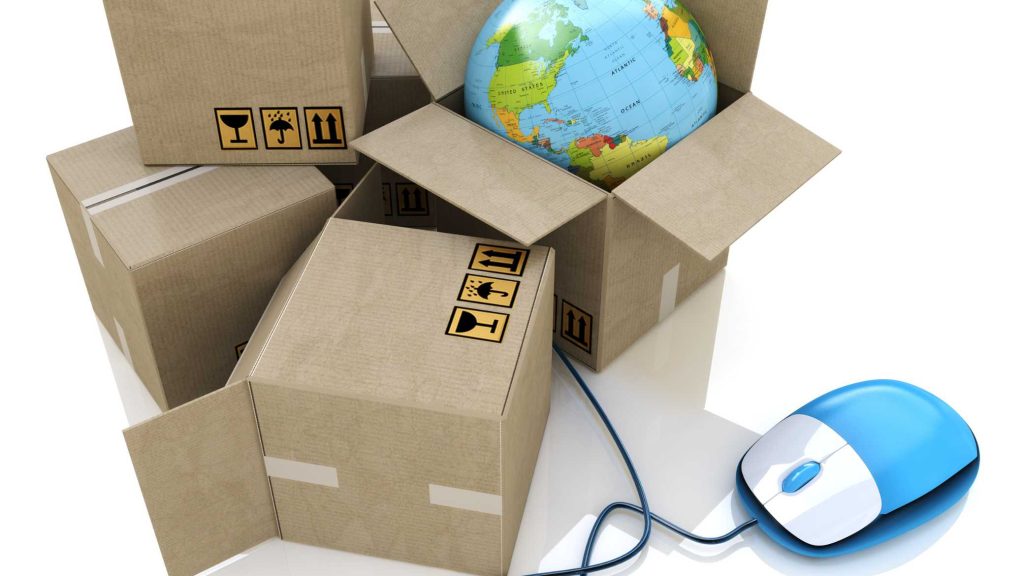
In 2026, international shipping, digital payment systems, and global logistics networks have made cross-border ecommerce easier than ever. Consumers are increasingly purchasing products from international sellers due to wider product variety and competitive pricing.
Businesses that successfully optimize for global audiences can generate significant revenue from multiple countries and regions.
24/7 Business Operations
Unlike traditional stores with fixed operating hours, ecommerce businesses operate 24/7. Customers can browse products, place orders, and complete purchases anytime.
This continuous operation provides several advantages:
- Increased sales opportunities
- Better customer convenience
- Global time-zone accessibility
- Automated order processing
- Passive income potential
Ecommerce businesses continue generating sales even while owners sleep or focus on other activities.
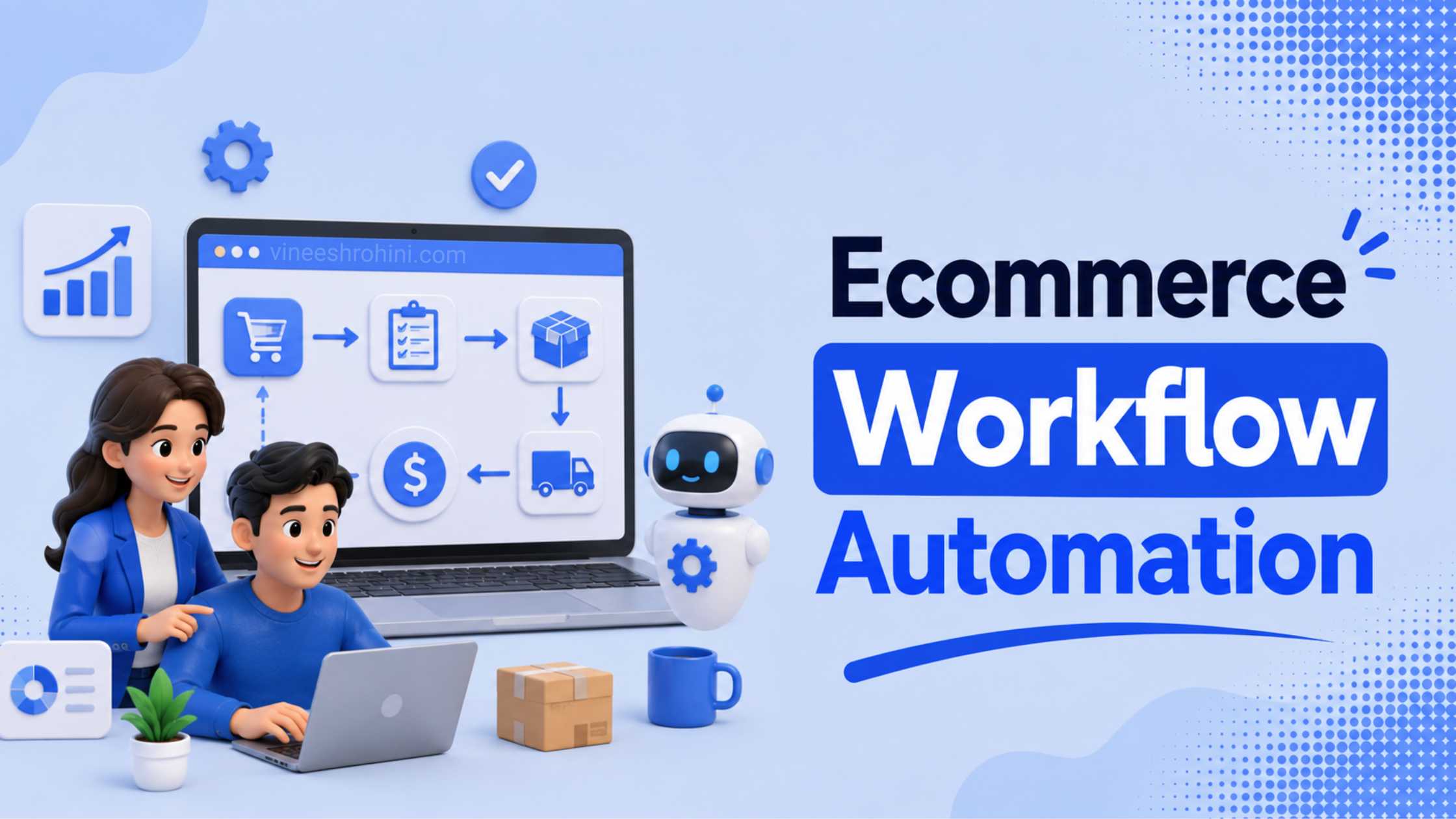
Automation tools in 2026 make ecommerce operations even more efficient through:
- AI-powered customer support
- Automated email marketing
- Inventory automation
- Chatbots
- Order management systems
This automation significantly reduces manual workload while increasing productivity.
Work From Anywhere Flexibility
Ecommerce businesses provide location independence and lifestyle flexibility. Entrepreneurs can manage online stores from home, co-working spaces, cafés, or while traveling.
This flexibility has become especially attractive in 2026 because remote work and digital entrepreneurship are growing rapidly.
Benefits of location-independent ecommerce businesses include:
- Better work-life balance
- Reduced commuting costs
- Flexible working hours
- Ability to travel while working
- Freedom from office environments
Many ecommerce entrepreneurs build profitable businesses while managing operations entirely online using cloud-based tools and mobile applications.
Also Read : Global Ecommerce Market Trends
Scalability and Growth Potential
Ecommerce businesses are highly scalable compared to traditional retail stores. Online businesses can expand product categories, target new audiences, and enter global markets without opening physical branches.
Scalability advantages include:
- Easy product expansion
- Global customer targeting
- Automation-driven growth
- Lower operational limitations
- Faster business expansion
In 2026, ecommerce brands are scaling rapidly using:
- AI-powered marketing
- Social media advertising
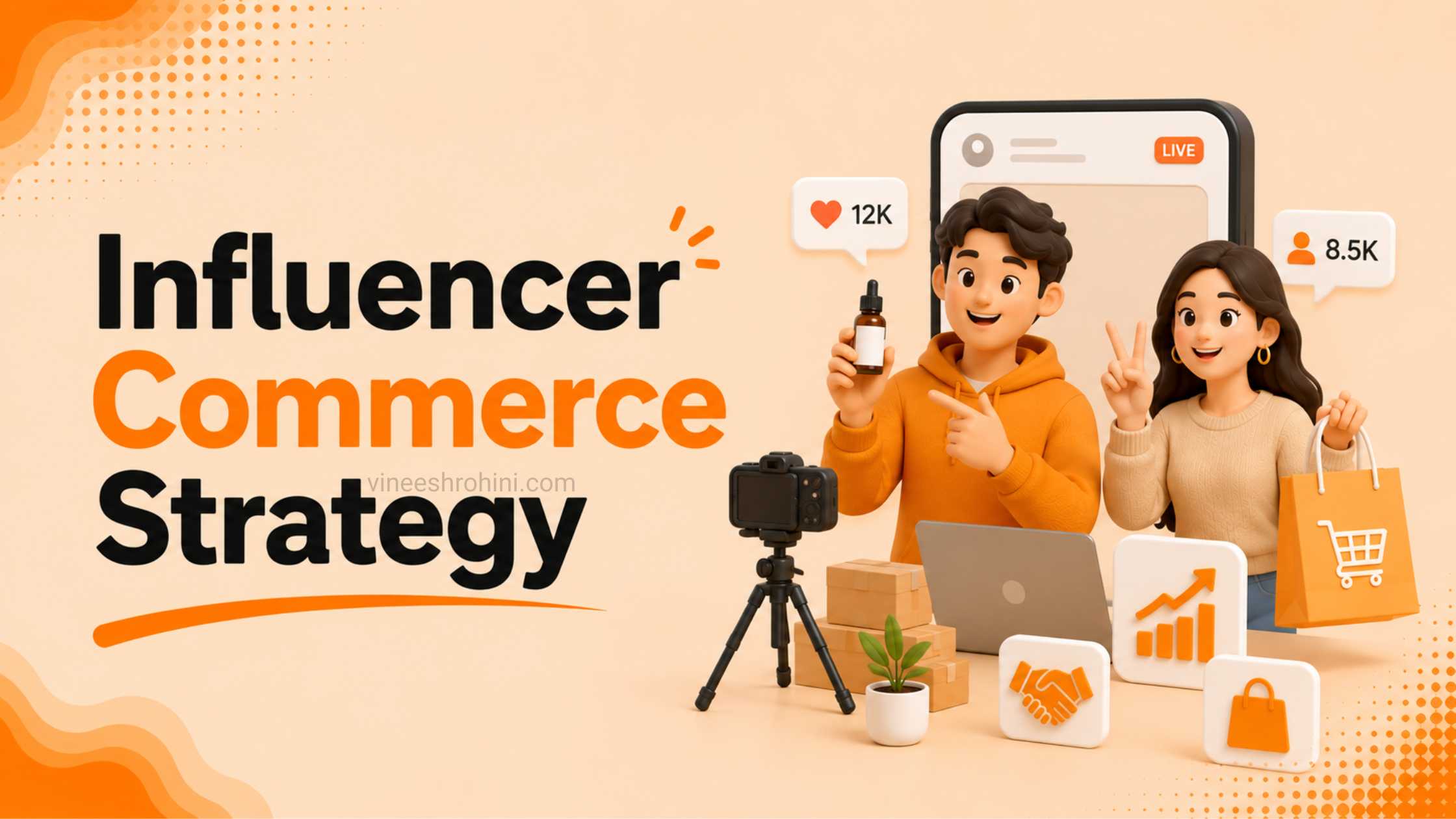
- Influencer collaborations
- Automation systems
- Creator-driven commerce
Successful ecommerce stores can grow from small startups into global brands within a few years.
Growing Mobile Commerce Industry
Mobile commerce is dominating the ecommerce industry in 2026. Most online shoppers now use smartphones for browsing products, comparing prices, and making purchases.
This mobile-first shopping behavior creates huge opportunities for ecommerce businesses.
Benefits of mobile commerce include:
- Faster customer access
- Increased impulse purchases
- Social media shopping integration
- Mobile payment convenience
- Better customer engagement
Businesses that optimize for mobile commerce gain competitive advantages in the digital marketplace.
Mobile-friendly ecommerce websites and shopping apps significantly improve customer experience and conversion rates.
Access to Multiple Marketing Channels
Ecommerce businesses benefit from numerous digital marketing opportunities. Traditional businesses often rely heavily on local advertising, while ecommerce brands can use global online marketing strategies.
Popular ecommerce marketing channels include:
- Search engine optimization
- Social media marketing
- Google Ads
- Facebook Ads
- Influencer marketing
- YouTube marketing
- Email marketing
- Affiliate marketing
- Content marketing
- TikTok marketing
These marketing channels allow ecommerce businesses to reach highly targeted audiences efficiently.
In 2026, short-form video content, AI-driven marketing, and creator collaborations are becoming major growth drivers for ecommerce brands.
AI and Automation Advantages

Artificial intelligence is transforming ecommerce businesses in 2026. AI tools help businesses automate operations, improve customer experiences, and increase sales.
AI benefits in ecommerce include:
- Personalized product recommendations
- AI chatbots
- Automated customer support
- AI-generated marketing content
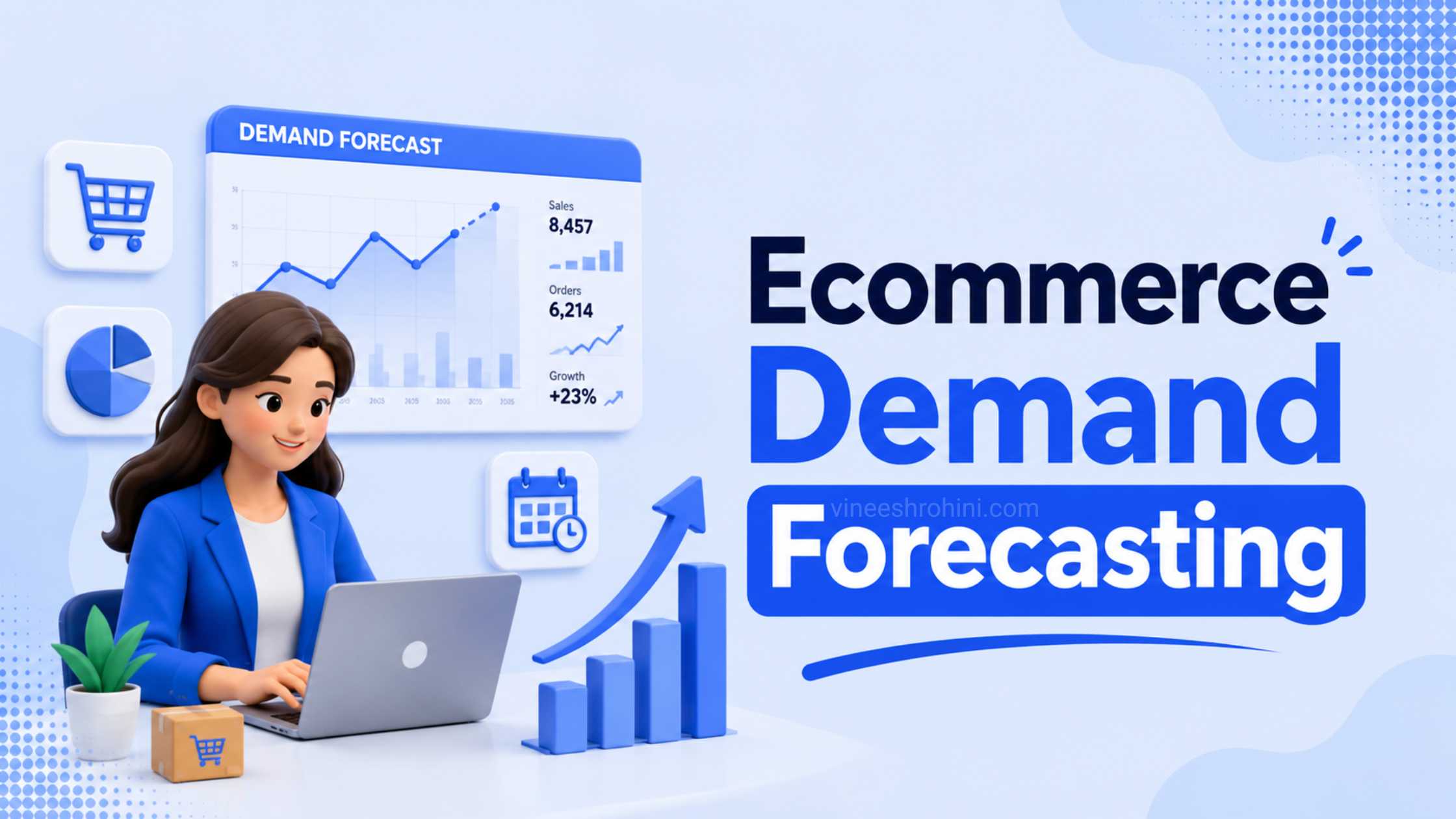
- Inventory forecasting
- Predictive analytics
- Dynamic pricing systems
Automation reduces operational costs and improves efficiency.
Businesses using AI tools can better understand customer behavior, optimize marketing campaigns, and improve conversion rates.
AI-powered ecommerce systems are becoming essential for businesses competing in crowded online markets.
Lower Operational Expenses
Ecommerce businesses usually have lower operational costs compared to physical stores.
Reduced expenses may include:
- No retail rent
- Lower utility bills
- Smaller staff requirements
- Reduced maintenance costs
- Minimal furniture investments
Many ecommerce businesses initially operate with small teams or even solo founders.
Lower operational expenses improve profit margins and reduce financial pressure during the early stages of business growth.
Easier Business Management
Modern ecommerce tools simplify business management significantly.
Ecommerce entrepreneurs can manage:
- Inventory
- Orders
- Marketing campaigns
- Customer communication
- Analytics
- Payments
- Shipping
All from centralized dashboards and mobile apps.
Cloud-based ecommerce systems allow business owners to monitor operations in real time from anywhere.
In 2026, AI-powered dashboards and automation tools make ecommerce management more efficient and data-driven.
Personalized Customer Experiences
Personalization is becoming one of the biggest ecommerce advantages in 2026.
Ecommerce businesses can personalize:
- Product recommendations
- Marketing emails
- Discounts
- Website experiences
- Shopping suggestions
Personalized experiences improve customer satisfaction, increase repeat purchases, and strengthen brand loyalty.
AI and machine learning technologies allow ecommerce brands to analyze customer preferences and deliver highly relevant shopping experiences.
Easier Customer Data Collection
Ecommerce businesses can collect valuable customer data that helps improve business performance.
Important ecommerce data includes:
- Customer demographics
- Purchase behavior
- Product preferences
- Website interactions
- Conversion rates
- Cart abandonment patterns
Data analytics helps businesses make smarter decisions regarding:
- Product selection
- Marketing strategies
- Pricing optimization
- Customer targeting
In 2026, data-driven ecommerce businesses gain major competitive advantages.
Social Commerce Opportunities
Social commerce is rapidly growing in 2026. Platforms like Instagram, TikTok, Facebook, Pinterest, and YouTube now allow businesses to sell directly through social content.
Social commerce benefits include:
- Viral product visibility
- Influencer-driven sales
- Higher engagement
- Direct customer interaction
- Faster purchase decisions
Social media platforms help ecommerce brands build communities and strengthen customer relationships.
Short-form videos and livestream shopping are especially effective for ecommerce growth.
Opportunity for Passive Income
Many ecommerce business models offer passive income potential.
Examples include:
- Digital products
- Online courses
- Print-on-demand stores
- Subscription businesses
- Affiliate ecommerce websites
Automation systems allow businesses to continue generating revenue with minimal manual involvement.
Passive income opportunities make ecommerce highly attractive for entrepreneurs seeking financial independence.
Faster Business Launch
Ecommerce businesses can launch much faster than traditional stores.
Modern ecommerce platforms allow entrepreneurs to:
- Create online stores quickly
- Add products easily
- Integrate payment systems
- Launch marketing campaigns rapidly
Some ecommerce businesses can become operational within days.
This speed allows entrepreneurs to test products, analyze demand, and scale successful ideas quickly.
Better Customer Convenience
Consumers prefer ecommerce because it offers convenience and flexibility.
Customer convenience benefits include:
- Shopping from home
- Faster product comparisons
- Easy payment methods
- Home delivery services
- Access to product reviews
- Personalized recommendations
Convenience-driven shopping behavior continues fueling ecommerce growth worldwide.
Businesses that prioritize customer convenience often experience higher retention and stronger brand loyalty.
Opportunity to Build Strong Brands
Ecommerce allows entrepreneurs to build recognizable digital brands.
Strong ecommerce branding includes:
- Professional websites
- Consistent visual identity
- Engaging social media presence
- Unique customer experiences
- Influencer collaborations
In 2026, branding plays a major role in ecommerce success because online competition continues increasing rapidly.
Strong brands attract loyal customers and improve long-term profitability.
Access to Emerging Technologies
Ecommerce businesses benefit from advanced technologies that improve customer experiences and operational efficiency.
Emerging ecommerce technologies include:
- Artificial intelligence
- Augmented reality
- Voice commerce
- Chatbots
- AI-powered search systems
- Virtual shopping experiences
Businesses adopting innovative technologies often gain competitive advantages.
Technology-driven ecommerce is becoming increasingly important in modern digital markets.
Flexible Product Selection
Ecommerce businesses can sell almost any type of product including:
- Fashion products
- Electronics
- Beauty products
- Home décor
- Fitness products
- Digital products
- Handmade products
- Educational materials
Entrepreneurs can easily change niches, add new products, and test market demand.
This flexibility reduces business risks and increases growth opportunities.
High Profit Potential
Ecommerce businesses can generate substantial profits through:
- Global sales
- Low operational costs
- Scalable systems
- Automation
- Repeat customers
Successful ecommerce brands often achieve strong profit margins, especially in niches like digital products, private labeling, and personalized products.
As online shopping continues growing globally, ecommerce profit opportunities are expected to expand further.
Ecommerce Trends Driving Future Growth
Several trends are expected to shape ecommerce growth in 2026 and beyond:
- AI-powered shopping
- Social commerce
- Mobile-first shopping
- Livestream commerce
- Personalized marketing
- Sustainable ecommerce
- Cross-border commerce
- Creator-driven brands
Businesses adapting to these trends will remain competitive and profitable in the evolving ecommerce landscape.
Challenges and Competition
Although ecommerce offers many benefits, competition is also increasing rapidly.
Common ecommerce challenges include:
- Intense market competition
- Rising advertising costs
- Customer acquisition challenges
- Logistics management
- Return handling
- Supplier reliability
However, businesses focusing on branding, customer experience, niche selection, and innovation can still achieve strong success.
Future of Ecommerce Businesses
The future of ecommerce looks extremely promising. Technology advancements, AI integration, mobile commerce growth, and changing consumer behavior will continue driving ecommerce expansion worldwide.
Future ecommerce innovations may include:
- AI shopping assistants
- Virtual reality shopping
- Fully automated stores
- Voice-driven purchases
- Blockchain-powered transactions
- Drone deliveries
Ecommerce will continue becoming more personalized, automated, and customer-focused.
Conclusion
Starting an ecommerce business in 2026 offers enormous opportunities for entrepreneurs seeking financial freedom, flexibility, and long-term business growth. Ecommerce businesses provide lower startup costs, global market reach, scalability, automation advantages, and access to powerful digital marketing channels.
Buy Now : Ecommerce Website
The rise of artificial intelligence, mobile commerce, social commerce, influencer marketing, and automation technologies is transforming the ecommerce industry into one of the most profitable digital business sectors in the world. Entrepreneurs can now launch businesses from home, reach international customers, and scale brands using modern ecommerce tools and platforms.
While ecommerce competition continues increasing, businesses that focus on strong branding, customer experience, innovation, and smart marketing strategies can achieve sustainable success. As online shopping becomes even more integrated into everyday life, ecommerce businesses will continue creating powerful opportunities for individuals and brands across the globe.
In 2026 and beyond, ecommerce remains one of the best online business opportunities for building scalable income, global brands, and long-term digital success.
Keywords : Benefits of Starting an Ecommerce – Benefits of Starting an Ecommerce 2026