Virtual Reality Ecommerce : comprehensive Guide 2026
Virtual Reality Ecommerce : The ecommerce industry has transformed dramatically over the past two decades, evolving from simple online catalogs into highly interactive digital shopping experiences. Consumers no longer expect only product listings and checkout pages—they seek engaging, personalized, and immersive shopping journeys that closely resemble or even surpass physical retail experiences. As technology advances, Virtual Reality (VR) Ecommerce has emerged as one of the most exciting innovations shaping the future of online shopping in 2026.
Table of Contents
Virtual Reality Ecommerce refers to the use of immersive VR technology that allows customers to explore virtual stores, interact with products in three-dimensional environments, experience realistic product demonstrations, and make purchasing decisions within digital spaces. Instead of scrolling through static images, shoppers can walk through virtual showrooms, inspect products from every angle, customize items in real time, and visualize purchases within realistic environments.
The increasing affordability of VR headsets, improvements in graphics processing, cloud computing, Artificial Intelligence (AI), and faster internet connectivity have accelerated the adoption of immersive commerce. Large retailers, luxury brands, furniture companies, automotive manufacturers, fashion labels, and real estate businesses are investing heavily in VR shopping experiences to differentiate themselves in increasingly competitive markets.
Artificial Intelligence plays a central role in Virtual Reality Ecommerce. AI enhances immersive shopping through personalized recommendations, intelligent virtual assistants, customer behavior analysis, predictive product suggestions, voice-controlled navigation, realistic avatars, and automated customer support. AI ensures that every shopper experiences a highly customized virtual store based on their preferences, purchase history, browsing behavior, and shopping intent.
Customer expectations are also evolving. Modern consumers want greater confidence before purchasing products online. Virtual Reality reduces uncertainty by allowing shoppers to experience products more realistically than traditional ecommerce websites. Customers can virtually place furniture inside their homes, try on clothing using digital avatars, inspect vehicle interiors, explore hotel rooms, or tour real estate properties without leaving their homes.
Businesses also benefit significantly from VR adoption. Immersive shopping experiences increase customer engagement, improve conversion rates, reduce product returns, strengthen brand loyalty, and create memorable customer interactions. Companies using VR commerce often differentiate themselves through innovation while building stronger emotional connections with customers.
Virtual Reality is also transforming business-to-business (B2B) ecommerce. Manufacturers, wholesalers, industrial suppliers, architects, healthcare providers, and engineering companies increasingly use VR for virtual product demonstrations, training, collaboration, and remote customer presentations.
Although Virtual Reality Ecommerce continues evolving, it is no longer viewed as futuristic experimentation. In 2026, it has become an important strategic investment for forward-thinking ecommerce businesses seeking long-term competitive advantages.
This comprehensive guide explores every aspect of Virtual Reality Ecommerce, including immersive shopping experiences, Artificial Intelligence, virtual stores, customer psychology, product visualization, business benefits, implementation strategies, challenges, and future trends shaping the next generation of digital commerce.
What Is Virtual Reality Ecommerce?
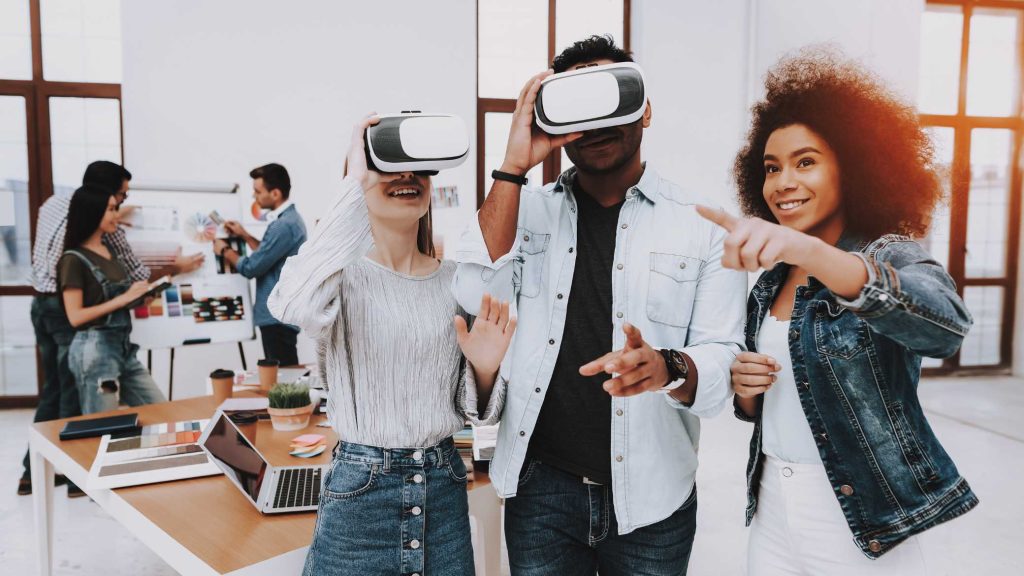
Virtual Reality Ecommerce is the integration of Virtual Reality technology into online shopping.
Also Read : Protecting Customer Data in Ecommerce
Customers enter immersive digital environments where they can:
- Explore virtual stores
- View products in 3D
- Interact with merchandise
- Customize products
- Complete purchases
Instead of traditional webpages, shoppers experience realistic digital retail environments.
Virtual commerce combines entertainment with shopping.
Immersion increases customer engagement.
Why Virtual Reality Matters
Traditional ecommerce relies heavily on:
- Images
- Videos
- Product descriptions
Virtual Reality creates experiences that closely resemble physical shopping.
Benefits include:
- Better product understanding
- Increased confidence
- Higher engagement
- Reduced uncertainty
Customers make more informed purchasing decisions.
Experiential shopping strengthens customer satisfaction.
Evolution of Ecommerce
Online retail has evolved through several stages.
Traditional Ecommerce
Static websites.
Mobile Commerce
Smartphone shopping.
Social Commerce
Shopping through social platforms.
AI Commerce
Personalized recommendations.
Virtual Reality Commerce
Immersive shopping environments.
Each stage improves customer experiences.
Virtual Reality represents the next major evolution.
Artificial Intelligence in VR Ecommerce
Artificial Intelligence powers many VR capabilities.
AI supports:
- Personalized recommendations
- Voice interaction
- Customer behavior analysis
- Product suggestions
- Virtual assistants
- Intelligent search
Machine Learning continuously improves shopping experiences.
AI adapts environments based on customer preferences.
Personalization increases conversions.
Virtual Stores
Businesses can create immersive digital stores.
Customers walk through virtual environments just like physical retail locations.
Virtual stores include:
- Product shelves
- Interactive displays
- Promotional sections
- Customer service areas
Businesses control every aspect of the shopping experience.
Brand identity becomes more immersive.
Virtual environments strengthen engagement.
3D Product Visualization
Product visualization significantly improves customer confidence.
Customers inspect products from every angle.
Examples include:
- Electronics
- Furniture
- Jewelry
- Fashion
- Home décor
Detailed visualization reduces purchasing uncertainty.
Customers understand products better.
Product confidence reduces returns.
Virtual Product Customization
Customers increasingly expect personalization.
VR enables shoppers to customize:
- Colors
- Materials
- Sizes
- Accessories
- Designs
Changes appear instantly.
Interactive customization improves customer satisfaction.
Personalized products strengthen emotional connections.
Virtual Try-On Experiences
Virtual try-on technology is transforming online shopping.
Applications include:
- Clothing
- Glasses
- Shoes
- Jewelry
- Cosmetics
Customers preview products before purchasing.
Virtual fitting improves buying confidence.
Return rates decrease significantly.
Virtual Showrooms
Luxury brands increasingly use virtual showrooms.
Customers explore:
- Vehicles
- Furniture
- Real estate
- Electronics
Showrooms eliminate geographical limitations.
Businesses reach global audiences.
Immersive demonstrations improve customer engagement.
Customer Psychology
Immersive experiences influence purchasing behavior.
VR increases:
- Emotional engagement
- Product confidence
- Brand memory
- Customer satisfaction
Interactive experiences remain memorable.
Customers spend more time exploring products.
Emotional connections strengthen loyalty.
Voice Commerce Integration
Voice commands simplify navigation.
Customers ask:
- Product questions
- Pricing
- Availability
- Recommendations
Artificial Intelligence responds naturally.
Voice interaction improves accessibility.
Conversational shopping enhances convenience.
Virtual Shopping Assistants
AI-powered assistants guide customers.
Assistants answer:
- Product questions
- Feature explanations
- Compatibility concerns
- Delivery information
Immediate assistance improves customer experiences.
Businesses provide personalized service at scale.
Automation increases efficiency.
Social Virtual Shopping
Friends increasingly shop together online.
Virtual environments enable:
- Shared browsing
- Group discussions
- Product comparisons
- Live recommendations
Shopping becomes social again.
Community experiences increase engagement.
Social interaction improves purchasing confidence.
Virtual Events
Businesses host:
- Product launches
- Fashion shows
- Demonstrations
- Brand experiences
Virtual events attract global audiences.
Interactive participation increases excitement.
Digital experiences expand marketing opportunities.
Benefits for Businesses
Virtual Reality offers numerous advantages.
Businesses achieve:
- Greater engagement
- Higher conversion rates
- Lower return rates
- Stronger branding
- Global accessibility
Innovation differentiates businesses.
Immersive experiences increase competitiveness.
Technology supports long-term growth.
Implementation Challenges
Businesses may encounter:
- Development costs
- Hardware adoption
- Technical complexity
- Content creation
- Staff training
Technology continues becoming more affordable.
Cloud platforms reduce implementation barriers.
Planning supports successful deployment.
Measuring Success
Businesses should monitor:
- Customer engagement
- Session duration
- Conversion rates
- Sales
- Product interaction
- Customer satisfaction
Artificial Intelligence analyzes user behavior.
Analytics guide continuous improvements.
Performance measurement strengthens strategy.
Common Mistakes
Businesses should avoid:
- Poor user experience
- Low-quality graphics
- Weak navigation
- Slow performance
- Limited product interaction
Immersive experiences require careful design.
Customer comfort remains essential.
Quality influences adoption.
Future Trends
Several innovations will shape VR commerce.
Artificial Intelligence
Smarter personalization.
Haptic Technology
Touch simulation.
Digital Twins
Realistic product replicas.
Metaverse Commerce
Persistent virtual shopping worlds.
Mixed Reality
Combining digital and physical environments.
Innovation will continue expanding ecommerce possibilities.
Best Practices
Successful businesses should:
- Focus on customer experience.
- Leverage Artificial Intelligence.
- Optimize virtual environments.
- Create realistic product models.
- Personalize shopping journeys.
- Measure customer engagement.
- Improve accessibility.
- Integrate social shopping.
- Continuously optimize performance.
- Stay updated with emerging technologies.
Virtual experiences should provide genuine customer value.
Virtual Reality Ecommerce – Conclusion

Virtual Reality Ecommerce represents one of the most significant technological advancements shaping online retail in 2026. By combining immersive digital environments, Artificial Intelligence, interactive product visualization, and personalized shopping experiences, VR enables businesses to bridge the gap between physical retail and digital commerce. Customers gain greater confidence in purchasing decisions while enjoying richer, more engaging shopping journeys.
Buy Now : Ready Made Digital Store with 100 Products
Artificial Intelligence serves as the intelligence behind modern VR commerce by powering personalized recommendations, virtual shopping assistants, behavioral analysis, voice interaction, predictive merchandising, and intelligent customer support. AI ensures that every virtual shopping experience adapts to individual customer needs, improving satisfaction and increasing conversion rates.
Successful Virtual Reality Ecommerce extends beyond impressive graphics. Businesses must create intuitive navigation, realistic product models, seamless purchasing processes, personalized experiences, and meaningful customer interactions. Every virtual environment should help customers make informed decisions while strengthening emotional connections with the brand.
As technology continues advancing, Virtual Reality will increasingly integrate with Augmented Reality, Artificial Intelligence, blockchain, voice commerce, digital twins, and the broader spatial computing ecosystem. These innovations will create highly immersive shopping experiences that redefine customer expectations across industries ranging from fashion and furniture to automotive, healthcare, education, travel, and real estate.
Ultimately, Virtual Reality Ecommerce is not simply another marketing trend—it represents a fundamental transformation in how consumers discover, evaluate, and purchase products online. Businesses that begin investing in immersive commerce today will be well positioned to build stronger customer relationships, increase sales, reduce returns, and lead the next generation of ecommerce innovation throughout 2026 and beyond.