Ecommerce Email Marketing : Comprehensive Guide 2026
Ecommerce Email Marketing : In the rapidly evolving world of ecommerce, businesses constantly seek effective ways to attract customers, increase sales, improve customer retention, and build long-term brand loyalty. While new marketing channels continue to emerge, email marketing remains one of the most powerful and profitable digital marketing strategies available to ecommerce businesses. Despite the growth of social media, influencer marketing, Artificial Intelligence, and paid advertising, email marketing continues to deliver exceptional returns on investment and remains a critical component of successful ecommerce growth strategies.
Table of Contents
Ecommerce email marketing involves using email communication to engage potential customers, nurture leads, promote products, recover abandoned carts, encourage repeat purchases, and strengthen customer relationships. Unlike social media platforms where businesses depend on algorithms to reach audiences, email marketing provides direct access to customers through their inboxes. This level of ownership and control makes email marketing one of the most valuable assets for ecommerce brands.
The ecommerce landscape of 2026 is highly competitive. Consumers are exposed to countless advertisements, promotions, and marketing messages every day. Building meaningful customer relationships has become increasingly important. Email marketing enables businesses to communicate personally, deliver relevant content, and provide value beyond simple product promotions. These interactions help establish trust and create stronger emotional connections with customers.
Artificial Intelligence has significantly transformed ecommerce email marketing. AI-powered systems now help businesses personalize email campaigns, segment audiences, optimize subject lines, predict customer behavior, automate workflows, and improve campaign performance. Modern email marketing is no longer limited to sending mass promotional messages. Instead, it focuses on delivering highly relevant experiences tailored to individual customer preferences and behaviors.
Customer retention has become another major priority for ecommerce businesses. Acquiring new customers often costs significantly more than retaining existing ones. Email marketing supports retention by keeping customers engaged, encouraging repeat purchases, and increasing Customer Lifetime Value. Businesses that effectively leverage email marketing often achieve stronger profitability and long-term sustainability.
The growth of mobile commerce has further increased the importance of email marketing. Consumers frequently read emails on smartphones and interact with brands throughout the day. Mobile-optimized email experiences enable businesses to connect with customers at critical moments in their purchasing journeys.
This comprehensive guide explores ecommerce email marketing in 2026, including its benefits, strategies, automation techniques, Artificial Intelligence applications, customer segmentation methods, campaign optimization practices, and future trends shaping the industry.
What Is Ecommerce Email Marketing?
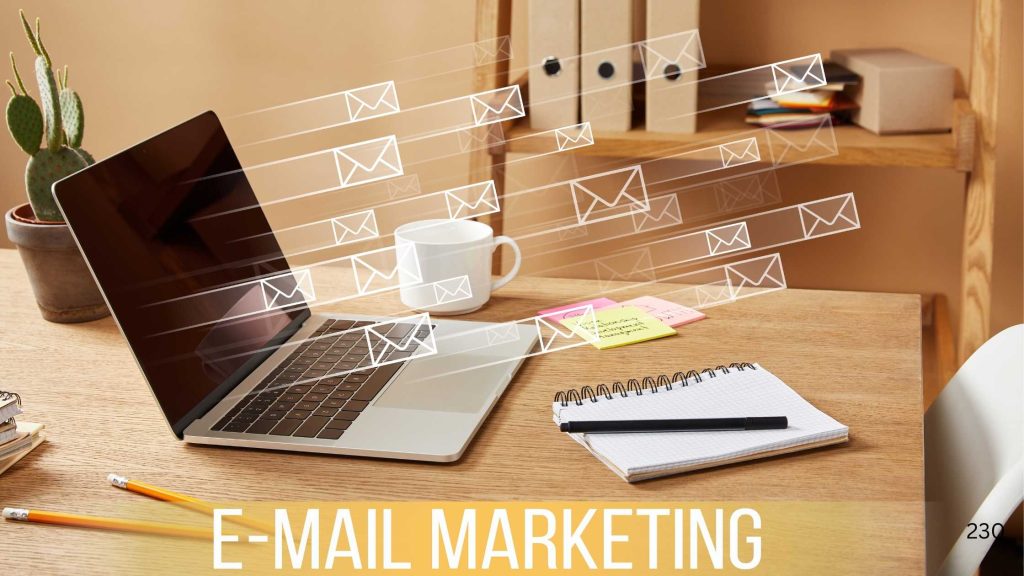
Ecommerce email marketing refers to the practice of using email communication to support online business objectives. These objectives may include customer acquisition, product promotion, relationship building, customer retention, cart recovery, upselling, cross-selling, and brand awareness.
Unlike traditional advertising channels that often involve one-way communication, email marketing creates opportunities for ongoing conversations between businesses and customers. Subscribers voluntarily provide their email addresses, indicating interest in receiving information, updates, offers, and educational content.
The effectiveness of email marketing stems from its ability to deliver personalized messages directly to individuals. Rather than broadcasting generic messages to broad audiences, businesses can tailor communications based on customer interests, purchasing behavior, browsing history, and engagement patterns.
Modern ecommerce email marketing combines strategy, automation, personalization, analytics, and customer psychology. Successful campaigns provide value while supporting business goals. This balance between customer needs and commercial objectives makes email marketing highly effective.
As ecommerce continues growing, email marketing remains one of the most reliable methods for building lasting customer relationships and generating consistent revenue.
Why Email Marketing Is Important for Ecommerce Businesses
Email marketing plays a crucial role in ecommerce success because it supports multiple stages of the customer journey. From initial awareness to repeat purchases, email campaigns help businesses maintain engagement and encourage action.
One major advantage of email marketing is ownership. Social media platforms and search engines control access to audiences through algorithms and advertising systems. Email lists belong to businesses, providing direct communication channels independent of third-party platforms.
Another important benefit is cost-effectiveness. Compared to many advertising methods, email marketing often delivers strong returns while requiring relatively low ongoing expenses. Once subscribers join a list, businesses can communicate repeatedly without paying for every interaction.
Email marketing also improves customer retention. Existing customers are often more likely to make additional purchases than first-time buyers. Regular communication helps maintain relationships and keeps brands top-of-mind.
Personalization further increases effectiveness. Customers respond positively to messages that reflect their interests and needs. Email marketing allows businesses to deliver relevant content, recommendations, and offers that improve engagement and conversion rates.
Ultimately, email marketing supports sustainable growth by strengthening relationships and increasing customer lifetime value.
Building an Ecommerce Email List
The foundation of successful email marketing is a high-quality subscriber list. Without engaged subscribers, even the most sophisticated campaigns will struggle to achieve meaningful results.
Businesses should focus on attracting subscribers through value-based incentives. Examples include discount offers, exclusive content, educational resources, product guides, early access opportunities, and loyalty program benefits. These incentives encourage visitors to share contact information voluntarily.
Website forms play an important role in list building. Strategic placement of subscription forms can increase signup rates. Forms should clearly communicate the benefits of joining the email list and set expectations regarding future communications.
Social media platforms can also support list growth by promoting email subscriptions and highlighting exclusive benefits available to subscribers. Businesses should consistently encourage audience members to join their email communities.
Also Read : Programmatic Advertising Explained
Quality remains more important than quantity. Engaged subscribers who genuinely care about the brand often generate better results than large lists containing inactive contacts.
Building a strong email list requires patience, consistency, and a commitment to delivering value.
Customer Segmentation Strategies
Customer segmentation is one of the most important aspects of modern email marketing. Segmentation involves dividing subscribers into groups based on shared characteristics, behaviors, or interests.
Segmentation improves relevance because different customers have different needs. New subscribers may require educational content, while loyal customers may respond better to exclusive offers and product recommendations.
Common segmentation criteria include purchase history, browsing behavior, geographic location, engagement levels, product preferences, and customer lifecycle stages. These categories enable businesses to create targeted campaigns that resonate more effectively.
Personalized messages generally outperform generic communications because they address specific customer interests. Segmentation helps businesses increase open rates, click-through rates, conversions, and customer satisfaction.
As Artificial Intelligence continues advancing, segmentation capabilities are becoming increasingly sophisticated and accurate.
Email Automation for Ecommerce Growth
Automation has transformed email marketing by enabling businesses to deliver timely and relevant messages without manual intervention. Automated workflows support customer journeys while improving efficiency and consistency.
Welcome sequences introduce new subscribers to the brand and establish positive first impressions. These emails often provide valuable information, highlight products, and encourage initial purchases.
Abandoned cart emails represent another highly effective automation strategy. Many customers add products to carts without completing purchases. Automated reminders encourage them to return and finalize transactions.
Post-purchase sequences strengthen customer relationships by providing order updates, product usage guidance, and opportunities for future engagement. These communications help improve satisfaction and encourage repeat purchases.
Re-engagement campaigns target inactive subscribers and attempt to restore engagement. Automation enables businesses to maintain consistent communication while reducing workload.
Well-designed automation workflows contribute significantly to ecommerce profitability.
Personalization in Ecommerce Email Marketing
Personalization has become a major competitive advantage in ecommerce. Consumers increasingly expect brands to understand their preferences and deliver relevant experiences.
Personalized email marketing goes beyond simply using customer names. Businesses can recommend products based on browsing history, purchase behavior, and individual interests. Dynamic content allows emails to adapt automatically based on recipient characteristics.
Personalization improves engagement because customers receive information that aligns with their needs and preferences. Relevant content increases the likelihood of opens, clicks, and conversions.
Artificial Intelligence enhances personalization by analyzing vast amounts of customer data and identifying patterns. These insights enable businesses to create increasingly individualized experiences.
As customer expectations continue evolving, personalization will remain central to email marketing success.
Artificial Intelligence and Email Marketing
Artificial Intelligence is revolutionizing ecommerce email marketing. AI-powered tools help businesses optimize campaigns, improve targeting, and increase efficiency.
Subject line optimization is one application of AI. Algorithms analyze historical performance data to predict which subject lines are most likely to generate opens. This improves campaign effectiveness and audience engagement.
Predictive analytics helps businesses anticipate customer behavior and deliver appropriate messages at optimal times. AI can identify customers likely to purchase, churn, or respond to specific offers.
Content generation tools assist marketers in creating emails more efficiently. AI can suggest copy, headlines, product recommendations, and campaign ideas while maintaining brand consistency.
Automation systems powered by AI continuously learn from customer interactions and improve performance over time. This creates more effective and personalized marketing experiences.
The integration of AI into email marketing will continue accelerating throughout 2026 and beyond.
Mobile Email Marketing

Mobile devices dominate email consumption. Most consumers now read emails on smartphones, making mobile optimization essential.
Mobile-friendly emails should feature responsive designs, concise content, clear calls-to-action, and fast-loading elements. Small screens require simplified layouts that prioritize readability and usability.
Businesses must ensure that landing pages and websites connected to email campaigns are also optimized for mobile experiences. Consistency across devices supports conversions and customer satisfaction.
As mobile commerce continues expanding, mobile email optimization remains a critical success factor.
Promotional Email Campaigns
Promotional campaigns remain important components of ecommerce email marketing. These emails highlight products, discounts, seasonal offers, product launches, and special events.
Successful promotional emails balance commercial objectives with customer value. Excessive promotional messaging can lead to subscriber fatigue and reduced engagement.
Compelling subject lines, attractive visuals, persuasive copy, and clear calls-to-action improve campaign performance. Businesses should continuously test different approaches to identify what resonates with audiences.
Promotional emails work best when integrated into broader customer relationship strategies.
Customer Retention Through Email Marketing
Retention is often more profitable than acquisition. Existing customers typically require less marketing investment and often generate higher lifetime value.
Email marketing supports retention by maintaining regular communication, providing ongoing value, and strengthening customer relationships. Educational content, loyalty rewards, personalized recommendations, and exclusive offers encourage continued engagement.
Post-purchase communication is particularly important. Customers who feel supported after transactions are more likely to return and recommend brands to others.
Retention-focused email strategies contribute significantly to long-term business success.
Measuring Email Marketing Performance
Analytics help businesses evaluate campaign effectiveness and identify improvement opportunities.
Important metrics include:
- Open rates
- Click-through rates
- Conversion rates
- Revenue generated
- Subscriber growth
- Unsubscribe rates
Data-driven decision-making enables continuous optimization. Businesses should regularly analyze results and refine strategies based on performance insights.
Testing different elements such as subject lines, content formats, sending times, and calls-to-action can reveal valuable opportunities for improvement.
Measurement and optimization are essential components of successful email marketing programs.
Future Trends in Ecommerce Email Marketing
Several trends are shaping the future of ecommerce email marketing.
Artificial Intelligence Expansion
AI will continue enhancing personalization, automation, and predictive analytics.
Hyper-Personalization
Email experiences will become increasingly individualized.
Interactive Emails
Customers will engage directly within email interfaces.
Behavioral Automation
Campaigns will respond dynamically to customer actions.
Omnichannel Integration
Email will work alongside SMS, social media, and other channels.
Businesses that embrace these trends will be better positioned to remain competitive.
Ecommerce Email Marketing – Conclusion
Ecommerce email marketing remains one of the most powerful digital marketing strategies available in 2026. Despite the growth of new technologies and marketing channels, email continues delivering exceptional value through direct communication, personalization, automation, and customer relationship building.
Businesses that invest in high-quality subscriber lists, effective segmentation, automation workflows, Artificial Intelligence technologies, and mobile optimization can significantly improve customer engagement and revenue generation. Email marketing supports every stage of the customer journey, from acquisition and nurturing to retention and loyalty.
Buy Now : Ready Made Digital Store with 100 Products
The future of ecommerce email marketing will be shaped by increasing personalization, AI-powered optimization, predictive analytics, and integrated customer experiences. Consumers will continue expecting relevant, timely, and valuable communications that reflect their preferences and behaviors.
Ultimately, successful ecommerce email marketing is not about sending more emails—it is about building stronger relationships. Businesses that focus on providing value, understanding customer needs, and delivering meaningful experiences will achieve sustainable growth and long-term success in the evolving digital marketplace of 2026 and beyond.
Keywords : Ecommerce Email Marketing, Ecommerce Email Marketing 2026