Future of Ecommerce in India : Comprehensive Guide 2026
Future of Ecommerce in India : India has emerged as one of the fastest-growing ecommerce markets in the world. Over the last decade, rapid internet penetration, affordable smartphones, digital payment innovations, and increasing consumer confidence in online shopping have transformed the way Indians purchase products and services. What was once considered a niche shopping method has now become a mainstream habit across urban, semi-urban, and rural regions.
Table of Contents
In 2026, the Indian ecommerce industry stands at a crucial turning point. The sector is no longer driven solely by metropolitan cities. Growth is increasingly coming from Tier-2, Tier-3, and rural markets, where millions of new internet users are entering the digital economy every year. Improved logistics networks, faster delivery systems, localized shopping experiences, and digital payment infrastructure have made ecommerce accessible to a much broader audience.
The future of ecommerce in India is being shaped by several transformative technologies, including Artificial Intelligence, machine learning, automation, voice commerce, social commerce, augmented reality, predictive analytics, and personalized shopping experiences. These innovations are helping businesses understand customers better, streamline operations, and improve overall customer satisfaction.
Government initiatives promoting digital adoption, financial inclusion, and online entrepreneurship have also contributed significantly to ecommerce growth. Digital payment systems have simplified transactions, encouraging consumers to embrace online shopping with greater confidence.
The Indian consumer has evolved dramatically. Modern shoppers expect convenience, speed, personalization, competitive pricing, secure transactions, and exceptional customer service. Businesses that successfully meet these expectations are likely to thrive in the increasingly competitive ecommerce environment.
As competition intensifies, brands must focus not only on acquiring customers but also on retaining them through superior experiences and long-term value creation. Ecommerce businesses that leverage technology effectively, build strong customer relationships, and adapt to changing consumer preferences will be best positioned for success.
This comprehensive guide explores the future of ecommerce in India, the trends shaping the industry in 2026, emerging opportunities, technological advancements, challenges, and strategies for businesses seeking sustainable growth.
The Growth Story of Indian Ecommerce

The growth of ecommerce in India has been nothing short of remarkable. Increased internet access, affordable mobile devices, and expanding digital literacy have enabled millions of consumers to participate in online commerce. What began as a convenience-driven alternative for urban consumers has evolved into a nationwide phenomenon.
Also Read : Best Payment Gateways for Ecommerce Businesses
India’s young population has played a major role in this growth. Younger consumers are comfortable using digital technologies and increasingly prefer online shopping because of convenience, product variety, competitive pricing, and accessibility. As this digitally native generation continues gaining purchasing power, ecommerce adoption is expected to accelerate further.
Another major factor contributing to growth is improved digital payment infrastructure. Online transactions have become faster, safer, and more convenient, encouraging more consumers to make purchases online. Trust in digital payments continues increasing, reducing one of the major barriers that previously limited ecommerce adoption.
Businesses have also invested heavily in logistics networks, enabling faster deliveries and broader geographic coverage. Improved supply chains have made it possible for ecommerce companies to serve customers across diverse regions of the country.
As a result, ecommerce is becoming deeply integrated into everyday consumer behavior, positioning India as one of the most promising digital commerce markets globally.
The Rise of Rural Ecommerce
One of the most significant trends shaping the future of ecommerce in India is the rapid growth of rural online shopping. Historically, ecommerce adoption was concentrated in major cities. However, improved internet connectivity and smartphone affordability have enabled rural consumers to access online marketplaces more easily.
Rural consumers often face limited product availability in local markets. Ecommerce provides access to a much wider range of products, including electronics, fashion, household goods, educational resources, and agricultural equipment. This expanded choice has driven strong demand for online shopping platforms.
Local language support is playing a crucial role in this expansion. Businesses increasingly provide multilingual shopping experiences, making ecommerce more accessible to users who prefer regional languages. Voice search capabilities are further reducing barriers to entry for new internet users.
Logistics providers have also expanded their reach into rural areas, enabling reliable delivery services in locations that were previously difficult to serve. As infrastructure continues improving, rural ecommerce is expected to become one of the primary growth drivers for the industry.
The vast size of India’s rural population creates enormous opportunities for businesses willing to adapt their products, marketing strategies, and customer experiences to local needs.
Artificial Intelligence and Ecommerce Transformation
Artificial Intelligence is revolutionizing ecommerce in India. Businesses are using AI to improve customer experiences, optimize operations, and increase profitability.
AI-powered recommendation systems analyze customer behavior and suggest relevant products, increasing engagement and conversion rates. Personalized recommendations help customers discover products more efficiently while boosting average order values.
Customer service is another area experiencing significant transformation. AI chatbots and virtual assistants provide instant support, answer questions, and guide customers through purchasing processes. These technologies improve response times and reduce operational costs.
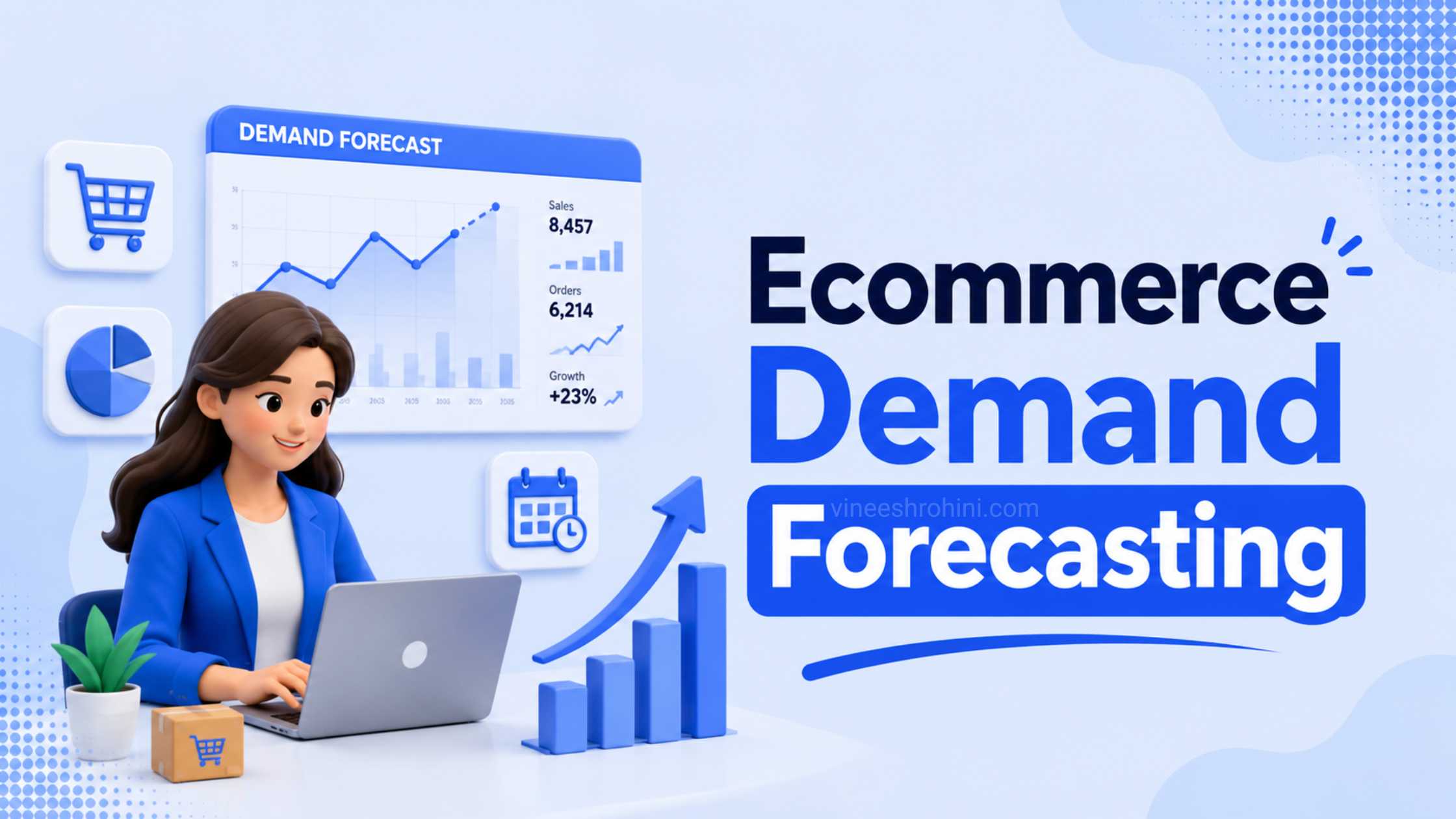
Predictive analytics enables businesses to forecast demand, optimize inventory management, and improve supply chain efficiency. By analyzing historical data and consumer behavior patterns, companies can make more informed decisions and reduce waste.
AI is also enhancing marketing effectiveness. Businesses can segment audiences more accurately, personalize campaigns, and optimize advertising spend. As AI technologies continue advancing, their impact on ecommerce is expected to grow substantially.
Mobile Commerce Dominance
Mobile commerce continues to dominate the Indian ecommerce landscape. Smartphones have become the primary gateway to online shopping for millions of consumers.
The convenience of mobile shopping aligns perfectly with modern lifestyles. Consumers can browse products, compare prices, read reviews, and complete purchases from virtually anywhere. This accessibility has significantly increased ecommerce adoption.
Businesses are increasingly prioritizing mobile-first strategies. Optimized mobile websites, dedicated shopping applications, simplified checkout processes, and fast-loading pages are becoming essential components of successful ecommerce operations.
Mobile payment solutions further enhance convenience, enabling seamless transactions without requiring traditional banking infrastructure. As smartphone penetration continues increasing, mobile commerce will remain a major driver of ecommerce growth.
Social Commerce Revolution

Social commerce represents one of the most exciting developments in Indian ecommerce. Consumers increasingly discover products through social platforms and make purchasing decisions based on recommendations, reviews, and community engagement.
Social commerce combines entertainment, interaction, and shopping into a single experience. Influencer marketing, live commerce events, product demonstrations, and user-generated content play important roles in this ecosystem.
Businesses are leveraging social platforms to build communities, engage audiences, and drive sales. Authentic content often performs better than traditional advertising because consumers trust recommendations from creators and peers.
The integration of shopping functionality directly into social platforms is simplifying customer journeys and reducing friction between discovery and purchase.
Personalized Shopping Experiences
Personalization is becoming a major competitive advantage in ecommerce. Modern consumers expect businesses to understand their preferences and provide relevant recommendations.
Personalized experiences include product suggestions, customized promotions, targeted content, and individualized communications. These strategies improve customer satisfaction and increase conversion rates.
Buy Now : Ecommerce Website
AI and machine learning technologies make personalization more effective by analyzing customer behavior and predicting future needs. Businesses that successfully implement personalization strategies often achieve stronger customer loyalty and higher lifetime values.
As consumer expectations continue evolving, personalization will become increasingly important in differentiating ecommerce brands.
Sustainability and Conscious Consumerism
Environmental awareness is influencing purchasing decisions across India. Consumers are increasingly considering sustainability when selecting products and brands.
Eco-friendly packaging, ethical sourcing, sustainable products, and responsible business practices are becoming important differentiators. Brands that demonstrate genuine commitment to sustainability often attract loyal customer bases.
The future of ecommerce will likely involve greater emphasis on environmental responsibility. Businesses that proactively address sustainability concerns may gain competitive advantages and strengthen brand reputations.
Logistics and Supply Chain Innovation
Efficient logistics remain essential for ecommerce success. Customers increasingly expect fast, reliable, and transparent delivery experiences.
Advances in automation, route optimization, warehouse management systems, and predictive analytics are improving supply chain efficiency. Businesses can fulfill orders more quickly while reducing operational costs.
Real-time tracking capabilities enhance customer confidence by providing visibility throughout the delivery process. Improved logistics infrastructure will continue supporting ecommerce expansion into new markets.
Opportunities for Entrepreneurs
The future of ecommerce in India presents significant opportunities for entrepreneurs. Low barriers to entry, growing consumer demand, and technological advancements make ecommerce an attractive business option.
Opportunities exist across various sectors, including:
- Direct-to-consumer brands
- Niche ecommerce stores
- Digital products
- Social commerce businesses
- Subscription services
- Regional marketplaces
Entrepreneurs who identify underserved markets and deliver exceptional customer experiences can build successful businesses in the evolving ecommerce landscape.
Challenges Facing Indian Ecommerce
Despite strong growth prospects, several challenges remain. Increasing competition makes customer acquisition more expensive. Businesses must invest in branding, customer retention, and differentiation to remain competitive.
Logistics complexities, cybersecurity threats, regulatory changes, and evolving consumer expectations require continuous adaptation. Companies that fail to innovate may struggle to maintain relevance.
However, these challenges also create opportunities for businesses capable of developing effective solutions and improving customer experiences.
Future Trends Shaping Ecommerce in India
Several trends are expected to shape the future of ecommerce in India:
Artificial Intelligence Adoption
AI-driven personalization, automation, and analytics will become increasingly common.
Voice Commerce
Voice-enabled shopping experiences will gain popularity.
Augmented Reality Shopping
Consumers will interact with products virtually before purchasing.
Hyper-Personalization
Shopping experiences will become increasingly individualized.
Faster Deliveries
Businesses will continue optimizing fulfillment processes.
Expansion into Rural Markets
Rural consumers will contribute significantly to future growth.
These trends will influence how businesses operate and compete in the coming years.
Future of Ecommerce in India – Conclusion

The future of ecommerce in India is exceptionally promising. Driven by technological innovation, expanding internet access, increasing smartphone adoption, improved digital payments, and changing consumer behavior, the industry is poised for substantial growth throughout 2026 and beyond.
Buy Now : Ecommerce Website
Artificial Intelligence, mobile commerce, social commerce, personalization, sustainability, and rural market expansion are transforming the ecommerce landscape. Businesses that embrace these trends and prioritize customer experiences will be best positioned for long-term success.
Entrepreneurs and established brands alike have unprecedented opportunities to participate in India’s digital commerce revolution. By leveraging technology, understanding consumer needs, and adapting to emerging trends, businesses can build sustainable and profitable ecommerce operations.
As India continues its digital transformation journey, ecommerce will play an increasingly important role in the economy, creating opportunities for innovation, entrepreneurship, employment, and economic growth. The businesses that focus on trust, value creation, customer satisfaction, and technological advancement will lead the next generation of ecommerce success in India.