Marketing Automation Trends Every Business Should Know : Comprehensive Guide 2026
Marketing Automation Trends : Marketing automation has become one of the most powerful tools for businesses looking to streamline operations, improve customer engagement, and drive sustainable growth. In 2026, automation is no longer limited to scheduling emails or social media posts. Modern marketing automation platforms now leverage artificial intelligence (AI), machine learning, predictive analytics, and real-time customer data to deliver highly personalized experiences across multiple channels.
Consumers expect businesses to communicate with them at the right time, through the right channel, and with content that matches their interests. Meeting these expectations manually is nearly impossible, especially as customer journeys become more complex. Marketing automation enables businesses to nurture leads, automate repetitive tasks, personalize customer interactions, and measure campaign performance with greater accuracy.
Whether you’re a startup, small business, eCommerce store, B2B company, or enterprise, understanding the latest marketing automation trends can help you stay ahead of the competition and maximize your marketing return on investment (ROI). This comprehensive guide explores the most important marketing automation trends for 2026, implementation strategies, benefits, challenges, and best practices.
What Is Marketing Automation?

Marketing automation refers to the use of software and technology to automate repetitive marketing activities while delivering personalized customer experiences.
Common automated tasks include:
- Email marketing
- Lead nurturing
- Customer segmentation
- Social media scheduling
- SMS campaigns
- Customer onboarding
- CRM updates
- Campaign reporting
- Workflow management
- Personalized recommendations
Automation allows marketers to focus more on strategy and creativity rather than manual execution.
Why Marketing Automation Matters in 2026
Digital marketing channels continue to expand, making it increasingly difficult to manage customer interactions manually.
Marketing automation helps businesses:
- Save time
- Improve productivity
- Increase lead conversions
- Enhance customer experiences
- Reduce marketing costs
- Improve campaign consistency
- Deliver personalized messaging
- Increase revenue
Companies using automation effectively often experience stronger customer relationships and better operational efficiency.
Trend 1: AI-Powered Marketing Automation
Artificial Intelligence is transforming marketing automation by enabling systems to learn from customer behavior and optimize campaigns automatically.
Also Read : Virtual Reality Ecommerce
AI-powered features include:
- Smart audience segmentation
- Predictive recommendations
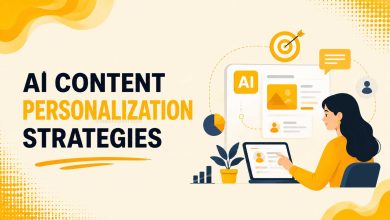
- Dynamic content creation
- Automated campaign optimization
- AI-generated email copy
- Personalized product suggestions
- Intelligent customer journey mapping
AI reduces manual work while improving marketing accuracy.
Trend 2: Hyper-Personalization
Generic marketing messages are becoming less effective.
Hyper-personalization uses customer data to create individualized experiences based on:
- Purchase history
- Browsing behavior
- Search intent
- Geographic location
- Device type
- Customer preferences
- Previous interactions
Businesses can deliver relevant content at every stage of the customer journey.
Trend 3: Predictive Analytics
Predictive analytics uses historical data and machine learning to forecast future customer behavior.
Applications include:
- Purchase predictions
- Customer churn prevention
- Lead scoring
- Product recommendations
- Personalized promotions
- Demand forecasting
Businesses can proactively engage customers before they make purchasing decisions.
Trend 4: Omnichannel Marketing Automation

Customers interact with brands across multiple channels.
Automation platforms now coordinate communication across:
- SMS
- Mobile apps
- Social media
- Websites
- Live chat
- Push notifications
- Messaging platforms
A consistent omnichannel experience strengthens customer relationships and improves engagement.
Trend 5: AI-Powered Email Marketing
Email remains one of the highest-performing marketing channels.
AI enhances email campaigns by optimizing:
- Subject lines
- Send times
- Personalized offers
- Dynamic content
- Product recommendations
- Customer segmentation
- Automated follow-up sequences
These improvements can increase open rates, click-through rates, and conversions.
Trend 6: Conversational Marketing
Customers increasingly prefer instant communication.
Marketing automation now integrates with:
- AI chatbots
- Live chat systems
- Virtual assistants
- Messaging apps
These tools provide immediate responses, qualify leads, answer questions, and guide customers through the buying process.
Trend 7: Customer Journey Automation
Modern platforms automate the entire customer lifecycle.
Examples include:
- Welcome sequences
- Lead nurturing
- Cart abandonment recovery
- Re-engagement campaigns
- Loyalty programs
- Customer feedback requests
- Renewal reminders
Automated workflows ensure customers receive relevant communications at the right time.
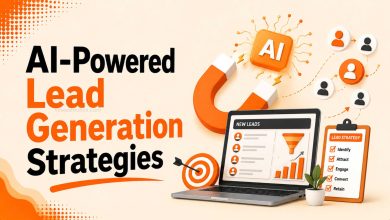
Trend 8: Automated Lead Scoring
Not all leads are equally valuable.
AI automatically scores leads based on:
- Website visits
- Content downloads
- Email engagement
- Purchase intent
- Company size (B2B)
- Behavioral signals
Sales teams can prioritize high-quality leads and improve conversion rates.
Trend 9: Dynamic Content Automation
Dynamic content changes automatically based on user characteristics.
Examples include:
- Personalized website banners
- Customized landing pages
- Individual product recommendations
- Localized promotions
- Personalized blog suggestions
Relevant content increases engagement and customer satisfaction.
Trend 10: First-Party Data Strategies
As privacy regulations evolve and third-party cookies become less reliable, businesses are placing greater emphasis on first-party data.
Sources include:
- Website registrations
- Customer accounts
- Purchase history
- Email subscriptions
- Surveys
- Loyalty programs
Using consent-based first-party data supports effective personalization while strengthening customer trust.
Trend 11: Social Media Automation

Automation tools now help marketers:
- Schedule posts
- Monitor engagement
- Analyze performance
- Respond to comments
- Recommend posting times
- Track brand mentions
AI can also suggest content ideas based on audience interests and trending topics.
Trend 12: Voice Search Optimization
Voice assistants continue to influence online search behavior.
Marketing automation platforms now help businesses:
- Optimize conversational content
- Automate FAQ updates
- Improve local search visibility
- Support voice commerce experiences
Preparing content for voice search improves discoverability.
Trend 13: Video Marketing Automation
Video remains one of the most engaging content formats.
Automation supports:
- Personalized video emails
- Automated webinar invitations
- Video performance analytics
- AI-generated captions
- Audience segmentation
- Video recommendation engines
Businesses can deliver more relevant video content with less manual effort.
Trend 14: Marketing Automation for eCommerce
Online retailers increasingly rely on automation to improve customer experiences.
Common workflows include:
- Abandoned cart reminders
- Personalized product recommendations
- Post-purchase follow-ups
- Inventory alerts
- Loyalty rewards
- Cross-selling campaigns
- Upselling campaigns
These automated interactions help increase average order value and customer retention.
Trend 15: Privacy-First Marketing Automation
Consumers are increasingly concerned about how their personal information is collected and used.
Best practices include:
- Transparent data collection
- Consent management
- Secure data storage
- Preference centers
- Ethical AI usage
- Compliance with applicable privacy regulations
Privacy-first automation builds trust and supports long-term customer relationships.
Benefits of Marketing Automation
Businesses implementing automation often experience:
- Improved productivity
- Better customer engagement
- Increased conversion rates
- Higher revenue
- Reduced manual work
- Better lead management
- Stronger customer retention
- More accurate reporting
- Faster campaign execution
- Improved ROI
Common Challenges
Marketing automation also presents challenges.
These include:
- Poor-quality customer data
- Over-automation
- Lack of personalization
- Integration difficulties
- Employee training requirements
- Budget limitations
- Compliance concerns
- Measuring attribution accurately
Careful planning and ongoing optimization help address these issues.
Best Practices for Marketing Automation in 2026
To maximize results:
- Define clear marketing objectives.
- Understand your target audience.
- Build accurate customer segments.
- Use AI to enhance personalization.
- Create valuable, relevant content.
- Test workflows regularly.
- Monitor campaign performance.
- Integrate marketing and sales systems.
- Respect customer privacy preferences.
- Continuously optimize based on analytics.
Future of Marketing Automation
Marketing automation continues to evolve rapidly.
Emerging developments include:
- Autonomous AI marketing agents
- Predictive customer journey optimization
- Emotion-aware marketing
- Multimodal AI content generation
- Real-time personalization
- Advanced conversational AI
- Predictive customer service
- AI-assisted creative optimization
- Augmented reality marketing experiences
- Deeper integration with CRM and analytics platforms
Businesses that embrace these innovations will be better equipped to adapt to changing customer expectations.
Frequently Asked Questions (FAQs)
1. What is marketing automation?
Marketing automation uses software to automate repetitive marketing activities such as email campaigns, lead nurturing, customer segmentation, social media management, and reporting.
2. Why is marketing automation important in 2026?
It helps businesses improve efficiency, personalize customer experiences, increase conversions, and scale marketing efforts across multiple channels.
3. Can small businesses benefit from marketing automation?
Yes. Many affordable automation platforms offer features suitable for startups and small businesses, helping them compete more effectively.
4. How does AI improve marketing automation?
AI enhances automation by analyzing customer data, predicting behavior, personalizing content, optimizing campaigns, and automating decision-making.
5. What is omnichannel marketing automation?
It coordinates customer communication across multiple channels—such as email, SMS, websites, social media, and mobile apps—to provide a consistent experience.
6. Is marketing automation only for email campaigns?
No. Modern automation supports websites, CRM systems, social media, messaging apps, customer support, eCommerce platforms, and more.
7. Does marketing automation replace marketers?
No. Automation handles repetitive tasks, while marketers focus on strategy, creativity, customer insights, and campaign optimization.
8. How can businesses measure marketing automation success?
Track metrics such as conversion rates, lead quality, customer acquisition cost (CAC), customer lifetime value (CLV), email engagement, website traffic, retention rates, and return on investment (ROI).
Marketing Automation Trends – Conclusion

Marketing automation has evolved into a strategic business capability that extends far beyond basic email scheduling. In 2026, AI-driven personalization, predictive analytics, omnichannel engagement, conversational marketing, and privacy-first practices are shaping the future of customer communication. Businesses that adopt these trends can streamline operations, improve customer experiences, and generate stronger marketing results.
Buy Now : Ready Made Digital Store with 100 Products
Successful marketing automation requires more than technology. It depends on high-quality customer data, thoughtful strategy, continuous testing, and a commitment to delivering meaningful value. Organizations that combine automation with human creativity and ethical data practices will be well positioned to build lasting customer relationships and achieve sustainable growth in the years ahead.
Keywords : Marketing Automation Trends – Marketing Automation Trends 2026