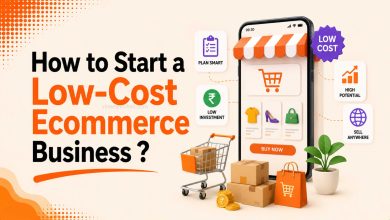
Ecommerce Business for Beginners : Comprehensive Guide 2026
Ecommerce Business for Beginners : The ecommerce industry is growing faster than ever in 2026, creating enormous opportunities for entrepreneurs, students, freelancers, homemakers, creators, and small business owners worldwide. Online shopping has become a normal part of daily life, and consumers increasingly prefer purchasing products and services through digital platforms because of convenience, fast delivery, mobile accessibility, and personalized shopping experiences. As a result, starting an ecommerce business has become one of the most profitable and scalable online business opportunities for beginners.
In the past, building a business required physical stores, large investments, inventory storage, and complicated logistics systems. Today, ecommerce platforms, artificial intelligence tools, digital payment systems, and social commerce technologies have made online business more accessible than ever before. Beginners can now launch ecommerce businesses from home with relatively low investment and reach customers globally through websites, mobile apps, marketplaces, and social media platforms.
Ecommerce is no longer limited to selling physical products. Modern ecommerce businesses now include digital products, subscription services, online courses, software tools, print-on-demand products, handmade products, affiliate marketing systems, and creator-driven commerce models. Artificial intelligence, automation, voice search, AI-powered personalization, and mobile-first shopping experiences are transforming how ecommerce businesses operate and grow.
However, while ecommerce offers huge opportunities, success requires proper planning, niche selection, branding, product research, marketing strategies, SEO optimization, customer service, and long-term consistency. Many beginners fail because they choose poor products, ignore branding, underestimate competition, or lack proper marketing knowledge.
This comprehensive guide explains everything beginners need to know about starting a successful ecommerce business in 2026, including business models, product selection, website creation, AI tools, marketing strategies, SEO, customer service, automation, and future ecommerce trends.
What Is Ecommerce ?

Ecommerce refers to buying and selling products or services online through websites, mobile apps, marketplaces, and digital platforms.
Modern ecommerce businesses include:
- Online stores
- Marketplace businesses
- Subscription platforms
- Digital product businesses
- Mobile commerce apps
- Social commerce stores
Consumers use ecommerce platforms for:
- Product discovery
- Online shopping
- Digital payments
- Order tracking
- Subscription purchases
Also Read : Ecommerce Packaging Ideas for Brands
Ecommerce continues expanding rapidly because online shopping offers convenience, flexibility, and global accessibility.
Why Ecommerce Is Growing in 2026
Several factors are driving ecommerce growth worldwide.
Important growth drivers include:
- Smartphone adoption
- Artificial intelligence technologies
- Digital payment systems
- Faster internet access
- Social commerce growth
- Mobile shopping behavior
- AI-powered personalization
Consumers increasingly prefer online shopping because it saves time and provides better product variety.
In 2026, ecommerce is becoming one of the largest sectors in the global digital economy.
Why Ecommerce Is Perfect for Beginners
Ecommerce is highly suitable for beginners because starting costs are lower compared to traditional businesses.
Benefits include:
- Low startup investment
- Work-from-home flexibility
- Global customer reach
- Scalable business models
- Automation opportunities
- Passive income potential
Beginners can start ecommerce businesses gradually and scale operations over time.
Modern tools also reduce technical barriers, making ecommerce easier for non-technical entrepreneurs.
Choosing the Right Ecommerce Business Model
Selecting the right business model is one of the most important decisions for beginners.
Popular ecommerce business models include:
Selling Physical Products
Businesses sell products directly to customers through ecommerce websites or marketplaces.
Examples include:
- Fashion products
- Electronics
- Beauty products
- Home décor
Dropshipping
Dropshipping allows sellers to market products without holding inventory.
Advantages include:
- Lower startup costs
- Reduced storage requirements
- Easier scalability
Print-on-Demand
Products are customized and printed only after customer orders.
Popular POD products include:
- T-shirts
- Mugs
- Phone cases
- Posters
Digital Products
Digital ecommerce includes:
- Online courses
- Ebooks
- Templates
- Software tools
Digital products often provide higher profit margins because there are no shipping or inventory costs.
Subscription Ecommerce
Subscription models generate recurring revenue through regular customer payments.
Examples include:
- Membership platforms
- Monthly product boxes
- Software subscriptions
Choosing a Profitable Ecommerce Niche
Choosing the right niche significantly affects ecommerce success.
A profitable niche should have:
- Strong market demand
- Long-term growth potential
- Good profit margins
- Audience interest
Popular ecommerce niches in 2026 include:
- AI tools
- Sustainable products
- Health and wellness
- Smart gadgets
- Home fitness products
- Beauty and skincare
- Personalized gifts
- Digital education products
Niche-focused businesses often build stronger brand authority and customer loyalty.
Product Research for Beginners
Product research is critical for ecommerce profitability.
Beginners should look for products that have:
- Strong demand
- Low market saturation
- Good profit potential
- Viral marketing potential
Product research methods include:
- Search trend analysis
- Marketplace research
- Competitor analysis
- Social commerce trends
- Customer problem identification
Winning products often solve specific problems or improve customer convenience.
Building an Ecommerce Brand
Branding is essential in modern ecommerce because competition is extremely high.
Strong branding includes:
- Business name
- Logo design
- Color consistency
- Brand messaging
- Customer experience
Successful ecommerce brands focus on:
- Emotional connection
- Storytelling
- Customer trust
- Visual identity
Consumers increasingly prefer brands that feel authentic and memorable.
Choosing the Best Ecommerce Platform
Several ecommerce platforms help beginners create online stores easily.
Popular ecommerce platforms include:
- Shopify
- WooCommerce
- Wix Ecommerce
- BigCommerce
Important features to consider include:
- Ease of use
- Mobile responsiveness
- SEO capabilities
- Payment integrations
- Scalability
Beginners should choose platforms that are simple to manage and optimized for future growth.
Creating a Professional Ecommerce Website
Your ecommerce website acts as your digital storefront.
A successful ecommerce website should include:
- Mobile-friendly design
- Fast loading speed
- Simple navigation
- Secure checkout systems
- High-quality visuals
Modern ecommerce design focuses on:
- Minimalist layouts
- User-friendly experiences
- Fast product discovery
Professional websites improve customer trust and conversion rates.
Mobile Commerce Optimization
Mobile commerce dominates ecommerce in 2026.
Most consumers now shop through smartphones.
Mobile optimization includes:
- Responsive design
- Fast mobile loading speeds
- Mobile payment systems
- Simplified navigation
Poor mobile experiences significantly reduce sales opportunities.
Product Photography Best Practices
Product visuals strongly influence online purchasing decisions.
Good product photography should include:
- High-resolution images
- Multiple angles
- Clean backgrounds
- Lifestyle visuals
Professional product images improve:
- Customer trust
- Conversion rates
- Brand quality perception
Video content is also becoming increasingly important in ecommerce marketing.
Writing High-Converting Product Descriptions
Product descriptions should focus on:
- Benefits
- Features
- Emotional appeal
- SEO keywords
Good ecommerce descriptions help customers:
- Understand product value
- Build confidence
- Make faster decisions
SEO-friendly descriptions also improve organic search visibility.
Ecommerce SEO for Beginners

Search engine optimization helps ecommerce stores attract free organic traffic.
Important ecommerce SEO strategies include:
- Keyword optimization
- Product page SEO
- Blog content creation
- Mobile optimization
- Internal linking
SEO is one of the most powerful long-term traffic sources for ecommerce businesses.
In 2026, AI-powered search systems increasingly prioritize helpful and experience-driven content.
Using Artificial Intelligence in Ecommerce
Artificial intelligence is transforming ecommerce rapidly.
AI tools help beginners with:
- Product recommendations
- Content generation
- SEO optimization
- Customer support
- Email marketing
- Inventory forecasting
AI-powered systems improve efficiency and personalization significantly.
Modern ecommerce businesses increasingly rely on AI automation to scale operations.
Ecommerce Marketing Strategies
Marketing is essential for ecommerce growth.
Popular ecommerce marketing methods include:
- Content marketing
- SEO
- Email marketing
- Influencer marketing
- Video marketing
- Social commerce
Successful ecommerce marketing focuses on customer trust and long-term engagement.
Social Commerce in 2026
Social commerce is becoming one of the biggest ecommerce trends.
Consumers increasingly discover products through:
- Short-form videos
- Influencer recommendations
- Creator-driven communities
Social commerce combines entertainment and shopping into one experience.
Visual and video-based product promotion significantly improves engagement and sales.
Email Marketing for Ecommerce
Email marketing remains highly profitable for ecommerce businesses.
Email strategies include:
- Welcome sequences
- Product recommendations
- Cart recovery emails
- Loyalty campaigns
Email marketing helps businesses:
- Increase repeat purchases
- Build customer relationships
- Improve retention rates
Personalized email campaigns perform especially well in 2026.
Customer Service Strategies
Excellent customer service improves:
- Customer retention
- Brand trust
- Positive reviews
Good ecommerce customer service includes:
- Fast responses
- Easy returns
- Transparent communication
- AI chat support
Modern ecommerce brands increasingly combine AI automation with human support systems.
Ecommerce Payment Systems
Secure and convenient payment systems are essential.
Popular payment methods include:
- Credit cards
- Debit cards
- UPI systems
- Mobile wallets
- Buy Now Pay Later services
Flexible payment options improve customer convenience and conversion rates.
Inventory and Logistics Management
Inventory and shipping management are critical for ecommerce success.
Important logistics considerations include:
- Packaging quality
- Shipping speed
- Delivery tracking
- Return management
Efficient logistics improve customer satisfaction and brand reputation.
Ecommerce Analytics and Data Tracking
Analytics help ecommerce businesses understand customer behavior and improve performance.
Important ecommerce metrics include:
- Conversion rates
- Cart abandonment rates
- Customer lifetime value
- Traffic sources
- Average order value
Data-driven optimization improves profitability and decision-making.
Building Customer Loyalty
Customer retention is often more profitable than customer acquisition.
Loyalty strategies include:
- Reward systems
- Personalized discounts
- Membership programs
- Excellent support
Strong customer relationships create long-term ecommerce growth.
Common Ecommerce Mistakes Beginners Should Avoid
Many beginners fail because of common mistakes including:
- Choosing poor products
- Ignoring branding
- Weak marketing strategies
- Poor mobile optimization
- Low-quality visuals
- Inconsistent customer service
Avoiding these mistakes significantly improves success potential.
Ecommerce Automation Tools
Automation tools help businesses scale more efficiently.
Automation systems help with:
- Email campaigns
- Inventory management
- Customer support
- Marketing workflows
Automation reduces manual workload and improves productivity.
Voice Commerce and AI Search
Voice commerce is becoming increasingly important in ecommerce.
Consumers now use voice search for:
- Product discovery
- Shopping recommendations
- Online purchases
Businesses optimizing for conversational search gain future competitive advantages.
Augmented Reality Ecommerce
Augmented reality is transforming ecommerce experiences.
AR allows customers to:
- Virtually try products
- Visualize furniture
- Preview fashion items
Immersive shopping experiences improve customer confidence and reduce return rates.
Future Trends in Ecommerce
Several trends will shape ecommerce in the coming years.
Major trends include:
- Artificial intelligence
- Conversational commerce
- Voice shopping
- Hyper-personalization
- Creator-driven commerce
- Subscription ecosystems
Future ecommerce businesses will become increasingly automated and customer-centric.
Ecommerce Passive Income Opportunities
Ecommerce can create passive income opportunities through:
- Automated stores
- Digital product sales
- Subscription systems
- Affiliate partnerships
Scalable ecommerce models allow businesses to grow beyond traditional time limitations.
Importance of Consistency in Ecommerce
Success in ecommerce usually requires long-term consistency.
Beginners should focus on:
- Continuous learning
- Consistent marketing
- Customer satisfaction
- Brand development
Sustainable growth usually happens gradually rather than instantly.
Ecommerce Business for Beginners – Conclusion

Ecommerce business opportunities in 2026 are larger than ever before. The growth of digital commerce, mobile shopping, AI technologies, automation systems, and social commerce has made it possible for beginners to start scalable online businesses with relatively low investment. Ecommerce offers flexibility, global reach, passive income potential, and long-term growth opportunities for entrepreneurs worldwide.
Buy Now : Ready Made Digital Store with 100 Products
Successful ecommerce businesses focus on niche selection, strong branding, SEO optimization, customer experience, AI-powered personalization, mobile-first design, and strategic marketing. Beginners who prioritize consistency, customer trust, product quality, and continuous learning can build profitable online businesses in highly competitive digital markets.
Artificial intelligence, automation, voice commerce, augmented reality, and personalized shopping experiences are reshaping the future of ecommerce. Entrepreneurs who adapt to these trends early will gain significant competitive advantages in the evolving digital economy.
In 2026 and beyond, ecommerce remains one of the most powerful opportunities for beginners to build financial independence, scalable businesses, and long-term online success.
Keywords : Ecommerce Business for Beginners – Ecommerce Business for Beginners 2026