Financial Planning for Self-Employed Professionals : Comprehensive Guide 2026
Financial Planning for Self-Employed : Self-employment has become one of the fastest-growing career paths in the digital economy. Freelancers, consultants, creators, coaches, software developers, digital marketers, photographers, designers, writers, online educators, and entrepreneurs are choosing the flexibility and independence of working for themselves rather than relying on traditional employment. In 2026, advancements in remote work, Artificial Intelligence (AI), digital payment platforms, ecommerce, and online marketplaces have created countless opportunities for professionals to build successful independent careers.
While self-employment offers freedom, flexibility, and unlimited income potential, it also brings greater financial responsibility. Unlike salaried employees, self-employed professionals do not receive employer-sponsored retirement plans, paid leave, health benefits, or guaranteed monthly salaries. Income can fluctuate significantly from month to month, making financial planning an essential skill rather than an optional one.
Many independent professionals focus primarily on earning more income while overlooking long-term financial planning. Without a structured financial strategy, even high earners may struggle with irregular cash flow, tax obligations, emergency expenses, retirement savings, business investments, and personal financial security. Successful self-employed professionals understand that managing money effectively is just as important as acquiring new clients.
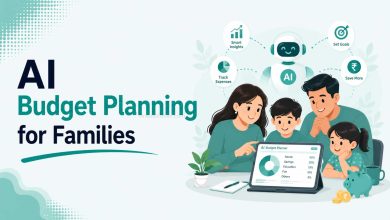
Artificial Intelligence has significantly transformed financial planning for freelancers and entrepreneurs. AI-powered accounting software, budgeting applications, invoicing platforms, investment advisors, expense trackers, tax management systems, and predictive cash flow tools simplify financial management while providing real-time insights. These technologies reduce administrative work and enable professionals to make more informed financial decisions.
Another important shift in 2026 is the growing importance of diversified income. Many self-employed individuals no longer depend solely on client work. Instead, they supplement active income with digital products, affiliate marketing, online courses, subscription communities, consulting packages, software tools, investments, royalties, and other recurring revenue streams. This diversified approach improves financial stability while reducing dependence on any single client.
Financial planning for self-employed professionals also requires balancing personal and business finances. Business expenses, taxes, savings, investments, insurance, emergency funds, and retirement planning must all be carefully coordinated. Entrepreneurs who establish clear financial systems early create stronger businesses while protecting their personal financial well-being.
This comprehensive guide explores every aspect of financial planning for self-employed professionals in 2026, including budgeting, Artificial Intelligence, tax planning, retirement strategies, investing, cash flow management, multiple income streams, automation, common mistakes, and future financial trends.
Why Financial Planning Matters for the Self-Employed

Financial planning provides stability despite irregular income.
Unlike traditional employees, self-employed professionals often experience fluctuating monthly earnings.
A structured financial plan helps:
- Manage uncertainty
- Build savings
- Reduce financial stress
- Prepare for emergencies
- Support long-term wealth creation
Planning transforms unpredictable income into sustainable financial security.
Separate Personal and Business Finances
One of the first financial priorities is separating business and personal money.
Also Read : How to Scale an Online Business
Maintain:
- Separate bank accounts
- Business payment methods
- Independent accounting records
This improves financial clarity.
Tax preparation becomes easier.
Business profitability becomes more accurate.
Professional financial management begins with organization.
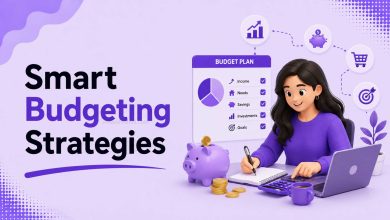
Create a Personal Budget
A monthly budget provides financial direction.
Include:
- Housing
- Food
- Utilities
- Transportation
- Insurance
- Savings
- Investments
- Business expenses
Budgeting helps maintain stability during lower-income months.
Spending intentionally creates long-term financial confidence.
Build an Emergency Fund
Income fluctuations make emergency savings especially important.
Unexpected situations may include:
- Client cancellations
- Medical emergencies
- Equipment failures
- Economic slowdowns
Aim to maintain several months of essential living and business expenses.
Emergency reserves reduce financial pressure.
Prepared professionals recover more quickly from unexpected challenges.
Artificial Intelligence for Financial Management
Artificial Intelligence has become an essential financial assistant.
AI-powered tools help with:
- Expense tracking
- Invoice generation
- Cash flow forecasting
- Budget monitoring
- Tax calculations
- Investment analysis
- Fraud detection
Automation reduces manual bookkeeping.
Real-time insights improve decision-making.
Technology simplifies financial planning.
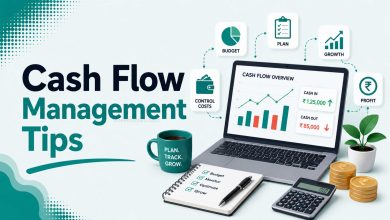
Manage Cash Flow Effectively
Cash flow management is critical for independent professionals.
Track:
- Client payments
- Recurring expenses
- Project income
- Business investments
- Subscription costs
Understanding income timing helps prevent financial shortages.
Healthy cash flow supports business growth.
Price Your Services Correctly
Many freelancers underprice their expertise.
Pricing should account for:
- Skill level
- Experience
- Market demand
- Business expenses
- Taxes
- Future investments
Charging sustainable rates protects long-term profitability.
Professional pricing supports financial stability.
Plan for Taxes
Self-employed professionals are responsible for managing their own tax obligations.
Develop habits such as:
- Setting aside a portion of every payment
- Tracking deductible expenses
- Maintaining organized records
- Reviewing tax obligations regularly
Early preparation reduces year-end financial pressure.
Good tax planning improves cash flow management.
Invest Consistently
Saving protects money.
Investing helps it grow.
Long-term investments may include:
- Mutual funds
- Exchange-Traded Funds (ETFs)
- Dividend-paying stocks
- Retirement accounts
- Government securities
Consistent investing supports financial independence.
Time allows compound growth to work effectively.
Diversify Income Sources
Depending entirely on client work increases financial risk.
Additional income opportunities include:
- Online courses
- Digital products
- Membership communities
- Affiliate marketing
- Consulting packages
- Subscription services
Diversification creates greater financial resilience.
Multiple revenue streams stabilize income.
Protect Your Business
Financial planning also includes risk management.
Consider:
- Health insurance
- Professional liability insurance
- Cybersecurity protection
- Equipment insurance
- Business continuity planning
Protection minimizes financial disruption.
Prepared businesses recover more efficiently.
Automate Financial Processes

Automation increases consistency.
Automate:
- Savings transfers
- Investment contributions
- Invoice reminders
- Subscription payments
- Expense tracking
AI improves financial discipline.
Automation reduces missed deadlines.
Consistency strengthens long-term results.
Save for Retirement
Self-employed professionals must build retirement savings independently.
Begin early.
Invest consistently.
Review retirement goals regularly.
Long-term planning provides financial freedom.
Delayed preparation increases future financial pressure.
Continue Financial Education
Financial knowledge evolves continuously.
Study topics such as:
- Investing
- Tax planning
- Artificial Intelligence
- Business finance
- Wealth management
- Risk management
Learning improves financial confidence.
Better knowledge supports smarter decisions.
Measure Financial Progress
Monitor key indicators including:
- Monthly income
- Business profit
- Savings rate
- Investment growth
- Cash flow
- Net worth
Artificial Intelligence provides valuable reporting dashboards.
Regular reviews encourage continuous improvement.
Common Financial Mistakes
Many self-employed professionals struggle because they:
- Mix personal and business finances
- Ignore taxes
- Overspend during profitable months
- Neglect retirement savings
- Underprice services
- Depend on one client
Financial discipline prevents many avoidable problems.
Consistency creates stability.
Future Trends
Several innovations will reshape financial planning.
Artificial Intelligence will automate increasingly complex financial tasks.
Embedded financial services will simplify business banking.
Predictive cash flow forecasting will improve planning.
Digital investment platforms will become increasingly personalized.
Financial automation will continue reducing administrative work.
Technology will improve financial accessibility.
Best Practices
Successful self-employed professionals should:
- Separate personal and business finances.
- Build emergency savings.
- Leverage Artificial Intelligence.
- Manage cash flow carefully.
- Plan for taxes throughout the year.
- Invest consistently.
- Diversify income sources.
- Automate financial systems.
- Continue financial education.
- Review financial goals regularly.
Long-term financial planning creates business freedom.
Financial Planning for Self-Employed – Conclusion

Financial planning has become one of the most important responsibilities for self-employed professionals in 2026. While freelancing, consulting, entrepreneurship, and independent contracting offer flexibility and unlimited earning potential, they also require greater financial discipline than traditional employment. Without structured planning, irregular income, tax obligations, emergency expenses, and inconsistent cash flow can quickly create financial challenges, even for highly successful professionals.
Buy Now : Ecommerce Website
Artificial Intelligence has transformed financial management by providing intelligent budgeting tools, automated accounting systems, predictive cash flow forecasting, investment analysis, invoicing automation, and tax planning assistance. These technologies simplify financial administration while helping self-employed individuals make more informed decisions based on accurate, real-time information. AI allows entrepreneurs to spend less time managing finances and more time serving clients and growing their businesses.
Successful financial planning extends beyond earning income. Self-employed professionals should separate personal and business finances, maintain emergency savings, invest consistently, prepare for taxes throughout the year, diversify revenue streams, automate repetitive financial tasks, and regularly review long-term financial goals. These habits create stability while reducing financial uncertainty during slower business periods.
Diversification also strengthens financial resilience. Combining client services with digital products, online courses, affiliate marketing, subscription businesses, consulting packages, investments, and recurring revenue opportunities creates a stronger financial foundation than relying solely on one source of income. Multiple income streams provide greater flexibility while supporting sustainable wealth creation.
Looking ahead, Artificial Intelligence, intelligent accounting platforms, automated investing, predictive financial planning, embedded business banking, and personalized wealth management tools will continue reshaping financial planning for independent professionals. Those who embrace these innovations while maintaining disciplined financial habits will build stronger businesses and achieve greater long-term financial independence.
Ultimately, successful self-employment is not measured only by income—it is measured by financial stability, resilience, and freedom. Professionals who manage their money wisely, invest consistently, plan proactively, and build diversified income streams will create businesses and personal finances that continue to thrive throughout 2026 and beyond.
Keywords : Financial Planning for Self-Employed – Financial Planning for Self-Employed 2026