Financial Mistakes of Gen Z : Comprehensive Guide 2026
Financial Mistakes of Gen Z : Generation Z is growing into one of the most powerful economic forces in the world. With smartphones, UPI payments, and digital platforms shaping their daily lives, money has become completely virtual for this generation. Spending today is no longer about handing over cash—it is just a tap, swipe, or click. While this convenience has made life easier, it has also created a dangerous financial pattern where money flows out faster than it comes in.
Table of Contents
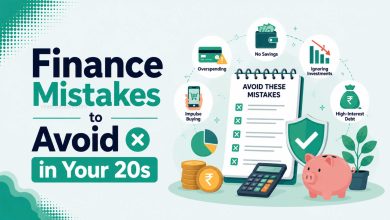
A major issue highlighted in your visuals is something very important: Gen Z is not losing money through big expenses, but through small, repeated, unnoticed spending habits. These are often called invisible money leaks. Subscriptions, food delivery, shopping offers, gaming purchases, and credit-based spending quietly drain income without people realizing it.
The Concept of Invisible Money Leaks
This guide explains in detail the biggest financial mistakes Gen Z is making in 2026, why these mistakes happen, and how to fix them before they turn into serious financial problems.

Unlike traditional expenses like rent or bills, modern spending is hidden and automated. Many Gen Z individuals don’t feel the pain of spending because money is deducted digitally and silently.
Invisible money leaks include:
- Monthly subscriptions
- Frequent food delivery orders
- Impulse online shopping
- Gaming and in-app purchases
- Small digital payments that add up over time
Each expense feels small, but together they create a large financial burden. This is the core problem affecting Gen Z finances today.
Why Gen Z Is Financially Vulnerable
Gen Z is not careless—they are simply operating in a completely different financial environment compared to previous generations.
Also Read : How to Start a Grocery Shop ?
First, they live in a digital-first ecosystem where everything is instant. Payments are frictionless, meaning there is no pause or thinking time before spending.
Second, credit is easily available. With just a few clicks, anyone can access Buy Now Pay Later (BNPL), credit lines, or instant loans. This creates an illusion of affordability.
Third, social media influence plays a huge role. Lifestyle content, travel reels, gadgets, and fashion trends constantly push people to spend more to keep up.
Finally, lack of financial education means many young individuals don’t understand budgeting, saving, or long-term wealth building.
Major Financial Mistakes of Gen Z
1. Overspending on Subscriptions
Subscriptions are one of the biggest hidden expenses.
Most people today have multiple active subscriptions such as OTT platforms, music apps, cloud storage, and premium tools. The problem is not having one subscription—it’s having too many.
Auto-renewal makes things worse. Even if a service is not used, money keeps getting deducted every month. Over time, this can become a serious financial drain.
A person might spend ₹200–₹500 on one service, but with 5–6 subscriptions, the total can easily cross ₹2000–₹4000 monthly.
2. Food Delivery Lifestyle
Food delivery has become a habit rather than an occasional convenience.
Ordering food feels easy, quick, and satisfying. But when it becomes a daily routine, it significantly increases monthly expenses.
A simple ₹250 order every day can result in ₹7500 per month. That is a huge amount for something that could have been managed at a much lower cost.
This is one of the most common financial leaks among Gen Z.
3. Impulsive Online Shopping
Online shopping platforms are designed to encourage spending. Flash sales, discounts, limited-time offers, and notifications create urgency.
Gen Z often buys things not because they need them, but because they feel they might miss out on a deal.
This leads to:
- Unnecessary purchases
- Wasted money
- Accumulation of unused items
Impulse buying is one of the biggest reasons why savings remain low.
4. Gaming and In-App Purchases
Gaming is another hidden expense that many people underestimate.
Small purchases inside games—like skins, upgrades, or premium features—feel insignificant. But these microtransactions can add up quickly.
Since payments are quick and often linked to cards or wallets, users don’t track how much they are spending.
Over time, gaming can silently consume thousands of rupees.
5. Overuse of Buy Now Pay Later (BNPL)
BNPL has become extremely popular among Gen Z because it removes the need to pay immediately.
It gives a false sense of affordability. People tend to buy more because they are not paying upfront.
The danger comes when multiple BNPL purchases stack up. Managing multiple EMIs becomes difficult, leading to financial stress.
Instead of solving money problems, BNPL often creates them.
6. Auto-Renewal Traps
Auto-renewal is one of the most overlooked financial mistakes.
Subscriptions, apps, and services renew automatically without reminding users. Many people continue paying for services they no longer use.
This creates a constant outflow of money without any real benefit.
7. One-Click Checkout Behavior
Modern apps and websites are designed to remove friction from spending.
One-click checkout allows users to purchase instantly without entering details. While this improves convenience, it reduces the time needed to think before spending.
As a result, impulse buying increases significantly.
8. Spending More Than Income
A critical issue highlighted in your content is financial imbalance.
Example scenario:
- Income: ₹12,000
- Expenses: ₹15,000
- Deficit: ₹3,000
This clearly shows a lifestyle where spending exceeds earning.
This gap is usually filled through credit, which leads to debt accumulation.
9. Taking Loans for Lifestyle
Another growing trend is borrowing money for non-essential purposes.
Instead of taking loans for assets or investments, many young individuals use credit for:
- Gadgets
- Travel
- Shopping
- Daily expenses
This creates a cycle where income is already committed to repaying past spending.
10. Ignoring Savings and Investments
Perhaps the biggest long-term mistake is not saving or investing early.
Gen Z often prioritizes lifestyle and experiences over financial security.
This leads to:
- No emergency fund
- No long-term wealth
- Financial insecurity
Starting late in investing means missing out on the power of compounding.
Psychological Reasons Behind These Mistakes

Instant Gratification
Gen Z prefers immediate satisfaction. Waiting and saving are less appealing compared to instant rewards.
Fear of Missing Out (FOMO)
Social media creates pressure to experience everything—travel, gadgets, fashion—which leads to overspending.
Digital Spending Illusion
Since money is not physical, spending does not feel real. This reduces financial awareness.
Gamification of Money
Cashbacks, rewards, and discounts make spending feel like a game rather than a financial decision.
Real-Life Financial Impact
These habits lead to serious consequences over time:
- Increasing debt levels
- Multiple EMIs
- No savings buffer
- Financial stress and anxiety
Even small deficits every month can turn into large debt over time.
How to Fix These Financial Mistakes
1. Track Your Spending
Start by understanding where your money is going. Awareness is the first step to control.
2. Cancel Unused Subscriptions
Review all subscriptions and remove anything unnecessary.
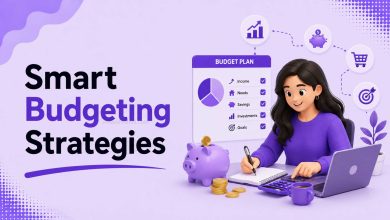
3. Set a Monthly Budget
Allocate money for needs, wants, and savings. Stick to this plan strictly.
4. Limit Food Delivery
Reduce ordering frequency and prioritize home-cooked meals.
5. Avoid Impulse Purchases
Wait before buying anything non-essential. This helps reduce unnecessary spending.
6. Use Credit Carefully
Avoid using BNPL or loans unless absolutely necessary.
7. Build an Emergency Fund
Save at least 3–6 months of expenses for emergencies.
8. Start Investing Early
Even small investments can grow significantly over time.
9. Control Lifestyle Inflation
As income increases, avoid increasing expenses at the same rate.
10. Improve Financial Knowledge
Learn about money management, saving strategies, and investments.
The Future of Gen Z Finances
Gen Z has the potential to become one of the most financially successful generations. They have access to better tools, information, and opportunities than ever before.
However, these same tools—digital payments, instant credit, and online platforms—can also lead to financial instability if used without discipline.
The difference between financial success and financial struggle will depend on how well this generation manages its money habits today.
Conclusion

The biggest financial mistake Gen Z is making is not a single decision—it is a pattern of small, repeated behaviors that slowly drain money. Subscriptions, food delivery, online shopping, gaming, and easy credit are all contributing to a silent financial crisis.
Buy Now : Accounting & Billing Website
The solution is not to stop spending completely, but to spend consciously. Awareness, discipline, and planning are the keys to financial stability.
If Gen Z can identify and fix these invisible money leaks early, they can build a strong financial future and avoid the debt traps that are becoming increasingly common.
Disclaimer : This content is created for educational and informational purposes only. Financial decisions should be made based on individual circumstances and proper research.