How to Start Passion Fruit Farming ? : Comprehensive Guide 2026
How to Start Passion Fruit Farming : Passion fruit farming is rapidly becoming one of the most profitable exotic fruit farming opportunities in India, especially in Kerala and other tropical regions. With increasing consumer demand for healthy fruit juices, pulp-based beverages, jam products, and export-quality exotic fruits, passion fruit cultivation has evolved into a modern agribusiness opportunity for farmers, entrepreneurs, and agriculture enthusiasts. In 2026, passion fruit farming is gaining huge popularity because of its high market value, fast-growing nature, strong export demand, and long productive lifespan. Farmers looking for low-space, high-value farming ideas are now shifting toward passion fruit cultivation due to its commercial potential and increasing demand in domestic and international markets.
Table of Contents
Passion fruit is a climbing vine crop that belongs to the Passiflora family. The fruit is known for its unique aroma, tangy flavor, and nutritional benefits. Passion fruit contains high levels of antioxidants, Vitamin C, dietary fiber, potassium, and plant compounds that support overall health. Because of these benefits, the fruit is widely used in juices, desserts, syrups, squash products, ice creams, bakery items, cosmetics, and pharmaceutical products. The rising awareness of healthy lifestyles and natural fruit-based products has significantly increased the demand for passion fruit farming in India.
Kerala has emerged as one of the most favorable locations for passion fruit cultivation because of its tropical climate, adequate rainfall, fertile soil conditions, and increasing interest in exotic fruit farming. Farmers in hilly and semi-hilly regions are finding passion fruit farming highly suitable due to the crop’s adaptability and premium market pricing. Commercial cultivation has already started creating new income opportunities for small-scale and medium-scale farmers.
Passion fruit cultivation can provide strong annual revenue when managed properly. According to modern cultivation methods used by successful farmers, one acre of passion fruit farming can produce around 4,000 kilograms of fruits annually under good farming conditions. Market prices can range around ₹100 to ₹150 per kilogram depending on fruit quality, demand, and seasonal availability. This creates strong revenue opportunities for commercial growers and contract farming models.
One of the major advantages of passion fruit farming is its relatively fast yield cycle. Farmers can start receiving harvests within the first year of cultivation. The crop also offers a productive lifespan of around four years or more with proper maintenance. Modern trellis-based farming systems have improved productivity, fruit quality, and ease of harvesting. Because of these reasons, passion fruit farming is now considered a smart agriculture business model for 2026.
Understanding Passion Fruit Farming

Passion fruit farming involves cultivating climbing vines on a trellis support system to maximize sunlight exposure, airflow, and fruit production. The vines grow rapidly and require structured support to achieve healthy growth. The crop performs best in tropical and subtropical climatic conditions where moderate rainfall, sunlight, and humidity are available.
Passion fruit plants produce round or oval fruits with aromatic pulp and edible seeds. The fruits are used in fresh consumption as well as processing industries. The cultivation process includes land preparation, variety selection, trellis setup, irrigation management, pruning, pest control, pollination management, and harvesting.
Modern farming methods have made passion fruit cultivation easier and more productive than before. Farmers are now using drip irrigation systems, improved hybrid varieties, organic nutrition management, and trellis infrastructure to increase production and reduce labor requirements.
Climate Requirements for Passion Fruit Farming
Climate plays a major role in the success of passion fruit cultivation. The crop grows best in warm tropical regions with temperatures ranging between 20°C and 30°C. Excessively cold weather can affect flowering and fruit development, while extreme heat may reduce fruit quality.
Regions with moderate rainfall and good drainage are highly suitable for cultivation. Kerala’s climate supports excellent vine growth due to its humidity and rainfall distribution. Passion fruit vines require adequate sunlight exposure for flowering and fruiting, making open agricultural fields more favorable than shaded areas.
The crop can also adapt to slightly elevated regions where temperatures remain moderate throughout the year. Farmers in hilly districts often achieve high-quality production due to favorable environmental conditions.
Soil Requirements for Passion Fruit Cultivation
Soil quality is another important factor in commercial passion fruit farming. The crop performs best in sandy loam soil with proper drainage and organic matter content. Waterlogged soil conditions should be avoided because excess moisture can damage the root system and increase disease risks.
Also Read : What is Integrated Farming ? : How to Start, Detailed Steps
The ideal soil pH for passion fruit farming ranges from 6.0 to 7.0. Farmers should conduct soil testing before plantation to understand nutrient levels and soil conditions. Adding compost, farmyard manure, and organic materials improves soil fertility and water retention.
Deep cultivation and proper land preparation help improve root development and drainage efficiency. Raised beds may also be used in areas with heavy rainfall to prevent water stagnation around the roots.
Best Passion Fruit Varieties in India
Choosing the right variety is essential for commercial farming success. Different passion fruit varieties are suitable for different climatic conditions and market demands. Some of the commonly preferred varieties include hybrid types, yellow passion fruit varieties, and purple passion fruit varieties.
Kaveri Hybrid Variety
Kaveri Hybrid is considered one of the most productive varieties for commercial farming. This variety is known for its strong yield potential, disease resistance, and better fruit quality. Under proper cultivation practices, Kaveri Hybrid can provide excellent production levels and strong market acceptance.
Yellow Passion Fruit Variety
Yellow passion fruit varieties are suitable for low-elevation regions and are known for producing larger fruits. These varieties often perform well in tropical climates and are widely used for juice processing industries because of their high pulp content.
Purple Passion Fruit Variety
Purple passion fruit varieties are popular for their flavor-rich fruits and premium market demand. These varieties are commonly cultivated in slightly cooler regions and are preferred for fresh consumption and export-quality production.
Hybrid Mix Varieties
Hybrid mix varieties combine disease resistance, high productivity, and better fruit quality. These varieties are increasingly becoming popular among commercial farmers due to their adaptability and strong market value.
Land Preparation for Passion Fruit Farming
Proper land preparation is essential for establishing a healthy plantation. Farmers should begin by clearing weeds, stones, and unwanted vegetation from the field. The land should then be plowed thoroughly to loosen the soil and improve aeration.
Pits can be prepared at proper spacing depending on the variety and cultivation method. Organic manure and compost should be added to each pit before planting. Adequate spacing helps improve airflow, sunlight penetration, and disease prevention.
Trellis infrastructure should also be planned before plantation because the vines require strong support systems for growth. Farmers investing in durable trellis systems can achieve better productivity and easier management.
Trellis System Setup
Passion fruit farming is highly dependent on trellis-based cultivation. Trellis systems support the vines and allow better fruit exposure to sunlight. Strong poles and galvanized wires are commonly used for constructing trellis structures.
The trellis height is generally maintained around 2.5 meters for effective vine spreading and easy harvesting. Strong support systems improve air circulation and reduce disease risks. Trellis farming also simplifies pruning, spraying, and harvesting operations.
Although trellis setup requires initial investment, it significantly improves long-term productivity and crop management efficiency. Farmers using modern trellis systems often achieve better yields and fruit quality.
Planting Process
Healthy seedlings or grafted plants should be selected from reliable nurseries. Farmers should avoid weak or diseased planting materials because they can affect future productivity.
The planting process generally involves positioning the seedlings carefully in prepared pits and covering the roots with fertile soil. Immediate watering after planting helps establish root growth. Mulching around the base of plants helps retain moisture and reduce weed growth.
Farmers should ensure proper spacing between plants to avoid overcrowding. Adequate spacing supports healthy vine development and simplifies maintenance operations.
Irrigation Management
Water management is extremely important in passion fruit cultivation. Drip irrigation is widely recommended because it provides efficient water distribution directly to the root zone. Drip systems also reduce water wastage and improve fertilizer application efficiency.
Young plants require regular watering during establishment stages. Mature vines require balanced moisture levels to support flowering and fruiting. Excessive irrigation should be avoided because it may increase root diseases and reduce fruit quality.
Mulching and organic soil management can help maintain moisture levels and reduce irrigation frequency.
Nutrition and Fertilizer Management
Passion fruit vines require balanced nutrition for healthy growth and fruit production. Organic manure, compost, and biofertilizers improve soil fertility and microbial activity. Farmers should also apply nitrogen, phosphorus, potassium, and micronutrients according to crop growth stages.
Nitrogen supports vegetative growth, while phosphorus improves root development and flowering. Potassium enhances fruit quality, sweetness, and disease resistance. Foliar nutrient sprays may also be used during flowering and fruit development stages.
Organic farming practices are becoming increasingly popular because consumers prefer chemical-free exotic fruits. Integrated nutrient management can improve productivity while maintaining soil health.
Pruning and Vine Management
Pruning is an important practice in passion fruit farming because uncontrolled vine growth can reduce productivity and increase disease problems. Farmers should remove weak, diseased, and overcrowded branches regularly.
Proper pruning improves sunlight penetration, airflow, and fruit production. After harvesting, selective pruning encourages new productive growth. Vine training on trellis systems also helps maintain organized plant structure and simplifies farm management.
Regular monitoring and timely pruning are essential for maintaining long-term productivity.
Pollination in Passion Fruit Farming
Pollination plays a major role in fruit development. Bees and other pollinators help increase fruit set naturally. Farmers should encourage pollinator activity by maintaining a healthy farm ecosystem.
In some commercial farms, manual pollination may be practiced to improve fruit set and productivity. Good pollination management results in better fruit size, shape, and yield performance.
Pest and Disease Management
Like other horticultural crops, passion fruit farming can face pest and disease challenges. Common problems include fungal infections, fruit flies, aphids, mites, and viral diseases. Integrated pest management practices help reduce crop damage while minimizing chemical usage.
Farm hygiene, pruning, proper drainage, and balanced nutrition improve plant resistance. Organic pest control methods such as neem-based sprays and biological control agents are increasingly used in sustainable farming systems.
Farmers should regularly inspect vines for early signs of diseases and pests to prevent large-scale damage.
Harvesting Process
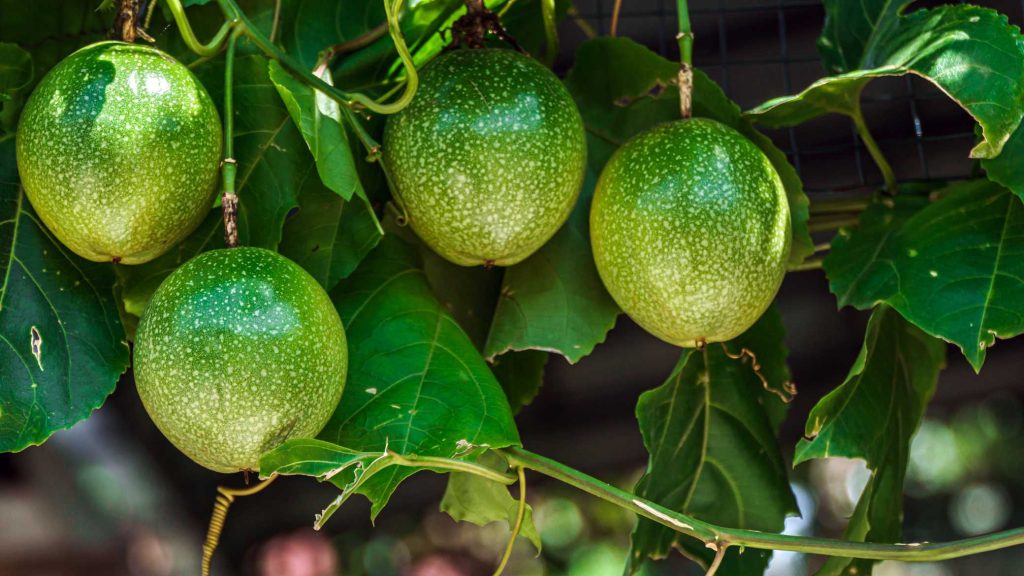
Passion fruits generally start producing within the first year after plantation under favorable conditions. Mature fruits develop characteristic color changes depending on the variety. Harvesting should be done carefully to avoid fruit damage.
Fresh fruits can be sold directly in local markets, supermarkets, juice industries, and export channels. Proper post-harvest handling improves shelf life and market value.
Regular harvesting encourages continuous fruit production and improves farm profitability.
Passion Fruit Farming Cost and Investment
Commercial passion fruit farming requires investment in trellis infrastructure, planting materials, irrigation systems, labor, and farm management. Approximate setup expenses for one acre may include trellis and pole installation, seedlings, and drip irrigation setup.
Initial setup costs may range around ₹1.4 lakh depending on infrastructure quality and farming scale. However, long-term productivity and increasing market demand can provide strong returns over multiple years of cultivation.
Farmers should prepare a detailed financial plan before starting commercial farming operations.
Revenue and Profit Potential
Passion fruit farming offers attractive revenue opportunities due to premium market prices and increasing consumer demand. One acre of cultivation can produce approximately 4,000 kilograms of fruits annually under good management conditions.
Market rates can vary between ₹100 and ₹150 per kilogram depending on quality and seasonal demand. Gross annual revenue may reach around ₹4 lakh to ₹6 lakh in productive farming systems. After deducting operational expenses, farmers may achieve significant annual profit margins.
The crop’s relatively fast harvesting cycle and long productive lifespan make it financially attractive for commercial farming ventures.
Market Opportunities in 2026
The market for passion fruit products is expanding rapidly across India and international markets. Growing health awareness and demand for exotic fruit beverages have increased opportunities for farmers and agribusiness entrepreneurs.
Passion fruit is widely used in juice industries, squash products, jam manufacturing, bakery products, desserts, flavored beverages, cosmetics, and nutraceutical products. Export demand is also increasing due to global interest in tropical exotic fruits.
Processing industries often prefer contract farming models and buy-back arrangements with farmers. This creates stable market channels and reduces marketing risks for growers.
Value-Added Products
Farmers can increase profitability by entering value-added product markets. Passion fruit pulp, juice concentrate, squash, syrup, jam, candy, dried fruit products, and flavored beverages have growing demand in urban markets.
Small-scale processing units can create additional income opportunities for rural entrepreneurs. Branding and online marketing strategies can further improve business growth.
Organic Passion Fruit Farming
Organic farming methods are becoming increasingly important in exotic fruit cultivation. Consumers are willing to pay premium prices for chemical-free fruits produced using sustainable farming practices.
Organic passion fruit farming involves using natural fertilizers, biological pest control, composting, mulching, and eco-friendly farm management systems. Farmers adopting organic certification can access export markets and premium retail channels.
Export Potential of Passion Fruit
India’s exotic fruit export market is expanding rapidly, and passion fruit has become an important crop in international trade. Countries importing tropical fruits are showing strong interest in high-quality passion fruit pulp and fresh fruits.
Export-oriented cultivation requires proper grading, packaging, post-harvest management, and quality control. Farmers who maintain premium fruit quality can achieve better market prices and long-term business opportunities.
Challenges in Passion Fruit Farming
Despite its profitability, passion fruit farming also involves certain challenges. Weather fluctuations, disease outbreaks, pollination issues, and market price variations can affect farm performance. Poor-quality planting materials and weak trellis infrastructure may also reduce productivity.
Farmers should continuously improve cultivation knowledge, adopt modern farming practices, and maintain proper farm management systems. Training programs and agricultural support services can help overcome cultivation challenges.
Tips for Successful Passion Fruit Farming
Farmers planning commercial passion fruit farming should focus on selecting high-yield hybrid varieties, constructing durable trellis systems, maintaining balanced nutrition, using drip irrigation, and practicing regular pruning.
Disease prevention and organic farm management improve long-term sustainability and product quality. Market linkages and buy-back agreements can help secure stable income opportunities.
Consistent farm monitoring and scientific cultivation methods are essential for achieving profitable production levels.
Future of Passion Fruit Farming in India
The future of passion fruit farming in India looks highly promising due to increasing demand for exotic fruits, health beverages, and processed fruit products. Government support for horticulture farming and increasing consumer interest in healthy foods are creating favorable market conditions.
Young entrepreneurs and progressive farmers are entering exotic fruit cultivation because of its commercial potential and export opportunities. Technological advancements in irrigation, farm management, and processing industries will further strengthen the sector in coming years.
Passion fruit farming is expected to become one of the leading exotic horticulture businesses in India by 2026 and beyond.
How to Start Passion Fruit Farming – Conclusion
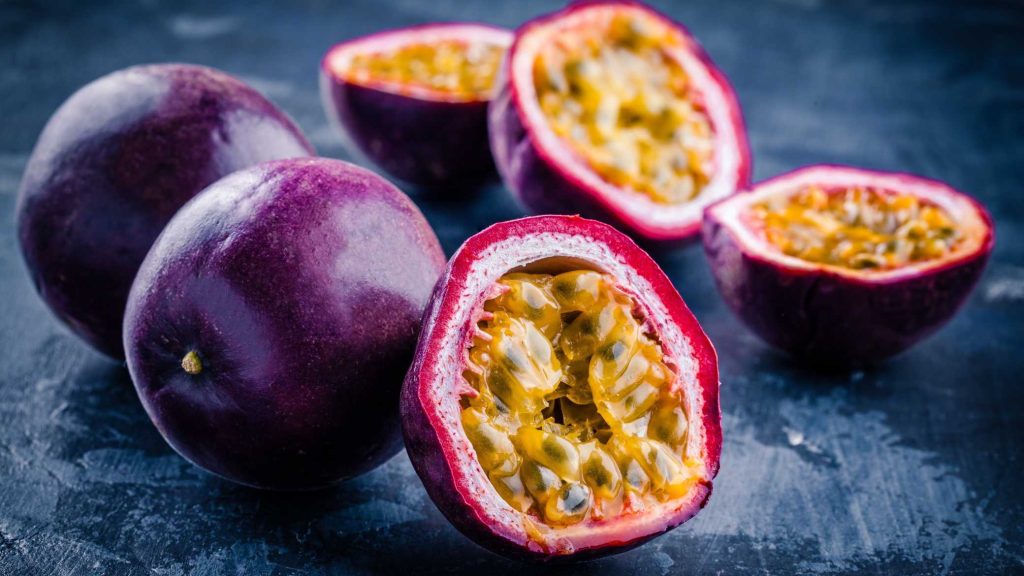
Passion fruit farming is emerging as a profitable and sustainable agriculture business opportunity in India, especially in Kerala and tropical farming regions. With increasing demand for exotic fruits, healthy beverages, and value-added products, passion fruit cultivation offers strong market potential for farmers and agribusiness investors.
The crop provides multiple advantages including fast harvesting cycles, premium market prices, export opportunities, and long productive lifespan. Modern trellis-based farming systems, drip irrigation, hybrid varieties, and organic cultivation methods are helping farmers achieve higher productivity and better profitability.
Commercial passion fruit farming requires proper planning, quality planting materials, scientific cultivation methods, and efficient market strategies. Farmers who invest in modern farming infrastructure and sustainable practices can build successful long-term agribusiness models in the growing exotic fruit industry.
As India’s demand for premium horticulture products continues to rise, passion fruit farming is likely to become one of the most attractive commercial farming sectors for 2026 and the coming years.