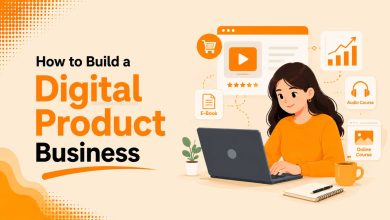
How to Launch a Successful Online Coaching Business from Home: Comprehensive Guide 2026
Launch a Successful Online Coaching : The online coaching industry has become one of the fastest-growing sectors in the digital economy. In 2026, professionals are no longer limited by geography, office locations, or traditional business models. Thanks to high-speed internet, video conferencing platforms, Artificial Intelligence (AI), online payment systems, and digital marketing, coaches can now build profitable businesses entirely from home while serving clients across the world.
Table of Contents
People are increasingly willing to invest in expert guidance to improve their careers, businesses, finances, health, relationships, productivity, leadership skills, fitness, language learning, and personal development. Rather than spending years learning through trial and error, many individuals prefer working with experienced coaches who provide structured guidance, accountability, and personalized action plans. This growing demand has created enormous opportunities for professionals to monetize their knowledge through online coaching.
Unlike traditional consulting, coaching focuses on helping clients achieve specific outcomes through structured conversations, personalized strategies, accountability, and continuous improvement. Whether someone specializes in business coaching, career coaching, digital marketing, financial education, executive leadership, fitness, wellness, public speaking, or life coaching, the online model makes it possible to build a scalable business with relatively low startup costs.
One of the greatest advantages of starting an online coaching business from home is flexibility. Coaches can schedule sessions according to their availability, eliminate commuting, reduce office expenses, and serve clients from different countries and time zones. This flexibility also allows entrepreneurs to begin coaching part-time while maintaining existing employment before transitioning into a full-time coaching business.
Artificial Intelligence has transformed the coaching industry by simplifying many business operations. AI-powered tools help coaches conduct market research, create educational content, automate appointment scheduling, personalize learning materials, generate marketing campaigns, summarize coaching sessions, manage customer relationships, and analyze business performance. Instead of spending countless hours on administrative work, coaches can focus on delivering exceptional client experiences.
Building a successful coaching business, however, requires much more than expertise in a particular subject. Coaches must identify profitable niches, define clear client outcomes, develop structured coaching programs, establish credibility, build personal brands, attract qualified leads, market their services effectively, and create systems that consistently deliver value.
Another major trend shaping the coaching industry is digital learning. Many coaches now combine one-on-one sessions with online courses, group coaching programs, membership communities, webinars, downloadable resources, and AI-assisted learning platforms. This hybrid approach increases scalability while creating multiple income streams.
This comprehensive guide explores every aspect of launching a successful online coaching business from home in 2026, including niche selection, branding, Artificial Intelligence, pricing strategies, marketing, client acquisition, automation, scaling, and future trends shaping the coaching industry.
Understanding Online Coaching

Online coaching is the process of helping individuals or businesses achieve specific goals through virtual communication.
Instead of meeting clients in physical offices, coaching sessions are conducted using digital platforms such as video conferencing, messaging applications, online communities, and learning management systems.
Online coaching can be delivered through:
- One-to-one coaching
- Group coaching
- Workshops
- Masterclasses
- Membership communities
- Hybrid coaching programs
Digital communication enables coaches to work with clients globally.
Why the Online Coaching Industry Is Growing
Several factors have contributed to the rapid growth of online coaching.
These include:
- Increased internet accessibility
- Remote work culture
- Digital learning adoption
- Rising demand for personal development
- Global connectivity
Consumers increasingly seek personalized guidance rather than generic information.
Professional coaching accelerates learning and accountability.
This demand continues expanding across industries.
Identifying Your Coaching Niche
Choosing the right niche is one of the most important business decisions.
Instead of attempting to coach everyone, successful coaches specialize.
Examples include:
- Business coaching
- Career coaching
- Personal finance coaching
- Health coaching
- Fitness coaching
- Leadership coaching
- Public speaking coaching
- Productivity coaching
- Marketing coaching
- Relationship coaching
A specialized niche allows coaches to position themselves as experts.
Clear positioning improves marketing effectiveness.
Defining Your Ideal Client
Every coaching business should understand exactly who it serves.
Consider:
- Age group
- Profession
- Income level
- Goals
- Challenges
- Experience level
Understanding client problems enables coaches to create targeted solutions.
Specific messaging attracts better-qualified clients.
Customer clarity improves business growth.
Building Expertise and Credibility

Expertise is the foundation of every successful coaching business.
Credibility can be established through:
- Professional experience
- Certifications
- Case studies
- Testimonials
- Educational content
- Personal achievements
Clients invest in coaches they trust.
Demonstrating real-world knowledge strengthens authority.
Consistency builds reputation over time.
Artificial Intelligence in Online Coaching
Artificial Intelligence has become an invaluable business assistant.
AI helps coaches:
- Create lesson plans
- Generate educational materials
- Schedule appointments
- Automate emails
- Analyze customer feedback
- Personalize learning
Machine Learning also identifies patterns in client progress.
AI improves efficiency without replacing human coaching relationships.
Technology supports scalability.
Creating Your Coaching Program
Successful coaching requires structure.
Programs should clearly define:
- Objectives
- Duration
- Weekly milestones
- Resources
- Expected outcomes
Clients should understand exactly what they will achieve.
Structured programs create confidence.
Clear systems improve customer satisfaction.
Setting Your Pricing Strategy
Pricing should reflect expertise, outcomes, and market demand.
Popular pricing models include:
- Hourly coaching
- Monthly retainers
- Fixed coaching packages
- Group coaching
- Membership subscriptions
Avoid competing solely on low prices.
Premium pricing often reflects higher perceived value when supported by strong results.
Building a Personal Brand
People buy coaching because they trust the individual behind the business.
Brand building includes:
- Professional website
- Consistent visual identity
- Educational content
- Social media presence
- Thought leadership
Authenticity strengthens credibility.
Personal branding differentiates coaches from competitors.
Trust drives client acquisition.
Building a Professional Website
A coaching website serves as the digital headquarters.
Essential features include:
- About page
- Coaching services
- Client testimonials
- Booking calendar
- Contact information
- Educational blog
A professional website increases credibility.
Visitors should easily understand available services.
Simple navigation improves user experience.
Content Marketing
Educational content attracts ideal clients.
Content formats include:
- Blog articles
- YouTube videos
- Podcasts
- Newsletters
- Social media posts
Helpful content demonstrates expertise before prospects become clients.
Content builds long-term trust.
Education becomes marketing.
Search Engine Optimization (SEO)
SEO enables potential clients to discover coaching services organically.
Optimization includes:
- Keyword research
- Helpful blog content
- Service pages
- Internal linking
- Technical optimization
Organic traffic creates sustainable lead generation.
SEO reduces advertising dependence.
High-quality content strengthens rankings.
Social Media Marketing
Social platforms help coaches build authority.
Useful content includes:
- Success stories
- Educational tips
- Live sessions
- Behind-the-scenes content
- Client wins
Consistency builds audience engagement.
Authentic communication attracts followers.
Relationships convert into clients.
Email Marketing
Email remains one of the highest-converting marketing channels.
Campaigns may include:
- Welcome sequences
- Educational newsletters
- Coaching invitations
- Webinar announcements
Email nurtures long-term relationships.
Personalized communication increases conversions.
Owned audiences provide business stability.
Client Acquisition
Lead generation requires multiple channels.
Examples include:
- Referrals
- Webinars
- SEO
- Social media
- Networking
- Speaking engagements
Businesses should focus on building trust before selling.
Value-first marketing attracts better clients.
Relationships remain essential.
Delivering Exceptional Coaching
Client success determines long-term growth.
Successful coaches:
- Listen actively
- Ask meaningful questions
- Provide accountability
- Offer personalized guidance
Exceptional service generates referrals.
Positive experiences strengthen reputation.
Results become powerful marketing.
Automating Business Operations
Automation allows coaches to scale efficiently.
Businesses can automate:
- Appointment scheduling
- Payment collection
- Email reminders
- Client onboarding
- Feedback requests
Automation reduces administrative work.
More time becomes available for coaching.
Operational efficiency improves.
Scaling Your Coaching Business
Growth opportunities include:
- Online courses
- Group coaching
- Membership communities
- Digital products
- Corporate coaching
Multiple income streams increase business stability.
Scalable services improve profitability.
Expansion becomes easier through automation.
Common Mistakes
Many new coaches struggle because they:
- Choose overly broad niches
- Underprice services
- Ignore marketing
- Lack structured programs
- Fail to collect testimonials
- Depend on one marketing channel
Business success requires continuous improvement.
Patience produces sustainable growth.
Also Read : Selling Internationally from India
Future Trends
Several developments will reshape online coaching.
Artificial Intelligence
Personalized learning support.
Hybrid Coaching
Combining live coaching with digital courses.
Community-Based Learning
Membership ecosystems.
Virtual Reality
Immersive coaching experiences.
Global Coaching Markets
International client expansion.
Technology will continue transforming coaching businesses.
Best Practices
Successful online coaches should:
- Choose a specialized niche.
- Build a strong personal brand.
- Create structured coaching programs.
- Leverage Artificial Intelligence.
- Produce educational content consistently.
- Invest in SEO.
- Build an email list.
- Automate administrative tasks.
- Focus on client success.
- Continuously improve coaching systems.
Long-term relationships create sustainable businesses.
Launch a Successful Online Coaching – Conclusion

Launching an online coaching business from home has become one of the most accessible and rewarding entrepreneurial opportunities in 2026. With growing demand for personalized education, professional guidance, and accountability, coaches can build profitable businesses while helping individuals and organizations achieve meaningful results. Advances in digital technology have removed many traditional barriers, allowing experts to serve clients globally without requiring physical offices or large operational teams.
Artificial Intelligence has significantly enhanced coaching businesses by simplifying content creation, appointment scheduling, customer relationship management, marketing automation, educational material development, and business analytics. These tools allow coaches to spend less time on administrative tasks and more time delivering transformational experiences for clients.
However, sustainable coaching success depends on much more than expertise alone. Coaches must clearly define their niche, understand their target audience, develop structured programs, establish trust through personal branding, create valuable educational content, implement effective marketing strategies, and continuously improve based on client feedback. Long-term relationships and measurable client outcomes remain the strongest drivers of business growth.
Buy Now : Professional Business Website
Scalability is another major advantage of online coaching. By combining one-on-one sessions with digital products, online courses, group coaching, memberships, and automated learning systems, coaches can build multiple revenue streams while reaching significantly larger audiences. This diversified approach creates financial stability and reduces dependence on hourly coaching sessions.
Looking ahead, Artificial Intelligence, virtual reality learning, personalized education platforms, community-based coaching, predictive analytics, and hybrid digital experiences will continue transforming the coaching industry. Professionals who embrace these innovations while maintaining authentic human relationships will remain highly competitive in the evolving digital economy.
Ultimately, building a successful online coaching business from home is not simply about teaching others—it is about creating lasting value through expertise, accountability, empathy, and continuous learning. Coaches who consistently help clients achieve meaningful outcomes will establish trusted brands, generate sustainable income, and create businesses capable of thriving well beyond 2026.
Keywords : Launch a Successful Online Coaching , Launch a Successful Online Coaching 2026