Local Business Marketing Strategies 2026 : Comprehensive Guide
Local Business Marketing Strategies : Local business marketing is undergoing a major transformation in 2026. As consumer behavior shifts toward digital discovery, mobile search, artificial intelligence, voice search, social commerce, and hyper-local experiences, local businesses must adopt modern marketing strategies to remain competitive. Whether operating a retail store, restaurant, service business, clinic, salon, gym, consultancy, educational center, or home-based business, attracting local customers has become more dependent on digital visibility than ever before.
Table of Contents
The days when local businesses could rely solely on word-of-mouth referrals, newspaper advertisements, flyers, and traditional marketing methods are rapidly disappearing. Today’s customers search online before making purchasing decisions. They read reviews, compare businesses, check ratings, view social media content, explore websites, and seek recommendations from online communities before visiting a physical location or contacting a business.
In 2026, local business marketing combines traditional relationship-building with advanced digital technologies. Artificial Intelligence, local SEO, personalized customer experiences, community engagement, mobile marketing, video content, customer reviews, and automation systems are reshaping how local businesses attract and retain customers.
Small businesses now have access to sophisticated marketing tools that were once available only to large corporations. AI-powered analytics, automated customer communication systems, predictive marketing platforms, and localized content strategies allow businesses to compete effectively within their communities.
Successful local marketing is no longer about reaching the largest audience possible. Instead, it focuses on reaching the right audience at the right time with the right message. Businesses that understand their local customers, build strong community relationships, and leverage digital marketing technologies are achieving significant growth and long-term sustainability.
This comprehensive guide explores the most effective local business marketing strategies in 2026, including local SEO, AI-powered marketing, social media engagement, customer retention, reputation management, mobile marketing, community building, and future local business trends.
Understanding Local Business Marketing

Local business marketing refers to promotional activities designed to attract customers within a specific geographic area.
The goal is to:
- Increase local visibility
- Generate leads
- Drive foot traffic
- Improve customer retention
- Strengthen community relationships
Unlike national marketing campaigns, local marketing focuses on targeting nearby customers who are most likely to purchase products or services.
Also Read : Digital Marketing Guide for Business Owners
Local businesses often benefit from stronger customer relationships and community trust.
Why Local Marketing Matters in 2026
Consumer behavior has changed dramatically.
Most customers now:
- Search online before visiting businesses
- Read reviews
- Compare competitors
- Check social media profiles
Local marketing is important because it helps businesses:
- Reach nearby customers
- Build trust
- Increase revenue
- Strengthen brand recognition
Businesses that ignore local marketing opportunities risk losing customers to competitors with stronger digital visibility.
The Rise of Local Search
Local search has become one of the most important customer acquisition channels.
Consumers frequently search for:
- Services near me
- Local stores
- Nearby restaurants
- Local professionals
These searches often indicate strong purchasing intent.
Businesses that appear prominently in local search results receive significant traffic and leads.
Local search optimization should be a priority for every local business.
Local SEO as a Growth Engine
Local SEO remains one of the most powerful marketing strategies in 2026.
Local SEO helps businesses improve visibility in location-based searches.
Benefits include:
- Higher search rankings
- Increased website traffic
- More customer inquiries
- Greater brand awareness
Effective local SEO strategies include:
- Location-based keywords
- Localized content
- Mobile optimization
- Customer reviews
Businesses investing in local SEO often achieve sustainable long-term growth.
Mobile-First Marketing
Mobile devices dominate local search behavior.
Most consumers search for local businesses using smartphones.
Mobile marketing strategies include:
- Responsive websites
- Fast loading speeds
- Mobile-friendly navigation
- Click-to-call features
Poor mobile experiences often result in lost customers.
Mobile optimization is essential for modern local marketing success.
Artificial Intelligence in Local Marketing
Artificial Intelligence is transforming local business marketing.
AI helps businesses:
- Analyze customer behavior
- Automate communication
- Personalize marketing
- Predict customer needs
AI-powered tools improve:
- Efficiency
- Customer engagement
- Marketing performance
Even small local businesses can now leverage AI to compete more effectively.
Customer Reviews and Reputation Management
Online reviews significantly influence customer decisions.
Potential customers often trust reviews as much as personal recommendations.
Benefits of positive reviews include:
- Increased trust
- Higher conversion rates
- Better search visibility
Businesses should encourage satisfied customers to leave reviews and respond professionally to feedback.
Reputation management has become a critical aspect of local marketing.
Building a Strong Local Brand
Branding helps businesses stand out within competitive markets.
Strong local brands focus on:
- Consistent messaging
- Visual identity
- Community involvement
- Customer experience
Consumers are more likely to support businesses they recognize and trust.
Brand consistency strengthens credibility and customer loyalty.
Content Marketing for Local Businesses
Content marketing helps local businesses educate and engage customers.
Popular content formats include:
- Blog articles
- Videos
- Local guides
- Community stories
Content marketing improves:
- SEO performance
- Brand authority
- Customer trust
Localized content often performs especially well because it directly addresses community interests and needs.
Hyperlocal Content Strategies
Hyperlocal content focuses on specific neighborhoods, communities, or regions.
Examples include:
- Local event coverage
- Community news
- Area-specific guides
- Customer success stories
Hyperlocal content strengthens local relevance and improves search visibility.
It also demonstrates commitment to the community.
Social Media Marketing for Local Businesses
Social media remains one of the most effective local marketing channels.
Benefits include:
- Audience engagement
- Brand awareness
- Community building
Successful local social media strategies focus on:
- Authentic content
- Customer interaction
- Community involvement
Businesses that actively engage with local audiences often build stronger relationships.
Short-Form Video Marketing
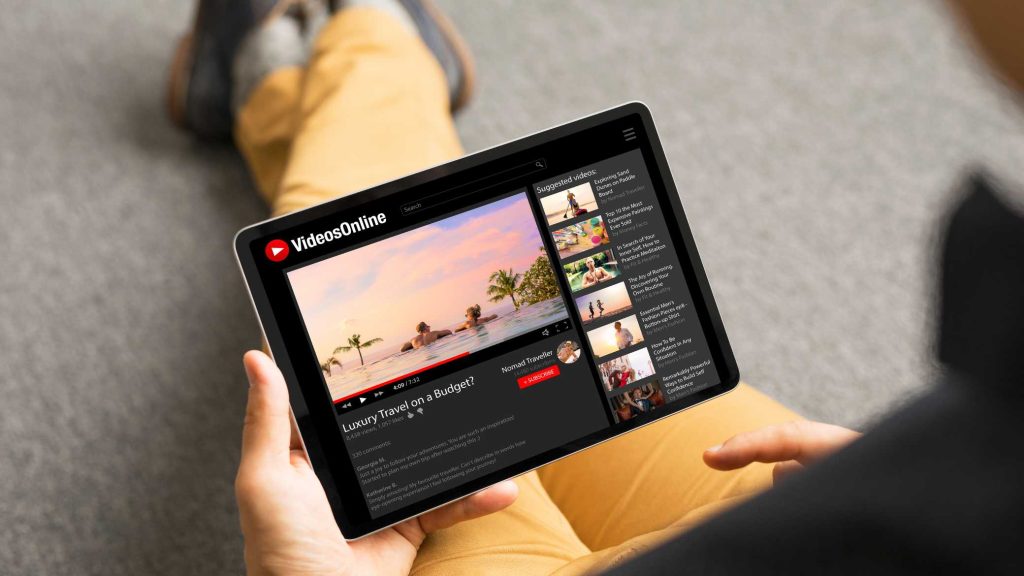
Video content continues dominating digital engagement.
Popular local business video formats include:
- Behind-the-scenes content
- Customer testimonials
- Product demonstrations
- Community events
Video marketing improves visibility and customer trust.
Short-form videos are particularly effective for capturing attention quickly.
Community-Based Marketing
Community engagement remains a powerful local marketing strategy.
Businesses can strengthen relationships through:
- Sponsorships
- Local partnerships
- Community events
- Educational workshops
Community involvement improves brand perception and loyalty.
People often prefer supporting businesses that actively contribute to their communities.
Customer Referral Programs
Referrals remain one of the most effective customer acquisition methods.
Satisfied customers often become valuable advocates.
Referral programs can encourage customers to:
- Recommend services
- Share experiences
- Introduce new customers
Referral marketing often generates highly qualified leads at lower costs.
Email Marketing for Local Businesses
Email marketing continues providing excellent returns on investment.
Local businesses can use email to:
- Share updates
- Promote offers
- Announce events
- Build relationships
Personalized email campaigns improve engagement and customer retention.
Email remains a valuable tool for maintaining ongoing communication.
Customer Retention Strategies
Retaining customers is often more profitable than acquiring new ones.
Retention strategies include:
- Loyalty programs
- Personalized communication
- Exceptional customer service
- Exclusive offers
Loyal customers generate repeat business and referrals.
Retention should be a core component of every local marketing strategy.
Personalization and Customer Experience
Consumers increasingly expect personalized experiences.
Personalization includes:
- Customized offers
- Relevant recommendations
- Personalized communication
AI-powered systems make personalization accessible for local businesses.
Better customer experiences improve satisfaction and loyalty.
Local Influencer Partnerships
Local influencers can help businesses reach targeted audiences.
Benefits include:
- Increased visibility
- Improved trust
- Community engagement
Local influencers often have highly engaged audiences within specific geographic areas.
Partnerships can significantly boost brand awareness.
Voice Search Optimization
Voice search continues growing rapidly.
Consumers increasingly use voice assistants to find:
- Nearby businesses
- Local services
- Product recommendations
Businesses should optimize for conversational search queries and natural language.
Voice search optimization is becoming increasingly important for local SEO.
Local Events and Experiential Marketing
Experiential marketing creates memorable customer experiences.
Examples include:
- Product launches
- Workshops
- Community gatherings
- Demonstrations
Events encourage interaction and strengthen customer relationships.
They also generate valuable content opportunities.
Marketing Automation for Local Businesses
Automation improves marketing efficiency.
Automated systems can handle:
- Appointment reminders
- Email campaigns
- Customer follow-ups
Automation saves time while improving consistency.
Small businesses can scale marketing efforts more effectively through automation.
Data Analytics and Decision Making
Data-driven marketing improves performance.
Businesses should monitor:
- Website traffic
- Customer behavior
- Conversion rates
- Campaign results
Analytics help identify successful strategies and improvement opportunities.
Better insights lead to better marketing decisions.
Online Communities and Customer Engagement
Communities are becoming increasingly important for local businesses.
Online communities encourage:
- Customer interaction
- Brand loyalty
- Referral generation
Businesses that foster communities often develop stronger customer relationships.
Omnichannel Marketing
Customers interact with businesses across multiple channels.
An omnichannel strategy integrates:
- Websites
- Social media
- Physical locations
Consistent experiences improve customer satisfaction and engagement.
Businesses should create seamless journeys across all touchpoints.
AI-Powered Customer Support
AI-powered support systems improve customer service.
Benefits include:
- Faster responses
- 24/7 availability
- Improved efficiency
AI helps businesses handle routine inquiries while maintaining customer satisfaction.
Sustainable and Ethical Marketing
Consumers increasingly value businesses that demonstrate social responsibility.
Important areas include:
- Sustainability
- Community support
- Ethical practices
Authentic commitment to these values strengthens brand reputation.
Competitive Analysis
Understanding competitors helps businesses identify opportunities.
Businesses should analyze:
- Marketing strategies
- Customer reviews
- Content approaches
Competitive insights help refine local marketing efforts.
Common Local Marketing Mistakes
Businesses often make mistakes such as:
- Ignoring online reviews
- Neglecting mobile optimization
- Inconsistent branding
- Poor customer communication
Avoiding these mistakes improves marketing effectiveness.
Continuous improvement is essential.
Future Trends in Local Business Marketing
Several trends are shaping local marketing in 2026.
Important trends include:
- Artificial Intelligence
- Hyper-personalization
- Voice search
- Predictive marketing
- Community-led growth
Businesses that adapt early often gain competitive advantages.
Long-Term Local Marketing Success
Long-term success requires:
- Consistent branding
- Customer-focused strategies
- Community engagement
- Continuous innovation
Businesses should view marketing as an ongoing investment rather than a short-term activity.
Strong customer relationships remain the foundation of sustainable growth.
Local Business Marketing Strategies – Conclusion

Local business marketing in 2026 is more dynamic, data-driven, and customer-centric than ever before. The combination of Artificial Intelligence, local SEO, mobile-first experiences, content marketing, social media engagement, community involvement, customer reviews, personalization, and automation is transforming how businesses attract and retain customers within their local markets.
Buy Now : Ecommerce Website
Modern consumers expect convenience, authenticity, personalization, and trust. Businesses that successfully meet these expectations while maintaining strong community connections can achieve significant competitive advantages. Local SEO, reputation management, customer retention, referral marketing, and hyperlocal content strategies remain among the most effective methods for driving growth.
Artificial Intelligence is making advanced marketing capabilities accessible to businesses of all sizes, while voice search, predictive analytics, and automation are creating new opportunities for efficiency and customer engagement. At the same time, community involvement and relationship building continue to play a critical role in local business success.
As digital technologies continue evolving, local businesses that embrace innovation while maintaining authentic customer relationships will be best positioned for sustainable growth. By combining modern marketing strategies with a deep understanding of local customer needs, businesses can strengthen their market presence, increase revenue, and thrive in the competitive business environment of 2026 and beyond.
Disclaimer : This article is for educational and informational purposes only. Results may vary depending on business strategy, market conditions, competition, and execution quality.