How to Start a Print-on-Demand Business with Minimal Investment: Comprehensive Guide 2026
How to Start a Print-on-Demand Business : The ecommerce industry has opened countless opportunities for entrepreneurs to start online businesses without investing heavily in inventory, warehouses, or manufacturing. Among the most beginner-friendly and low-risk business models is Print-on-Demand (POD). In 2026, Print-on-Demand continues to attract students, freelancers, designers, content creators, stay-at-home parents, and aspiring entrepreneurs because it allows them to sell custom-designed products without purchasing inventory in advance.
Table of Contents
Print-on-Demand is a fulfillment model where products are manufactured only after a customer places an order. Instead of printing hundreds of T-shirts, mugs, phone cases, hoodies, tote bags, posters, notebooks, or home décor products in bulk, a POD supplier prints, packages, and ships each item individually. This eliminates inventory costs, reduces financial risk, and allows entrepreneurs to launch businesses with very little upfront investment.
One of the biggest reasons POD has become so popular is the rapid growth of personalized shopping. Customers increasingly want products that reflect their interests, hobbies, professions, beliefs, favorite quotes, pets, sports, gaming preferences, travel experiences, and personal identities. Custom-designed products offer emotional value that generic retail items often cannot provide.
Artificial Intelligence (AI) has significantly accelerated the Print-on-Demand industry. AI-powered design tools, image generators, trend analysis platforms, keyword research software, customer analytics, and marketing automation solutions help entrepreneurs identify profitable niches, create unique artwork, optimize product listings, improve SEO, and automate customer communication. Even individuals without graphic design experience can now produce professional-looking products with the assistance of AI.
Also Read : Dropshipping vs Amazon FBA : Which Is Better in 2025 ?
The creator economy has also contributed to the growth of POD businesses. Influencers, YouTubers, bloggers, educators, artists, musicians, gamers, and online communities increasingly monetize their audiences through branded merchandise without investing in inventory or managing shipping logistics. Print-on-Demand allows creators to focus on content while fulfillment partners handle production and delivery.
Unlike traditional ecommerce, Print-on-Demand offers exceptional flexibility. Entrepreneurs can test hundreds of designs with minimal financial risk, remove underperforming products, introduce seasonal collections, respond quickly to market trends, and continuously optimize their product catalog based on customer demand. This agility makes POD particularly attractive in rapidly changing consumer markets.
However, success in Print-on-Demand requires much more than uploading attractive designs. Entrepreneurs must understand customer psychology, choose profitable niches, create original products, optimize ecommerce stores, implement search engine optimization (SEO), leverage social media marketing, build recognizable brands, automate workflows, and continuously analyze business performance.
This comprehensive guide explores every aspect of starting a Print-on-Demand business with minimal investment in 2026, including niche research, Artificial Intelligence, product design, branding, ecommerce platforms, marketing strategies, passive income opportunities, common mistakes, and future trends shaping the POD industry.
What Is Print-on-Demand?
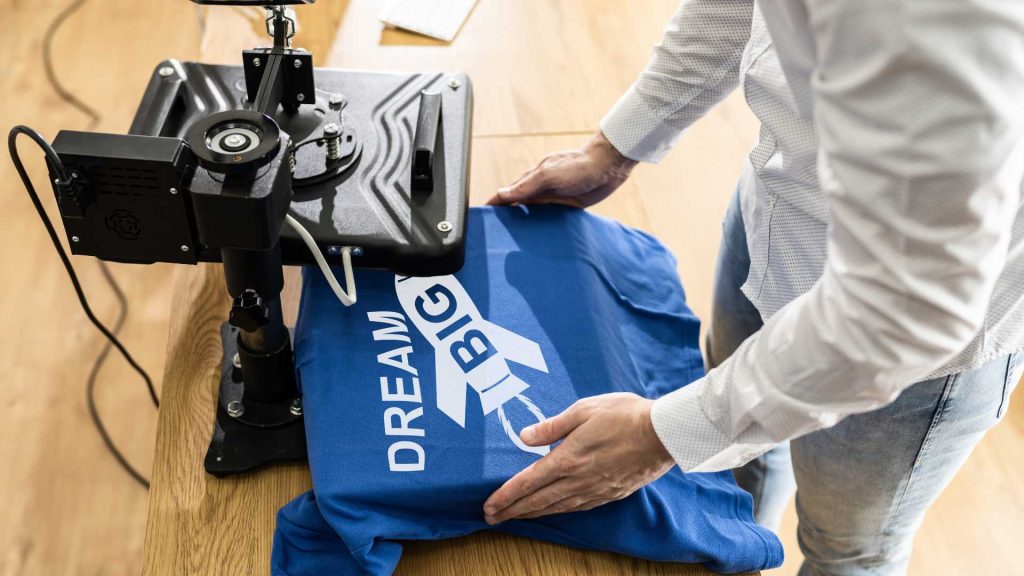
Print-on-Demand is an ecommerce business model where products are printed only after customers place orders.
Unlike traditional retail, businesses do not purchase inventory in advance.
Instead, fulfillment partners manufacture products individually and ship them directly to customers.
Popular POD products include:
- T-shirts
- Hoodies
- Coffee mugs
- Tote bags
- Posters
- Canvas prints
- Phone cases
- Notebooks
- Stickers
- Pillows
- Water bottles
- Mouse pads
This model minimizes financial risk while simplifying operations.
Why Print-on-Demand Is Ideal for Beginners
Print-on-Demand eliminates many traditional business barriers.
Entrepreneurs avoid:
- Large inventory investments
- Warehouse expenses
- Manufacturing equipment
- Packaging operations
- Shipping management
Instead, businesses focus primarily on:
- Product design
- Marketing
- Branding
- Customer experience
This makes POD an excellent option for first-time entrepreneurs.
Understanding the Business Model
A typical Print-on-Demand workflow is simple.
First, customers visit an online store.
They select a product and complete payment.
The order is automatically sent to the Print-on-Demand supplier.
The supplier prints the product, packages it, and ships it directly to the customer.
The business owner never handles physical inventory.
Automation allows operations to continue around the clock.
Choosing a Profitable Niche
Successful Print-on-Demand businesses target specific audiences rather than everyone.
Popular niches include:
- Fitness
- Pets
- Travel
- Teachers
- Nurses
- Programmers
- Gardening
- Photography
- Gaming
- Coffee lovers
- Yoga
- Small business owners
Specialized niches often face less competition.
Customers connect more strongly with personalized products.
Niche branding improves marketing efficiency.
Market Research Before Launch
Before creating products, entrepreneurs should study customer demand.
Research should include:
- Search trends
- Customer reviews
- Competitor stores
- Social media communities
- Marketplace bestsellers
Artificial Intelligence simplifies market research by identifying emerging trends and profitable product opportunities.
Understanding customers reduces business risk.
Research improves product selection.
Artificial Intelligence in Print-on-Demand
Artificial Intelligence has transformed the POD industry.
AI assists with:
- Design generation
- Trend forecasting
- Keyword research
- Product descriptions
- Marketing automation
- Customer analytics
Instead of replacing creativity, AI accelerates production while improving efficiency.
Technology enables faster business growth.
Creating Unique Designs
Original designs are essential for long-term success.
Businesses should focus on:
- Customer interests
- Emotional appeal
- Simple typography
- High readability
- Original artwork
Avoid copying copyrighted designs or trademarks.
Authenticity builds stronger brands.
Unique products attract loyal customers.
Building a Brand
Strong branding differentiates businesses from competitors.
Brand development includes:
- Logo
- Color palette
- Typography
- Brand voice
- Product packaging
- Customer experience
Customers remember brands more easily than individual products.
Brand recognition supports repeat purchases.
Consistency builds trust.
Setting Up Your Online Store
A professional ecommerce website becomes the business headquarters.
Essential features include:
- Mobile responsiveness
- Secure payment gateway
- Fast loading speed
- Product filters
- Customer reviews
- Frequently Asked Questions
Simple navigation improves customer experience.
Professional presentation increases conversions.
Writing SEO-Optimized Product Listings
Search engine optimization improves visibility.
Product listings should include:
- Clear titles
- Descriptive content
- Relevant keywords
- Product specifications
- Customer benefits
Helpful descriptions improve both SEO and customer confidence.
Search visibility generates long-term organic traffic.
Pricing Strategy
Pricing should consider:
- Product cost
- Shipping
- Marketing expenses
- Profit margin
- Competitor pricing
Avoid competing solely on low prices.
Customers often value design quality and branding more than minimal price differences.
Balanced pricing supports sustainable growth.
Content Marketing
Educational content attracts customers naturally.
Businesses can publish:
- Blog articles
- Design inspiration
- Gift guides
- Product showcases
- Customer stories
Content improves SEO while strengthening brand authority.
Educational marketing builds long-term trust.
Social Media Marketing
Visual platforms are highly effective for Print-on-Demand businesses.
Useful content includes:
- Product mockups
- Behind-the-scenes videos
- Design creation
- Customer testimonials
- Lifestyle photography
Consistent posting increases brand awareness.
Community engagement improves customer loyalty.
Email Marketing
Email marketing creates direct customer relationships.
Campaigns may include:
- Welcome emails
- Product launches
- Seasonal promotions
- Abandoned cart reminders
- Loyalty rewards
Email automation improves customer retention.
Personalized communication increases sales.
Owned audiences reduce advertising dependence.
Marketing Automation
Automation supports passive income.
Businesses automate:
- Order processing
- Customer emails
- Product recommendations
- Review requests
- Shipping notifications
Automation reduces manual work.
Customers receive immediate communication.
Business efficiency improves.
Customer Service
Excellent customer support builds trust.
Businesses should provide:
- Fast responses
- Clear policies
- Order tracking
- Return assistance
- Product guidance
Positive experiences encourage repeat purchases.
Satisfied customers recommend brands.
Reputation influences growth.
Scaling Your Print-on-Demand Business

Growth opportunities include:
- Expanding product categories
- Entering international markets
- Creating seasonal collections
- Collaborating with influencers
- Launching subscription merchandise
Diversification reduces business risk.
Also Read : Dropshipping vs Print on Demand – Which is Better
Multiple revenue streams strengthen profitability.
Scalable systems support long-term success.
Common Mistakes
Many beginners struggle because they:
- Choose overly competitive niches
- Copy existing designs
- Ignore SEO
- Underprice products
- Depend on paid advertising alone
- Neglect branding
Long-term success requires patience and continuous improvement.
Consistency outperforms shortcuts.
Future Trends
Several innovations will reshape Print-on-Demand.
Artificial Intelligence
Smarter design generation.
Personalized Commerce
Customized customer experiences.
Sustainable Printing
Eco-friendly production.
Global Fulfillment
Faster international delivery.
Creator Economy
Growing branded merchandise.
Technology will continue expanding business opportunities.
Best Practices
Successful Print-on-Demand entrepreneurs should:
- Choose specialized niches.
- Create original designs.
- Leverage Artificial Intelligence.
- Build recognizable brands.
- Invest in SEO.
- Publish valuable content.
- Automate repetitive tasks.
- Provide excellent customer service.
- Analyze customer behavior.
- Continuously improve product collections.
Customer satisfaction remains the strongest driver of long-term success.
How to Start a Print-on-Demand Business – Conclusion

Print-on-Demand has become one of the most accessible ecommerce business models for entrepreneurs seeking to build online income with minimal financial risk in 2026. By eliminating inventory requirements, manufacturing investments, and complex logistics, POD enables creators to focus on designing valuable products, building strong brands, and attracting customers worldwide. This low-barrier business model has empowered students, freelancers, artists, educators, influencers, and aspiring entrepreneurs to launch profitable online businesses from virtually anywhere.
Artificial Intelligence has significantly accelerated the growth of Print-on-Demand by simplifying design creation, market research, SEO optimization, customer analytics, marketing automation, and business management. AI-powered tools allow entrepreneurs to identify profitable niches, respond quickly to emerging trends, and operate more efficiently while maintaining high-quality customer experiences.
However, long-term success depends on much more than uploading attractive designs. Businesses must deeply understand customer needs, create original and meaningful products, optimize ecommerce websites for search engines, develop recognizable branding, implement effective content marketing strategies, and build lasting relationships with customers. Strong branding and consistent quality often become the primary factors distinguishing successful businesses from thousands of generic online stores.
Buy Now : Ecommerce Website With 100 Products
Automation further enhances Print-on-Demand by streamlining order processing, fulfillment, email marketing, customer communication, and product delivery. Entrepreneurs can create scalable systems capable of generating revenue around the clock while focusing their time on product innovation, marketing, and business expansion rather than operational tasks.
Looking ahead, advancements in Artificial Intelligence, personalized shopping experiences, sustainable manufacturing, global fulfillment networks, and creator-driven commerce will continue reshaping the Print-on-Demand industry. Businesses that embrace these innovations while maintaining customer-focused strategies will remain competitive in the evolving digital marketplace.
Ultimately, building a successful Print-on-Demand business is not about selling as many products as possible—it is about creating products that resonate with specific audiences, solving customer needs through thoughtful design, and establishing a trusted brand that customers are proud to support. Entrepreneurs who combine creativity, technology, marketing, and consistent improvement will be well positioned to generate sustainable online income throughout 2026 and beyond.
Keywords : How to Start a Print-on-Demand Business – How to Start a Print-on-Demand Business 2026