How to Start Ginger Farming ? : Comprehensive Guide 2025
How to Start Ginger Farming : Ginger farming is becoming one of the most profitable agricultural businesses in India, especially in regions like Kerala where climate and soil conditions naturally support high-quality production. In 2025, the demand for ginger continues to rise across domestic and international markets due to its use in food, medicine, beverages, and processed products.
Table of Contents
Farmers are no longer treating ginger as a traditional crop but as a high-income agribusiness opportunity. With proper planning, scientific cultivation methods, and market awareness, ginger farming can generate a net profit of ₹1.5 lakh to ₹4 lakh per acre, making it highly attractive for both beginners and experienced farmers.
Why Ginger Farming is a Profitable Business in 2025

Ginger cultivation stands out because of its consistent demand and strong price stability compared to many other crops. The increasing global focus on health, immunity, and herbal products has boosted ginger consumption worldwide. India is one of the largest producers and exporters, and Kerala’s “Cochin Ginger” is particularly valued for its premium quality.
Fresh ginger prices generally range between ₹35 to ₹50 per kilogram, while dried ginger (sonth) can fetch ₹200 to ₹250 per kilogram. This huge difference creates an opportunity for value addition, where farmers can significantly increase their income by processing raw ginger into dried products.
Additionally, export demand from Gulf countries, Europe, and the United States ensures that farmers have access to multiple markets, reducing dependency on local pricing fluctuations.
Also Read : True Balance Personal Loan : Comprehensive Guide 2026
Ideal Climate and Soil Requirements for Ginger Cultivation
Ginger grows best in warm and humid climatic conditions, making tropical regions ideal for cultivation. The crop requires moderate rainfall and cannot tolerate waterlogging, which can damage the rhizomes.
The most suitable soil type for ginger farming is well-drained sandy loam soil with a pH level between 6 and 7. Soil fertility plays a crucial role in determining yield, and farmers should ensure that the land is rich in organic matter.
Proper drainage is extremely important because stagnant water can lead to diseases like rhizome rot. Raised bed cultivation is widely recommended to prevent such issues and ensure healthy crop growth.
Best Ginger Varieties for High Yield and Profit
Choosing the right ginger variety is one of the most important decisions in farming. Different varieties offer different advantages in terms of yield, oil content, and market demand.
Maran is a native Kerala variety known for its high oil content and strong aroma, making it suitable for premium markets. Rio-de-Janeiro is an exotic variety popular for its large rhizomes and high yield potential. Wayanad and Kuruppampadi are local varieties adapted to Kerala conditions and known for consistent performance. Hybrid varieties like Nadia and Varada are capable of producing very high yields, reaching up to 25–30 tons per hectare.
Selecting the right variety depends on your target market, soil condition, and farming goals.
Land Preparation and Bed Formation Techniques
Land preparation is the foundation of successful ginger farming. The soil should be ploughed thoroughly to make it loose and aerated. Organic manure such as cow dung or compost should be added to improve fertility.
Raised beds are essential in ginger cultivation. These beds help in proper drainage and prevent water accumulation during heavy rains. Each bed should be well-structured to allow easy irrigation and maintenance.
Good land preparation reduces disease risk and enhances overall crop productivity.
Planting Season and Seed Selection
The ideal planting season for ginger is April to May, just before the monsoon begins. This ensures that the crop gets adequate natural moisture during its early growth stage.
Seed rhizomes must be carefully selected to ensure high productivity. Farmers should always use disease-free, healthy rhizomes weighing around 20–25 grams. Approximately 600–750 kilograms of seed rhizomes are required per acre.
Proper seed treatment before planting can help prevent diseases and improve germination rates.
Step-by-Step Ginger Farming Process
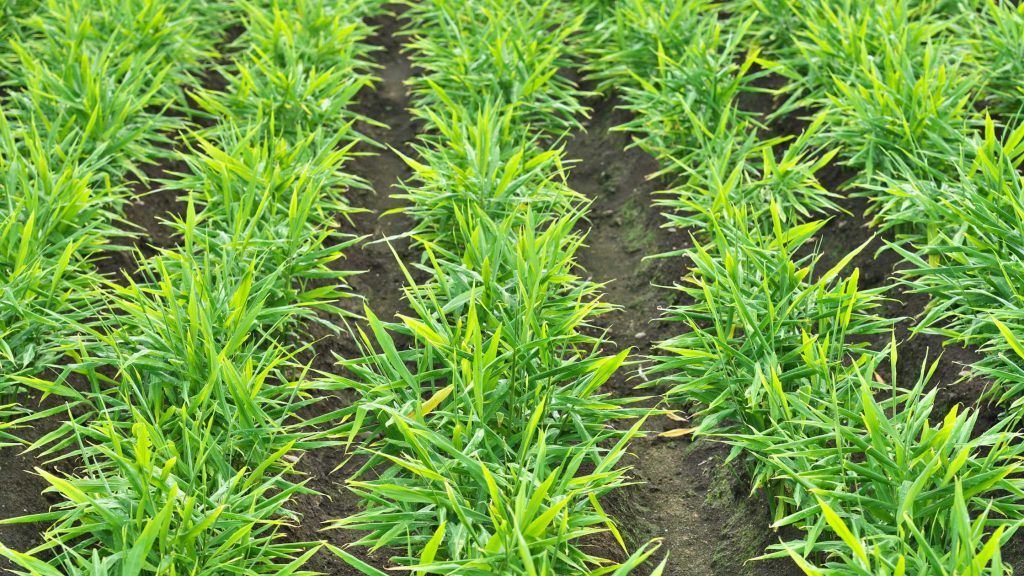
Ginger cultivation follows a systematic process that farmers must follow carefully for best results.
The first step involves selecting suitable land with proper soil conditions. The second step is preparing raised beds to ensure drainage. The third step is planting seed rhizomes at the right spacing. The fourth step includes irrigation and application of organic manure to support growth. The final step is harvesting, which usually takes place between December and January.
This entire cycle takes around 8 to 10 months.
Irrigation and Water Management
Ginger requires consistent moisture but cannot tolerate excess water. During dry periods, light irrigation should be provided at regular intervals.
During the monsoon season, proper drainage becomes more important than irrigation. Overwatering can cause root diseases and reduce yield.
Efficient water management ensures healthy crop development and improves final output.
Mulching and Weed Control Techniques
Mulching is a critical practice in ginger farming. It helps in retaining soil moisture, suppressing weed growth, and improving soil fertility.
Organic materials like dry leaves, straw, or green mulch are commonly used. Mulching also protects the soil from erosion during heavy rains.
Weed control should be done regularly to prevent competition for nutrients.
Fertilizer and Nutrient Management
Ginger responds well to organic farming methods. Farmers should apply organic manure such as cow dung, compost, and neem cake to enrich the soil.
Balanced fertilization improves rhizome development and increases yield. Chemical fertilizers can also be used carefully if required, but organic methods are more sustainable and market-friendly.
Pest and Disease Management in Ginger Farming
Ginger crops are vulnerable to pests and diseases such as rhizome rot, leaf spot, and shoot borer.
Preventive measures include using disease-free seeds, maintaining proper drainage, and applying organic treatments. Fungicides like Mancozeb can be used when necessary.
Regular monitoring of the crop helps in early detection and control of diseases.
Harvesting and Post-Harvest Management
Ginger is ready for harvest after 8 to 10 months. The crop is usually harvested between December and January.
After harvesting, the rhizomes should be cleaned and sorted. Farmers can sell fresh ginger or process it into dried ginger (sonth) for higher profits.
Proper storage is important to maintain quality and prevent spoilage.
Cost of Ginger Farming per Acre
Starting ginger farming requires an initial investment, but the returns can be significant.
Seed rhizomes cost around ₹60,000 per acre. Land preparation and manure expenses are approximately ₹35,000. Labour and irrigation costs come to around ₹40,000. The total setup cost typically ranges between ₹1.5 lakh and ₹2 lakh per acre.
Yield and Revenue Potential
Ginger farming can produce around 6,000 to 10,000 kilograms per acre depending on farming practices.
With a market price of ₹35 to ₹50 per kilogram, the gross revenue can reach ₹3.5 lakh to ₹5 lakh per acre. Value-added products like dried ginger can significantly increase income.
Profit Analysis of Ginger Farming
After deducting all expenses, farmers can expect a net profit of ₹1.5 lakh to ₹4 lakh per acre.
Profit depends on yield, market price, and cost management. Efficient farming practices and proper marketing can increase profitability.
Value Addition and Export Opportunities
Value addition is one of the biggest advantages of ginger farming. Converting fresh ginger into dried ginger, powder, or oil can multiply income.
Export markets offer premium pricing, especially for high-quality varieties like Cochin Ginger. Farmers who focus on quality and packaging can tap into international markets.
Risk Factors in Ginger Farming
Like any agricultural business, ginger farming has its risks. Market prices can be volatile, affecting profitability.
Diseases like rhizome rot can damage crops if not managed properly. Labour costs are also increasing, which can impact margins.
Farmers are advised to consider crop insurance and diversify their income sources to reduce risk.
Expert Tips for Successful Ginger Farming
Using high-quality seed rhizomes is essential for better yield. Raised bed planting improves drainage and prevents diseases.
Regular monitoring of crops helps in early detection of issues. Organic farming methods can increase market value.
Value addition and proper marketing strategies can significantly boost income.
How to Start Ginger Farming – Conclusion
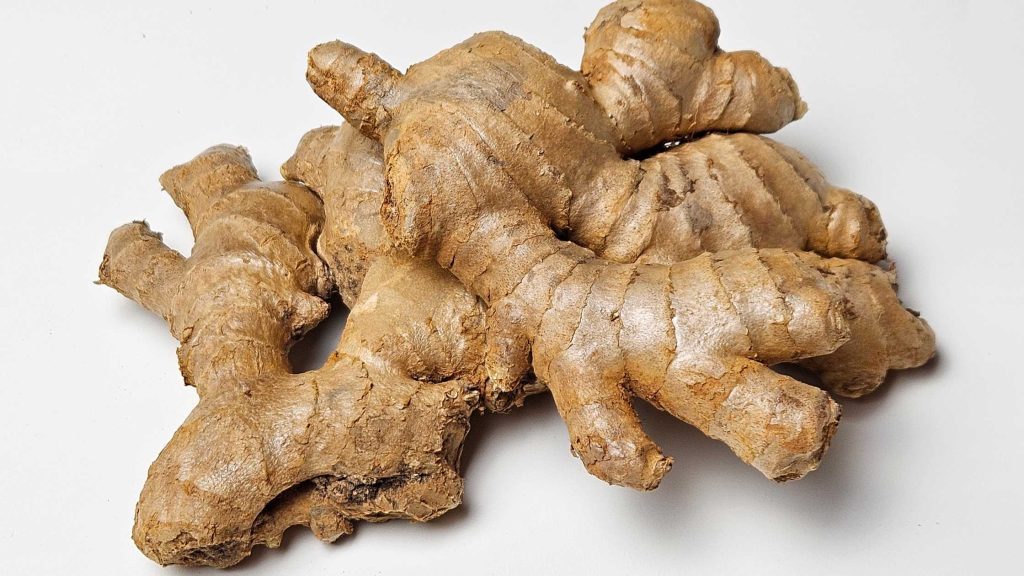
Ginger farming in 2025 is a highly profitable and scalable agribusiness opportunity for farmers and entrepreneurs. With increasing demand, export potential, and opportunities for value addition, this crop offers strong income potential when managed properly.
Buy Now : Ecommerce Website
However, success in ginger farming depends on proper planning, soil management, disease control, and market awareness. Farmers who adopt modern techniques and focus on quality can build a sustainable and profitable farming business.
If approached strategically, ginger farming can become a reliable source of income and long-term financial growth.
Keywords : How to Start Ginger Farming – How to Start Ginger Farming 2026