AI SEO Tools for Faster Rankings : Comprehensive Guide 2026
AI SEO Tools for Faster Rankings : Search Engine Optimization has transformed dramatically in recent years, and in 2026 the industry is more competitive, automated, and AI-driven than ever before. Traditional SEO strategies alone are no longer enough to dominate search rankings in highly competitive industries. Search engines now rely heavily on artificial intelligence, machine learning, semantic understanding, behavioral analysis, and user experience signals to determine which content deserves top visibility. Because of this transformation, AI SEO tools have become essential for businesses, bloggers, ecommerce brands, affiliate marketers, digital agencies, startups, and content creators aiming to achieve faster rankings and long-term organic growth.
Artificial intelligence is reshaping the entire SEO ecosystem. From keyword research and content optimization to backlink analysis, technical audits, predictive analytics, search intent analysis, and automated reporting, AI-powered SEO tools are helping marketers work faster, smarter, and more efficiently. Modern SEO is no longer only about manually optimizing keywords or building backlinks. It now involves understanding user behavior, semantic search patterns, conversational queries, entity-based optimization, and AI-generated search experiences.
The rise of AI-powered search systems has also changed how users discover information online. Search engines increasingly prioritize people-first content, topical authority, user engagement, and contextual relevance. AI SEO tools help marketers adapt to these evolving algorithms by analyzing massive datasets and generating actionable optimization insights within seconds.
In 2026, businesses that fail to integrate AI into their SEO strategies risk losing visibility, traffic, and market share. The future of organic search belongs to marketers who can combine human creativity with AI-driven automation and data analysis. AI SEO tools are no longer optional productivity enhancers; they are becoming the foundation of modern search engine optimization.
What Are AI SEO Tools?

AI SEO tools are software systems powered by artificial intelligence, machine learning, natural language processing, and predictive analytics designed to automate and improve various SEO processes.
These tools help businesses:
- Perform keyword research
- Analyze competitors
- Optimize content
- Improve technical SEO
- Generate SEO reports
- Track rankings
- Analyze backlinks
- Identify search intent
- Predict ranking opportunities
- Automate repetitive SEO tasks
Unlike traditional SEO tools, AI-powered platforms continuously learn from search patterns, algorithm changes, user behavior, and content performance.
Also Read : Ecommerce SEO Best Practices
Modern AI systems can process massive amounts of search data much faster than human marketers, helping businesses make smarter optimization decisions.
Why AI SEO Tools Are Important in 2026
Search engines are becoming increasingly intelligent. Algorithms now understand:
- Contextual meaning
- Semantic relevance
- User intent
- Content quality
- Engagement signals
- Conversational search queries
- Behavioral patterns
Because SEO has become more complex, AI tools help marketers adapt to rapidly changing ranking factors.
AI SEO tools are important because they:
- Save time
- Increase efficiency
- Improve content quality
- Enhance optimization accuracy
- Automate data analysis
- Discover ranking opportunities faster
- Improve decision-making
- Scale SEO operations
Businesses using AI-powered SEO systems often gain competitive advantages through faster optimization and deeper data insights.
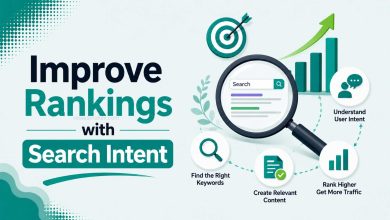
AI and Search Intent Optimization
Search intent optimization is one of the biggest SEO priorities in 2026.
Modern search engines no longer rank pages based solely on keyword matching. They now focus heavily on understanding what users actually want.
Search intent categories include:
- Informational intent
- Transactional intent
- Navigational intent
- Commercial investigation intent
AI SEO tools analyze search behavior patterns to identify intent more accurately.
For example:
A search for “best gaming laptop under ₹70000” indicates strong commercial intent, while “how gaming laptops work” reflects informational intent.
Understanding intent allows marketers to create more relevant content that aligns with user expectations.
AI-Powered Keyword Research
Keyword research remains the foundation of SEO, but AI has transformed how keyword analysis works.
Traditional keyword tools focused mainly on:
- Search volume
- Competition levels
- Basic keyword suggestions
Modern AI-powered systems now analyze:
- Semantic relationships
- Topic clusters
- Search trends
- User behavior
- Conversational queries
- Predictive ranking opportunities
AI keyword tools can identify long-tail opportunities and emerging search trends before competitors notice them.
Long-tail keywords remain extremely valuable because they often have:
- Lower competition
- Higher conversion rates
- Stronger user intent
- Better ranking potential
AI systems also help marketers build topical authority by grouping related keywords into comprehensive content clusters.
Content Optimization with AI

Content optimization is one of the most important applications of AI in SEO.
AI-powered content tools help marketers:
- Improve readability
- Optimize keyword placement
- Enhance semantic relevance
- Analyze competitor content
- Improve topical coverage
- Detect content gaps
- Increase engagement potential
Modern search engines reward content that provides comprehensive value and satisfies user intent fully.
AI systems can analyze top-ranking pages and identify optimization opportunities based on:
- Word usage
- Entity relevance
- Semantic coverage
- Structural patterns
- Content depth
This helps businesses create stronger content capable of competing in highly competitive search environments.
Semantic SEO and AI
Semantic SEO is becoming increasingly important in modern search optimization.
Search engines now understand relationships between words, topics, entities, and concepts instead of relying purely on exact keyword matches.
AI-powered SEO tools help marketers optimize for semantic relevance by:
- Identifying related topics
- Suggesting contextual phrases
- Analyzing entity relationships
- Improving topical authority
Semantic optimization improves visibility for broader search variations and conversational queries.
AI and Content Creation
AI-assisted content creation is rapidly growing in 2026.
Modern AI writing systems help marketers:
- Generate content ideas
- Create outlines
- Produce drafts
- Optimize headlines
- Improve readability
- Generate meta descriptions
However, successful SEO content still requires human oversight, expertise, creativity, and authenticity.
Search engines increasingly prioritize:
- People-first content
- Original insights
- Real experience
- Expertise
- Trustworthiness
AI should enhance human creativity rather than replace it completely.
Technical SEO Automation
Technical SEO is one of the most complex aspects of search optimization.
AI SEO tools simplify technical audits by automatically identifying issues such as:
- Broken links
- Slow-loading pages
- Crawl errors
- Duplicate content
- Missing metadata
- Mobile usability problems
- Structured data errors
Automated technical analysis saves enormous amounts of time while improving website performance.
Technical SEO remains critical because poor website infrastructure can negatively impact rankings regardless of content quality.
AI and Website Speed Optimization
Page speed directly impacts:
- User experience
- Bounce rates
- Conversion rates
- Search rankings
AI-powered optimization tools help businesses improve website performance through:
- Image optimization
- Code analysis
- Performance monitoring
- Resource prioritization
- Predictive loading systems
Fast websites provide better user experiences and stronger ranking potential.
Predictive SEO Analytics
Predictive analytics is one of the most powerful features of AI SEO tools.
AI systems analyze historical data and behavioral patterns to predict:
- Future search trends
- Ranking opportunities
- Traffic growth potential
- Seasonal keyword shifts
- Content performance
Predictive SEO helps businesses create content proactively instead of reacting to trends after competitors dominate them.
AI and Competitor Analysis
Competitor analysis is essential for SEO success.
AI-powered systems help marketers analyze competitor strategies by identifying:
- High-performing keywords
- Content gaps
- Backlink opportunities
- Ranking patterns
- Traffic sources
- Top-performing pages
This allows businesses to develop stronger SEO strategies and discover untapped opportunities.
AI-Powered Link Building
Backlinks remain one of the strongest ranking factors in SEO.
AI tools help improve link-building strategies by:
- Identifying outreach opportunities
- Analyzing backlink quality
- Detecting toxic links
- Finding relevant publishers
- Automating prospect research
Modern link building focuses heavily on relevance, authority, and trustworthiness instead of quantity alone.
AI systems improve outreach efficiency and help marketers prioritize valuable opportunities.
Voice Search Optimization
Voice search continues growing rapidly in 2026.
Voice queries are more conversational and natural compared to traditional typed searches.
Examples include:
- What are the best AI SEO tools?
- How can I improve organic traffic?
- Which SEO strategy works fastest?
AI SEO tools help marketers optimize content for conversational queries and natural language processing systems.
Voice-friendly content often includes:
- FAQ sections
- Conversational phrasing
- Structured answers
- Long-tail keyword optimization
AI and Local SEO
Local SEO remains essential for businesses targeting regional audiences.
AI-powered local SEO tools help businesses optimize:
- Local keywords
- Business listings
- Customer reviews
- Geographic targeting
- Location-based content
AI systems can analyze local search behavior and identify opportunities for regional visibility growth.
AI and Ecommerce SEO
Ecommerce SEO is becoming increasingly competitive.
AI-powered ecommerce optimization tools help businesses:
- Optimize product descriptions
- Improve category pages
- Analyze shopping behavior
- Enhance product recommendations
- Increase conversion rates
AI-driven personalization improves both SEO performance and customer experiences.
Search Engine Algorithms and AI
Search engines themselves are heavily powered by artificial intelligence.
Modern algorithms analyze:
- User behavior
- Engagement metrics
- Search intent
- Semantic meaning
- Content quality
- Experience signals
AI SEO tools help marketers align their strategies with these evolving ranking systems.
Understanding AI-driven algorithms is essential for sustainable organic growth.
AI and User Experience Optimization
User experience plays a major role in modern SEO.
Search engines reward websites that provide:
- Fast loading speed
- Mobile-friendly design
- Easy navigation
- High engagement
- Strong readability
AI-powered UX analysis tools help businesses improve customer experiences and reduce friction.
Better user experiences lead to:
- Longer session duration
- Lower bounce rates
- Higher conversions
- Better rankings
AI-Powered SEO Reporting
SEO reporting can be time-consuming without automation.
AI-powered reporting tools help marketers:
- Track keyword rankings
- Analyze traffic changes
- Monitor backlinks
- Measure performance trends
- Generate actionable insights
Automated reporting improves decision-making and allows marketers to focus more on strategy.
AI and Mobile SEO
Mobile optimization remains essential because most online traffic now comes from smartphones.
AI SEO tools help businesses optimize for:
- Mobile page speed
- Responsive design
- Mobile usability
- Voice search compatibility
Mobile-first optimization significantly impacts search rankings in 2026.
AI and Visual Search
Visual search technology continues evolving rapidly.
AI systems can now analyze and understand images more effectively.
Visual search optimization includes:
- Image metadata
- Alt text optimization
- Visual relevance
- Image compression
- Product image optimization
Businesses optimizing visual content gain additional visibility opportunities.
Common Mistakes with AI SEO Tools
Many marketers misuse AI SEO systems.
Common mistakes include:
- Over-automation
- Publishing low-quality AI-generated content
- Ignoring human creativity
- Keyword stuffing
- Relying entirely on automation
- Neglecting user experience
AI should support human expertise rather than completely replace strategic thinking.
The Human Role in AI SEO
Despite rapid AI advancement, human creativity remains essential.
Successful SEO still requires:
- Original ideas
- Storytelling
- Expertise
- Emotional connection
- Brand voice
- Strategic decision-making
The best results come from combining AI efficiency with human creativity and real-world experience.
AI SEO Trends in 2026
Several major trends are shaping the future of AI-driven SEO.
Conversational Search Optimization
Search behavior is becoming more natural and conversational.
Predictive SEO Strategies
AI tools increasingly forecast search opportunities before trends peak.
Hyper-Personalized Content
Personalized content experiences improve engagement and relevance.
Entity-Based Optimization
Search engines increasingly understand entities and topic relationships.
AI-Powered Automation
Automation continues simplifying complex SEO workflows.
Semantic Search Expansion
Semantic relevance is becoming more important than exact keyword matching.
Future of AI in SEO
The future of SEO will become even more AI-driven and data-focused.
Emerging technologies such as:
- Machine learning
- Predictive analytics
- Natural language processing
- Conversational AI
- Personalized search systems
will continue transforming search engine optimization.
Future SEO strategies will focus heavily on:
- User experience
- Contextual relevance
- Real expertise
- Search intent alignment
- Audience engagement
Businesses adapting early to AI-driven SEO systems will gain major competitive advantages.
AI SEO Tools for Faster Rankings – Conclusion

AI SEO tools are transforming the future of digital marketing and search engine optimization in 2026. Modern SEO is no longer limited to keyword placement and manual optimization techniques. Artificial intelligence now powers nearly every aspect of search optimization including keyword research, content analysis, semantic relevance, technical audits, predictive analytics, audience behavior tracking, and performance optimization.
Buy Now : Ecommerce Website
Businesses using AI SEO tools can improve efficiency, scale operations faster, identify ranking opportunities earlier, and create more personalized search experiences for users. However, true SEO success still depends on combining AI-driven automation with human creativity, strategic thinking, authenticity, and expertise.
As search engines continue evolving through machine learning and AI-powered algorithms, businesses that invest in intelligent SEO systems will dominate organic visibility and long-term digital growth. The future of SEO belongs to marketers who can balance automation with meaningful content experiences, user-focused strategies, and data-driven optimization. AI SEO tools are no longer simply advanced marketing software; they are becoming the foundation of modern search engine success in the highly competitive digital landscape of 2026.
Keywords : AI SEO Tools for Faster Rankings – AI SEO Tools for Faster Rankings 2026