How AI is Changing Digital Marketing ? : Comprehensive Guide 2026
How AI is Changing Digital Marketing : Artificial Intelligence has become the driving force behind the transformation of digital marketing in 2026. What was once considered a futuristic technology is now a core component of modern marketing strategies across industries. Businesses of all sizes, from startups and ecommerce brands to multinational corporations, are leveraging AI to improve customer experiences, automate marketing tasks, enhance personalization, optimize campaigns, and drive better business results.
The digital marketing landscape has evolved dramatically over the past decade. Traditional marketing methods that relied heavily on manual processes, broad audience targeting, and generic messaging are rapidly being replaced by intelligent systems capable of analyzing massive amounts of data, predicting customer behavior, and delivering highly personalized experiences. Artificial Intelligence is helping marketers understand consumers more deeply, make smarter decisions, reduce costs, and achieve higher returns on investment.
In 2026, consumers expect brands to understand their preferences, provide personalized recommendations, deliver relevant content, and respond instantly to their needs. Meeting these expectations would be nearly impossible without AI-powered technologies. From content creation and search engine optimization to email marketing, social media management, customer service, predictive analytics, and advertising optimization, AI is reshaping every aspect of digital marketing.
The rise of machine learning, natural language processing, predictive analytics, conversational AI, generative AI, automation systems, and intelligent recommendation engines is creating new opportunities for businesses to connect with customers more effectively than ever before. Companies that successfully integrate AI into their marketing strategies gain significant competitive advantages through increased efficiency, better customer experiences, improved targeting, and higher conversion rates.
As AI technologies continue advancing, digital marketing is becoming more data-driven, personalized, automated, and customer-centric. Marketers who understand how AI is changing the industry will be better positioned to adapt, innovate, and succeed in the future digital economy.
This comprehensive guide explores how AI is transforming digital marketing in 2026, including its impact on content creation, SEO, advertising, customer experience, personalization, automation, analytics, ecommerce, social commerce, and future marketing trends.
Understanding Artificial Intelligence in Digital Marketing
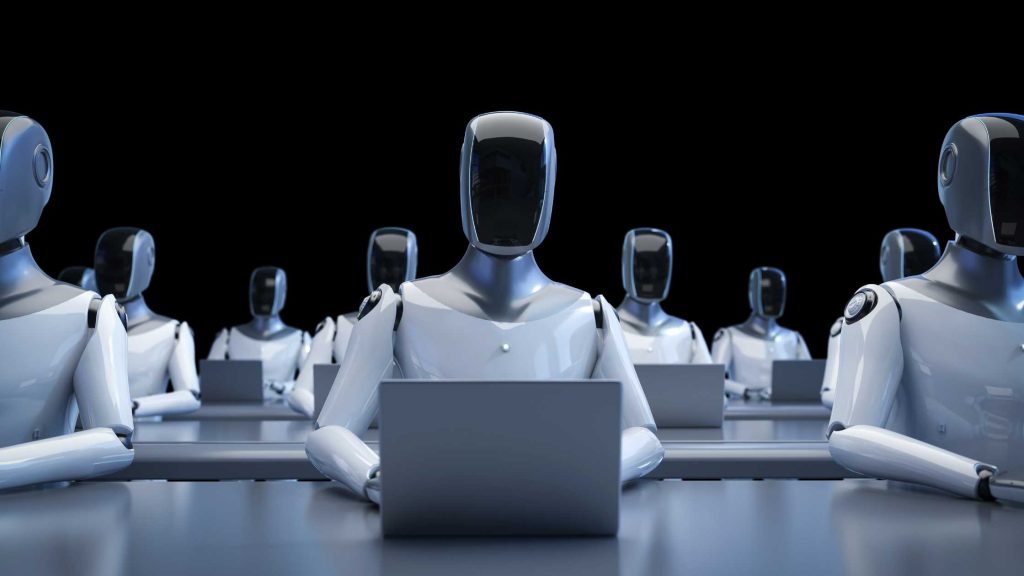
Artificial Intelligence refers to computer systems capable of performing tasks that typically require human intelligence.
These tasks include:
- Learning from data
- Pattern recognition
- Decision making
- Language understanding
- Predictive analysis
In digital marketing, AI helps businesses automate processes, analyze customer behavior, personalize experiences, and optimize campaigns.
Also Read : Online Business SEO Mistakes
AI allows marketers to process vast amounts of information quickly and accurately.
This leads to more effective marketing strategies and better business outcomes.
Why AI is Revolutionizing Digital Marketing
Several factors are driving the rapid adoption of AI in marketing.
These include:
- Increasing data volumes
- Growing customer expectations
- Demand for personalization
- Need for efficiency
- Competitive pressures
Modern consumers interact with brands across multiple channels, generating enormous amounts of data.
AI helps businesses transform this data into actionable insights.
Without AI, managing and analyzing such large datasets would be extremely difficult.
AI-Powered Customer Insights
One of AI’s most valuable contributions is its ability to understand customer behavior.
AI analyzes:
- Browsing habits
- Purchase history
- Engagement patterns
- Search behavior
These insights help businesses identify:
- Customer preferences
- Buying intentions
- Future purchasing behavior
Deeper customer understanding enables more effective marketing campaigns.
Businesses can make data-driven decisions rather than relying on assumptions.
Personalization at Scale
Personalization has become a critical marketing requirement.
Consumers expect customized experiences tailored to their interests and needs.
AI enables businesses to personalize:
- Product recommendations
- Website experiences
- Email campaigns
- Advertising messages
Personalized experiences improve:
- Customer satisfaction
- Engagement rates
- Conversion rates
In 2026, AI-powered personalization is becoming one of the most powerful drivers of marketing success.
AI and Content Creation
Content remains the foundation of digital marketing.
AI is transforming content creation by helping marketers generate:
- Blog articles
- Product descriptions
- Email campaigns
- Marketing copy
- Social media content
AI tools significantly reduce content production time while increasing efficiency.
Marketers can create more content without proportionally increasing resources.
However, human creativity and expertise remain essential for producing truly valuable and authentic content.
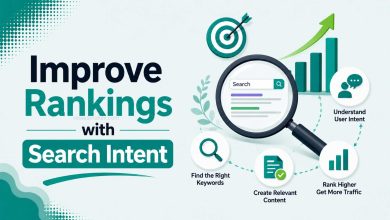
AI-Powered Search Engine Optimization
SEO continues to evolve alongside AI technologies.
Artificial Intelligence helps marketers with:
- Keyword research
- Content optimization
- Search intent analysis
- Competitor research
AI can identify trends, uncover opportunities, and suggest optimization improvements.
Modern search engines increasingly use AI to understand:
- User intent
- Context
- Content quality
As a result, marketers must focus on creating genuinely helpful content rather than simply targeting keywords.
Predictive Analytics and Marketing
Predictive analytics is one of AI’s most powerful capabilities.
AI can analyze historical data to forecast future outcomes.
Predictive marketing helps businesses:
- Identify potential customers
- Anticipate purchasing behavior
- Optimize campaigns
Businesses can proactively engage customers before competitors do.
Predictive insights improve marketing efficiency and decision-making.
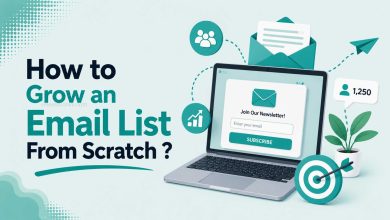
AI in Email Marketing
Email marketing remains one of the highest-performing digital marketing channels.
AI improves email marketing by:
- Personalizing messages
- Optimizing send times
- Segmenting audiences
- Predicting engagement
AI-driven email campaigns often achieve higher:
- Open rates
- Click-through rates
- Conversion rates
Automation and personalization work together to improve campaign performance.
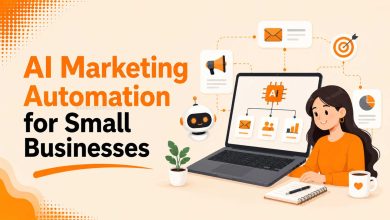
Marketing Automation Revolution
Marketing automation has become increasingly sophisticated thanks to AI.
Automation systems can handle:
- Lead nurturing
- Customer follow-ups
- Campaign management
- Audience segmentation
Benefits include:
- Time savings
- Increased efficiency
- Better scalability
AI enables automation systems to make intelligent decisions rather than simply following predefined rules.
AI and Social Media Marketing
Social media marketing is becoming increasingly AI-driven.
AI helps marketers:
- Schedule content
- Analyze engagement
- Monitor trends
- Identify opportunities
AI-powered systems can evaluate large volumes of social data in real time.
This allows marketers to respond quickly to changing audience preferences.
Social Listening and Sentiment Analysis
AI enables businesses to monitor online conversations.
Sentiment analysis helps brands understand:
- Customer opinions
- Brand perception
- Market trends
Businesses can identify positive and negative sentiment quickly.
This information helps improve products, services, and marketing strategies.
AI-Powered Advertising
Digital advertising is one of the areas most transformed by AI.
AI helps optimize:
- Audience targeting
- Bid management
- Ad placement
- Budget allocation
AI systems continuously analyze performance data and make adjustments automatically.
This improves advertising efficiency and return on investment.
Customer Segmentation
Traditional segmentation often relies on broad demographic categories.
AI creates more sophisticated segments based on:
- Behavior
- Interests
- Intentions
- Engagement patterns
Improved segmentation leads to more relevant marketing messages.
Relevance increases conversion rates and customer satisfaction.
Conversational Marketing
Conversational marketing is becoming increasingly important.
AI-powered systems facilitate real-time interactions with customers.
Benefits include:
- Faster responses
- Better engagement
- Improved customer experiences
Consumers increasingly prefer conversational interactions over traditional communication methods.
AI Chatbots and Virtual Assistants

AI chatbots have evolved significantly.
Modern chatbots can:
- Answer questions
- Recommend products
- Resolve issues
- Guide purchases
Chatbots provide:
- 24/7 support
- Instant responses
- Consistent service
Businesses reduce support costs while improving customer satisfaction.
Customer Experience Optimization
Customer experience has become a major competitive advantage.
AI helps businesses improve experiences through:
- Personalization
- Automation
- Predictive recommendations
Positive experiences increase:
- Loyalty
- Retention
- Referrals
AI allows businesses to create seamless customer journeys.
Ecommerce Marketing Transformation
AI is reshaping ecommerce marketing.
Applications include:
- Product recommendations
- Inventory forecasting
- Dynamic pricing
- Personalized shopping experiences
AI helps ecommerce businesses increase:
- Average order value
- Conversion rates
- Customer retention
Modern ecommerce increasingly relies on AI-driven decision-making.
Recommendation Engines
Recommendation systems are among the most visible AI applications.
They analyze:
- Customer behavior
- Purchase history
- Preferences
Recommendations improve product discovery and increase sales.
Consumers appreciate relevant suggestions that simplify decision-making.
AI and Video Marketing
Video content continues dominating digital engagement.
AI helps marketers:
- Generate video scripts
- Edit videos
- Create captions
- Analyze performance
Video production becomes faster and more efficient.
This allows businesses to scale video marketing efforts.
Voice Search Optimization
Voice search is growing rapidly.
AI-powered voice assistants are changing how consumers search for information.
Marketers must optimize for:
- Conversational queries
- Natural language
- Voice-friendly content
Voice search optimization is becoming increasingly important for SEO.
Hyper-Personalization
Hyper-personalization goes beyond traditional customization.
AI analyzes real-time behavior to deliver highly relevant experiences.
Examples include:
- Personalized offers
- Dynamic website content
- Real-time recommendations
Hyper-personalization significantly improves engagement and conversions.
AI and Customer Retention
Retaining customers is often more profitable than acquiring new ones.
AI helps improve retention through:
- Personalized communication
- Predictive support
- Loyalty optimization
Businesses can identify customers at risk of leaving and take proactive measures.
Real-Time Decision Making
AI enables real-time marketing decisions.
Systems can adjust:
- Advertising campaigns
- Recommendations
- Customer interactions
Real-time optimization improves responsiveness and effectiveness.
Businesses become more agile and competitive.
Data Analytics and Intelligence
Data is the foundation of modern marketing.
AI transforms raw data into actionable insights.
Marketers can understand:
- Customer behavior
- Campaign performance
- Market trends
Better insights lead to better decisions and stronger results.
AI in Influencer Marketing
Influencer marketing continues growing.
AI helps businesses:
- Identify creators
- Measure performance
- Detect fraud
AI improves campaign effectiveness and transparency.
Businesses can make smarter partnership decisions.
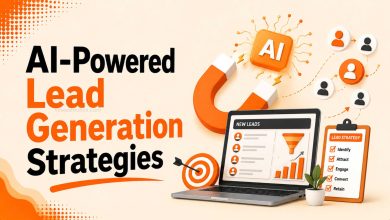
AI and Lead Generation
Lead generation is becoming more efficient through AI.
AI helps identify:
- High-intent prospects
- Buying signals
- Conversion opportunities
Businesses can focus resources on the most promising leads.
This improves acquisition efficiency.
Challenges of AI in Digital Marketing
Despite its advantages, AI also presents challenges.
Common concerns include:
- Data privacy
- Ethical considerations
- Over-automation
- Dependence on algorithms
Businesses must balance automation with human oversight.
Trust and transparency remain essential.
Human Creativity and AI
AI is a powerful tool but not a replacement for human creativity.
Successful marketing combines:
- AI efficiency
- Human insight
- Emotional intelligence
The best results occur when marketers use AI to enhance rather than replace creativity.
Future of AI in Digital Marketing
The future of AI marketing looks highly promising.
Emerging trends include:
- Advanced personalization
- Predictive commerce
- Autonomous marketing systems
- Enhanced conversational AI
- AI-generated immersive experiences
Businesses that embrace these innovations early will gain significant advantages.
Preparing for the AI Marketing Era
Marketers should focus on:
- Learning AI technologies
- Understanding data analytics
- Improving strategic thinking
- Enhancing creativity
Adaptability will be essential as AI continues evolving.
The future belongs to marketers who combine technology with customer-focused strategies.
How AI is Changing Digital Marketing – Conclusion
Artificial Intelligence is fundamentally transforming digital marketing in 2026. From content creation and SEO to advertising, personalization, analytics, customer support, ecommerce, and automation, AI is reshaping how businesses connect with consumers and drive growth. Companies that leverage AI effectively can improve efficiency, enhance customer experiences, reduce costs, and achieve superior marketing performance.
Buy now : Ready Made Digital Store with 100 Products
The rise of machine learning, predictive analytics, conversational AI, recommendation engines, marketing automation, and hyper-personalization is creating new opportunities for businesses to engage customers more effectively than ever before. At the same time, AI is helping marketers make smarter decisions, optimize campaigns in real time, and deliver highly relevant experiences across every stage of the customer journey.
However, successful AI adoption requires more than simply implementing technology. Businesses must balance automation with authenticity, data-driven insights with human creativity, and efficiency with ethical responsibility. The most successful marketers will be those who use AI as a strategic partner rather than a complete replacement for human expertise.
As digital marketing continues evolving, Artificial Intelligence will remain one of the most powerful forces shaping the future of customer engagement, brand growth, personalization, and business success. Organizations that embrace AI-driven innovation today will be best positioned to thrive in the increasingly competitive digital economy of tomorrow.
Keywords : How AI is Changing Digital Marketing – How AI is Changing Digital Marketing 2026