Shipping Cost Reduction Strategies : Comprehensive Guide 2026
Shipping Cost Reduction Strategies : Shipping has become one of the most critical components of ecommerce success. As online shopping continues to grow worldwide, customers expect fast, affordable, and reliable delivery regardless of where they live. While rapid delivery improves customer satisfaction, it also increases operational expenses for ecommerce businesses. Shipping costs now account for a significant portion of total business expenditure, making cost optimization an essential part of sustainable ecommerce growth. In 2026, businesses that effectively manage shipping expenses gain a substantial competitive advantage through improved profit margins, competitive pricing, and enhanced customer experiences.
Table of Contents
Shipping costs extend far beyond transportation fees. They include packaging materials, warehouse operations, order fulfillment, fuel surcharges, customs duties, insurance, handling charges, return logistics, delivery failures, and carrier service fees. Without careful planning, these expenses can significantly reduce profitability, even for businesses experiencing strong sales growth. Reducing shipping costs therefore requires a comprehensive strategy rather than focusing on transportation alone.
Modern technologies have transformed shipping optimization. Artificial Intelligence (AI), Machine Learning, predictive analytics, Internet of Things (IoT), cloud logistics platforms, warehouse automation, and route optimization software enable businesses to reduce operational expenses while maintaining excellent delivery performance. AI-powered systems forecast order volumes, optimize packaging dimensions, recommend the most economical carriers, consolidate shipments, predict delivery times, and continuously analyze logistics performance to identify cost-saving opportunities.
Consumer behavior has also evolved. Many customers are willing to choose environmentally friendly or slightly slower shipping options when businesses communicate the benefits clearly. Sustainable shipping strategies, such as consolidated deliveries, recyclable packaging, optimized transportation routes, and carbon-conscious logistics, often reduce both operational costs and environmental impact. As sustainability becomes a major purchasing factor, shipping optimization contributes not only to profitability but also to stronger brand reputation.
International ecommerce introduces additional complexity. Cross-border shipments involve customs procedures, import duties, international freight costs, currency fluctuations, documentation requirements, and compliance with destination-country regulations. Businesses selling globally must carefully evaluate logistics providers, fulfillment centers, shipping methods, and packaging strategies to minimize costs while maintaining reliable service.
Inventory management also plays a major role in shipping efficiency. Businesses with strategically located warehouses, optimized stock levels, and AI-powered demand forecasting reduce transportation distances, avoid emergency shipments, and improve delivery speed. Smart inventory placement enables faster fulfillment while lowering overall logistics expenses.
Packaging is another important cost factor. Oversized boxes, excessive filler materials, and inefficient packaging designs increase shipping charges by consuming additional space and weight. Modern packaging optimization focuses on right-sized packaging, lightweight materials, recyclable components, and automated packaging systems that reduce waste while lowering transportation costs.
Shipping cost optimization is no longer limited to large corporations. Cloud-based logistics platforms, AI-powered shipping software, digital freight marketplaces, and third-party fulfillment services allow small and medium-sized ecommerce businesses to access advanced logistics capabilities previously available only to enterprise organizations.
This comprehensive guide explores Shipping Cost Reduction Strategies in 2026, including Artificial Intelligence, packaging optimization, carrier negotiations, warehouse management, international shipping, sustainable logistics, inventory planning, automation, customer communication, and future trends shaping the ecommerce logistics industry.
Understanding Ecommerce Shipping Costs

Shipping costs consist of numerous components beyond transportation alone.
Common expenses include:
- Carrier charges
- Fuel surcharges
- Packaging materials
- Warehousing
- Labor
- Insurance
- Customs duties
- Return shipping
Businesses should understand every cost category before attempting optimization.
Comprehensive analysis reveals opportunities for improvement.
Cost visibility supports better financial planning.
Why Shipping Cost Optimization Matters
Shipping directly affects:
- Profit margins
- Customer satisfaction
- Competitive pricing
- Business scalability
- Customer retention
High shipping costs often lead to abandoned shopping carts.
Customers increasingly compare delivery costs before completing purchases.
Efficient logistics improve both profitability and customer experience.
Optimization should become an ongoing business priority.
Artificial Intelligence in Shipping Optimization
Artificial Intelligence has transformed ecommerce logistics.
AI supports:
- Route optimization
- Carrier selection
- Demand forecasting
- Delivery prediction
- Inventory placement
- Packaging optimization
Machine Learning continuously analyzes operational data.
Businesses identify cost-saving opportunities automatically.
Technology improves logistics efficiency.
Route Optimization
Transportation routes significantly influence shipping expenses.
Also Read : Global Product Sourcing for Ecommerce
AI-powered route planning reduces:
- Fuel consumption
- Delivery time
- Vehicle mileage
- Operational costs
Optimized routes improve driver productivity.
Shorter travel distances lower emissions.
Customers receive orders faster.
Choosing the Right Shipping Carriers
Different carriers offer different pricing structures.
Businesses should compare:
- Delivery speed
- Pricing
- Geographic coverage
- Tracking capabilities
- Customer service
- Reliability
Selecting carriers based solely on price may reduce service quality.
Balanced evaluation produces better results.
Carrier diversification improves flexibility.
Negotiating Shipping Rates
Growing businesses often qualify for negotiated pricing.
Businesses should discuss:
- Volume discounts
- Long-term contracts
- Seasonal pricing
- Pickup schedules
- Payment terms
Strong shipping partnerships frequently produce significant savings.
Professional negotiations improve long-term profitability.
Reliable volume benefits both parties.
Packaging Optimization
Packaging strongly influences shipping costs.
Businesses should:
- Reduce package size
- Eliminate unnecessary fillers
- Use lightweight materials
- Standardize packaging
Right-sized packaging minimizes dimensional weight charges.
Smaller packages improve transportation efficiency.
Packaging optimization reduces waste.
Lightweight Packaging Materials
Modern materials include:
- Recycled cardboard
- Biodegradable mailers
- Lightweight protective materials
- Paper alternatives
Reducing package weight lowers transportation expenses.
Eco-friendly materials strengthen sustainability.
Customers increasingly appreciate responsible packaging.
Inventory Management
Inventory placement directly influences shipping costs.
Businesses should:
- Forecast demand accurately
- Reduce stock shortages
- Avoid emergency shipping
- Position inventory strategically
Artificial Intelligence predicts regional demand.
Better inventory management reduces transportation distances.
Efficient stock allocation lowers expenses.
Multiple Fulfillment Centers
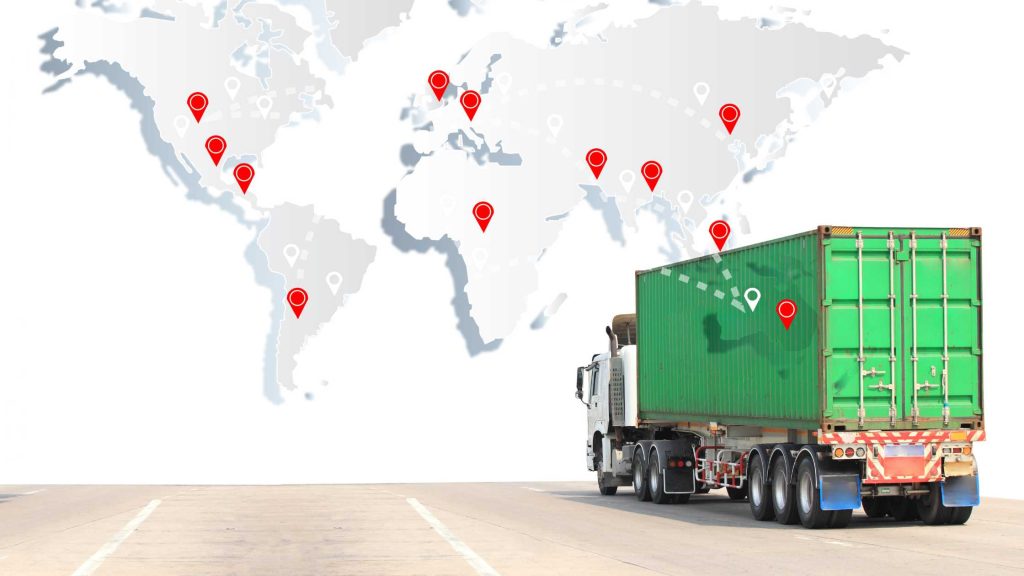
Businesses serving multiple regions benefit from distributed warehouses.
Advantages include:
- Shorter shipping distances
- Faster deliveries
- Lower transportation costs
Strategic warehouse locations improve customer satisfaction.
Regional fulfillment supports scalability.
Warehouse placement influences profitability.
Third-Party Logistics (3PL)
Third-party logistics providers manage:
- Warehousing
- Order fulfillment
- Shipping
- Inventory management
Benefits include:
- Lower infrastructure investment
- Professional logistics expertise
- Flexible scalability
Businesses focus on growth while logistics specialists handle fulfillment.
3PL partnerships improve operational efficiency.
Shipping Automation

Automation reduces manual processing.
Examples include:
- Shipping label generation
- Order routing
- Carrier selection
- Tracking updates
- Customer notifications
Automation improves accuracy.
Reduced manual work lowers operating costs.
Technology increases productivity.
Demand Forecasting
Accurate forecasting prevents costly inventory shortages.
AI analyzes:
- Historical sales
- Seasonal demand
- Marketing campaigns
- Customer behavior
Businesses maintain appropriate inventory levels.
Forecasting reduces urgent shipments.
Planning improves logistics performance.
International Shipping Optimization
Global ecommerce introduces additional shipping considerations.
Businesses should optimize:
- Customs documentation
- Freight methods
- Import duties
- Consolidated shipments
Professional logistics partners simplify international operations.
Planning minimizes cross-border expenses.
Compliance prevents delays.
Consolidating Shipments
Combining multiple shipments reduces transportation costs.
Benefits include:
- Lower freight charges
- Reduced packaging
- Improved efficiency
Businesses serving wholesale customers particularly benefit.
Shipment consolidation also reduces emissions.
Efficiency improves profitability.
Reverse Logistics
Returns generate significant shipping expenses.
Businesses should:
- Improve product descriptions
- Enhance product photography
- Strengthen quality control
- Simplify return management
Reducing unnecessary returns lowers logistics costs.
Customer satisfaction also improves.
Efficient reverse logistics supports sustainability.
Sustainable Shipping
Green logistics often reduces costs.
Examples include:
- Electric delivery vehicles
- Optimized routes
- Carbon-neutral shipping
- Eco-friendly packaging
Environmental responsibility supports long-term competitiveness.
Customers increasingly value sustainable delivery options.
Sustainability and efficiency often align.
Customer Communication
Transparent shipping communication improves customer satisfaction.
Businesses should provide:
- Order confirmations
- Tracking information
- Delivery estimates
- Delay notifications
Good communication reduces customer inquiries.
Trust strengthens customer relationships.
Clear expectations improve experiences.
Shipping Analytics
Businesses should monitor:
- Shipping costs
- Delivery performance
- Carrier reliability
- Return rates
- Customer satisfaction
Artificial Intelligence identifies trends.
Continuous analysis supports optimization.
Data-driven decisions improve logistics.
Common Shipping Mistakes
Businesses often increase costs by:
- Using oversized packaging
- Ignoring carrier comparisons
- Poor inventory planning
- Weak forecasting
- Inefficient warehouse layouts
- Manual shipping processes
Regular reviews identify improvement opportunities.
Attention to detail produces significant savings.
Future Trends
Several technologies will reshape ecommerce shipping.
Artificial Intelligence
Smarter logistics optimization.
Autonomous Delivery
Lower labor costs.
Drone Deliveries
Faster local shipping.
Predictive Logistics
Improved planning.
Green Transportation
Reduced emissions.
Innovation will continue transforming ecommerce logistics.
Best Practices
Successful ecommerce businesses should:
- Optimize packaging dimensions.
- Compare shipping carriers regularly.
- Leverage Artificial Intelligence.
- Improve inventory planning.
- Automate fulfillment processes.
- Use multiple fulfillment centers where practical.
- Monitor logistics analytics.
- Negotiate shipping contracts.
- Reduce return rates.
- Continuously optimize delivery operations.
Shipping efficiency should become a strategic priority.
Shipping Cost Reduction Strategies – Conclusion

Shipping Cost Reduction has become one of the most important profitability strategies for ecommerce businesses in 2026. As customer expectations for fast, affordable, and reliable delivery continue rising, businesses must optimize every stage of the logistics process while maintaining exceptional customer experiences. Effective shipping management directly influences profit margins, operational efficiency, customer satisfaction, and long-term competitiveness.
Buy Now : Ready Made Digital Store with 100 Products
Artificial Intelligence has revolutionized shipping optimization through intelligent route planning, predictive demand forecasting, automated carrier selection, packaging optimization, inventory management, and logistics analytics. Businesses using AI-powered shipping solutions reduce costs while improving delivery accuracy, operational productivity, and customer communication.
Successful shipping optimization extends far beyond selecting the lowest-priced carrier. It requires strategic packaging design, efficient warehouse operations, accurate inventory forecasting, shipment consolidation, sustainable logistics, strong carrier partnerships, automation, and continuous performance measurement. Every stage of the fulfillment process presents opportunities to improve efficiency and reduce expenses.
Businesses should also recognize the growing importance of sustainability. Eco-friendly packaging, optimized transportation routes, electric delivery vehicles, carbon-conscious logistics, and responsible supply chain practices not only reduce environmental impact but also strengthen brand reputation and attract environmentally conscious consumers.
Looking ahead, emerging technologies such as autonomous delivery vehicles, drone logistics, predictive analytics, intelligent warehouse robotics, smart packaging, and AI-driven supply chain optimization will continue transforming ecommerce shipping. Businesses that embrace these innovations while maintaining customer-focused logistics strategies will gain significant competitive advantages.
Ultimately, Shipping Cost Reduction is not simply about spending less—it is about delivering greater value through smarter operations. Ecommerce companies that invest in technology, optimize logistics, strengthen partnerships, and continuously refine their shipping strategies will improve profitability, enhance customer satisfaction, and build resilient businesses capable of thriving in the evolving ecommerce landscape of 2026 and beyond.
Keywords : Shipping Cost Reduction Strategies – Shipping Cost Reduction Strategies 2026