Affiliate Marketing Without a Website: Comprehensive Guide 2026
Affiliate Marketing Without a Website : Affiliate marketing has become one of the most popular online business models for generating passive income. Traditionally, affiliate marketers relied on blogs and niche websites to attract visitors through search engines and earn commissions by recommending products or services. However, the digital landscape has changed dramatically. In 2026, it is entirely possible to build a successful affiliate marketing business without owning a website by leveraging social media platforms, video content, email marketing, online communities, messaging apps, and Artificial Intelligence (AI).
Table of Contents
For many beginners, building a professional website can feel intimidating. Purchasing a domain, setting up hosting, learning WordPress, writing SEO content, and waiting for search engine rankings often require time and technical knowledge. Website maintenance also involves regular updates, security management, optimization, and content creation. These challenges discourage many aspiring affiliate marketers before they even begin.
Fortunately, modern digital platforms have created alternative paths. Consumers now discover products through YT videos, Insta Reels, TikTok, FB groups, LinkedIn posts, Telegram channels, WA communities, podcasts, email newsletters, and online forums. Purchasing decisions increasingly happen inside social media ecosystems rather than traditional websites. As a result, affiliate marketers can build audiences directly on these platforms while recommending products naturally through educational and engaging content.
Artificial Intelligence has made this business model even more accessible. AI-powered tools help affiliate marketers research profitable niches, identify trending products, generate content ideas, write scripts, create graphics, optimize social media posts, personalize email campaigns, analyze audience behavior, and automate repetitive marketing tasks. Even individuals with limited technical skills can build highly professional affiliate businesses using AI-assisted workflows.
However, succeeding without a website requires a different mindset. Instead of relying primarily on search engine traffic, affiliate marketers must focus on audience building, trust, consistency, and valuable content. Whether creating educational YouTube videos, publishing short-form social media content, hosting live sessions, answering questions in online communities, or building email lists, the primary objective is to become a trusted source of information within a specific niche.
Also Read : Affiliate Marketing Mistakes to Avoid
Another important trend is social commerce. Platforms increasingly support in-app shopping, creator marketplaces, affiliate storefronts, live shopping events, and direct product recommendations. These developments reduce friction between product discovery and purchase, making website-free affiliate marketing more effective than ever before.
This comprehensive guide explores every aspect of Affiliate Marketing Without a Website in 2026, including niche selection, Artificial Intelligence, audience building, social media strategies, email marketing, video content, community building, common mistakes, and future trends shaping the affiliate marketing industry.
What Is Affiliate Marketing Without a Website?
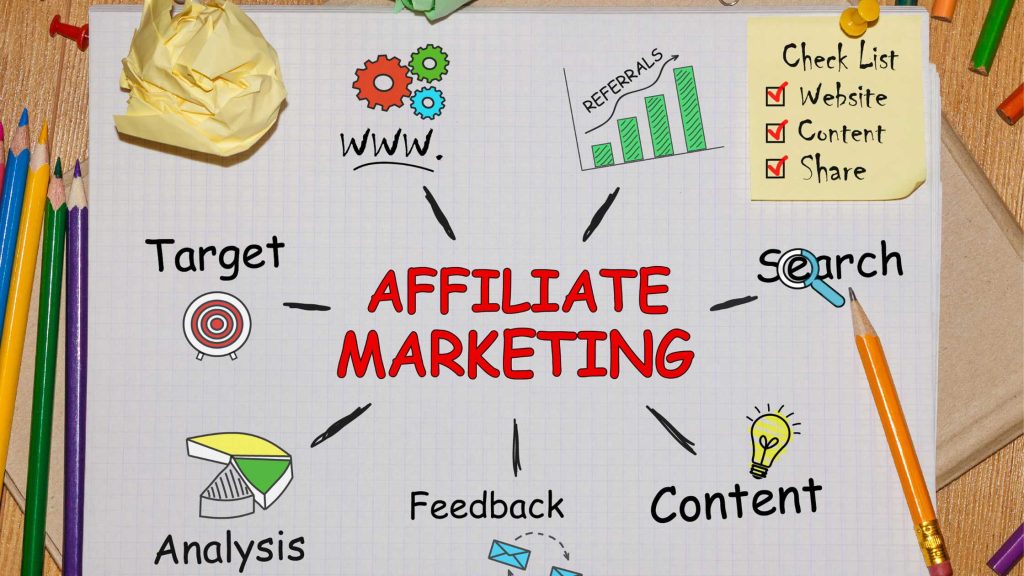
Affiliate marketing without a website means promoting products or services through digital platforms other than a personal website.
Instead of relying on blog articles and SEO, marketers generate traffic using:
- YT
- Insta
- TikTok
- FB
- Email newsletters
- Telegram
- WA
- Podcasts
- Online communities
Affiliate commissions are earned whenever customers purchase through affiliate links.
This business model eliminates website development while still allowing scalable online income.
Why Many Beginners Choose This Model
Starting without a website offers several advantages.
Entrepreneurs avoid:
- Domain registration
- Hosting costs
- Website maintenance
- Technical setup
- Search engine optimization complexities
Instead, they focus on building audiences where people already spend time online.
Lower barriers encourage faster business launches.
Content creation becomes the primary business activity.
Understanding Affiliate Marketing
Affiliate marketing is a performance-based business model.
The process is straightforward.
A business provides an affiliate link.
The affiliate recommends the product.
Customers purchase using the affiliate link.
The affiliate earns a commission for successful sales.
Businesses benefit from increased exposure while affiliates earn income without creating their own products.
Choosing a Profitable Niche
Successful affiliate marketers specialize.
Popular niches include:
- Personal finance
- Digital marketing
- Technology
- Health
- Fitness
- Online education
- Business software
- Web hosting
- Artificial Intelligence
- Productivity
Focused niches attract targeted audiences.
Specialization builds credibility.
Trust improves conversion rates.
Understanding Your Audience
Knowing your audience is more important than choosing products.
Consider:
- Age
- Interests
- Challenges
- Goals
- Purchasing behavior
Successful affiliates solve problems rather than simply promoting products.
Helpful recommendations generate stronger customer relationships.
Audience understanding drives long-term success.
Artificial Intelligence in Affiliate Marketing
Artificial Intelligence significantly improves marketing efficiency.
AI assists with:
- Product research
- Keyword analysis
- Script writing
- Caption generation
- Video planning
- Audience insights
- Marketing automation
Machine Learning identifies trends before they become highly competitive.
Technology accelerates business growth.
Human creativity remains essential.
Building Authority
People purchase from trusted creators.
Authority develops through:
- Educational content
- Honest reviews
- Tutorials
- Comparisons
- Industry insights
Consistent value builds credibility.
Customers return to creators they trust.
Reputation becomes a valuable business asset.
YouTube Affiliate Marketing
YouTube remains one of the strongest affiliate platforms.
Popular content includes:
- Product reviews
- Tutorials
- Buying guides
- Comparisons
- Demonstrations
Video builds trust quickly.
Customers appreciate visual explanations.
Educational content continues generating views for years.
Instagram Affiliate Marketing
Instagram supports affiliate marketing through:
- Reels
- Stories
- Posts
- Live sessions
- Creator collaborations
Visual storytelling increases engagement.
Lifestyle content makes product recommendations feel natural.
Consistency builds audience loyalty.
TikTok Affiliate Marketing
Short-form video continues expanding rapidly.
Effective content includes:
- Quick demonstrations
- Tips
- Product hacks
- Before-and-after videos
Authentic communication performs better than traditional advertising.
Creativity drives organic reach.
Entertainment increases visibility.
FB Communities
FB groups remain valuable for niche communities.
Businesses should:
- Answer questions
- Share educational content
- Build relationships
Avoid excessive promotion.
Helpful participation establishes authority.
Community trust increases affiliate conversions.
LinkedIn for Professional Affiliates
Professional products perform well on LinkedIn.
Examples include:
- Business software
- Productivity tools
- Online courses
- Professional services
Educational posts attract qualified audiences.
Professional credibility improves conversions.
Networking strengthens business opportunities.
Email Marketing Without a Website
Email remains one of the most valuable marketing assets.
Subscribers can join through:
- Social media
- Lead magnets
- Webinars
- Online events
Email campaigns include:
- Product recommendations
- Educational newsletters
- Industry updates
Owned audiences reduce dependence on platform algorithms.
Long-term relationships improve sales.
Building Online Communities
Communities increase customer loyalty.
Examples include:
- Telegram groups
- WA communities
- Discord servers
- FB groups
Members ask questions and share experiences.
Community discussions create trust.
Recommendations become more authentic.
Content Marketing

Content should educate before selling.
Examples include:
- Tutorials
- Buying guides
- Frequently Asked Questions
- Case studies
- Industry news
Educational marketing generates stronger engagement.
Helpful content encourages product recommendations naturally.
Value drives long-term growth.
Disclosure and Transparency
Affiliate marketing requires honesty.
Clearly disclose affiliate relationships.
Transparency strengthens customer confidence.
Trust produces sustainable businesses.
Ethical marketing improves reputation.
Measuring Performance
Businesses should monitor:
- Clicks
- Conversion rates
- Commission earnings
- Audience growth
- Engagement
- Customer retention
Artificial Intelligence analyzes campaign performance.
Data-driven improvements strengthen profitability.
Continuous optimization supports growth.
Common Mistakes
Many affiliate marketers struggle because they:
- Promote too many products
- Ignore audience needs
- Focus only on commissions
- Publish inconsistent content
- Lack transparency
- Build no personal brand
Trust should always remain the primary objective.
Authenticity outperforms aggressive selling.
Future Trends
Several innovations will shape affiliate marketing.
Artificial Intelligence
Smarter recommendations.
Creator Economy
Growing independent businesses.
Social Commerce
Integrated shopping experiences.
Live Shopping
Interactive product demonstrations.
Community Commerce
Relationship-driven sales.
Technology continues transforming affiliate marketing.
Best Practices
Successful affiliate marketers should:
- Choose specialized niches.
- Build audience trust.
- Leverage Artificial Intelligence.
- Publish consistently.
- Focus on education.
- Diversify traffic sources.
- Build an email list.
- Create engaging videos.
- Maintain transparency.
- Continuously improve marketing strategies.
Long-term relationships generate sustainable affiliate income.
Affiliate Marketing Without a Website – Conclusion

Affiliate Marketing Without a Website has become one of the most accessible online business opportunities in 2026. Advances in social media, creator platforms, video marketing, messaging communities, and Artificial Intelligence have made it possible to build profitable affiliate businesses without managing traditional websites or relying exclusively on search engine traffic. Entrepreneurs can now connect directly with audiences through the platforms they use every day while recommending valuable products in authentic and engaging ways.
Buy Now : Ready Made Digital Store with 100 Products
Artificial Intelligence has significantly enhanced affiliate marketing by simplifying niche research, content creation, audience analysis, product discovery, marketing automation, and campaign optimization. AI-powered tools enable creators to produce higher-quality content more efficiently while making better business decisions based on real-time data rather than assumptions.
Success in website-free affiliate marketing depends primarily on trust. Rather than promoting countless products for short-term commissions, successful affiliates build authority by educating audiences, solving problems, sharing honest experiences, and consistently delivering value. Authenticity has become one of the strongest competitive advantages in modern digital marketing.
Diversifying content across YouTube, Instagram, TikTok, LinkedIn, FB communities, Telegram channels, email marketing, and live events creates a resilient business that is less dependent on any single platform. Combined with marketing automation and audience relationship building, these strategies support sustainable long-term income.
Looking ahead, developments in Artificial Intelligence, social commerce, creator marketplaces, interactive live shopping, personalized recommendations, and community-driven marketing will continue expanding opportunities for affiliate marketers. Those who embrace these innovations while maintaining ethical marketing practices will remain highly competitive in the evolving digital economy.
Ultimately, Affiliate Marketing Without a Website is not about avoiding websites—it is about meeting customers where they already spend their time. By combining valuable content, trusted recommendations, consistent audience engagement, and intelligent technology, entrepreneurs can build scalable affiliate businesses that generate recurring income throughout 2026 and beyond.
Keywords : Affiliate Marketing Without a Website – Affiliate Marketing Without a Website 2026