Future of AI in Digital Marketing : Comprehensive Guide 2026
Future of AI in Digital Marketing : Artificial Intelligence has become the driving force behind the transformation of digital marketing in 2026. What once started as a tool for automation and data analysis has now evolved into an intelligent ecosystem capable of predicting customer behavior, generating personalized experiences, optimizing campaigns in real time, and reshaping the future of online business growth. AI is no longer an optional technology for marketers. It has become the foundation of modern digital marketing strategies across industries including ecommerce, finance, education, healthcare, entertainment, software services, and online business platforms.
The digital marketing landscape is changing faster than ever before. Consumer behavior, online competition, privacy regulations, and search technologies continue evolving rapidly. Businesses now need faster decision-making, better personalization, predictive analytics, intelligent automation, and scalable content systems to survive in highly competitive digital markets. Artificial Intelligence provides these capabilities at unprecedented speed and scale.
In 2026, AI is influencing almost every aspect of digital marketing including SEO, content creation, customer targeting, automation, predictive marketing, email campaigns, data analysis, voice search optimization, conversational marketing, and personalized user experiences. Modern businesses are using AI not only to improve efficiency but also to create smarter, faster, and more emotionally relevant customer interactions. AI-powered systems are now capable of understanding customer intent, behavior patterns, emotional signals, and purchasing decisions more accurately than traditional marketing systems.
The future of digital marketing is no longer based solely on creativity or advertising budgets. It is becoming increasingly dependent on intelligent systems capable of learning, adapting, and optimizing continuously. Businesses that adopt AI-driven marketing strategies early are gaining major competitive advantages in audience targeting, customer engagement, brand visibility, and revenue growth.
Understanding AI in Digital Marketing
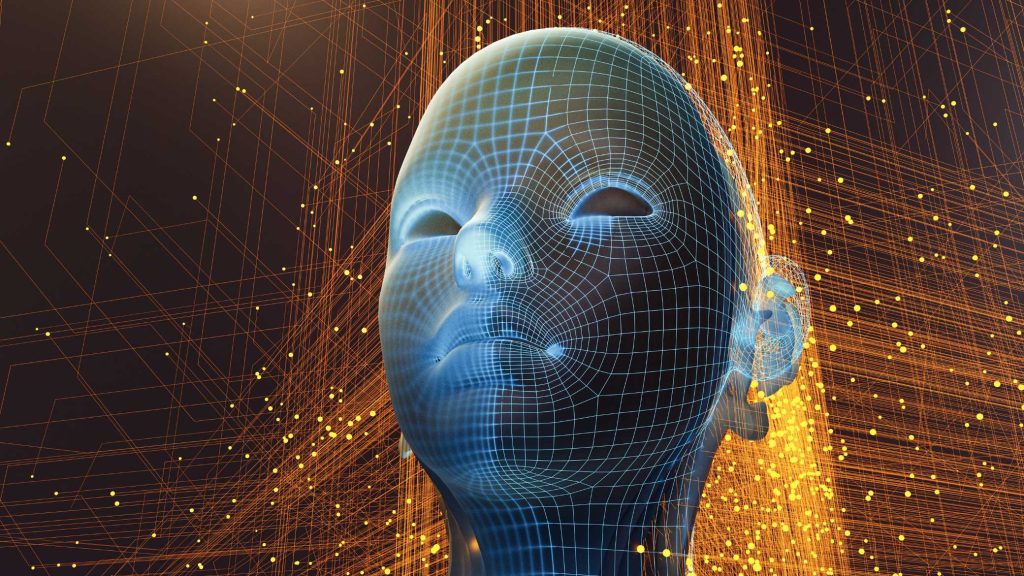
Artificial Intelligence in digital marketing refers to the use of machine learning, predictive analytics, natural language processing, automation systems, and intelligent algorithms to improve marketing performance and customer experiences.
Also Read : Personal Branding for Entrepreneurs : Comprehensive Guide 2026
AI systems analyze massive amounts of data in real time and help businesses make smarter marketing decisions faster than human teams alone. Modern AI marketing systems can:
- Analyze customer behavior
- Predict future trends
- Personalize customer experiences
- Automate repetitive tasks
- Optimize advertising performance
- Improve customer segmentation
- Generate content ideas
- Enhance customer engagement
- Improve conversion rates
AI is fundamentally transforming how businesses communicate with audiences online. Instead of mass marketing strategies targeting broad audiences, AI enables businesses to create highly personalized experiences tailored to individual users.
The transition from traditional marketing to AI-powered marketing is one of the biggest technological shifts in the history of digital business.
Why AI is Dominating Digital Marketing in 2026
Several major factors are driving the rapid adoption of AI in digital marketing.
Explosion of Consumer Data
Modern consumers generate enormous amounts of behavioral data every day. Businesses now need intelligent systems capable of processing and interpreting this information quickly.
AI helps marketers identify:
- Customer preferences
- Purchase patterns
- Engagement behavior
- Search intent
- Retention opportunities
Traditional manual analysis methods can no longer handle the scale of modern digital ecosystems effectively.
Need for Hyper-Personalization
Consumers now expect personalized experiences across every digital interaction.
Modern audiences prefer:
- Personalized recommendations
- Relevant offers
- Customized content
- Tailored communication
- Predictive experiences
AI enables businesses to deliver individualized marketing experiences at scale. Hyper-personalization has become one of the biggest digital marketing trends of 2026.
Marketing Automation Growth
AI-driven automation is helping businesses reduce manual workloads while improving operational efficiency.
AI systems now automate:
- Email sequences
- Customer segmentation
- Ad optimization
- Content scheduling
- Chat support
- Predictive targeting
Automation allows marketing teams to focus more on strategy, creativity, and customer relationships.
Rising Competition in Digital Markets
Online competition continues increasing across every niche. Businesses need faster optimization systems to remain competitive.
AI provides:
- Real-time campaign optimization
- Faster audience analysis
- Automated testing systems
- Predictive insights
- Better customer targeting
Businesses using AI are often able to scale faster while reducing operational costs.
AI-Powered Personalization
Personalization has become the core of digital marketing success in 2026.
AI now allows businesses to market to what experts describe as a “segment of one,” meaning every user receives unique and personalized experiences based on their behavior, interests, and engagement history.
AI personalization systems analyze:
- Browsing behavior
- Purchase history
- Device usage
- Interaction patterns
- Search behavior
- Engagement timing
These systems help businesses deliver:
- Personalized recommendations
- Dynamic landing pages
- Customized email campaigns
- Intelligent product suggestions
- Predictive offers
Hyper-personalization significantly improves:
- Conversion rates
- Customer retention
- User engagement
- Brand loyalty
- Customer satisfaction
Modern consumers increasingly expect businesses to understand their preferences automatically.
Predictive Marketing and AI

Predictive marketing is becoming one of the most powerful AI applications in digital marketing.
Predictive AI systems analyze historical and real-time data to forecast future customer actions.
These systems help marketers predict:
- Purchase intent
- Customer churn
- Engagement probability
- Product demand
- Conversion likelihood
Predictive marketing allows businesses to move from reactive strategies to proactive marketing systems. Instead of waiting for customers to act, AI helps marketers anticipate behavior and engage users before opportunities disappear.
Predictive systems improve:
- Advertising efficiency
- Customer retention
- Lead scoring
- Sales forecasting
- Budget optimization
The future of marketing increasingly depends on anticipating customer needs before customers explicitly express them.
AI and Content Creation
Content marketing remains a major pillar of digital marketing, but AI is dramatically changing how content is produced and optimized.
AI-powered content systems now assist with:
- Blog writing
- SEO optimization
- Headline generation
- Content ideation
- Copywriting
- Content repurposing
- Language localization
Generative AI tools allow businesses to create content faster and at larger scale than traditional workflows.
However, the future of AI content marketing is not purely about automation. Human creativity, storytelling, emotional intelligence, and authenticity remain essential. Many experts now warn against low-quality “AI slop” content that lacks originality and emotional connection.
Successful businesses in 2026 combine:
- AI-powered efficiency
- Human creativity
- Authentic storytelling
- Strategic content planning
AI works best as a collaborative assistant rather than a complete replacement for human marketers.
AI and Search Engine Optimization
SEO is evolving rapidly because of AI-powered search experiences.
Search engines now understand:
- User intent
- Semantic relevance
- Contextual meaning
- Conversational language
- Topical authority
AI is transforming SEO through:
- Automated keyword research
- Search intent analysis
- Content optimization
- Predictive ranking insights
- AI-driven search experiences
The rise of Generative Engine Optimization is changing how websites optimize for AI-generated search summaries and conversational search systems.
Future SEO strategies will focus heavily on:
- Conversational content
- Topical authority
- Structured information
- Semantic optimization
- User-focused experiences
Businesses that optimize content for AI-driven search systems will gain stronger organic visibility in the future.
Conversational AI and Customer Engagement
Conversational AI is transforming customer communication in digital marketing.
AI-powered conversational systems include:
- Intelligent chatbots
- Virtual assistants
- Voice interactions
- Automated customer support
Modern conversational AI systems are capable of:
- Understanding natural language
- Providing personalized responses
- Recommending products
- Solving customer problems
- Generating leads
Conversational AI improves customer experiences by providing instant support and personalized interactions 24 hours a day.
Businesses using conversational AI often experience:
- Faster response times
- Higher customer satisfaction
- Increased engagement
- Better lead conversion
AI-Driven Advertising
AI is revolutionizing digital advertising by improving targeting accuracy and campaign optimization.
AI advertising systems analyze:
- Customer behavior
- Conversion patterns
- Engagement signals
- Real-time campaign data
AI helps marketers:
- Optimize bids automatically
- Predict campaign performance
- Improve audience targeting
- Generate dynamic creatives
- Reduce advertising waste
AI-powered advertising systems significantly improve marketing efficiency and return on investment.
Dynamic creative optimization is also becoming increasingly popular. AI automatically adjusts visuals, messaging, and offers based on user behavior and audience segments.
AI Marketing Automation
Marketing automation is evolving from rule-based systems into intelligent autonomous ecosystems.
AI-powered automation now manages:
- Customer journeys
- Email personalization
- Lead nurturing
- Campaign optimization
- Customer segmentation
- Retargeting systems
Experts predict that AI will become every marketer’s “copilot” in the near future.
Autonomous AI agents are expected to handle increasing portions of marketing execution, including campaign management, optimization, and personalization.
This evolution allows businesses to scale operations faster while improving customer experiences.
AI and Data Analytics
Data-driven marketing is becoming smarter because of AI analytics systems.
AI-powered analytics help marketers:
- Identify hidden trends
- Forecast customer behavior
- Optimize campaigns faster
- Measure customer lifetime value
- Improve attribution models
AI systems process data at scales impossible for human teams alone.
Future digital marketing strategies will increasingly rely on predictive analytics and intelligent decision-making systems.
Voice Search and AI
Voice-based interactions continue growing globally.
AI-powered voice systems are changing how users search for information and products online.
Voice search optimization now requires:
- Conversational keywords
- Natural language content
- Question-based optimization
- Structured data implementation
Businesses must adapt their SEO and content strategies for voice-friendly experiences.
AI and Customer Experience
Customer experience is becoming one of the biggest competitive advantages in digital marketing.
AI improves customer experiences through:
- Personalization
- Faster support
- Predictive recommendations
- Intelligent automation
- Behavioral analysis
AI systems help businesses create seamless customer journeys across multiple touchpoints.
The future of digital marketing will focus heavily on intelligent customer experiences rather than traditional advertising alone.
Ethical Challenges of AI in Marketing
Despite its benefits, AI also introduces major ethical concerns.
Important challenges include:
- Data privacy
- Transparency
- Algorithm bias
- Consumer trust
- Content authenticity
Consumers increasingly care about how businesses use their personal data.
Privacy-focused personalization is becoming a major trend in 2026. Businesses must balance personalization with ethical data practices and transparency.
Responsible AI governance will become essential for long-term brand trust.
Human Creativity vs AI Automation
One of the biggest debates in digital marketing is whether AI will replace human marketers.
The reality is more complex.
AI excels at:
- Data analysis
- Automation
- Prediction
- Optimization
- Scaling repetitive tasks
Humans remain superior in:
- Creativity
- Emotional storytelling
- Brand strategy
- Cultural understanding
- Ethical judgment
The future of digital marketing will likely involve human-AI collaboration rather than full automation.
Businesses that combine AI efficiency with human creativity will achieve the best results.
Future AI Marketing Trends for 2026 and Beyond
Several emerging trends are shaping the future of AI in digital marketing.
Agentic AI
Agentic AI systems are capable of autonomous decision-making and long-term task execution. These systems will increasingly manage complex marketing operations independently.
Predictive Personalization
AI systems will become more proactive in predicting customer needs before users take action.
AI-Powered Commerce
AI-driven shopping experiences, predictive recommendations, and autonomous purchasing systems will reshape ecommerce marketing.
AI Search Ecosystems
Search experiences will become increasingly conversational and AI-generated.
Intelligent Content Systems
AI-assisted content creation will become more advanced while human creativity remains central to quality and authenticity.
Unified Data Ecosystems
Businesses will rely heavily on unified customer data systems to power intelligent personalization.
Common Mistakes Businesses Make with AI Marketing
Many businesses struggle with AI implementation because of unrealistic expectations or poor strategies.
Common mistakes include:
- Over-automation
- Ignoring human creativity
- Low-quality AI-generated content
- Weak data management
- Lack of personalization strategy
- Poor customer trust practices
AI should enhance marketing strategies rather than replace genuine customer relationships.
The Future of Digital Marketing Careers
AI is also transforming marketing careers.
Future marketers will need skills in:
- AI strategy
- Data interpretation
- Predictive analytics
- Automation systems
- Human-centered storytelling
- Ethical AI practices
Marketing professionals who understand AI systems will gain major advantages in the future job market.
Future of AI in Digital Marketing – Conclusion

The future of AI in digital marketing is rapidly evolving into a world driven by intelligent automation, predictive analytics, hyper-personalization, and human-AI collaboration. Artificial Intelligence is no longer simply a technological trend; it has become the foundation of modern digital business strategies across industries worldwide.
Buy Now : Launch Your Online Clothing Business : From Start to Success
In 2026, businesses using AI effectively are improving customer experiences, increasing operational efficiency, scaling personalization, optimizing campaigns faster, and generating stronger business growth than traditional marketing systems alone. AI is transforming every aspect of digital marketing including SEO, content creation, automation, advertising, customer engagement, analytics, and predictive marketing.
However, the future of digital marketing will not belong to AI alone. The most successful businesses will be those that combine intelligent automation with authentic human creativity, emotional storytelling, ethical marketing practices, and customer trust. Consumers still value genuine human experiences, transparency, and emotional connection.
As AI technology continues advancing, digital marketing will become more intelligent, predictive, conversational, and personalized than ever before. Businesses that adapt early, invest in responsible AI systems, and prioritize customer-focused innovation will dominate the future digital economy. The future of AI in digital marketing is not just about automation; it is about creating smarter, faster, and more meaningful relationships between
keywords : Future of AI in Digital Marketing – Future of AI in Digital Marketing 2026