Future of Digital Marketing : Comprehensive Guide 2026
Future of Digital Marketing : Digital marketing has evolved from a supplementary promotional channel into the backbone of modern business growth. In 2026, businesses of all sizes—from startups and small local enterprises to multinational corporations—depend heavily on digital marketing to attract customers, generate leads, increase sales, build brand awareness, and establish long-term relationships with their audiences. As technology continues advancing at an unprecedented pace, the future of digital marketing is becoming increasingly intelligent, personalized, automated, and customer-centric.
Over the last decade, the digital marketing landscape has undergone significant transformation. Traditional methods such as mass advertising, generic email campaigns, and broad audience targeting are gradually being replaced by highly sophisticated marketing strategies powered by Artificial Intelligence, predictive analytics, machine learning, automation, and real-time customer insights. Consumers today expect brands to understand their needs, anticipate their preferences, and deliver personalized experiences across multiple digital touchpoints.
The rise of ecommerce, mobile commerce, social commerce, voice search, online communities, and creator-driven ecosystems has fundamentally changed how businesses interact with customers. Consumers no longer rely solely on advertisements to make purchasing decisions. Instead, they conduct extensive online research, seek recommendations, consume educational content, engage with communities, and evaluate brands based on their digital presence and customer experience.
In 2026, successful digital marketing is not simply about promoting products or services. It is about creating meaningful experiences, building trust, delivering value, and leveraging technology to engage audiences in highly relevant ways. Artificial Intelligence is helping marketers automate repetitive tasks, optimize campaigns, personalize content, and gain deeper insights into customer behavior. At the same time, growing concerns around data privacy, transparency, and ethical marketing are influencing how businesses collect and use customer information.
Also Read : CMOs in Digital Marketing
The future of digital marketing presents both exciting opportunities and significant challenges. Businesses that embrace innovation, adapt to emerging technologies, and prioritize customer experience will be better positioned to thrive in an increasingly competitive digital economy. This comprehensive guide explores the major trends, technologies, strategies, and innovations shaping the future of digital marketing in 2026 and beyond.
Why Digital Marketing Continues to Evolve
The rapid evolution of digital marketing is driven by several interconnected factors. Technological innovation, changing consumer expectations, increased internet accessibility, and the expansion of digital commerce are all contributing to the transformation of marketing strategies.
Modern consumers spend a significant portion of their lives online. They interact with brands through websites, mobile applications, email, social platforms, online communities, and digital marketplaces. This creates vast amounts of customer data that businesses can analyze to improve marketing effectiveness.
Several key factors driving digital marketing evolution include:
- Artificial Intelligence advancements
- Mobile-first consumer behavior
- Growth of ecommerce
- Increased demand for personalization
- Expansion of social commerce
- Voice search adoption
- Data-driven decision making
- Marketing automation technologies
These developments are creating a more dynamic and customer-focused marketing environment.
Artificial Intelligence: The Foundation of Future Digital Marketing
Artificial Intelligence is arguably the most influential technology shaping digital marketing in 2026. AI is revolutionizing how businesses understand customers, create content, manage campaigns, and optimize performance.
AI-powered systems can analyze massive datasets in seconds, uncover hidden patterns, predict future behavior, and automate complex marketing processes. This enables marketers to make smarter decisions while reducing manual effort.
How AI Is Transforming Marketing
Artificial Intelligence is helping businesses:
- Personalize customer experiences
- Automate repetitive tasks
- Generate content
- Predict customer behavior
- Optimize advertising campaigns
- Improve customer support
- Analyze market trends
Instead of relying on assumptions, marketers can now use AI-generated insights to guide strategy and improve results.
Benefits of AI-Powered Marketing
The advantages of AI marketing include:
- Improved efficiency
- Better targeting
- Higher conversion rates
- Enhanced personalization
- Reduced marketing costs
- Faster decision-making
As AI technologies continue improving, their role in digital marketing will become even more significant.
Hyper-Personalization Will Dominate Customer Experiences
Personalization has become a core expectation among consumers. In 2026, basic personalization techniques such as including a customer’s name in an email are no longer sufficient.
Hyper-personalization uses Artificial Intelligence, behavioral analytics, and real-time data to deliver highly customized experiences tailored to individual users.
Examples of Hyper-Personalization
Businesses can personalize:
- Product recommendations
- Website content
- Email campaigns
- Advertising messages
- Customer support interactions
- Promotional offers
By understanding customer preferences and behavior, businesses can create experiences that feel uniquely relevant.
Why Personalization Matters
Consumers are more likely to engage with brands that understand their needs.
Hyper-personalization helps:
- Increase engagement
- Improve customer satisfaction
- Boost conversion rates
- Strengthen customer loyalty
In the future, personalized experiences will become a standard expectation rather than a competitive advantage.
The Future of Search Engine Optimization (SEO)

Search Engine Optimization remains one of the most valuable digital marketing channels. However, SEO is evolving rapidly as search engines become more intelligent.
Modern search engines increasingly focus on understanding user intent rather than simply matching keywords.
Key SEO Trends in 2026
The future of SEO includes:
- AI-powered search algorithms
- Voice search optimization
- Semantic search
- User experience signals
- Topical authority
- Search intent optimization
Businesses must focus on creating valuable, relevant, and trustworthy content that genuinely helps users.
Topical Authority Becomes Essential
Instead of targeting isolated keywords, brands must establish authority around entire subject areas.
This involves:
- Publishing comprehensive content
- Covering related topics extensively
- Demonstrating expertise
- Providing consistent value
Search engines increasingly reward authoritative sources.
Voice Search and Conversational Marketing
Voice-enabled devices continue gaining popularity worldwide.
Consumers now use voice assistants to:
- Search for information
- Discover products
- Compare services
- Make purchasing decisions
Optimizing for Voice Search
Voice searches tend to be more conversational than text searches.
Businesses should focus on:
- Natural language content
- Question-based keywords
- Conversational phrases
- Direct answers
Voice search optimization will become increasingly important as voice technology adoption grows.
Content Marketing in the Future
Content marketing remains one of the most powerful digital marketing strategies. However, the nature of content is changing.
Consumers increasingly seek:
- Educational content
- Authentic insights
- Expert advice
- Interactive experiences
Low-quality content created solely for search rankings is becoming less effective.
Future Content Marketing Trends
Key trends include:
- AI-assisted content creation
- Interactive content
- Educational resources
- Long-form authority content
- Community-generated content
- Multimedia experiences
Brands that consistently provide value through content will continue building trust and authority.
Video Marketing Will Continue to Expand

Video remains one of the most engaging forms of digital content.
Consumers increasingly prefer video because it is:
- Easy to consume
- Highly engaging
- Informative
- Entertaining
Types of Video Content Growing in 2026
Popular formats include:
- Short-form videos
- Educational tutorials
- Product demonstrations
- Live streaming
- Customer testimonials
- Behind-the-scenes content
Video marketing helps brands communicate more effectively and build stronger emotional connections with audiences.
Social Media Marketing Transformation
Social media platforms continue evolving beyond simple networking tools.
They are becoming:
- Discovery platforms
- Commerce platforms
- Community hubs
- Content ecosystems
The Rise of Community-Based Marketing
Brands increasingly focus on building communities rather than simply accumulating followers.
Benefits include:
- Higher engagement
- Increased loyalty
- Better customer retention
- Stronger brand advocacy
Communities create deeper relationships between businesses and customers.
Social Commerce Growth
Consumers are increasingly purchasing products directly through social platforms.
Social commerce combines:
- Product discovery
- Content consumption
- Purchasing convenience
This trend is expected to grow significantly throughout 2026 and beyond.
Creator Economy and Influencer Marketing
The creator economy is reshaping digital marketing.
Consumers often trust creators more than traditional advertisements because creators build authentic relationships with their audiences.
Future Influencer Marketing Trends
Businesses are increasingly partnering with:
- Niche creators
- Industry experts
- Community leaders
- Micro-influencers
Authenticity is becoming more important than audience size.
Brands that collaborate with relevant creators often achieve stronger engagement and better conversion rates.
Marketing Automation Will Become More Intelligent
Marketing automation is evolving rapidly.
Future automation systems will not simply follow predefined rules—they will make intelligent decisions based on real-time data.
Areas of Automation Growth
Automation is expanding across:
- Email marketing
- Lead nurturing
- Customer segmentation
- Campaign optimization
- Customer support
Intelligent automation allows businesses to scale marketing operations while maintaining personalization.
Data Analytics and Predictive Marketing
Data has become one of the most valuable assets in digital marketing.
Businesses collect information from:
- Websites
- Social media
- Ecommerce platforms
- Email campaigns
- Customer interactions
Predictive Analytics
Predictive marketing uses AI and historical data to forecast future behavior.
Businesses can predict:
- Purchase likelihood
- Customer churn
- Product demand
- Campaign performance
Predictive insights allow marketers to take proactive actions rather than reacting after events occur.
Customer Experience as a Competitive Advantage
Customer experience is becoming one of the most important differentiators in digital marketing.
Consumers increasingly choose brands based on:
- Convenience
- Personalization
- Service quality
- Trustworthiness
Elements of Exceptional Customer Experience
Businesses should focus on:
- Seamless navigation
- Fast-loading websites
- Personalized interactions
- Responsive support
- Consistent communication
Brands that prioritize customer experience often achieve stronger loyalty and retention.
Privacy and Ethical Marketing
As data collection becomes more sophisticated, privacy concerns continue growing.
Consumers are becoming more aware of how their data is collected and used.
The Future of Privacy-Focused Marketing
Businesses must prioritize:
- Transparency
- Consent
- Data security
- Ethical practices
Trust will become increasingly important in the future marketing landscape.
Companies that respect privacy while delivering value will build stronger customer relationships.
Ecommerce and Digital Marketing Integration
Ecommerce continues expanding globally, making digital marketing even more critical.
Future ecommerce marketing will focus on:
- AI-powered recommendations
- Personalized shopping experiences
- Predictive analytics
- Conversational commerce
Emerging Ecommerce Marketing Trends
Businesses will increasingly use:
- Visual search
- Voice commerce
- AI customer support
- Dynamic pricing
These innovations improve both customer experiences and sales performance.
Emerging Technologies Shaping Digital Marketing
Several emerging technologies are expected to influence marketing strategies in the coming years.
Artificial Intelligence
AI will continue transforming:
- Content creation
- Advertising
- Personalization
- Analytics
Augmented Reality
AR enables customers to visualize products before purchasing.
Applications include:
- Virtual product trials
- Interactive shopping experiences
- Product demonstrations
Machine Learning
Machine learning improves:
- Predictive analytics
- Customer segmentation
- Campaign optimization
These technologies are creating more intelligent and efficient marketing systems.
Skills Digital Marketers Need in 2026
As digital marketing evolves, professionals must develop new skills.
Important competencies include:
- AI literacy
- Data analysis
- Content strategy
- Customer experience design
- Automation management
- SEO expertise
Marketers who combine creativity with technical knowledge will remain highly valuable.
Continuous learning is becoming essential.
Challenges Facing Digital Marketers
Despite numerous opportunities, digital marketers face several challenges.
These include:
- Increasing competition
- Rapid technological change
- Privacy regulations
- Consumer skepticism
- Content saturation
Businesses must remain adaptable and customer-focused to overcome these challenges.
Preparing for the Future of Digital Marketing
Organizations that want to succeed should begin preparing now.
Important steps include:
- Investing in AI technologies
- Building first-party data strategies
- Strengthening customer relationships
- Prioritizing content quality
- Improving customer experiences
- Developing community-focused marketing
The future belongs to businesses that embrace innovation while maintaining authenticity.
Future of Digital Marketing – Conclusion
The future of digital marketing in 2026 is defined by intelligence, personalization, automation, and customer-centricity. Artificial Intelligence is transforming every aspect of marketing, from content creation and campaign optimization to customer service and predictive analytics. At the same time, consumers are demanding more relevant experiences, greater transparency, and stronger relationships with the brands they choose to support.
Buy Now : Ready Made Digital Store with 100 Products
Search engines are becoming smarter, social media is evolving into commerce-driven ecosystems, communities are becoming powerful business assets, and data-driven decision-making is reshaping marketing strategies. Businesses can no longer rely on outdated tactics or generic messaging. Success requires continuous adaptation, technological innovation, and a deep understanding of customer needs.
The most successful brands in 2026 will be those that embrace emerging technologies while remaining committed to authenticity, trust, and value creation. They will leverage AI to enhance efficiency, use personalization to strengthen customer relationships, and build communities that foster long-term loyalty. They will prioritize customer experience, respect privacy, and focus on delivering meaningful interactions across every digital touchpoint.
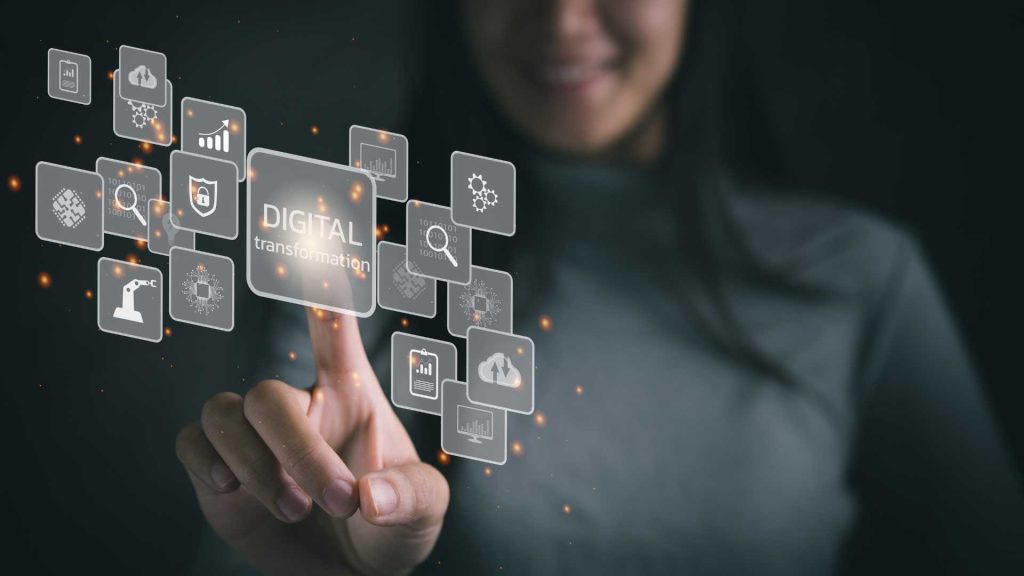
As digital transformation continues accelerating, digital marketing will remain one of the most important drivers of business growth worldwide. Companies that prepare for the future today will be better positioned to attract customers, build stronger brands, increase revenue, and achieve sustainable success in the evolving digital economy. The future of digital marketing is not just about technology—it is about using technology to create better experiences, deeper connections, and lasting value for customers in an increasingly connected world.
Keywords : Future of Digital Marketing – Future of Digital Marketing 2026