Keyword Research Guide : A Comprehensive Guide 2026
Keyword Research Guide : Keyword research is the foundation of every successful Search Engine Optimization (SEO) strategy. Whether you run a blog, ecommerce website, affiliate marketing business, SaaS company, local business, startup, or digital marketing agency, your success in search engines depends heavily on understanding what your target audience is searching for online.
In 2026, keyword research is no longer simply about finding high-volume search terms. Search engines have evolved significantly through Artificial Intelligence (AI), Natural Language Processing (NLP), machine learning, and user-intent analysis. Modern SEO professionals must understand not only what users are searching for but also why they are searching, how they search, and what type of content best satisfies their needs.
G’s search algorithms now focus heavily on user intent, content quality, topical authority, experience, expertise, trustworthiness, and relevance. As a result, businesses that conduct comprehensive keyword research gain a significant competitive advantage by creating content that aligns perfectly with search demand.
Effective keyword research helps businesses:
- Increase organic traffic
- Improve search rankings
- Generate qualified leads
- Enhance content marketing strategies
- Improve conversion rates
- Build topical authority
- Strengthen brand visibility
- Grow online revenue
Without keyword research, content creation becomes guesswork. Businesses may invest significant time and resources into creating content that nobody searches for or content that fails to match user intent.
This comprehensive guide explores everything you need to know about keyword research in 2026, including search intent analysis, keyword types, competitor research, keyword clustering, AI-powered SEO strategies, content planning, advanced optimization techniques, and future keyword research trends.
What Is Keyword Research?

Keyword research is the process of identifying, analyzing, and selecting search terms that people use when searching online.
These search terms provide valuable insights into:
- Customer interests
- Consumer behavior
- Market demand
- Industry trends
- Purchase intent
- Content opportunities
Keyword research helps marketers understand the language their audience uses when looking for information, products, services, or solutions.
Also Read : Mobile SEO : A Comprehensive Guide 2026
Buy Now :
When businesses target the right keywords, they improve their chances of appearing in front of highly qualified audiences at the exact moment users are searching.
Keyword research is not simply about traffic generation. It is about attracting the right audience that is most likely to engage, convert, and become loyal customers.
Why Keyword Research Is Important for SEO
Improves Search Visibility
Search engines rely on keywords to understand website content.
Targeting relevant keywords helps search engines match content with user searches.
Better alignment often leads to higher rankings and increased visibility.
Drives Qualified Organic Traffic
Not all website traffic is valuable.
Keyword research helps attract users who are actively searching for products, services, or information related to your business.
Qualified traffic generally produces better engagement and higher conversion rates.
Supports Content Marketing
Keyword research provides a roadmap for content creation.
Businesses can create:
- Blog articles
- Product pages
- Landing pages
- Guides
- Tutorials
- Videos
based on actual search demand.
Enhances Conversion Opportunities
When users find content that matches their intent, they are more likely to take action.
Effective keyword targeting improves:
- Lead generation
- Email subscriptions
- Product purchases
- Service inquiries
Builds Topical Authority
Keyword research helps businesses cover topics comprehensively.
Search engines increasingly reward websites that demonstrate expertise across entire subject areas.
Also Read : Ecommerce SEO Best Practices : Comprehensive Guide 2026
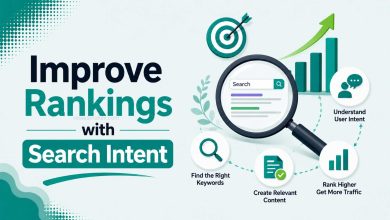
Understanding Search Intent
Search intent has become one of the most important ranking factors in modern SEO.
Search engines aim to deliver results that satisfy user intent rather than simply matching keywords.
Understanding intent helps businesses create more relevant content.
Informational Search Intent
Users seek knowledge, answers, or educational content.
Examples:
- What is keyword research?
- How does SEO work?
- Benefits of email marketing
Informational keywords are excellent for:
- Blog posts
- Tutorials
- Educational content
- Industry guides
These keywords often attract top-of-funnel audiences.
Navigational Search Intent
Users want to find a specific website or brand.
Examples:
- FB login
- YT Studio
- Canva Pro
These searches often involve branded keywords.
Commercial Investigation Intent
Users are researching products before making purchasing decisions.
Examples:
- Best SEO tools
- Top CRM software
- Best laptops for business
Commercial keywords are highly valuable because they target users close to purchasing.
Transactional Search Intent
Users are ready to take action.
Examples:
- Buy SEO software
- Order web hosting
- Purchase online course
These keywords often generate the highest conversion rates.
Different Types of Keywords
A successful SEO strategy targets multiple keyword categories.
Short-Tail Keywords
Short-tail keywords usually contain one or two words.
Examples:
- SEO
- Marketing
- Blogging
Advantages
- High search volume
- Broad visibility
Challenges
- Extremely competitive
- Lower conversion rates
Most new websites struggle to rank for short-tail keywords.
Long-Tail Keywords
Long-tail keywords contain three or more words.
Examples:
- Best SEO tools for beginners
- How to improve website rankings
- Local SEO services for small businesses
Advantages
- Lower competition
- Higher conversion rates
- Better search intent matching
Long-tail keywords remain one of the best opportunities for growing websites.
Branded Keywords
Branded keywords include company names, products, or services.
Examples:
- Ahrefs keyword tool
- Shopify ecommerce platform
- Canva design software
Branded searches often indicate strong purchase intent.
Local Keywords
Local keywords target specific locations.
Examples:
- SEO agency in Kerala
- Best restaurant in Kochi
- Digital marketing company near me
Local SEO relies heavily on geographic keyword targeting.
How to Discover Profitable Keywords

Keyword discovery is the foundation of SEO success.
G Autocomplete
G’s autocomplete suggestions reveal real search behavior.
Simply typing a topic into G provides numerous keyword ideas.
These suggestions come directly from user searches.
People Also Ask
G’s “People Also Ask” section reveals common questions users have.
These questions often make excellent:
- Blog headings
- FAQ content
- Featured snippet opportunities
Related Searches
G displays related searches at the bottom of search results.
These terms often reveal additional content opportunities.
Competitor Analysis
Competitor research remains one of the most powerful keyword discovery techniques.
Businesses can identify:
- High-performing keywords
- Traffic opportunities
- Content gaps
- Ranking strategies
Studying competitors helps uncover proven SEO opportunities.
Customer Research
Customers frequently reveal keyword opportunities through:
- Support tickets
- Emails
- Reviews
- Social media comments
- Community discussions
Listening to customers often uncovers highly valuable search phrases.
Buy Now : AIOSEO – All in One SEO Plugin For WordPress
Keyword Research Metrics Explained
Not every keyword is worth targeting.
Several important metrics help evaluate opportunities.
Search Volume
Search volume measures how often a keyword is searched monthly.
Higher search volume generally indicates stronger demand.
However, volume alone should never determine keyword selection.
Keyword Difficulty
Keyword difficulty estimates ranking competition.
Lower difficulty keywords are often better opportunities for newer websites.
Cost Per Click (CPC)
CPC indicates advertiser demand.
Higher CPC often signals stronger commercial value.
Click Potential
Some keywords generate fewer clicks despite high search volume.
Always evaluate actual traffic potential.
Business Relevance
A keyword should align with your products, services, and audience.
Traffic without relevance rarely produces results.
Competitor Keyword Research Strategy
Competitor analysis helps identify successful SEO opportunities.
Analyze Top Competitors
Study websites ranking for target keywords.
Examine:
- Content structure
- Heading usage
- Internal linking
- Keyword placement
This reveals optimization patterns.
Find Content Gaps
Content gaps represent topics competitors cover but your website does not.
Closing these gaps often generates significant traffic opportunities.
Identify Ranking Keywords
Competitor research helps uncover keywords already driving traffic within your industry.
This reduces guesswork and improves efficiency.
Keyword Clustering for Topical Authority
Keyword clustering groups related keywords into content themes.
Instead of creating separate pages for every keyword, businesses target multiple related terms within comprehensive content pieces.
Benefits include:
- Improved rankings
- Stronger topical authority
- Better content organization
- Increased traffic potential
G increasingly rewards topic-focused content rather than isolated keyword targeting.
Content Planning Using Keywords
Keyword research should directly influence content strategy.
Blog Content
Target informational keywords.
Examples:
- Tutorials
- Guides
- Industry insights
Product Pages
Target transactional keywords.
Examples:
- Buy CRM software
- Purchase SEO services
Landing Pages
Target commercial keywords.
Examples:
- Best digital marketing agency
- Top ecommerce solutions
Local Pages
Target geographic keywords.
Examples:
- SEO consultant in Kerala
- Website development company in Kochi
AI and Keyword Research in 2026
Artificial Intelligence is transforming SEO.
AI-powered tools help businesses:
- Discover keyword opportunities
- Analyze competitors
- Predict search trends
- Generate content ideas
- Understand user intent
AI improves efficiency and accuracy throughout the keyword research process.
Buy Now : Ready Made Digital Store with 100 Products
Businesses that integrate AI into SEO workflows often gain competitive advantages.
Common Keyword Research Mistakes
Avoid these common mistakes:
Targeting only high-volume keywords
High volume often means high competition.
Ignoring search intent
Intent mismatch reduces rankings and engagement.
Overlooking long-tail keywords
Long-tail keywords frequently produce higher conversions.
Keyword stuffing
Excessive keyword use harms readability and rankings.
Ignoring competitor research
Competitor analysis provides valuable opportunities.
Creating content without demand
Always validate search interest before investing resources.
Future of Keyword Research
Keyword research continues evolving alongside technology.
Future trends include:
- AI-powered search
- Voice search optimization
- Visual search technology
- Predictive search behavior
- Personalized search experiences
- Semantic SEO strategies
Future SEO will focus increasingly on topics, entities, user intent, and context rather than exact keyword matching.
Businesses that adapt early to these changes will maintain stronger search visibility.
Conclusion

Keyword research remains the foundation of successful SEO in 2026. It helps businesses understand audience behavior, identify profitable opportunities, improve content strategies, increase organic visibility, and generate qualified traffic.
Modern keyword research goes beyond search volume and competition. It involves understanding search intent, customer needs, content opportunities, competitor strategies, and AI-driven search patterns.
Buy Now : Ready Made Digital Store with 100 Products
Businesses that invest in comprehensive keyword research gain stronger rankings, better engagement, increased conversions, and sustainable long-term growth.
As search engines become smarter and more focused on user experience, effective keyword research will remain one of the most valuable skills in digital marketing and search engine optimization.
Disclaimer : The information provided in this article is for educational and informational purposes only. Search engine algorithms, SEO best practices, keyword trends, and ranking factors may change over time. Readers should conduct independent research and testing before implementing SEO strategies. We do not guarantee specific rankings, traffic increases, or business outcomes from the techniques discussed in this guide.
Keywords : keyword Research Guide – keyword Research Guide 2026