Online Course Marketing Strategies : Comprehensive Guide 2026
Online Course Marketing Strategies : The online education industry in 2026 is experiencing explosive growth across almost every niche imaginable. From digital marketing and finance to fitness, AI tools, coding, business coaching, language learning, and personal development, creators and educators worldwide are launching online courses to build authority, generate passive income, and scale digital businesses. However, the increasing popularity of online learning has also created intense competition. Thousands of new online courses are launched every single day, making course marketing more important than course creation itself.
Many course creators spend months building valuable educational content but fail to generate sales because they lack an effective marketing strategy. In 2026, simply uploading a course to a platform is no longer enough. Successful online course businesses now rely on advanced marketing systems that combine content marketing, AI-driven automation, social media branding, SEO, email marketing, community building, influencer partnerships, and conversion optimization.
Modern consumers are also more selective than ever before. Students no longer purchase courses based only on promises or advertisements. They want credibility, social proof, trust, transparency, and real transformation before investing their money. This shift has completely changed how online courses are marketed in 2026.
The most successful course creators today understand one important principle: people do not buy courses, they buy outcomes. Effective online course marketing focuses on communicating transformation, solving real problems, and building emotional trust with the audience.
The Growth of the Online Course Industry

The online learning industry has evolved from a side hustle opportunity into a massive global digital economy. Millions of learners now prefer flexible online education instead of traditional learning systems because online courses provide convenience, affordability, accessibility, and practical skill development.
Several major factors are driving the rapid growth of online courses in 2026:
- Remote work expansion
- AI-driven career changes
- Demand for practical skills
- Creator economy growth
- Mobile learning adoption
- Global internet accessibility
- Rising freelance economy
- Personal branding opportunities
The creator economy has transformed educators into entrepreneurs. Experts, freelancers, consultants, coaches, influencers, and business owners now monetize their expertise through digital education products.
The online course market is also becoming heavily influenced by AI personalization, short-form educational content, community-based learning, and subscription learning ecosystems. Course creators who adapt to these trends are scaling rapidly.
Understanding Online Course Marketing
Online course marketing refers to the process of attracting potential students, building trust, generating leads, nurturing audiences, and converting prospects into paying learners.
Modern course marketing involves multiple interconnected channels including:
- Content marketing
- Search Engine Optimization
- Social media marketing
- Email marketing
- Paid advertising
- Video marketing
- Influencer collaborations
- Webinar funnels
- Community building
- Affiliate marketing
- Personal branding
In 2026, successful course marketing focuses less on aggressive selling and more on relationship building, authority positioning, and educational content marketing.
Building a Strong Personal Brand
Personal branding has become one of the most powerful online course marketing strategies in 2026. Students are more likely to purchase courses from creators they trust and recognize.
Successful course creators position themselves as experts in specific niches by consistently publishing valuable content online.
Strong personal branding includes:
- Consistent social media presence
- Educational content creation
- Storytelling
- Thought leadership
- Community engagement
- Authentic communication
- Case studies and results
People connect emotionally with creators who share real experiences, practical insights, and personal journeys.
Modern audiences prefer authentic creators over polished corporate-style marketing. Trust-driven branding now outperforms traditional promotional tactics across most educational niches.
Content Marketing for Online Courses
Content marketing remains one of the highest-converting strategies for online course businesses. Instead of directly promoting a course, creators attract audiences through free educational content.
This strategy works because free value builds trust before asking for a sale.
Popular content marketing formats include:
- Blog posts
- YT videos
- Insta Reels
- LinkedIn articles
- Podcasts
- Email newsletters
- Free templates
- Mini-guides
- Webinars
Educational content helps creators establish topical authority while improving discoverability through search engines and social platforms.
SEO Strategies for Online Course Marketing
Search Engine Optimization remains a powerful long-term traffic source for online courses. SEO allows creators to attract highly targeted audiences searching for educational solutions.
In 2026, SEO is evolving beyond simple keyword optimization. Search engines now prioritize:
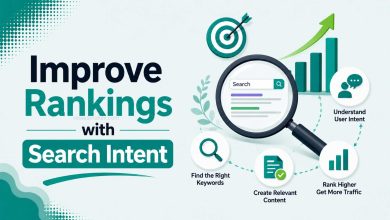
- Search intent
- User experience
- Topical authority
- Semantic relevance
- AI-friendly content structures
- Expertise and trustworthiness
Course creators should target high-intent keywords related to:
- Learning goals
- Career improvement
- Problem-solving
- Skill development
- Certifications
- Tutorials
Examples include:
- Best digital marketing course for beginners
- Learn AI tools online
- SEO training course 2026
- Online business coaching program
Long-form educational content significantly improves organic visibility.
Video Marketing Strategies
Video content dominates online marketing in 2026. Short-form and long-form video strategies are generating massive engagement across educational niches.
Platforms driving online course growth include:
- Socia Media educational clips
Video marketing helps course creators:
- Demonstrate expertise
- Build trust faster
- Increase engagement
- Improve brand recall
- Showcase teaching style
- Humanize their brand
Short-form educational content performs especially well because it quickly delivers value and attracts attention in crowded social feeds.
Email Marketing for Course Sales
Email marketing remains one of the highest ROI marketing channels for online courses. Social media algorithms constantly change, but email lists provide direct access to audiences.
Effective email marketing strategies include:
- Lead magnet funnels
- Educational newsletters
- Automated nurturing sequences
- Course launch campaigns
- Storytelling emails
- Case study emails
- Student success stories
- Webinar reminders
Email marketing allows creators to build deeper relationships with potential students over time.
Successful course creators treat email subscribers like communities instead of sales targets.
Lead Magnet Strategies
Lead magnets are free resources offered in exchange for email subscriptions.
Popular lead magnets include:
- Free ebooks
- Mini-courses
- Templates
- Checklists
- Cheat sheets
- Free webinars
- Toolkits
- AI prompts
- Industry reports
Lead magnets work best when they solve a specific problem quickly.
The goal is to move users from social platforms or search engines into owned marketing channels like email systems.
Webinar Marketing Funnels
Webinars continue to be one of the most effective online course sales strategies.
Live webinars allow creators to:
- Build trust rapidly
- Demonstrate expertise
- Answer objections
- Showcase transformations
- Increase emotional connection
Successful webinar structures often include:
- Problem identification
- Educational value
- Framework explanation
- Case studies
- Student success stories
- Course introduction
- Limited-time offers
Interactive webinars typically convert significantly higher than static sales pages.
Social Media Marketing Strategies
Social media remains essential for audience growth and brand visibility.
In 2026, successful social media course marketing focuses on:
- Educational micro-content
- Authentic storytelling
- Personal branding
- Community interaction
- Consistent posting
- Short-form video
- Value-first content
Each platform serves different audience behaviors.
Insta Marketing
Insta works well for:
- Reels
- Educational carousels
- Personal branding
- Community building
- Behind-the-scenes content
LinkedIn Marketing
LinkedIn is powerful for:
- Professional education
- B2B courses
- Business coaching
- Career development
- Thought leadership
YT Marketing
YT remains one of the best long-term platforms for online course growth because educational content has evergreen discoverability.
Community Building Strategies
Community-based learning is becoming one of the strongest online education trends in 2026.
Students increasingly value:
- Networking opportunities
- Accountability
- Peer support
- Interactive learning
- Group discussions
Also Read : How AI Is Changing Ecommerce ?
Successful course creators build communities through:
- Discord servers
- FB groups
- Slack communities
- Private memberships
Strong communities increase:
- Student retention
- Engagement
- Course completion rates
- Referral sales
- Brand loyalty
Communities also create valuable user-generated content and testimonials.
Influencer Marketing for Online Courses
Influencer marketing is evolving rapidly in 2026. Instead of one-time sponsored promotions, long-term creator collaborations now generate stronger results.
Course creators can partner with:
- Industry influencers
- LinkedIn creators
- Micro influencers
- Educational content creators
Influencer collaborations help course creators access highly targeted audiences quickly.
Authentic collaborations generally outperform aggressive affiliate-style promotions.
Affiliate Marketing Systems
Affiliate marketing allows creators to scale course sales through partnerships.
Affiliates promote courses in exchange for commissions.
Benefits include:
- Low upfront marketing cost
- Scalable audience reach
- Performance-based promotion
- Community-driven growth
Many successful online course businesses generate significant revenue through affiliate networks.
However, creators should carefully select affiliates aligned with their niche and audience quality.
Paid Advertising Strategies
Paid advertising can accelerate course growth when combined with strong funnels.
Popular platforms include:
- Social Media Ads
Paid ads work best when driving traffic to:
- Lead magnets
- Webinars
- Free workshops
- Free mini-courses
Cold audiences rarely convert directly into expensive course purchases without nurturing systems.
AI in Online Course Marketing
Artificial intelligence is reshaping digital marketing rapidly.
AI tools now help course creators with:
- Content generation
- Email automation
- Ad optimization
- Audience segmentation
- Predictive analytics
- Personalized recommendations
- Chatbot support
- Funnel optimization
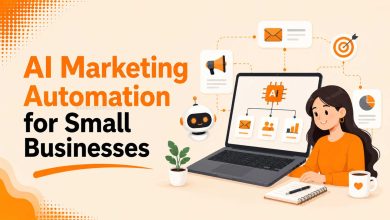
AI-powered marketing systems allow creators to scale operations faster while improving personalization.
However, authentic human communication still remains critical for trust and emotional connection.
Sales Funnel Optimization
Modern course businesses rely heavily on marketing funnels.
A typical online course funnel includes:
- Traffic source
- Lead magnet
- Email nurturing
- Webinar or sales page
- Course offer
- Upsell systems
- Community retention
Optimized funnels increase conversion rates significantly.
Important funnel elements include:
- Clear messaging
- Strong CTAs
- Social proof
- Student testimonials
- Transformation-focused copywriting
- Simplified checkout systems
The Importance of Social Proof
Social proof heavily influences online course purchasing decisions.
Students want evidence that a course delivers results.
Powerful social proof includes:
- Testimonials
- Case studies
- Student success stories
- Video reviews
- Before-and-after transformations
- Ratings and reviews
Authentic student experiences increase trust dramatically.
Pricing Strategies for Online Courses
Pricing psychology plays a major role in course marketing success.
Common pricing models include:
- One-time payments
- Subscription memberships
- Tiered pricing
- Cohort-based pricing
- High-ticket coaching models
Pricing should reflect:
- Transformation value
- Audience positioning
- Market demand
- Competitor analysis
- Content depth
Premium pricing often increases perceived value when combined with strong branding and authority.
Retargeting Strategies
Most users do not purchase immediately after first interaction.
Retargeting campaigns help re-engage potential students.
Effective retargeting includes:
- Website visitor ads
- Webinar reminder campaigns
- Abandoned checkout emails
- Video viewer retargeting
- Lead nurturing sequences
Retargeting significantly improves conversion rates.
Course Launch Strategies
Course launches remain powerful revenue drivers.
Successful launch strategies include :
- Pre-launch content
- Audience warming
- Waitlists
- Countdown campaigns
- Live events
- Email sequences
- Social proof campaigns
Scarcity and urgency still influence purchasing behavior when used ethically.
Evergreen Marketing Systems

Many course creators now prefer evergreen funnels instead of live launches.
Evergreen systems operate continuously through automation.
Benefits include:
- Predictable revenue
- Scalable operations
- Reduced launch stress
- Continuous lead generation
Evergreen marketing relies heavily on:
- SEO
- YT content
- Automated webinars
- Email automation
- Paid traffic systems
Analytics and Data Optimization
Data-driven marketing is essential in 2026.
Course creators must track:
- Conversion rates
- Traffic sources
- Email open rates
- Ad performance
- Funnel drop-offs
- Customer acquisition costs
- Student retention rates
Analytics help creators optimize marketing systems continuously.
Mobile Marketing Optimization
Most users now consume educational content on smartphones.
Mobile optimization is critical for:
- Landing pages
- Checkout systems
- Emails
- Video platforms
- Learning experiences
Poor mobile experiences reduce conversions significantly.
Building Long-Term Student Relationships
The most successful course creators focus on lifetime customer value rather than one-time sales.
Retention strategies include:
- Community engagement
- Continuous updates
- Exclusive content
- Advanced courses
- Membership programs
- Personalized support
Long-term relationships create recurring revenue and stronger brand loyalty.
Future Trends in Online Course Marketing
The online education industry will continue evolving rapidly.
Major trends shaping the future include:
- AI-powered personalization
- Interactive learning systems
- Community-first education
- Cohort-based learning
- Subscription education models
- Gamification
- Immersive learning experiences
- Voice-based education
- Creator-led education ecosystems
Short-form educational content and AI-assisted learning will continue dominating digital education growth.
Common Online Course Marketing Mistakes
Many creators fail because of avoidable mistakes.
Common mistakes include:
- Building courses before building audiences
- Weak personal branding
- Overreliance on paid ads
- Poor course positioning
- Lack of social proof
- Inconsistent content marketing
- Weak email nurturing
- Complicated sales funnels
Successful marketing requires patience, consistency, and long-term relationship building.
Online Course Marketing Strategies – Conclusion

Online course marketing in 2026 is no longer about aggressive promotions or simple advertisements. Modern course businesses succeed by building trust, authority, communities, and transformation-focused educational ecosystems.
The most successful creators understand that attention is the new currency in the digital economy. Brands that consistently provide valuable content, build authentic relationships, optimize for AI-driven search systems, and create strong personal brands will dominate the future online education landscape.
Buy Now : Ecommerce Website
As competition continues increasing, course creators must focus on long-term audience building instead of short-term sales tactics. Content marketing, SEO, email marketing, video strategies, webinars, influencer collaborations, AI automation, and community engagement now work together as part of integrated marketing systems.
The future belongs to creators who can educate, inspire, connect, and deliver real results. Online course marketing is no longer simply about selling information. It is about building trust-driven digital education brands capable of creating lasting impact and sustainable online business growth in the rapidly evolving creator economy of 2026.
Keywords : Online Course Marketing Strategies – Online Course Marketing Strategies 2026