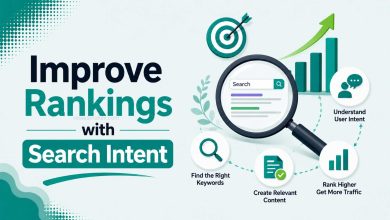
Search Intent Optimization : A Comprehensive Guide 2026
Search Intent Optimization : Search engine optimization has evolved dramatically over the past decade. In the early days of SEO, businesses could achieve high rankings simply by targeting keywords, building backlinks, and optimizing on-page elements. While these factors remain important, modern search engines have become significantly more sophisticated. Today, G and other search engines prioritize understanding the true purpose behind a user’s search query rather than simply matching keywords. This shift has made Search Intent Optimization one of the most important SEO strategies in 2026.
Search Intent Optimization refers to the process of creating content, website experiences, and SEO strategies that align closely with the specific goals, needs, and expectations of search engine users. Rather than focusing solely on keywords, businesses must understand why users are searching and what type of information, solution, product, or service they expect to find.
Search engines have invested heavily in artificial intelligence, machine learning, natural language processing, semantic search, and behavioral analysis to better understand user intent. G’s algorithms can now evaluate context, meaning, relevance, user satisfaction, engagement signals, and content quality more accurately than ever before. As a result, websites that successfully satisfy search intent often achieve better rankings, higher engagement, lower bounce rates, and improved conversion rates.
Modern consumers expect fast answers, personalized experiences, comprehensive information, and seamless customer journeys. If a webpage fails to meet these expectations, users quickly return to search results and explore alternative options. Search engines interpret this behavior as a signal that the content failed to satisfy intent.
Businesses that master Search Intent Optimization gain significant advantages. They attract more qualified traffic, improve customer satisfaction, strengthen brand authority, increase conversion rates, and achieve sustainable SEO growth. Instead of chasing rankings alone, they focus on delivering exactly what users need at every stage of the buyer journey.
As search behavior continues evolving through voice search, AI-powered search experiences, conversational queries, mobile-first browsing, and predictive search technologies, understanding intent becomes increasingly important. Organizations that align their content and marketing strategies with user intent will be best positioned for long-term success.
This comprehensive guide explores everything businesses need to know about Search Intent Optimization in 2026, including intent types, content strategies, keyword mapping, user experience, AI applications, SEO best practices, common mistakes, and future trends shaping modern search marketing.
What Is Search Intent?

Search intent refers to the underlying reason why a user performs a search query.
Every search represents a goal.
Users may be seeking:
- Information
- Answers
- Products
- Services
- Comparisons
- Directions
- Solutions
Search engines aim to understand these goals and deliver the most relevant results possible.
For example, two users may search similar keywords but have different intentions.
A person searching “best laptops for students” is researching options.
A person searching “buy laptop online” is likely ready to make a purchase.
Understanding these differences is essential for effective SEO.
Also Read : AI Tools for Email Marketing : Comprehensive Guide 2026
Why Search Intent Matters in 2026
Search intent has become a major ranking factor because search engines prioritize user satisfaction.
G’s objective is simple:
Provide the best possible answer for every query.
When users find relevant information quickly, search engines succeed.
Businesses that align content with search intent often experience:
- Higher rankings
- Better engagement
- Increased organic traffic
- Improved conversions
- Lower bounce rates
Intent-focused optimization improves both SEO performance and customer experience.
Organizations that ignore intent often struggle despite strong technical SEO and backlink profiles.
The Evolution of Search Intent
Early search engines relied heavily on keyword matching.
If a webpage contained target keywords, it had a good chance of ranking.
Modern search engines operate differently.
Advances in artificial intelligence and machine learning allow search engines to understand:
- Context
- Meaning
- Relationships
- User behavior
- Content relevance
This evolution has shifted SEO from keyword-focused optimization toward intent-focused optimization.
Businesses must now think beyond individual keywords and focus on solving user problems.
The Four Primary Types of Search Intent
Understanding intent categories forms the foundation of Search Intent Optimization.
Informational Intent
Informational searches occur when users seek knowledge or answers.
Examples include:
- What is SEO?
- How does email marketing work?
- Benefits of content marketing
Users are looking for information rather than products.
Content types that perform well include:
- Blog posts
- Guides
- Tutorials
- Educational videos
Providing comprehensive answers improves rankings and engagement.
Navigational Intent
Navigational searches occur when users want to visit a specific website or brand.
Examples include:
- FB login
- YT homepage
- LinkedIn account
Users already know where they want to go.
Brands should optimize for branded searches and ensure easy navigation.
Commercial Investigation Intent
Commercial searches occur when users research products or services before making decisions.
Examples include:
- Best CRM software
- Top SEO tools
- Shopify vs WooCommerce
Users compare options and evaluate alternatives.
Content types include:
- Reviews
- Comparisons
- Case studies
- Product roundups
These searches often occur during the consideration stage.
Transactional Intent
Transactional searches indicate readiness to take action.
Examples include:
- Buy running shoes online
- Subscribe to marketing software
- Order protein supplements
Users are close to conversion.
Optimized landing pages and product pages perform best for transactional queries.
How G Understands Search Intent
G uses advanced technologies to interpret search behavior.
These include:
- Natural Language Processing (NLP)
- Machine Learning
- Semantic Search
- Behavioral Analysis
- Artificial Intelligence
The search engine evaluates:
- Query wording
- Historical search patterns
- User engagement
- Search context
G continuously refines results based on user satisfaction signals.
Understanding this process helps marketers create more effective content.
Keyword Research and Search Intent
Traditional keyword research focused primarily on search volume.
Modern keyword research must also evaluate intent.
Important considerations include:
- User goals
- Content expectations
- Buyer journey stage
- Competitive landscape
High-volume keywords may not always produce valuable traffic.
Intent alignment often matters more than traffic volume alone.
Businesses should prioritize keywords that attract relevant audiences.
Mapping Keywords to Customer Journeys
Customer journeys typically include:
Awareness Stage
Users identify problems or opportunities.
Example:
“What is customer retention marketing?”
Consideration Stage
Users evaluate solutions.
Example:
“Best customer retention software”
Decision Stage
Users prepare to purchase.
Example:
“Buy customer retention platform”
Content should align with each stage.
Proper keyword mapping improves relevance and conversions.
Creating Content for Informational Intent
Informational content should prioritize education and value.
Best practices include:
- Answering questions clearly
- Providing comprehensive explanations
- Using structured formatting
- Including supporting examples
Long-form content often performs well because it satisfies intent more thoroughly.
Search engines reward content that demonstrates expertise and usefulness.
Optimizing Commercial Investigation Content
Users researching products need:
- Comparisons
- Reviews
- Pros and cons
- Recommendations
Businesses should create:
- Product comparison articles
- Buying guides
- Industry evaluations
Trust and transparency are critical.
Balanced information improves credibility and engagement.
Optimizing Transactional Pages
Transactional content should remove barriers to conversion.
Important elements include:
- Clear calls-to-action
- Product information
- Customer reviews
- Pricing transparency
Users with transactional intent seek efficiency.
Pages should support fast decision-making.
Search Intent and User Experience
User experience plays a major role in intent satisfaction.
Important UX factors include:
- Fast loading speeds
- Mobile responsiveness
- Clear navigation
- Readable content
If users struggle to find information, intent remains unsatisfied.
Search engines increasingly reward positive user experiences.
Search Intent and Content Structure
Content structure significantly impacts usability.
Effective content often includes:
- Clear headings
- Subheadings
- Bullet points
- Visual elements
- Internal links
Well-organized content improves readability and engagement.
Users can quickly find information relevant to their needs.
Buy Now : Ready Made Digital Store with 100 Products
Search Intent Optimization for Ecommerce
Ecommerce websites must address multiple intent types.
Examples include:
Informational
How to choose running shoes
Commercial
Best running shoes for beginners
Transactional
Buy running shoes online
Successful ecommerce SEO requires content for every stage of the customer journey.
Artificial Intelligence and Search Intent
AI is transforming search optimization.
Businesses use AI to:
- Analyze search behavior
- Identify content gaps
- Predict user needs
- Improve personalization
AI helps marketers better understand customer intent and optimize content accordingly.
Future search experiences will become increasingly intent-driven.
Voice Search and Intent Optimization

Voice searches often differ from text searches.
Users typically ask conversational questions.
Examples include:
- What is the best CRM software for small businesses?
- How do I improve website rankings?
Voice search optimization requires:
- Natural language content
- Question-based targeting
- Conversational formatting
Voice search continues growing across devices and platforms.
Measuring Search Intent Success
Businesses should evaluate metrics such as:
- Organic traffic
- Bounce rates
- Session duration
- Conversion rates
- Pages per session
Strong engagement often indicates successful intent satisfaction.
Data-driven analysis helps identify optimization opportunities.
Common Search Intent Optimization Mistakes
Many businesses make mistakes such as:
- Focusing only on keywords
- Ignoring user goals
- Creating thin content
- Misaligning content types
- Neglecting customer journeys
Successful optimization requires understanding what users truly want.
Intent should guide content creation and SEO decisions.
Future Trends in Search Intent Optimization
Several trends will shape future search experiences.
AI-Powered Search
Search engines will better understand context.
Personalized Results
Users will receive more customized experiences.
Conversational Search
Natural language queries will continue growing.
Predictive Search
Search engines will anticipate needs proactively.
Search Experience Optimization
User satisfaction will become even more important.
Businesses that adapt to these trends will strengthen search visibility.
Advanced Search Intent Optimization Strategies
Leading organizations increasingly implement:
- Topic clustering
- Behavioral analysis
- AI-driven content recommendations
- Dynamic personalization
- Search journey mapping
These strategies improve relevance and customer satisfaction.
Advanced optimization creates sustainable SEO advantages.
Conclusion

Search Intent Optimization has become one of the most important components of modern SEO. In 2026, search engines prioritize user satisfaction, relevance, and experience more than ever before. Businesses can no longer rely solely on keyword targeting and technical optimization. They must understand why users search and create content that satisfies those needs effectively.
By aligning content with informational, navigational, commercial, and transactional intent, organizations can improve rankings, engagement, conversions, and customer satisfaction. Search intent influences every aspect of digital marketing, from keyword research and content creation to user experience and conversion optimization.
Buy Now : Ready Made Digital Store with 100 Products
As artificial intelligence, voice search, semantic search, and personalized search experiences continue evolving, intent-focused strategies will become increasingly valuable. Businesses that invest in understanding and serving user intent today will build stronger authority, attract more qualified traffic, and achieve sustainable long-term growth in the future.
Disclaimer : The information provided in this article is for educational and informational purposes only. Search engine algorithms, SEO practices, user behavior trends, and digital marketing technologies may change over time. Readers should conduct independent research and adapt strategies according to their specific business objectives, audience needs, and industry requirements before implementation.