Smart Budgeting Strategies for Every Income Level : Comprehensive Guide 2026
Smart Budgeting Strategies : Budgeting is often misunderstood as a financial tool only for people who are struggling with money. In reality, budgeting is one of the most powerful financial habits practiced by financially successful individuals, entrepreneurs, investors, and families regardless of how much they earn. Whether someone earns ₹20,000 per month, ₹2 lakh per month, or significantly more, every income level benefits from having a structured financial plan. The difference between financial stability and constant financial stress is rarely determined by income alone—it is usually determined by how effectively income is managed.
Table of Contents
In 2026, managing personal finances has become more complex than ever before. Inflation, subscription-based services, digital payments, online shopping, rising housing costs, education expenses, healthcare costs, investment opportunities, and changing employment patterns all influence household finances. At the same time, Artificial Intelligence (AI), digital banking, financial automation, and smart budgeting applications have made it easier than ever to monitor spending and build sustainable financial habits.
One of the biggest misconceptions about budgeting is that it requires giving up everything enjoyable. Effective budgeting is not about eliminating spending—it is about spending intentionally. A well-designed budget allows individuals to enjoy life while ensuring that important financial goals such as emergency savings, investments, retirement planning, debt reduction, and wealth creation remain on track. Instead of controlling people, a budget gives people greater control over their money.
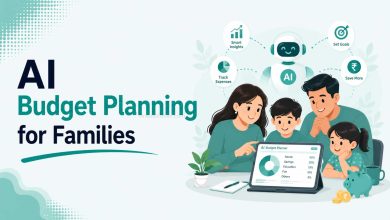
Artificial Intelligence has transformed budgeting by replacing manual calculations with intelligent financial planning. AI-powered budgeting applications automatically categorize expenses, analyze spending behavior, identify unnecessary costs, predict future bills, recommend savings opportunities, optimize investment contributions, and even provide personalized financial advice based on individual income levels and financial goals. Rather than reviewing bank statements manually, users receive real-time insights that simplify decision-making.
Budgeting also varies depending on income. Lower-income households may prioritize essential expenses and emergency savings, middle-income families often balance home ownership, children’s education, and investments, while higher-income individuals focus on tax efficiency, wealth preservation, business expansion, and diversified investment portfolios. Despite these differences, the fundamental budgeting principles remain remarkably consistent across all income groups.
Behavior plays a greater role than income in determining financial success. Many individuals with high salaries struggle financially because of lifestyle inflation and uncontrolled spending, while people earning modest incomes often build substantial wealth through disciplined saving and long-term investing. Smart budgeting creates habits that remain effective regardless of changing financial circumstances.
As digital finance continues evolving, budgeting has become increasingly automated, personalized, and data-driven. Mobile banking, AI assistants, predictive analytics, and financial dashboards enable individuals to monitor their finances from anywhere while receiving intelligent recommendations that improve financial health over time.
This comprehensive guide explores smart budgeting strategies for every income level in 2026, including Artificial Intelligence, budgeting methods, emergency funds, debt management, investment planning, financial automation, wealth building, common budgeting mistakes, and future trends that support long-term financial success.
What Is Smart Budgeting?

Smart budgeting is the process of intentionally planning how income will be allocated to meet current needs while preparing for future financial goals.
Unlike restrictive budgeting methods, smart budgeting focuses on balance.
A complete financial plan includes:
- Essential expenses
- Savings
- Investments
- Debt management
- Emergency funds
- Lifestyle spending
The objective is to create a system that remains sustainable over many years.
Consistency is more important than perfection.
Why Budgeting Matters at Every Income Level
Many people assume that earning more money automatically solves financial problems.
Unfortunately, this is rarely true.
Also Read : Moneyview Personal Loans
Higher income often leads to higher spending if financial discipline does not improve.
Budgeting helps individuals:
- Control spending
- Build savings
- Reduce financial stress
- Prepare for emergencies
- Achieve long-term goals
Every income level benefits from structured financial planning.
Money management matters more than income alone.
Understanding Your Financial Position
Before creating a budget, individuals should evaluate their complete financial picture.
Review:
- Monthly income
- Fixed expenses
- Variable expenses
- Savings
- Investments
- Outstanding debt
- Insurance coverage
Financial awareness creates better decision-making.
Knowing where money currently goes is the first step toward improving financial health.
Artificial Intelligence in Budget Planning
Artificial Intelligence has transformed personal finance management.
AI-powered budgeting tools automatically:
- Categorize transactions
- Monitor spending
- Predict upcoming bills
- Identify wasteful expenses
- Recommend savings opportunities
- Detect unusual financial activity
Machine Learning improves recommendations over time.
Instead of relying on manual calculations, users receive personalized financial guidance based on their actual habits.
AI reduces financial stress by making budgeting easier to maintain.
Budgeting for Low-Income Households
Families with limited income should prioritize financial stability before aggressive investing.
The primary focus should be on:
- Housing
- Food
- Utilities
- Transportation
- Healthcare
- Emergency savings
Even small, consistent savings build financial resilience over time.
Avoiding unnecessary debt and controlling impulse spending become especially important.
Budgeting provides clarity during financial challenges.
Budgeting for Middle-Income Families
Middle-income households often manage more complex financial responsibilities.
Common priorities include:
- Home loans
- Children’s education
- Vehicle expenses
- Insurance
- Retirement planning
- Investments
Balancing current responsibilities with future goals requires careful planning.
Automation simplifies savings and investment contributions.
Consistent reviews keep spending aligned with priorities.
Budgeting for High-Income Individuals
Higher-income earners generally have greater financial flexibility but also face unique challenges.
Lifestyle inflation frequently becomes the largest obstacle.
Additional income should support:
- Wealth creation
- Business investment
- Portfolio diversification
- Tax efficiency
- Estate planning
Increasing income should not automatically increase unnecessary spending.
Financial discipline remains essential.
Setting Financial Goals
Every budget should support meaningful objectives.
Examples include:
- Building an emergency fund
- Buying a home
- Starting a business
- Children’s education
- Retirement
- Financial independence
Clear goals improve motivation.
Purpose-driven budgeting is easier to maintain.
Progress becomes measurable.
Managing Fixed and Variable Expenses
Expenses generally fall into two categories.
Fixed expenses include:
- Rent
- Mortgage
- Insurance
- Loan repayments
Variable expenses include:
- Groceries
- Dining
- Entertainment
- Shopping
- Travel
AI identifies which categories offer the greatest opportunities for savings.
Understanding spending patterns improves financial control.
Emergency Fund Planning
Unexpected expenses are inevitable.
Medical emergencies.
Vehicle repairs.
Job loss.
Home maintenance.
An emergency fund protects families from relying on high-interest debt during difficult situations.
The ideal size depends on individual circumstances, employment stability, and household responsibilities.
Preparation creates financial confidence.
Debt Management

Not all debt is harmful.
Productive borrowing differs from high-interest consumer debt.
Individuals should prioritize reducing expensive debt while maintaining responsible repayment habits.
AI budgeting systems recommend repayment strategies based on:
- Interest rates
- Outstanding balances
- Cash flow
Reducing unnecessary debt accelerates wealth building.
Automating Financial Success
Automation removes dependence on willpower.
Individuals can automate:
- Savings
- Investments
- Bill payments
- Loan repayments
- Insurance premiums
Automation improves consistency.
Financial habits become easier to maintain.
Technology strengthens long-term discipline.
Smart Investing
Budgeting should create opportunities for investing rather than simply saving.
Investment options may include:
- Mutual funds
- Stocks
- Exchange-Traded Funds (ETFs)
- Bonds
- Retirement accounts
Investment choices should align with individual financial goals and risk tolerance.
Long-term investing benefits from patience and consistency.
Managing Lifestyle Inflation
Income growth often leads to increased spending.
This phenomenon is known as lifestyle inflation.
Examples include:
- Larger homes
- Luxury vehicles
- Frequent dining
- Expensive subscriptions
Maintaining reasonable living expenses allows additional income to build long-term wealth instead.
Financial freedom often depends on controlling lifestyle expansion.
Tracking Budget Performance
Budgets should evolve with changing life circumstances.
Monthly reviews should evaluate:
- Spending patterns
- Savings progress
- Investment growth
- Debt reduction
- Financial goals
AI dashboards provide visual reports that simplify analysis.
Continuous improvement produces better long-term outcomes.
Common Budgeting Mistakes
Many individuals struggle because they:
- Ignore small daily expenses
- Fail to review budgets
- Overspend on lifestyle upgrades
- Depend on credit cards
- Save inconsistently
- Avoid financial planning
Recognizing these habits early prevents larger financial problems.
Consistency creates lasting improvement.
Future Trends
Several innovations will reshape budgeting.
Artificial Intelligence
Smarter financial recommendations.
Predictive Budgeting
Forecasting future expenses.
Embedded Finance
Integrated money management.
Voice Financial Assistants
Hands-free budgeting.
Automated Investing
Continuous portfolio optimization.
Technology will continue simplifying personal finance.
Best Practices
Successful budgeting requires:
- Tracking all income and expenses.
- Setting realistic financial goals.
- Leveraging Artificial Intelligence.
- Automating savings.
- Managing debt responsibly.
- Reviewing budgets monthly.
- Controlling lifestyle inflation.
- Investing consistently.
- Building emergency savings.
- Remaining flexible as circumstances change.
Financial discipline should become a lifelong habit.
Smart Budgeting Strategies – Conclusion

Smart budgeting is one of the most important financial skills anyone can develop, regardless of income level. Whether managing a modest household budget or overseeing substantial financial resources, budgeting provides the structure necessary to make informed decisions, reduce financial stress, build wealth, and achieve long-term financial security. Income alone rarely determines financial success—consistent money management does.
Buy Now : Accounting & Billing Website
Artificial Intelligence has significantly improved budgeting by automating transaction tracking, analyzing spending behavior, forecasting future expenses, identifying savings opportunities, optimizing investments, and providing personalized financial insights. AI-powered budgeting systems make financial planning more accessible while reducing the time and effort traditionally required to manage personal finances effectively.
A sustainable budget should remain flexible enough to adapt to changing life circumstances, including career growth, marriage, children, business opportunities, healthcare expenses, and retirement planning. Rather than serving as a rigid financial restriction, an effective budget functions as a living financial roadmap that evolves alongside personal goals and responsibilities.
Financial success also depends on behavior. Avoiding unnecessary debt, controlling lifestyle inflation, automating savings, investing consistently, maintaining emergency funds, and reviewing financial progress regularly create habits that generate long-term wealth regardless of changing income levels. Small improvements maintained consistently often produce far greater results than dramatic short-term changes.
Looking ahead, advancements in Artificial Intelligence, predictive financial planning, embedded banking, automated investing, digital financial assistants, and personalized budgeting platforms will continue transforming personal finance management. Individuals who combine these technological innovations with disciplined financial habits will be better prepared to achieve financial independence and long-term prosperity.
Ultimately, smart budgeting is not about limiting what you can do with your money—it is about ensuring your money helps you build the life you truly want. By creating intentional financial systems, embracing intelligent technology, and maintaining consistent financial discipline, individuals and families at every income level can achieve greater security, confidence, and lasting financial success throughout 2026 and beyond.
Keywords : Smart Budgeting Strategies – Smart Budgeting Strategies 2026 – Smart Budgeting Strategies 2027, Smart Budgeting Strategies in india, Smart Budgeting Strategies kerala