Future of Online Shopping : Comprehensive Guide 2026
Future of Online Shopping : Online shopping has transformed from a convenient alternative to traditional retail into one of the most powerful forces shaping the global economy. In 2026, ecommerce is no longer simply about buying products through websites. It has evolved into a sophisticated digital ecosystem powered by Artificial Intelligence, mobile commerce, social commerce, predictive analytics, personalized experiences, voice technology, and advanced logistics networks. Consumers today expect seamless, fast, secure, and highly personalized shopping experiences that fit naturally into their daily lives.
Table of Contents
The growth of online shopping has accelerated significantly over the past decade. Increased internet penetration, widespread smartphone adoption, improved payment systems, faster delivery services, and changing consumer behavior have contributed to the rapid expansion of ecommerce worldwide. Millions of consumers now prefer shopping online because it offers convenience, product variety, competitive pricing, and access to global marketplaces.
However, the future of online shopping extends far beyond convenience. Technological innovations are fundamentally changing how consumers discover products, evaluate brands, make purchasing decisions, and interact with businesses. Artificial Intelligence is enabling personalized shopping experiences, machine learning is predicting customer needs, and automation is streamlining supply chains. At the same time, consumers are demanding greater transparency, sustainability, speed, and convenience from online retailers.
Businesses that want to remain competitive must understand these evolving trends and adapt their strategies accordingly. The future of online shopping will be shaped by emerging technologies, customer expectations, changing market dynamics, and new forms of digital engagement. Ecommerce businesses that embrace innovation while focusing on customer experience will be best positioned for long-term success.
This comprehensive guide explores the future of online shopping in 2026, including technological advancements, consumer behavior trends, AI-powered commerce, mobile shopping, social commerce, personalized experiences, logistics innovations, and future opportunities for ecommerce businesses.
The Evolution of Online Shopping

Online shopping has undergone remarkable transformation since its early days.
Initially, ecommerce websites functioned primarily as digital catalogs where customers could browse products and complete purchases. Today’s online shopping experiences are significantly more sophisticated.
Modern ecommerce includes:
- Personalized recommendations
- Artificial Intelligence
- Mobile commerce
- Social commerce
- Voice-enabled shopping
- Real-time customer support
Consumers now expect businesses to understand their preferences and provide tailored shopping experiences.
This evolution continues accelerating as technology advances.
Why Online Shopping Continues to Grow
Several factors are driving the continued growth of ecommerce worldwide.
Increased Internet Access
More people have access to high-speed internet than ever before.
This expansion creates larger online consumer markets.
Smartphone Adoption
Mobile devices have made online shopping more accessible.
Consumers can browse and purchase products from virtually anywhere.
Convenience
Online shopping eliminates many traditional barriers.
Customers can:
- Shop anytime
- Compare prices
- Access global products
- Avoid physical travel
Convenience remains one of ecommerce’s strongest advantages.
Improved Payment Systems
Secure digital payment solutions have increased consumer confidence.
Modern payment systems make transactions faster and safer.
Artificial Intelligence and the Future of Ecommerce
Artificial Intelligence is becoming the foundation of modern online shopping experiences.
AI helps businesses understand customer behavior, personalize experiences, and improve operational efficiency.
AI-Powered Product Recommendations
Recommendation systems analyze:
- Purchase history
- Browsing behavior
- Customer preferences
This allows businesses to suggest highly relevant products.
Personalized recommendations improve:
- Customer satisfaction
- Conversion rates
- Average order value
Also Read : AI for Ecommerce Marketing
AI-powered recommendations are becoming increasingly sophisticated.
Predictive Shopping Experiences
AI can predict customer needs before they make purchases.
Businesses use predictive analytics to:
- Anticipate demand
- Recommend products
- Optimize marketing campaigns
Predictive shopping reduces friction and improves customer experiences.
Hyper-Personalization Will Become Standard
Personalization is evolving into hyper-personalization.
Instead of generic recommendations, businesses are delivering highly individualized experiences.
Personalized Shopping Journeys
Customers increasingly receive:
- Customized product suggestions
- Personalized discounts
- Tailored marketing messages
- Dynamic website experiences
Consumers appreciate brands that understand their needs.
Personalization strengthens customer loyalty and engagement.
Real-Time Adaptation
Future ecommerce systems will adapt instantly to customer behavior.
Websites may change content, promotions, and recommendations based on real-time interactions.
This creates more relevant shopping experiences.
Mobile Commerce Dominance

Mobile commerce continues expanding rapidly.
Smartphones have become the primary device for online shopping.
Why Mobile Shopping Is Growing
Consumers use smartphones because they provide:
- Convenience
- Accessibility
- Speed
Mobile commerce allows users to shop anytime and anywhere.
Mobile-First Ecommerce
Businesses increasingly design experiences specifically for mobile users.
Key mobile optimization areas include:
- Fast-loading pages
- Responsive design
- Mobile-friendly checkout
- Simplified navigation
Mobile-first strategies are becoming essential for ecommerce success.
Social Commerce Revolution
Social commerce is transforming how consumers discover and purchase products.
Shopping is increasingly integrated into social experiences.
What Is Social Commerce?
Social commerce combines:
- Content
- Community
- Commerce
Consumers discover products while engaging with content and communities.
Benefits of Social Commerce
Social commerce offers:
- Faster purchasing journeys
- Increased engagement
- Greater product discovery
Consumers often trust recommendations from creators and communities more than traditional advertising.
Social commerce is expected to become one of the fastest-growing ecommerce segments.
Creator Economy and Shopping Behavior
Content creators play an increasingly important role in online shopping decisions.
Consumers often rely on creators for:
- Product recommendations
- Reviews
- Demonstrations
- Buying advice
Why Creator Influence Is Growing
Creators build trust through authenticity and expertise.
Their audiences often view recommendations as more credible than advertisements.
Brands increasingly collaborate with creators to reach targeted audiences.
The creator economy will continue influencing ecommerce growth.
Voice Commerce and Conversational Shopping
Voice technology is changing how consumers interact with online stores.
Voice assistants allow customers to:
- Search for products
- Compare options
- Place orders
Benefits of Voice Commerce
Voice shopping offers:
- Convenience
- Speed
- Hands-free interaction
As voice technology improves, adoption is expected to increase significantly.
Conversational Commerce
Consumers increasingly expect conversational interactions.
Businesses use:
- AI chatbots
- Virtual assistants
- Messaging platforms
Conversational commerce creates more natural shopping experiences.
Visual Search Technology
Visual search is becoming an important ecommerce trend.
Consumers can search using images rather than text.
How Visual Search Works
AI analyzes uploaded images and identifies similar products.
This simplifies product discovery.
Benefits of Visual Search
Visual search improves:
- User experience
- Product discovery
- Purchase confidence
Industries such as fashion, furniture, and home decor benefit particularly from visual search capabilities.
Augmented Reality and Virtual Shopping
Augmented Reality is transforming online shopping experiences.
AR allows customers to visualize products before purchasing.
Applications of AR
Examples include:
- Virtual furniture placement
- Fashion try-ons
- Beauty product testing
AR reduces uncertainty and improves confidence.
Benefits for Businesses
Augmented Reality can:
- Increase conversions
- Reduce returns
- Improve customer satisfaction
AR adoption is expected to expand rapidly.
Faster Delivery Expectations
Consumers increasingly expect rapid delivery.
Delivery speed has become a major competitive factor.
The Rise of Same-Day Delivery
Many businesses now offer:
- Same-day delivery
- Next-day delivery
- Real-time tracking
Fast delivery improves customer experiences and satisfaction.
Logistics Innovation
Advanced logistics systems use:
- Artificial Intelligence
- Automation
- Predictive analytics
These technologies improve efficiency and reduce costs.
Sustainable Ecommerce Growth
Consumers are becoming more environmentally conscious.
Sustainability is influencing purchasing decisions.
Sustainable Shopping Trends
Consumers increasingly value:
- Eco-friendly products
- Sustainable packaging
- Ethical sourcing
Businesses that prioritize sustainability often strengthen customer trust.
Green Logistics
Companies are investing in environmentally friendly delivery solutions.
Sustainability will become increasingly important in ecommerce strategies.
Subscription-Based Shopping Models
Subscription commerce continues expanding.
Consumers appreciate convenience and predictability.
Popular Subscription Categories
Examples include:
- Beauty products
- Health supplements
- Digital services
- Educational resources
Subscriptions create recurring revenue and improve customer retention.
Businesses benefit from predictable income streams.
Data-Driven Ecommerce Strategies
Data has become one of the most valuable assets in online shopping.
Businesses analyze customer data to improve decision-making.
Types of Data Used
Ecommerce businesses monitor:
- Browsing behavior
- Purchase history
- Customer preferences
- Engagement metrics
Data-driven strategies improve efficiency and customer experiences.
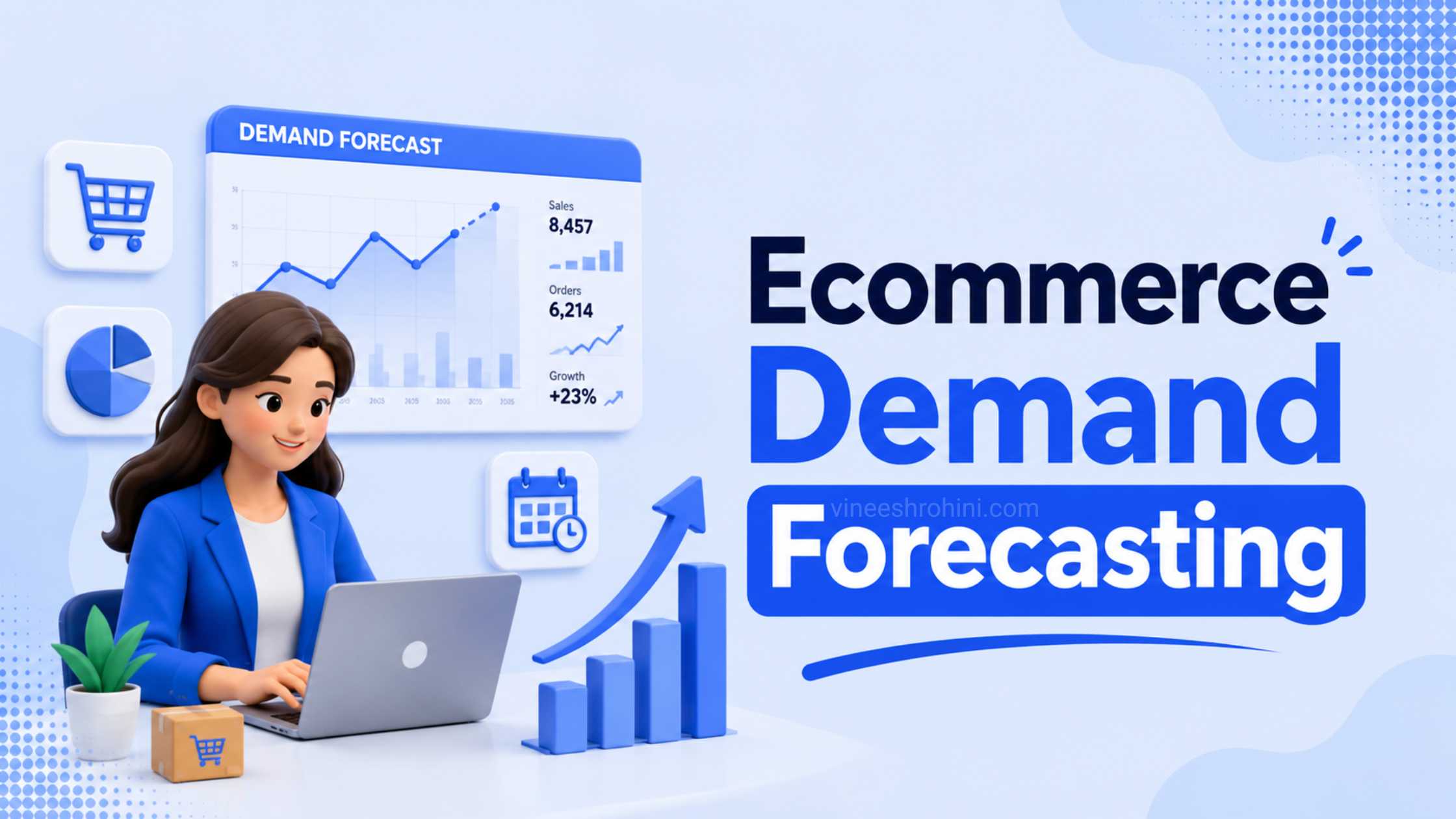
Predictive Analytics
Predictive analytics helps businesses forecast:
- Product demand
- Customer behavior
- Inventory requirements
This enables proactive decision-making.
Customer Experience as a Competitive Advantage
Customer experience is becoming a primary differentiator.
Consumers often choose brands based on convenience and service quality.
Key Customer Experience Factors
Important elements include:
- Easy navigation
- Fast loading websites
- Responsive customer support
- Personalized experiences
Exceptional experiences encourage repeat purchases and loyalty.
Omnichannel Shopping Experiences
Consumers interact with brands across multiple channels.
Online shopping increasingly integrates:
- Websites
- Mobile apps
- Social platforms
- Physical stores
Benefits of Omnichannel Commerce
Omnichannel strategies provide:
- Consistency
- Convenience
- Better customer experiences
Consumers expect seamless transitions between channels.
Businesses must create unified experiences.
Ecommerce Security and Trust
Trust remains essential for online shopping growth.
Consumers expect businesses to protect their information.
Security Priorities
Important areas include:
- Payment security
- Data protection
- Privacy compliance
Secure shopping experiences build confidence and loyalty.
Trust remains a key competitive advantage.
Artificial Intelligence in Customer Service
AI-powered customer support is becoming increasingly common.
Businesses use AI to provide:
- Instant responses
- Product recommendations
- Order tracking
Benefits of AI Support
Advantages include:
- Faster assistance
- Reduced costs
- 24/7 availability
Customer service quality significantly influences purchasing decisions.
Future Payment Technologies
Payment technology continues evolving.
Consumers increasingly prefer:
- Digital wallets
- Contactless payments
- Mobile transactions
Frictionless Checkout Experiences
Future payment systems focus on:
- Simplicity
- Speed
- Security
Reducing checkout friction improves conversion rates.
Businesses that simplify payments often achieve stronger results.
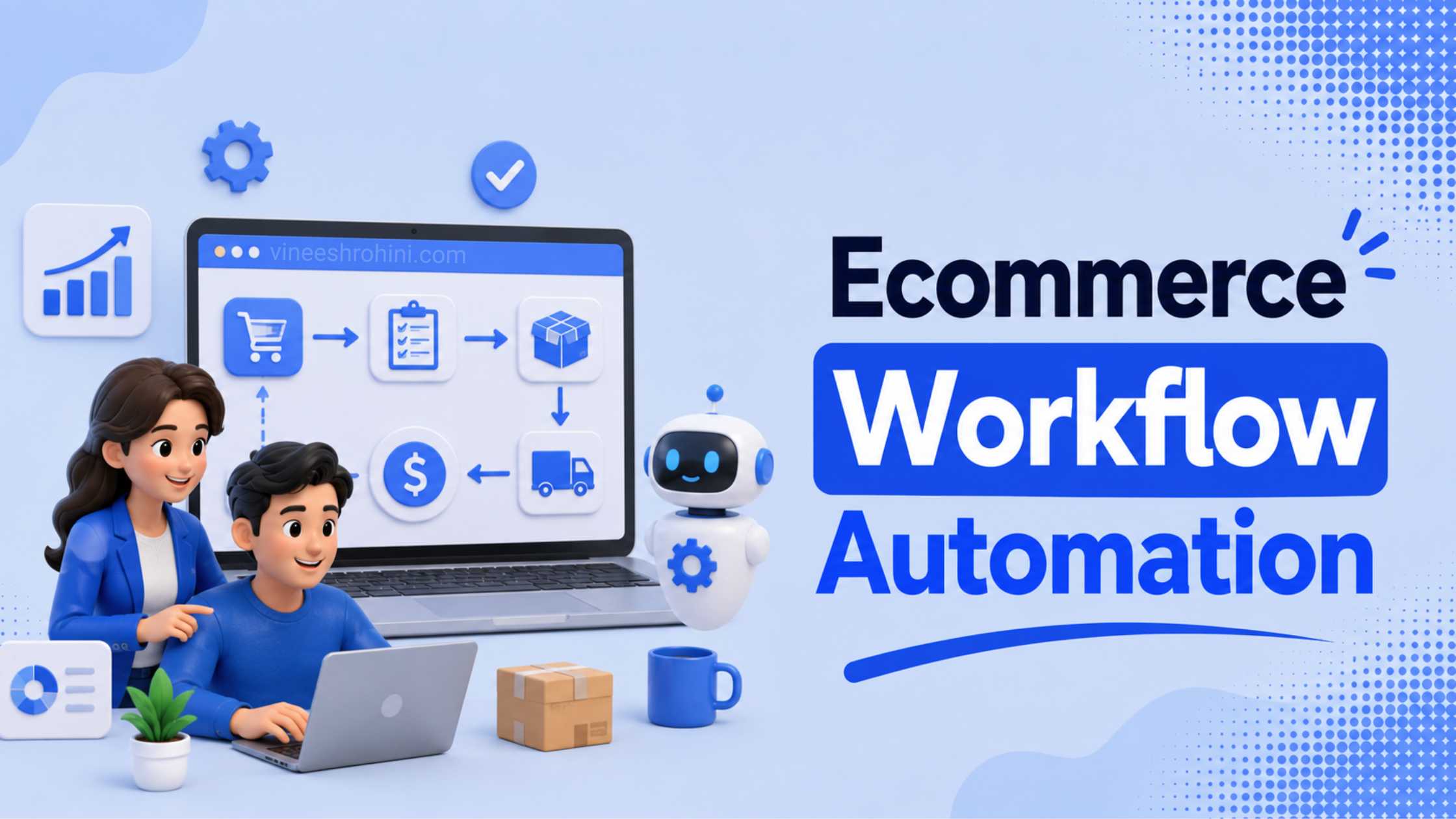
Ecommerce Automation and Efficiency
Automation is transforming ecommerce operations.
Businesses automate:
- Inventory management
- Customer communication
- Marketing campaigns
- Order processing
Automation improves scalability and efficiency.
Companies can focus more on growth and customer relationships.
Emerging Ecommerce Technologies
Several emerging technologies are shaping the future.
Artificial Intelligence
AI powers personalization and automation.
Machine Learning
Machine learning improves recommendations and forecasting.
Augmented Reality
AR enhances product visualization.
Voice Technology
Voice commerce creates new shopping opportunities.
Businesses should monitor these innovations closely.
Challenges Facing Online Retailers
Despite growth opportunities, ecommerce businesses face challenges.
Increasing Competition
More businesses are entering digital markets.
Rising Customer Expectations
Consumers expect faster, better experiences.
Data Privacy Concerns
Businesses must balance personalization with privacy.
Continuous innovation is necessary to remain competitive.
How Businesses Can Prepare for the Future
Ecommerce businesses should focus on:
- Artificial Intelligence adoption
- Mobile optimization
- Customer experience improvements
- Personalization strategies
- Data-driven decision-making
Investing in innovation today creates competitive advantages tomorrow.
Businesses must remain flexible and adaptable.
Future of Online Shopping – Conclusion

The future of online shopping in 2026 is being shaped by Artificial Intelligence, mobile commerce, social commerce, personalized experiences, voice technology, advanced logistics, and evolving consumer expectations. Ecommerce has moved far beyond simple online transactions and is becoming a highly intelligent, customer-centric ecosystem designed to deliver convenience, personalization, and value.
Buy Now : Dropshipping Success Mantra – Win Dropship Market
Artificial Intelligence is transforming every aspect of ecommerce, from product recommendations and predictive analytics to customer service and inventory management. Mobile commerce continues dominating consumer behavior, while social commerce and creator-driven shopping experiences are changing how products are discovered and purchased. Emerging technologies such as visual search, voice commerce, and Augmented Reality are creating more immersive and interactive shopping experiences.
At the same time, consumers are demanding faster delivery, stronger security, greater transparency, and more sustainable business practices. Businesses that prioritize customer experience, embrace technological innovation, and adapt to changing consumer preferences will be best positioned for success.
The future of online shopping is not simply about selling products online. It is about creating intelligent, personalized, seamless experiences that anticipate customer needs and build lasting relationships. Companies that invest in Artificial Intelligence, automation, personalization, and customer-centric strategies today will lead the next generation of ecommerce growth.
As digital commerce continues evolving, online shopping will become even more integrated into everyday life. The businesses that understand these trends and act on them proactively will gain significant competitive advantages and thrive in the rapidly expanding ecommerce economy of the future.
Keywords : Future of Online Shopping – Future of Online Shopping 2026